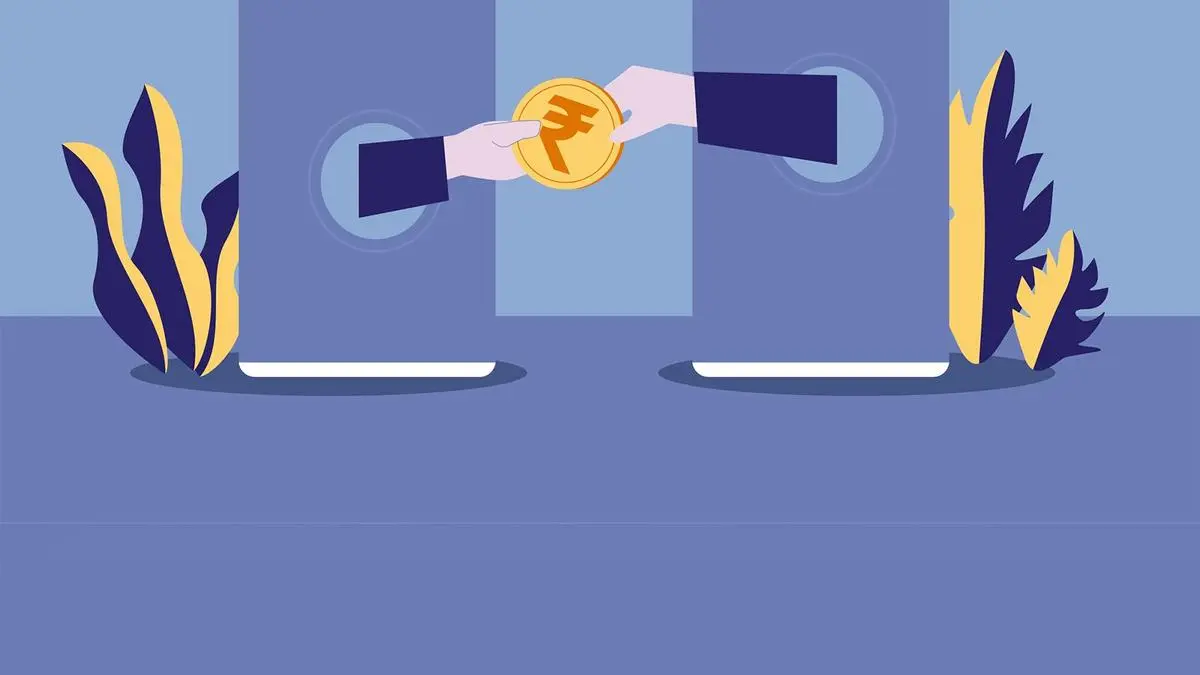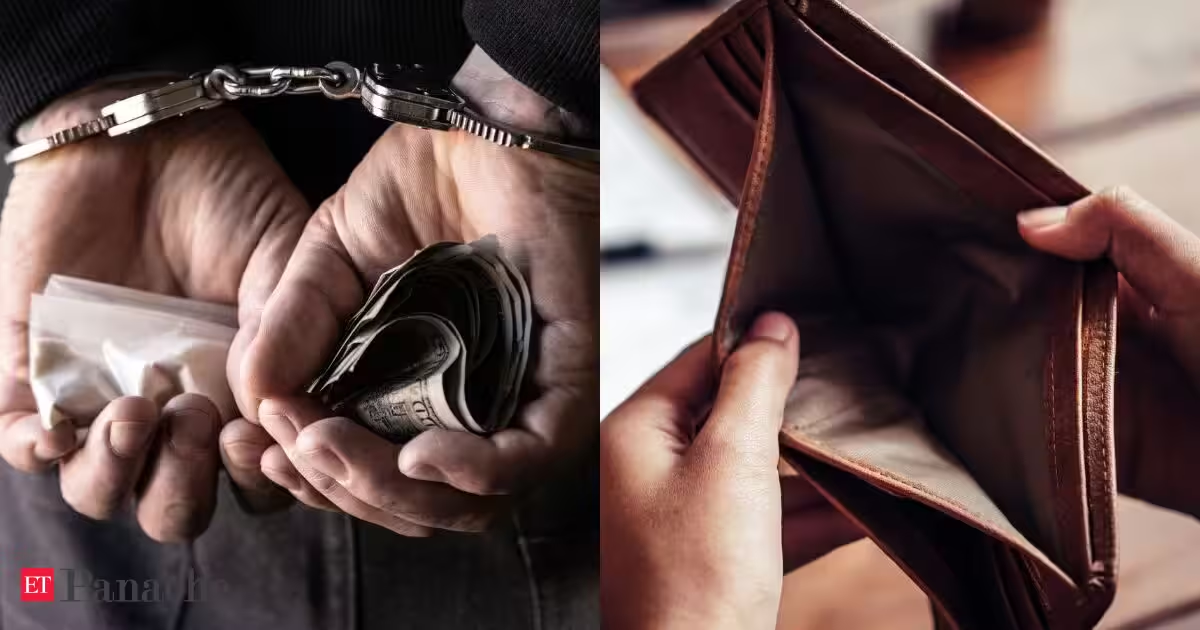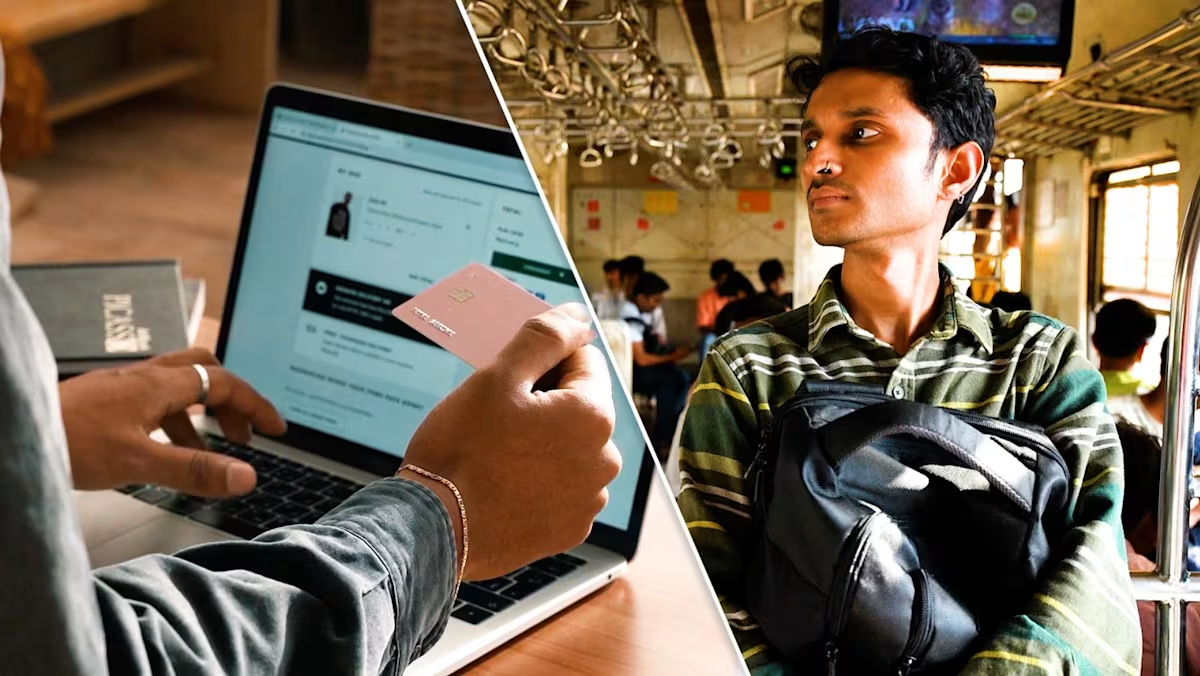
Indians are getting into debt like never before, with digital lenders originating four out of five personal loans. Both developments are troubling, but the sheer proliferation — and the outrageous usury — of smartphone-based borrowing platforms is the bigger headache.
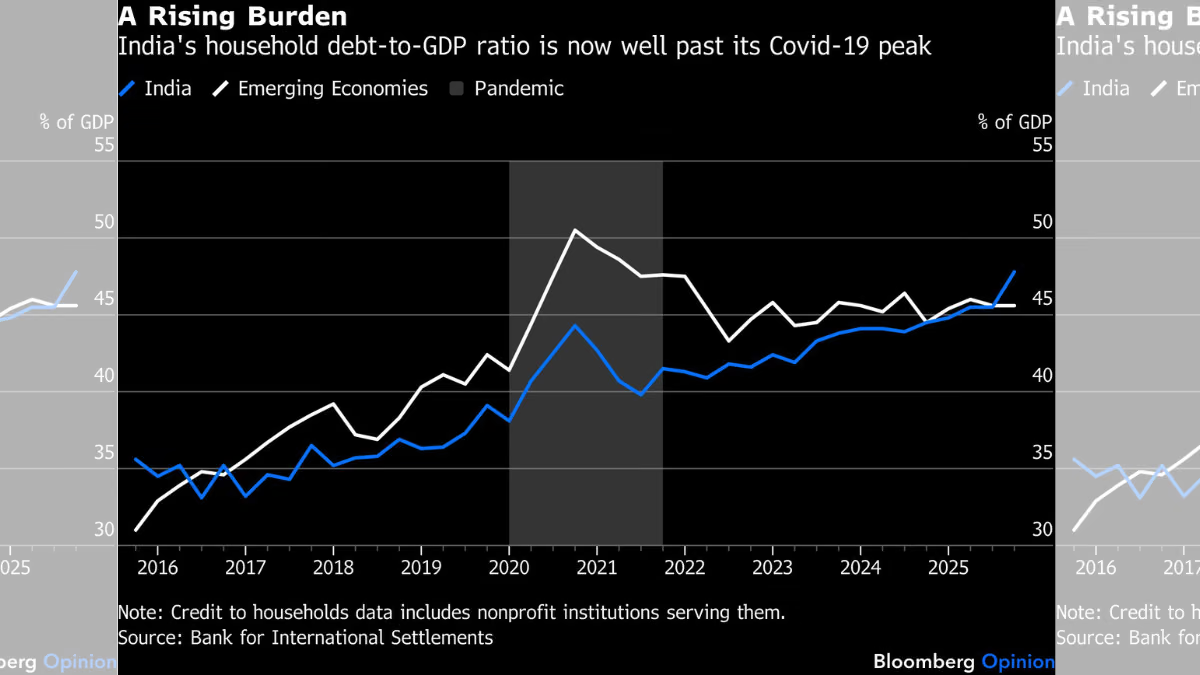
Prime Minister Narendra Modi’s government recently caught a glimpse of youth frustration during widespread public anger over corruption in medical school entrance exams and shrinking formal jobs. But a bitter disappointment is also brewing among those who do find work, only to fall deeper in debt with every passing month. Faced with low wages and a rising cost of living, many are being tempted by lending apps to take on exorbitantly-priced new loans to meet interest payments on existing obligations.Household debt ratios across emerging markets have largely plateaued post-Covid-19. In India, however, they have kept climbing, reaching a record 48% of gross domestic product by December 2025, up from 38% before the pandemic. The Reserve Bank of India’s latest financial stability report underscores the nature of this expansion: Non-housing credit accounts for nearly three-fifths of total household borrowing, with half driven purely by consumption.