Microsoft Word 1.1a for Windows Goes Native x64: A Retro Port for the Ages
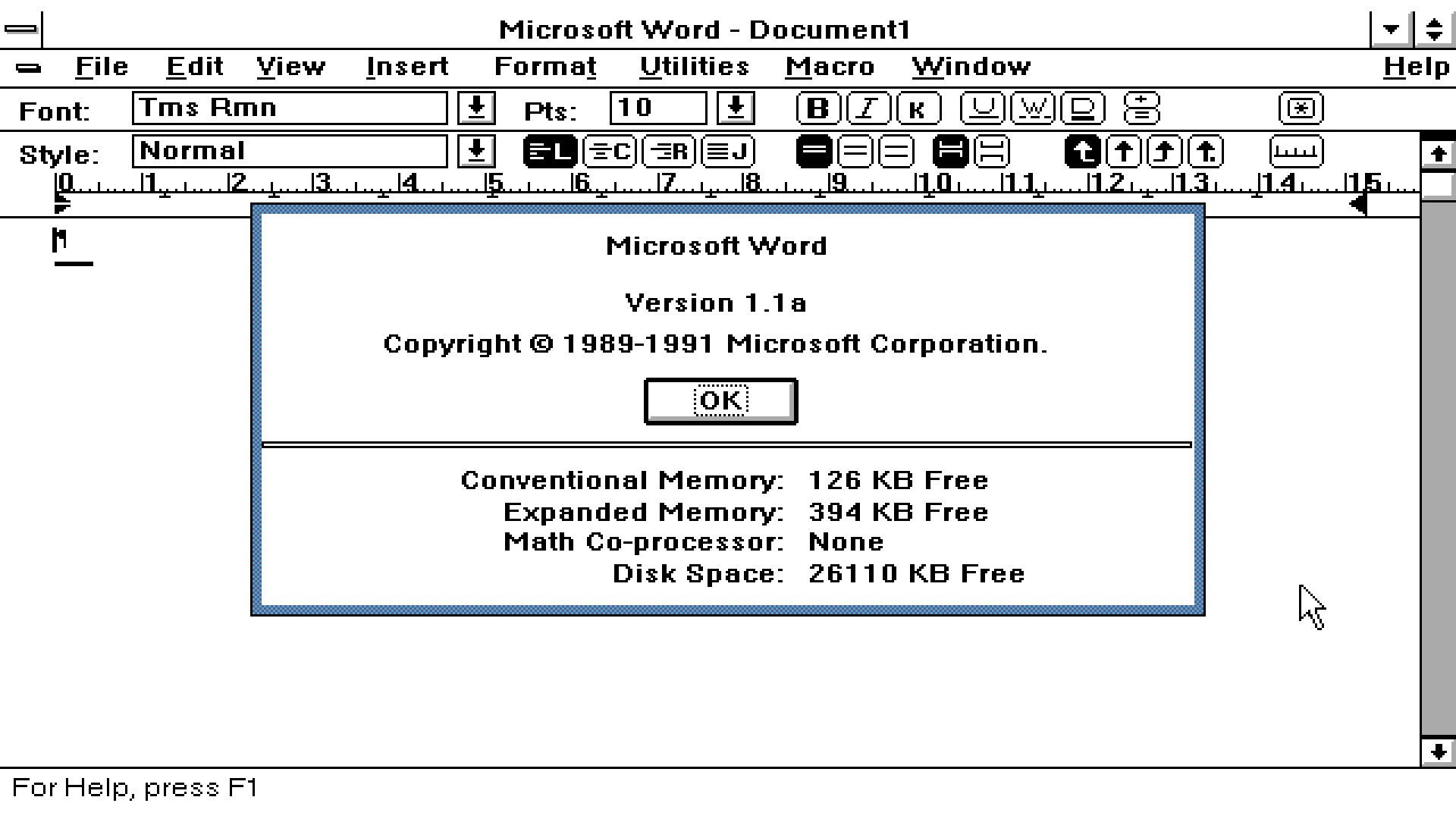
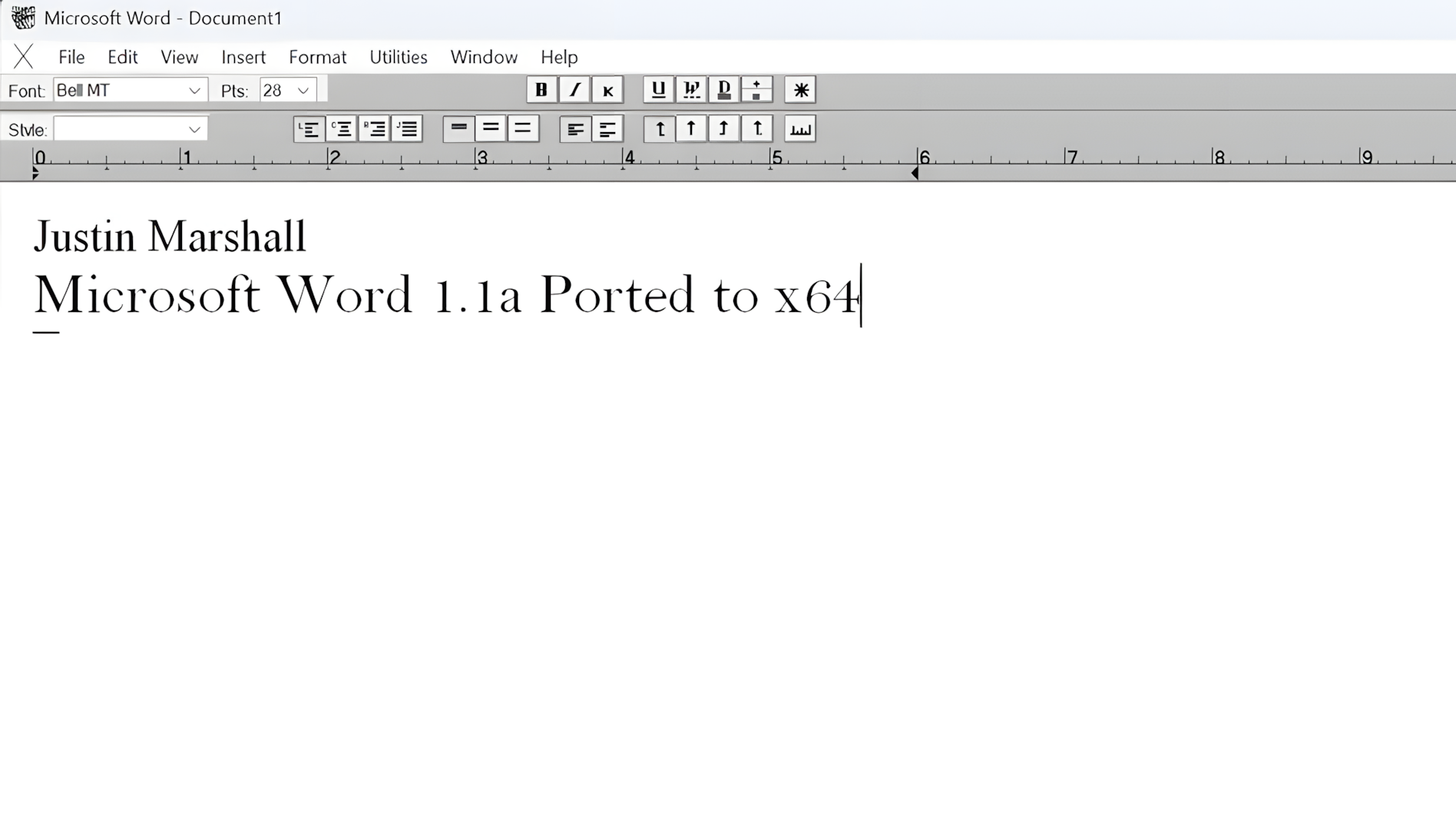
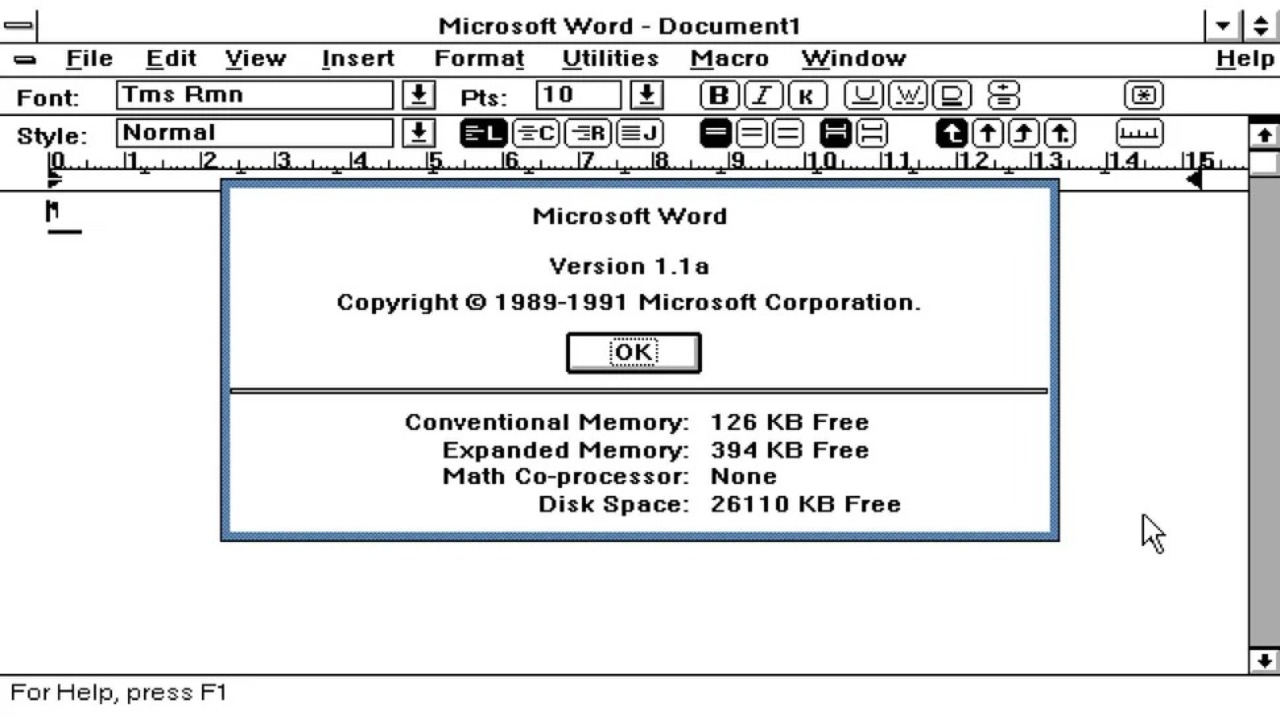
When a mysterious thread titled "Word for Windows 1.1a, native x64" hit the front page of Hacker News in early 2026, the reaction was immediate: a mix of nostalgia, disbelief, and technical admiration. The post linked to a GitHub repository containing a transpiled, refactored, and rebuilt version of Microsoft Word 1.1a—originally a 16-bit application from 1989—now compiled and running natively on modern 64-bit Windows 11. No emulator. No virtual machine. Just the original binary's logic translated into modern x86-64 code, running as fast as your CPU can handle.
The project is a masterclass in retrocomputing and binary reverse engineering. But more than that, it rekindled an essential debate about software bloat, keyboard-centric workflows, and why a 30-year-old word processor still feels snappy on hardware that is millions of times faster.
Why Word 1.1a? The Legend of Early Windows Word Processing
Released in November 1989, Microsoft Word for Windows 1.1a was the second major release of Word for the Windows platform. It was designed for Windows 2.x and early Windows 3.0. It ran in 16-bit protected mode, required just 640KB of conventional RAM plus extended memory, and shipped on a few floppy disks. The whole program took less than a few megabytes on disk—an astonishing feat compared to today's bloated office suites that consume gigabytes.