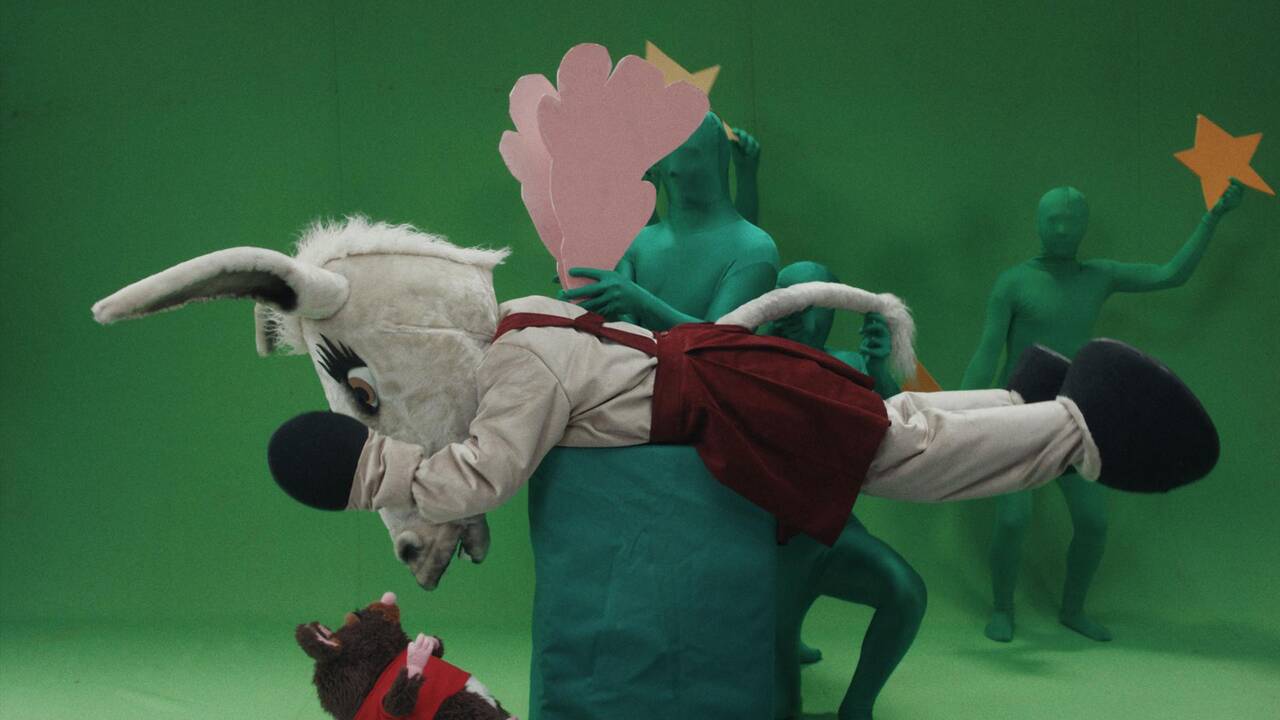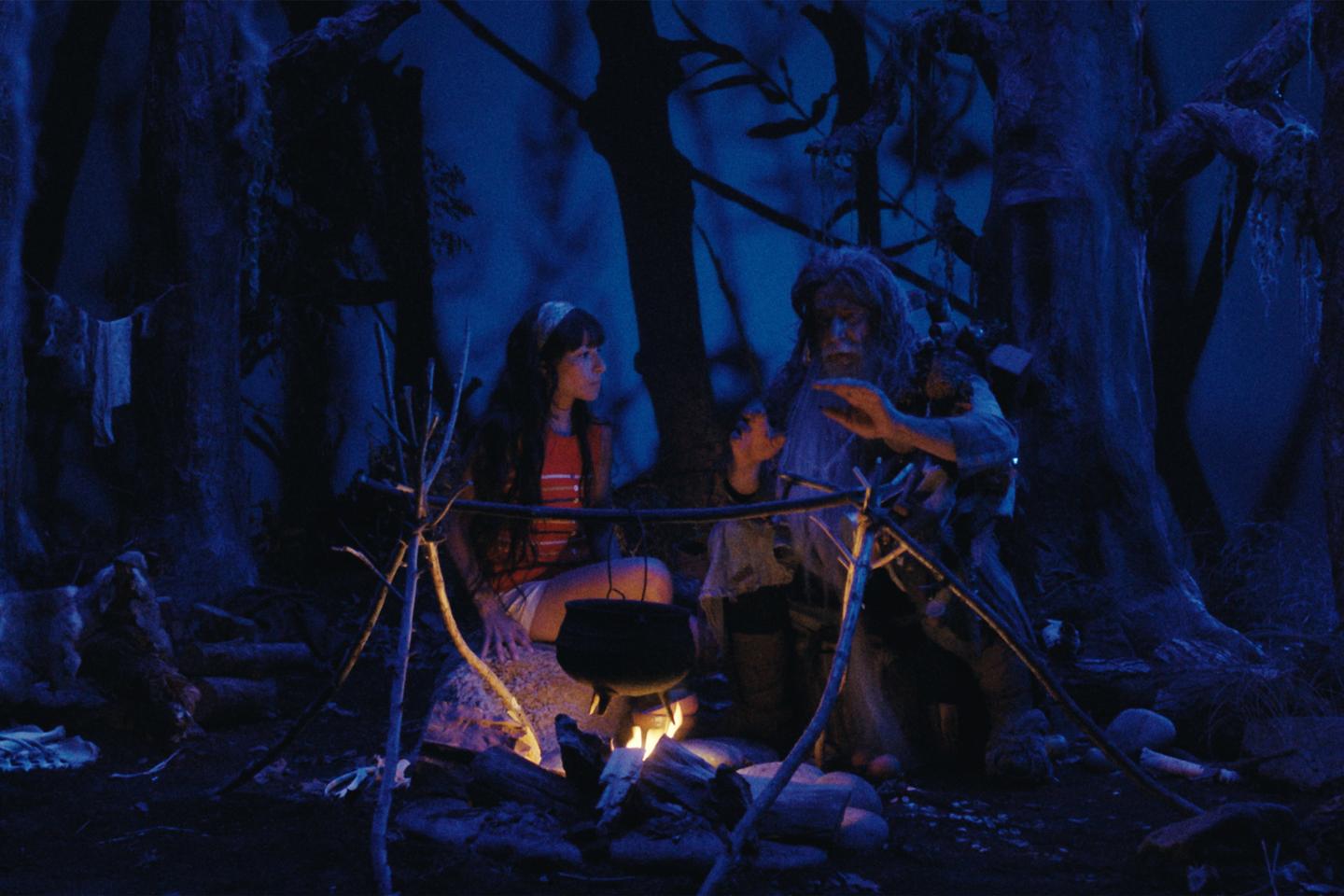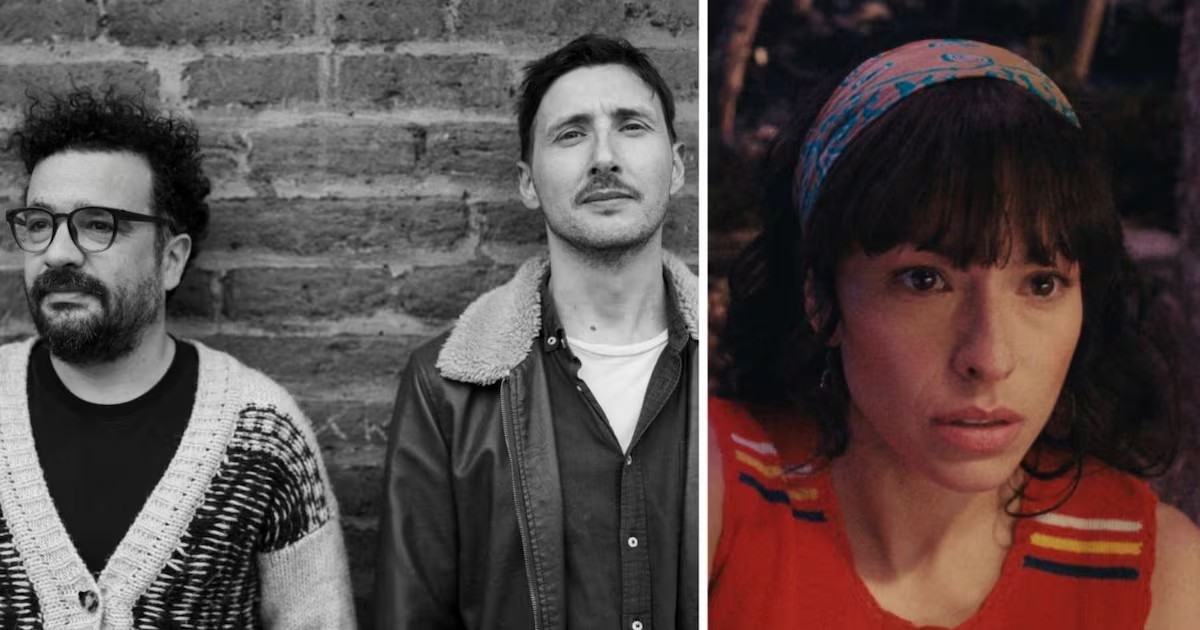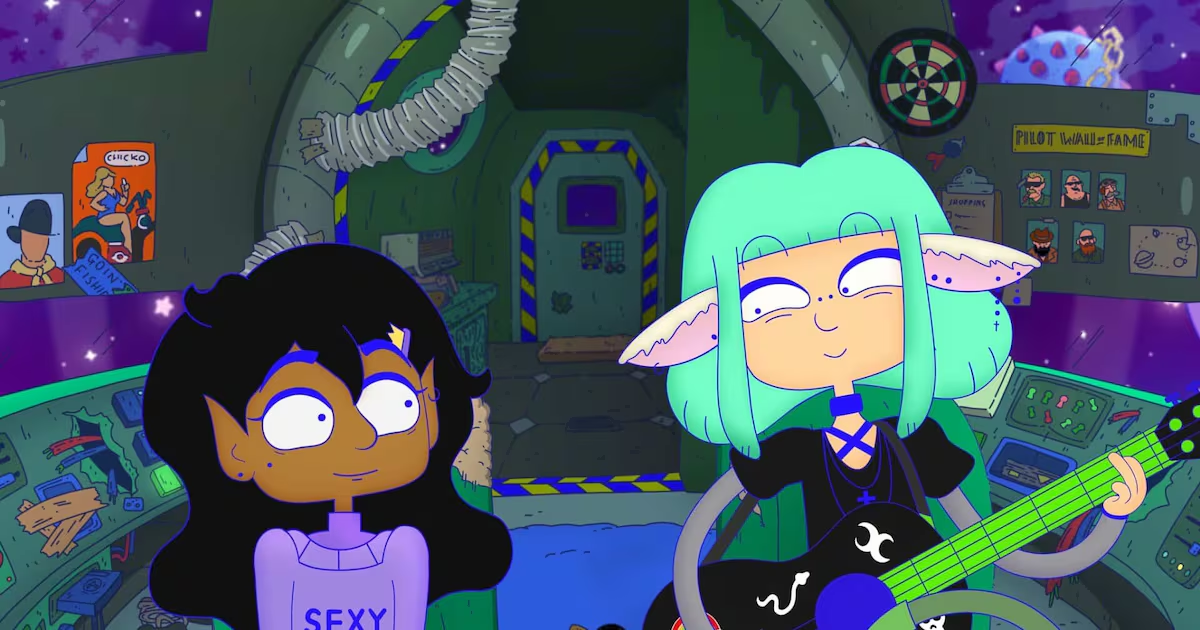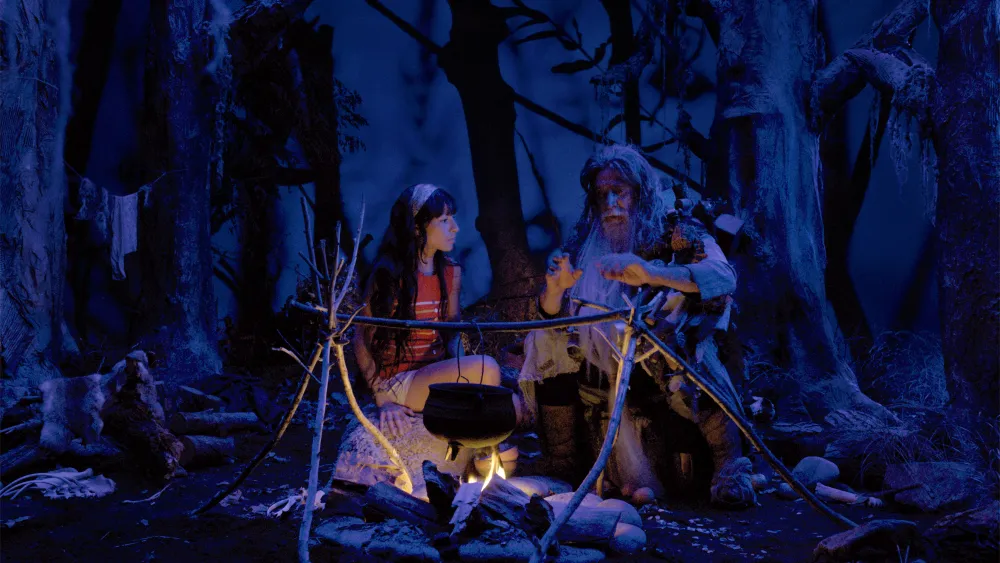
Chilean duo Cristobal León and Joaquín Cociña made a dream nightmare debut with “The Wolf House,” a stop-motion fantasy that turned heads both with its wholly original design — incorporating claymation, puppetry and papier-mâché to palpably handmade but immersively surreal effect — and its trajectory from a seemingly juvenile storybook premise to very grownup recesses of horror and trauma. Their 2024 follow-up “The Hyperboreans” captured fewer imaginations with its dense, narratively abstruse melange of history, psychology and political theory, but still dazzled with technique, adding live-action cinematography to the filmmakers’ varied visual quiltwork. In their beguiling third feature, “Donkey Princess,” León and Cociña split the difference between their first two, continuing their singular exploration of hybrid live-action cinema, but fruitfully returning to adult fairytale terrain.
Premiering in the international competition at Locarno, this is distinctive, aesthetically rich filmmaking that consolidates its helmers’ auteur status, and has the right balance of accessible and avant-garde components to ensure a life beyond the festival circuit — though the substance of its story lingers slightly less in the mind than its remarkable presentation. “Donkey Princess” doesn’t quite match “The Wolf House” for darkly enveloping atmosphere and gnawing emotional impact, but not much does; still, its portrayal of a mythic princess, whose tortured daddy issues follow her even after she’s spirited into the real world, builds to a climax both touching and disquieting.