(Image credit: Shutterstock)
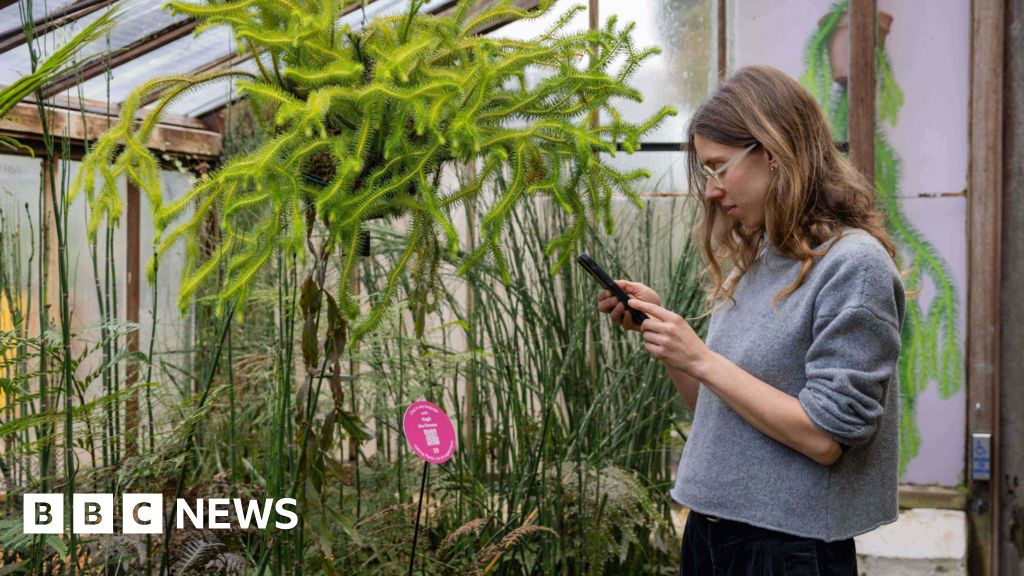
You’d think after several decades of gardening, few plants could catch me completely by surprise. Yet nature always finds a way to remind me how much there is left to discover.During a visit to Arundel Castle and Gardens in the U.K. this summer, I was completely captivated — first by the exquisite water garden, and then by a breathtaking bloom that left me spellbound, all quietly affirming why I do what I do.Despite searching high and low for a plant label to identify the mysterious bloom, it remained unnamed. In this situation, my trusted go-to move is to snap a quick photo on my phone and post it on social, hoping one of my gardening followers can help.But, as I am often surrounded by AI discussions at Tom’s Guide, I thought it was time to swap my social media shout-outs for a tech-driven answer.Follow me on my journey to see whether artificial intelligence can become a reliable gardening companion, or whether I need to fall back on a seasoned gardener’s eye. And true to my aptitude at saving money, I used free apps during my experiment.What happened when I used AI to identify a plant?
(Image credit: Future / Camilla Sharman)Although I work within digital publishing, I’m not as tech-savvy as some of my Tom’s Guide colleagues, who can navigate digital tools with their eyes shut. But, thankfully, if you can upload a photo to social media, you’re already fully qualified to use AI to identify plants.Before putting AI to work, you need a crisp, clear shot. Unlike a fellow gardener, a cluttered background will trip up an algorithm. It really won’t be happy if you ask it to identify a plant that’s included in a mixed border.Get instant access to breaking news, the hottest reviews, great deals and helpful tips.My tip is to frame a single flower in the center. Cutting out the clutter will give AI exactly what it needs for an accurate identification.