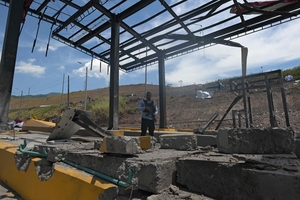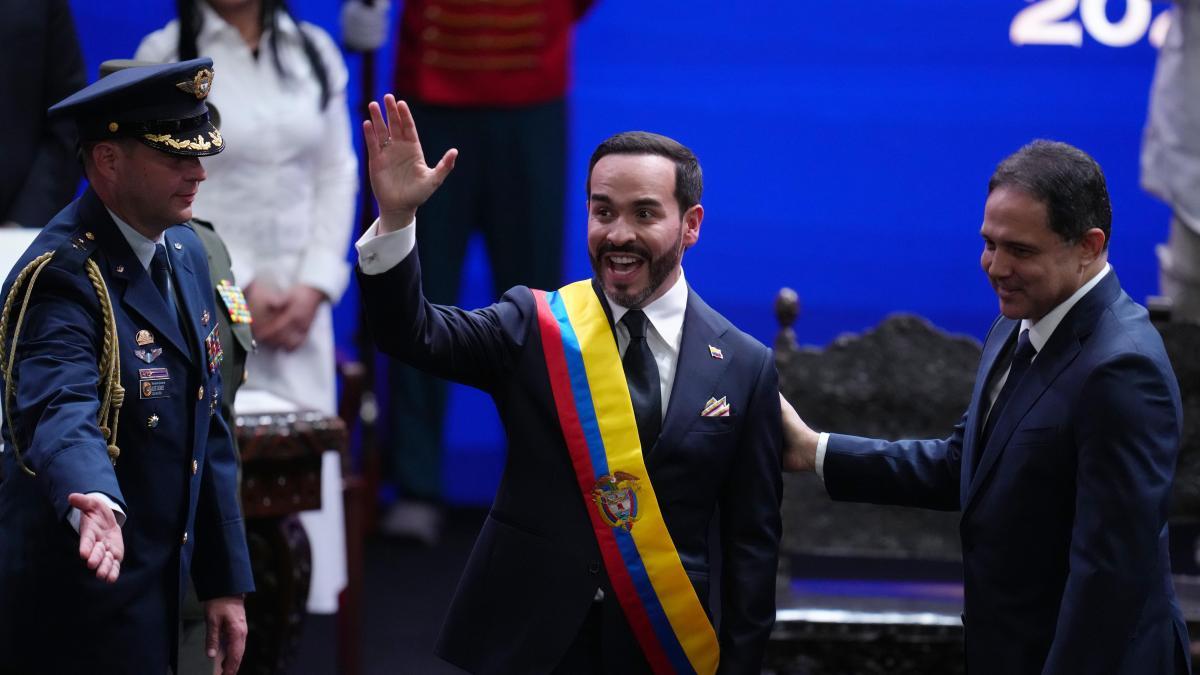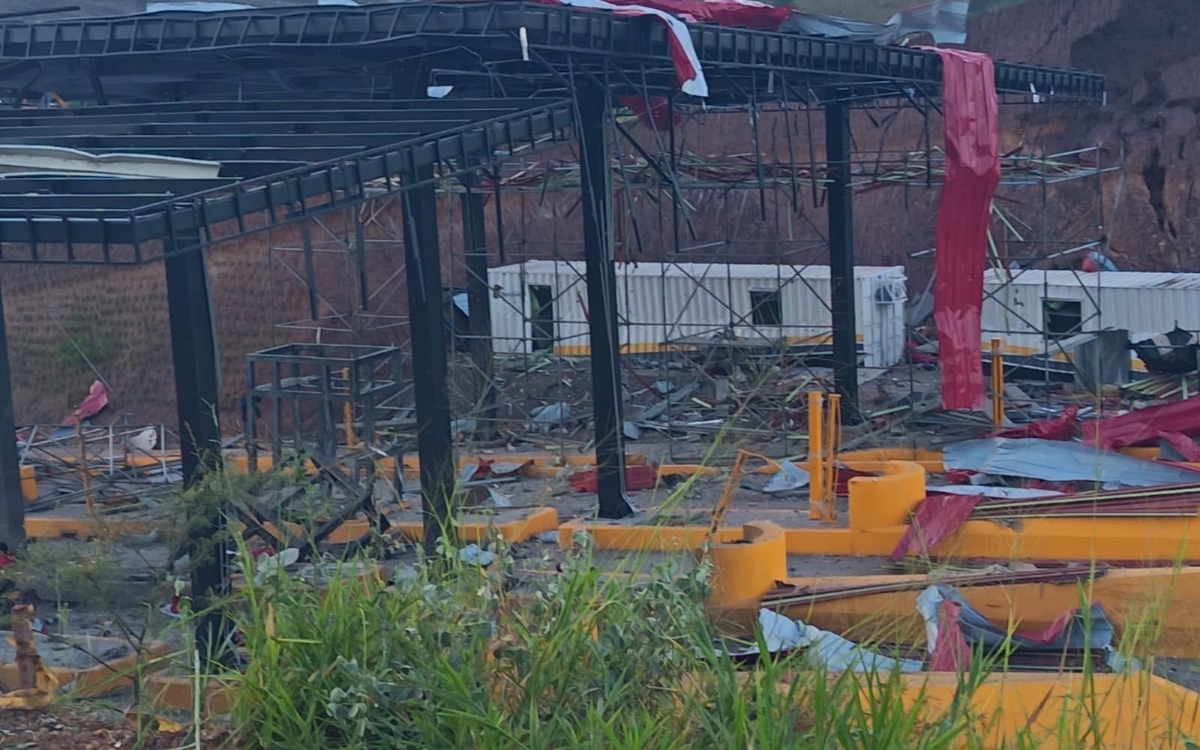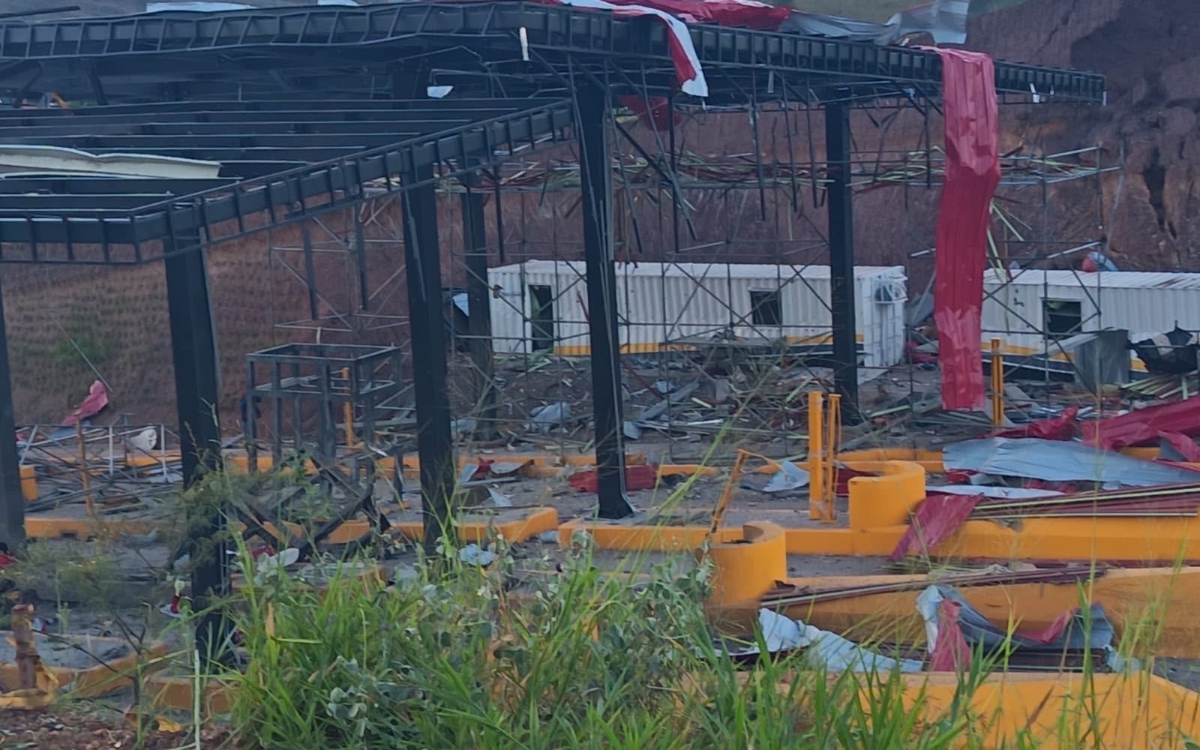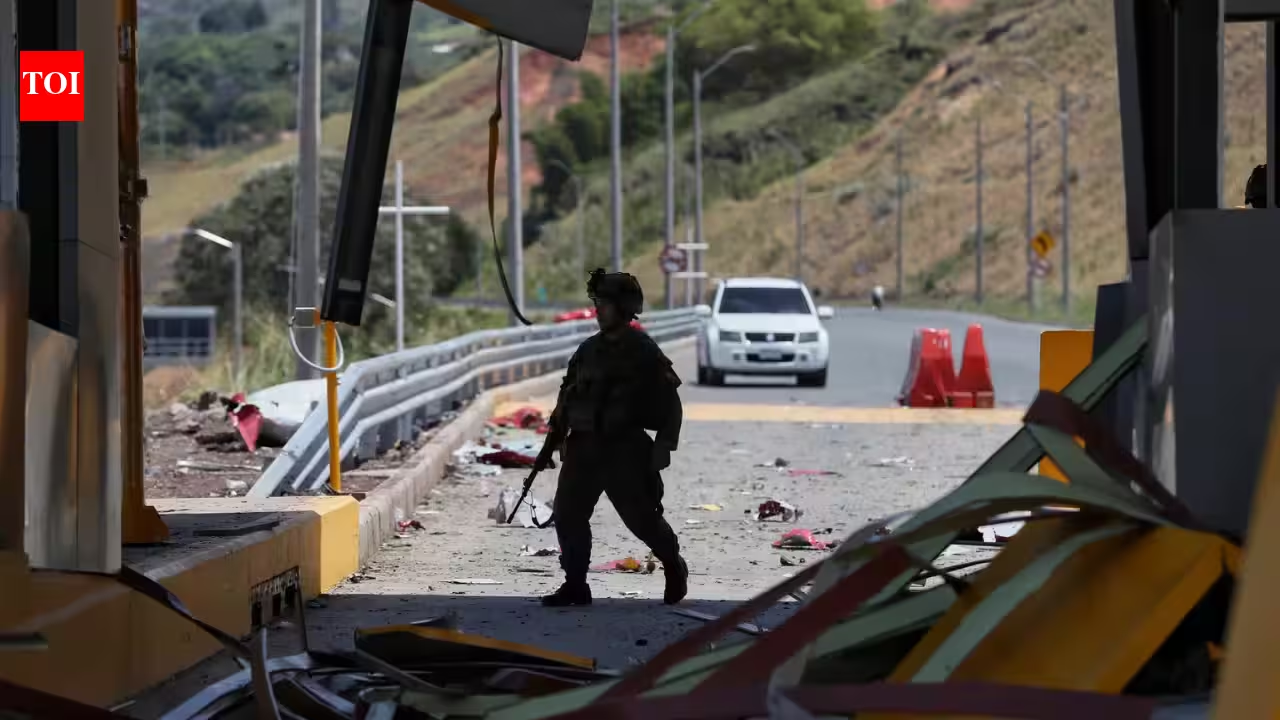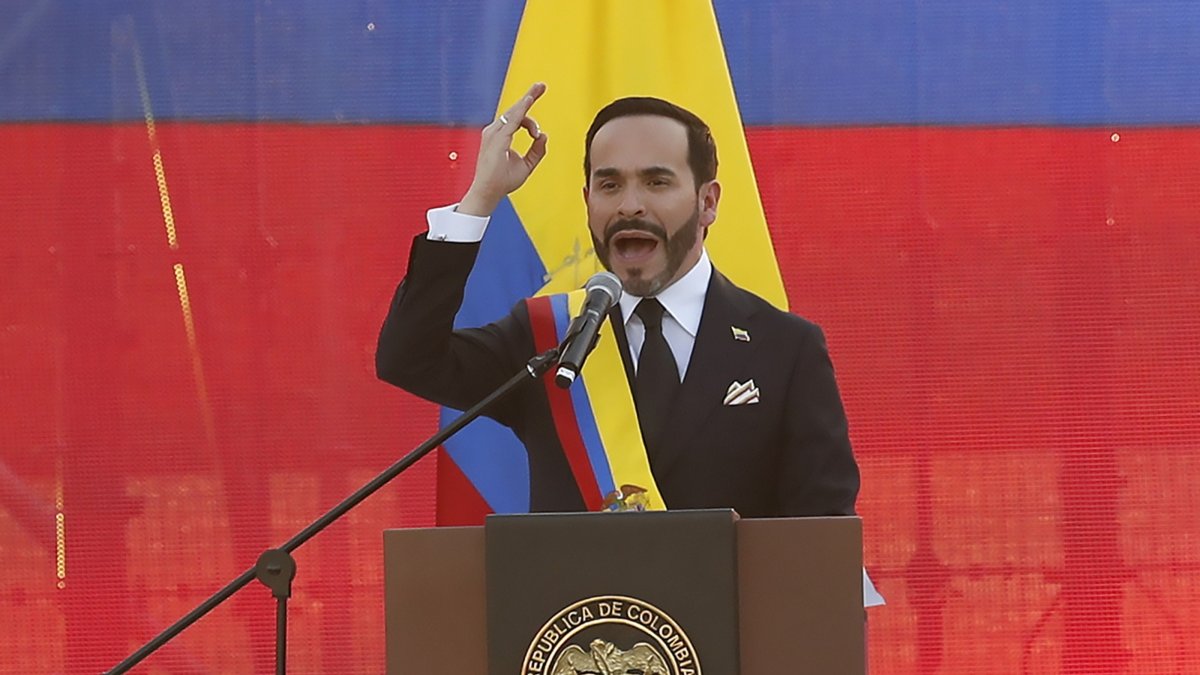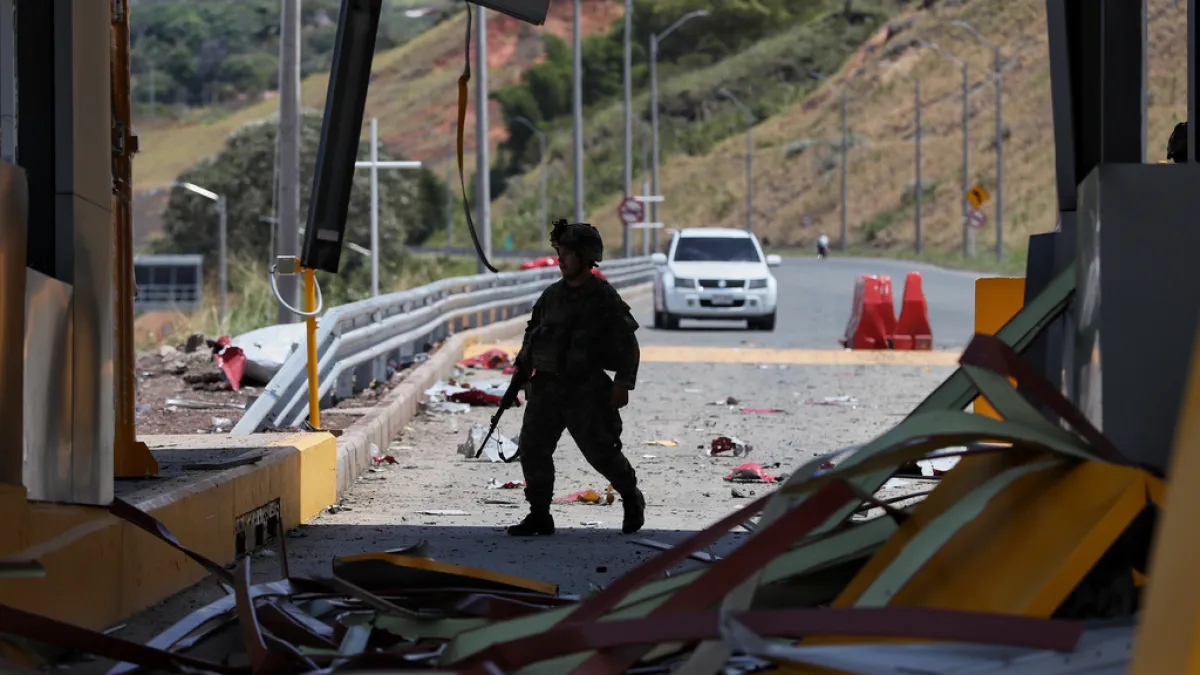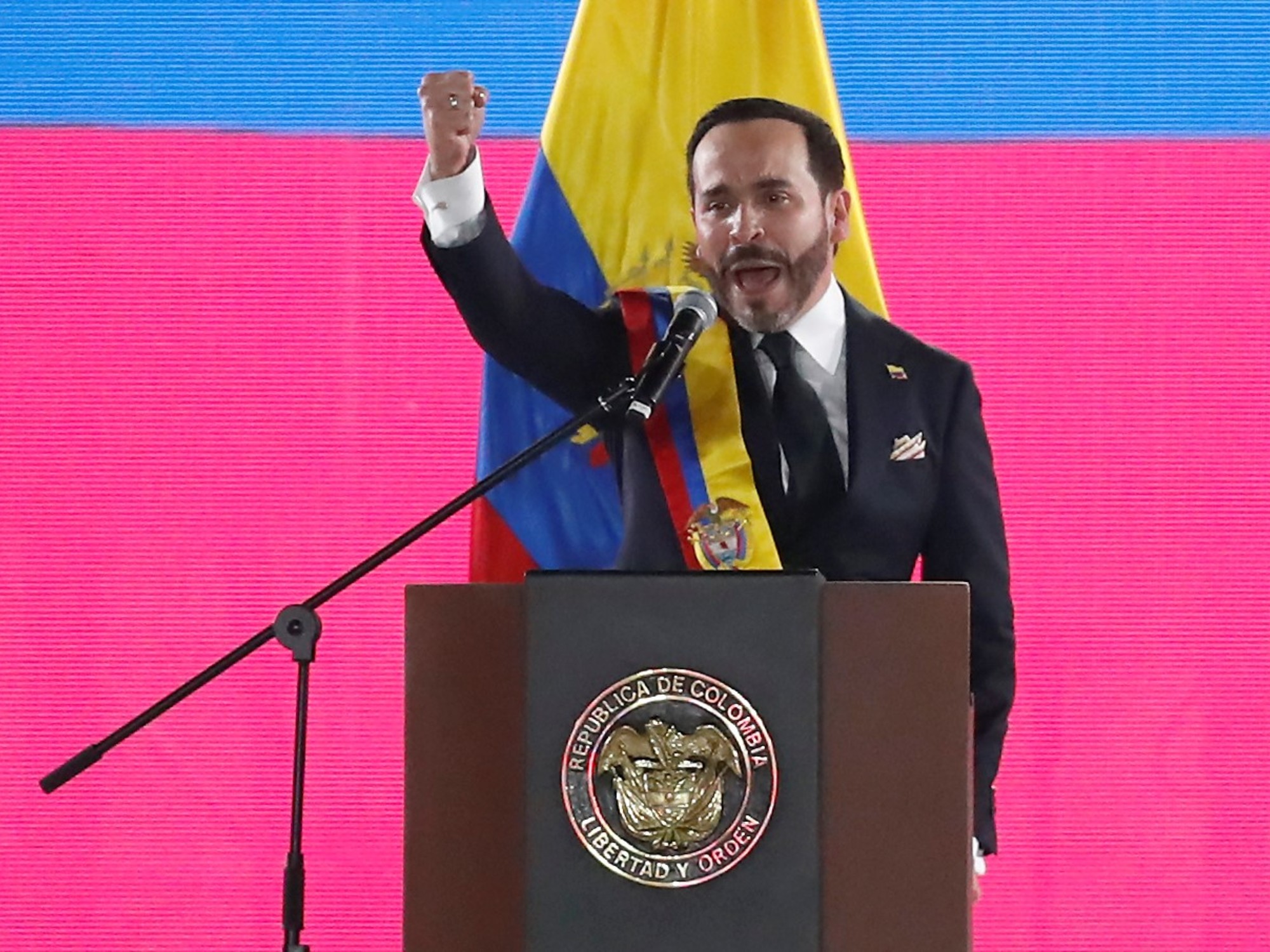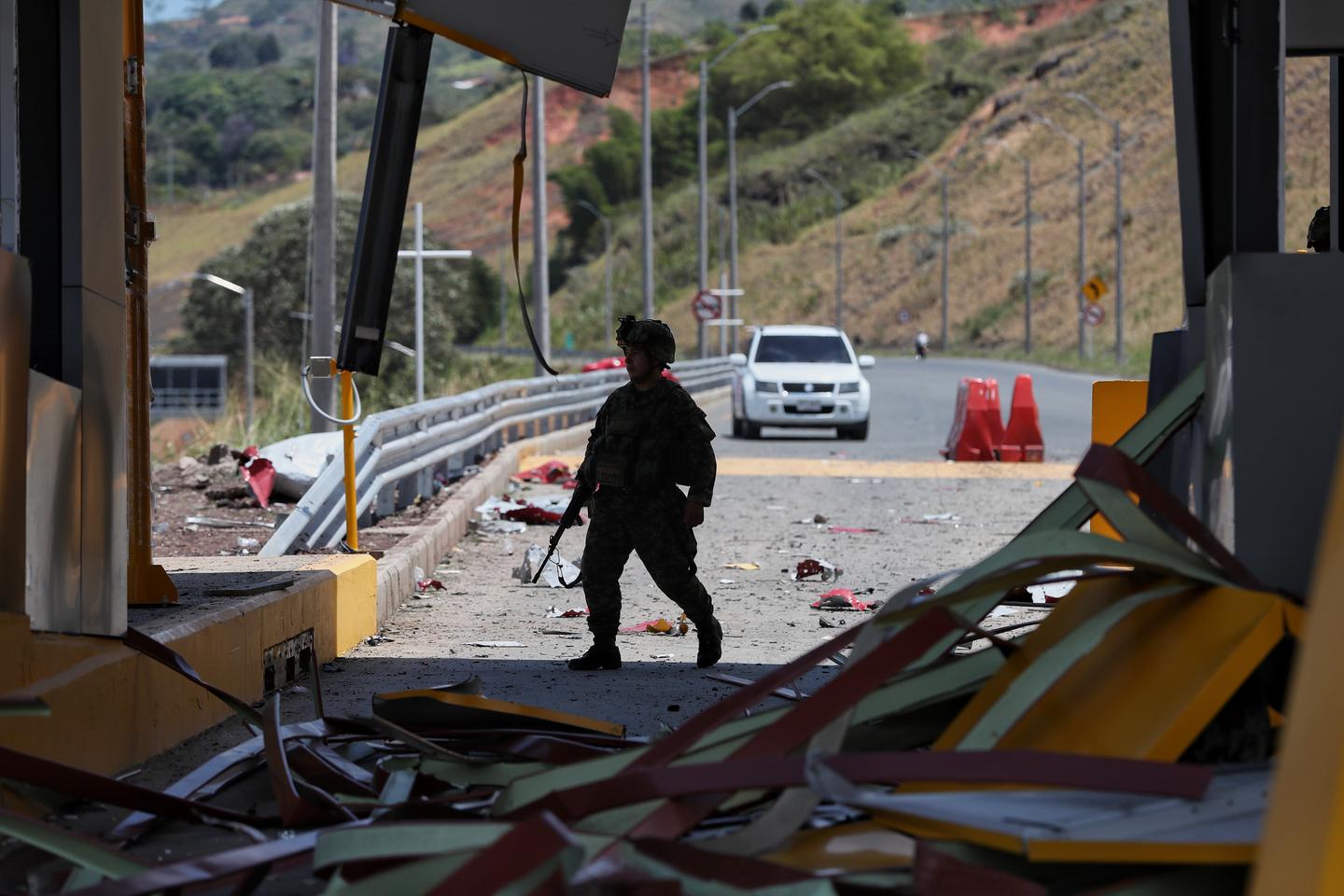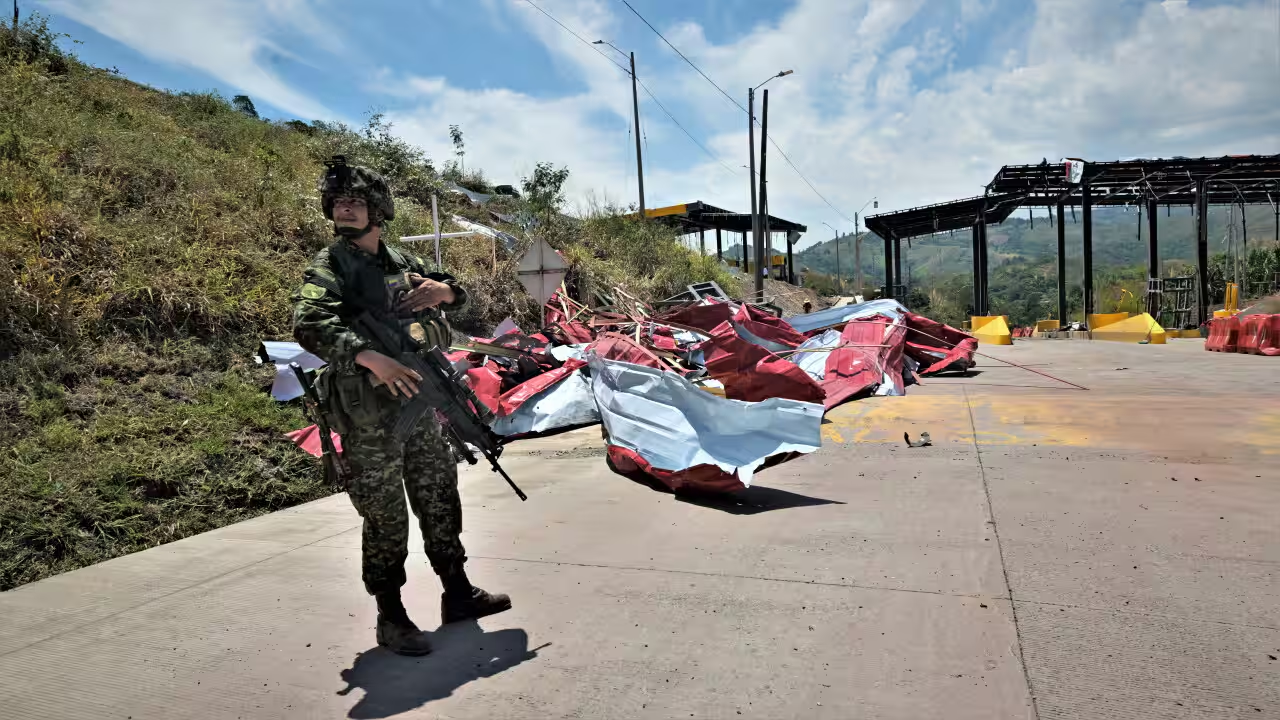
in briefDeadly bombing attacks targeted Colombia on the first day of new President De la Espriella's term.The hard-right leader responded by promising a relentless crackdown on the responsible rebel groups.Two bombing attacks in different parts of Colombia on Saturday marred the first day in office for new President Abelardo de la Espriella, leaving at least one police officer dead and several wounded.The tough-talking hard-right leader campaigned on confronting "narcoterrorism without truce" and ending peace talks with armed groups following his inauguration on Saturday in the southwestern city of Cali.Colombia's army said FARC guerrilla dissidents used explosives to destroy a highway tollbooth near Cali in the early hours of Saturday, with two security guards suffering minor injuries.Rebels under the command of Ivan Morodisco, Colombia's most wanted guerrilla commander, operate in the area surrounding the tollbooth, which was under construction on the Pan-American highway in the Santander de Quilichao municipality.Morodisco leads dissidents who broke away from the historic 2016 peace agreement between the FARC and Colombia's government.News that makes senseYour trusted source for staying up-to-date with the world around you. Get free daily news updates and analysis, straight to your inbox.De la Espriella condemned the bombing on social media, saying "attacking the country's infrastructure is attacking progress"."To those responsible, I send a clear message: there will be no refuge, no leniency and no impunity," he added.'Will not go unpunished'About 1,000 kilometers away, in the northern department of Cesar, an officer was killed in another bombing early Sunday when an explosive-equipped drone struck a police station, officials there said.Authorities there have not yet identified suspects, but De la Espriella vowed whoever is responsible "will not go unpunished."The confrontational style of the first-time political leader, who openly admires US President Donald Trump and El Salvador's hardline Nayib Bukele, now faces tough opposition from the guerrilla groups and drug traffickers operating in Colombia.De la Espriella has promised to open mega-prisons like Bukele and to intensify bombing raids against guerrilla groups and drug traffickers operating in Colombia, with support from the United States and Israel.Colombia's new President Abelardo de la Espriella promised to unleash the "full force" of the state on criminals and fight coca plant cultivation with herbicides. Source: AFP / Jaime SaldarriagaHis inauguration comes during the worst wave of violence the country has experienced in the last decade.A decade after landmark peace accords, pockets of Colombia are still ruled by dissident armed groups that dominate global cocaine production.Roberto Sandoval, a firefighter who lives in the neighborhood next to the tollbooth, told the Agence France-Presse news agency that tensions were high following the bombing."We are all on edge, very tense and nervous," he said.Elsewhere in the neighborhood, the blast shattered windows and left glass strewn on the bed of Sonia Zapata, a 68-year-old housewife.She said she feels "very nervous, very afraid".US security assistanceThe US State Department announced on Saturday that Trump plans to provide US $1 billion ($1.4B) in security assistance to De la Espriella's government.The department described the security aid as a "cornerstone of this renewed partnership" that would help Colombia in "achieving our shared goals".Trump endorsed De la Espriella during the elections and has now welcomed Colombia into the "Shield of the Americas," a Trump-created military alliance of right-wing leaders pledging to fight drug trafficking.The alliance is a key part of Trump's strategy to increase US presence and influence in Latin America.In January, Trump ordered the seizure of Venezuelan leader Nicolas Maduro in a deadly raid while the administration spent months carrying out strikes on boats in the Caribbean and Pacific that have killed dozens.Rights advocates, both in the US and around the world, say such actions are illegal, imperial and amount to extrajudicial killings, but the US administration has defended them as necessary to counter drug trafficking and illegal immigration.For the latest from SBS News, download our app and subscribe to our newsletter.
First day in office: Colombia's new president faces deadly bombings
Two bombings marred President Abelardo De la Espriella's first day in office, prompting vows of a relentless anti-terror crackdown.
641 words~3 min read