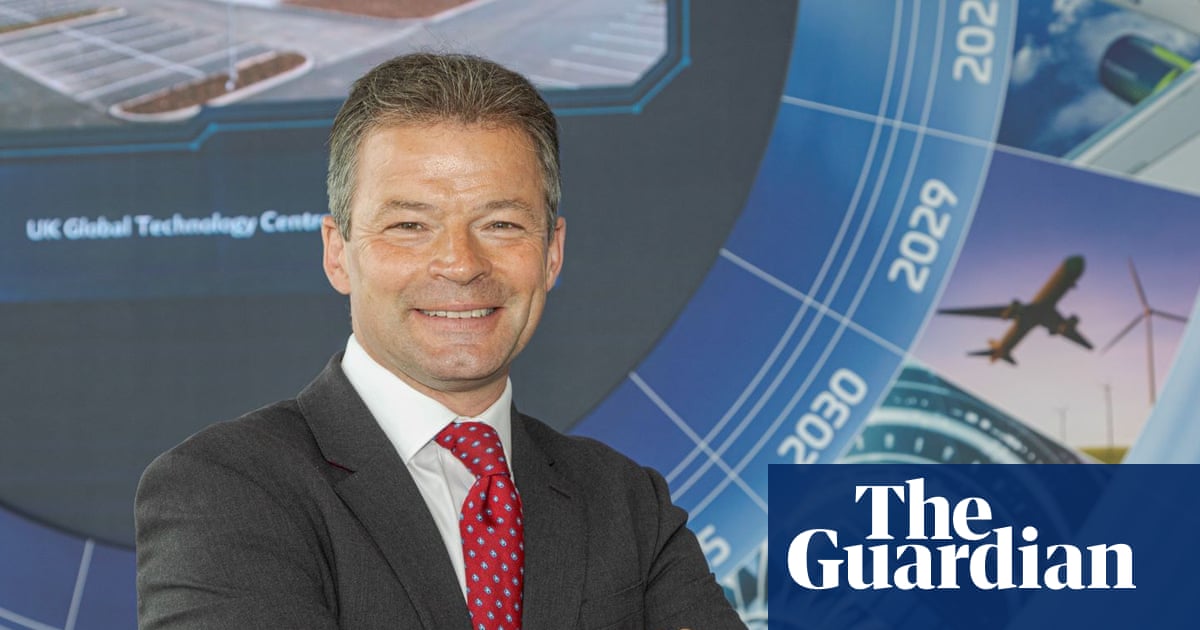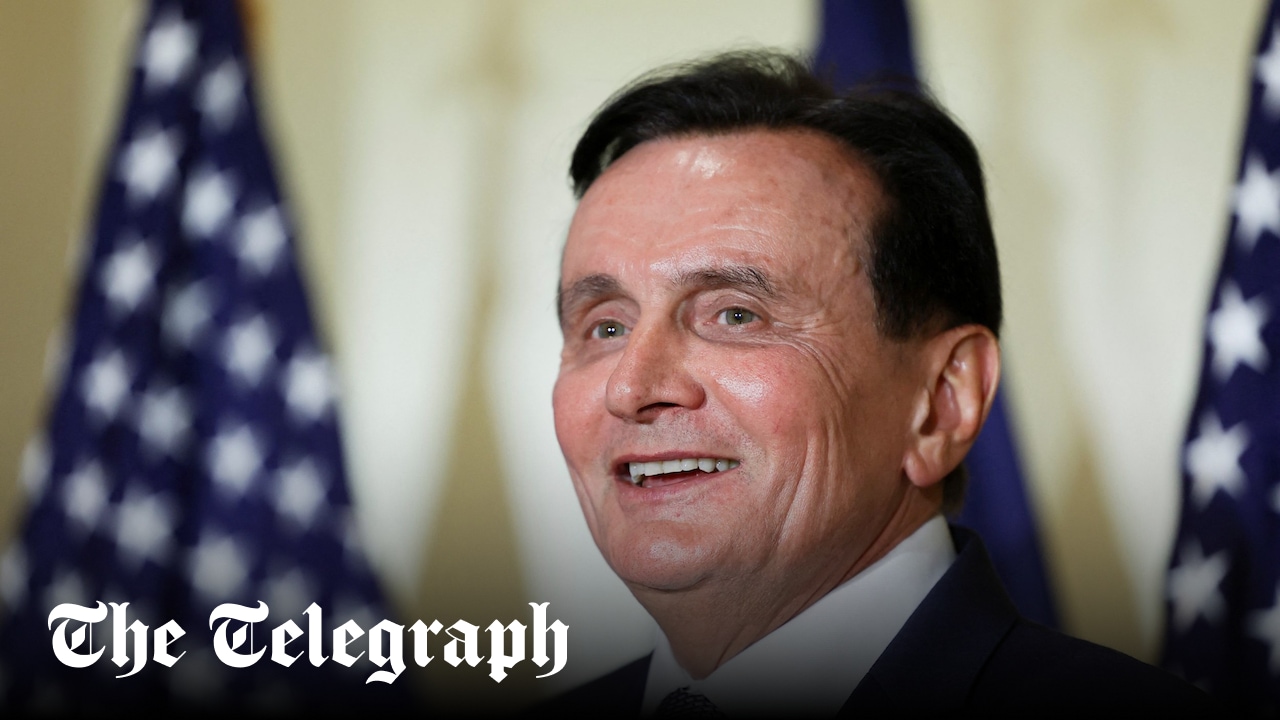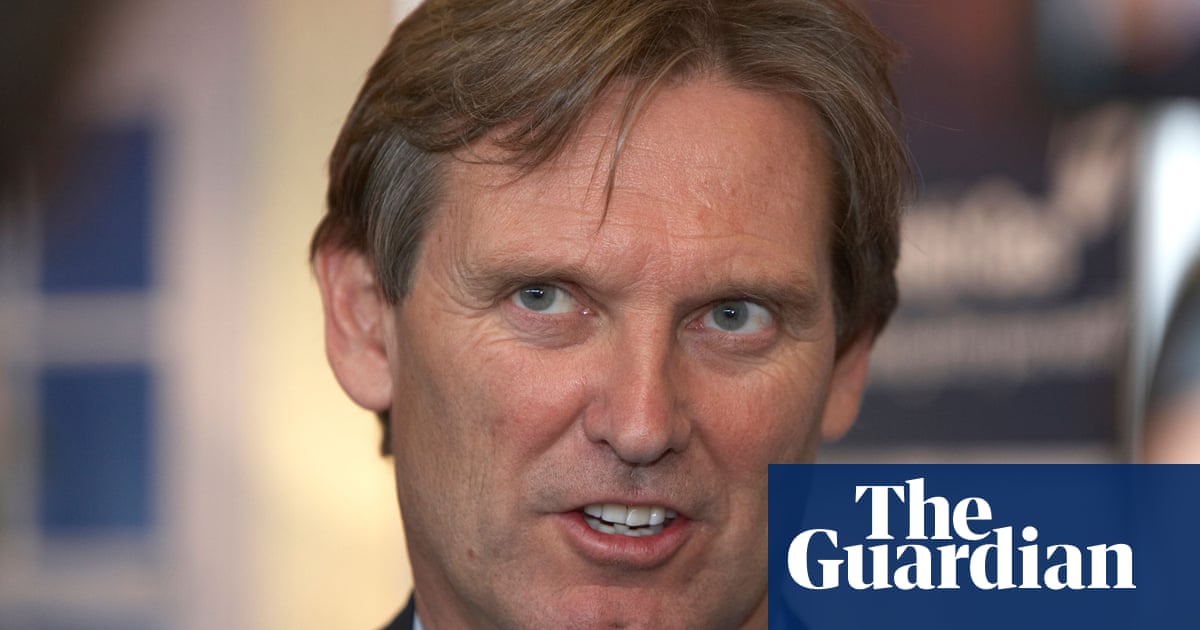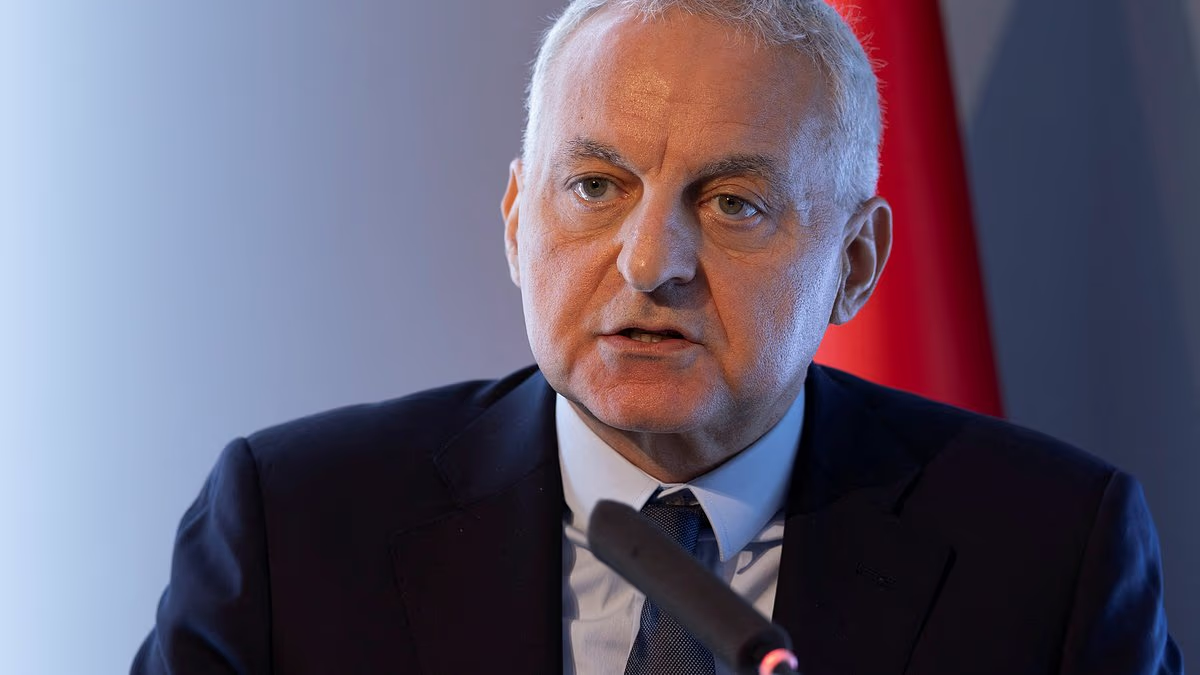
The bosses of Britain’s largest listed companies are being handed US-style pay packages of up to £28million a year, a survey by The Financial Mail on Sunday has found.It comes as leading firms look to boost how much their chief executives can earn as they compete in what they say is an increasingly international market for top talent.Boardroom pay has risen steadily since the pandemic, while real wage growth more broadly has flatlined.A typical FTSE 100 boss earned just over £5million last year with the highest-paid – Pascal Soriot at drugs giant AstraZeneca – landing £17.7million.But the ceiling on how much executives can scoop is rising fast as bonuses, which form the bulk of boardroom pay packets, are increasingly paid in shares, and stock markets are buoyant.An analysis of all the latest FTSE 100 accounts found three companies where potential pay awards for chief executives could top £20million this year if targets are met and where their share price has risen by 50 per cent over three years. Nice little earner: AstraZeneca boss Pascal Soriot, pictured, has catapulted his firm to number two in the FTSE 100 and could pick up £17.7millionThe biggest winner could be Shell boss Wael Sawan, whose £13.8million pay will double if he hits his performance goals.The oil giant recently reported bumper half-year profits fuelled by higher energy prices since the US-Iran war erupted.Also in line for a big payday is Tufan Erginbilgic, who has piloted a remarkable turnaround at engineer Rolls-Royce. He made £4.4million last year but that could soar to £24.4million in a best-case scenario.Unilever’s new boss Fernando Fernandez is also in line to join the £20million club if he delivers on all his targets at the consumer goods group.All three companies saw their new pay plans approved recently by shareholders, who are taking a more sanguine view on what has been a contentious issue.Shell boss Wael Sawan, left, may see his £13.8million pay double if he hits his performance goals, while Tufan Erginbilgic at Rolls-Royce, right, could be in line for £24.4millionWhile UK-based firms are closing the pay gap with their US peers, a typical FTSE 100 boss still earns less than half the £12.2million paid on average last year to the boss of an S&P 500 firm, according to pay advisory firm ISS Corporate.Experts say one reason the pay gap exists at all is because, unlike the UK, US bosses often combine the roles of chief executive and chair, meaning they have more power and responsibility.Another reason cited is some US companies are better run than their UK rivals, with higher profit margins and therefore higher stock market valuations.Shareholders seem willing to tolerate sky-high pay packages if they are matched by strong performance. Bernadette Young, head of corporate advisory firm Indigo Governance, said: ‘The key issue for boards comes down to justifying and explaining their decisions effectively.‘For example, how is remuneration linked to achievement of stretching long-term performance targets, and how does that support the interests of shareholders and wider stakeholders, including employees. If companies can get that right, it can accelerate growth and benefit the economy as a whole.’More firms are set to lift the cap on top earners when their pay plans are renewed. They include AstraZeneca, which is talking to its shareholders about a new pay policy for Soriot that will be voted on at next year’s annual meeting.Despite being the FTSE 100’s highest paid boss, Soriot’s pay is still below the average of his global pharmaceutical peers.‘We aspire to close this gap over time,’ Sheri McCoy, who chairs AstraZeneca’s pay committee, wrote in the latest annual report.Shell benchmarks its chief executive’s pay against a wider cohort than AstraZeneca, ranking them by stock market value, annual revenues and assets.The company said that since Sawan took over at the start of 2023, Shell has delivered strong financial and operational performance, outperforming its peers.Rolls-Royce said its new pay arrangements were ‘a strategic priority to enable continued business outperformance’.Unilever said that it needed ‘the right remuneration tools to continue to attract the best people across all regions, with differentiated reward for high performance’.Additional research by Anne Ashworth
The best paid FTSE 100 bosses revealed as top pay smashes through £20M
Boardroom pay has risen steadily since the pandemic, while real wage growth more broadly has flatlined.
687 words~3 min read