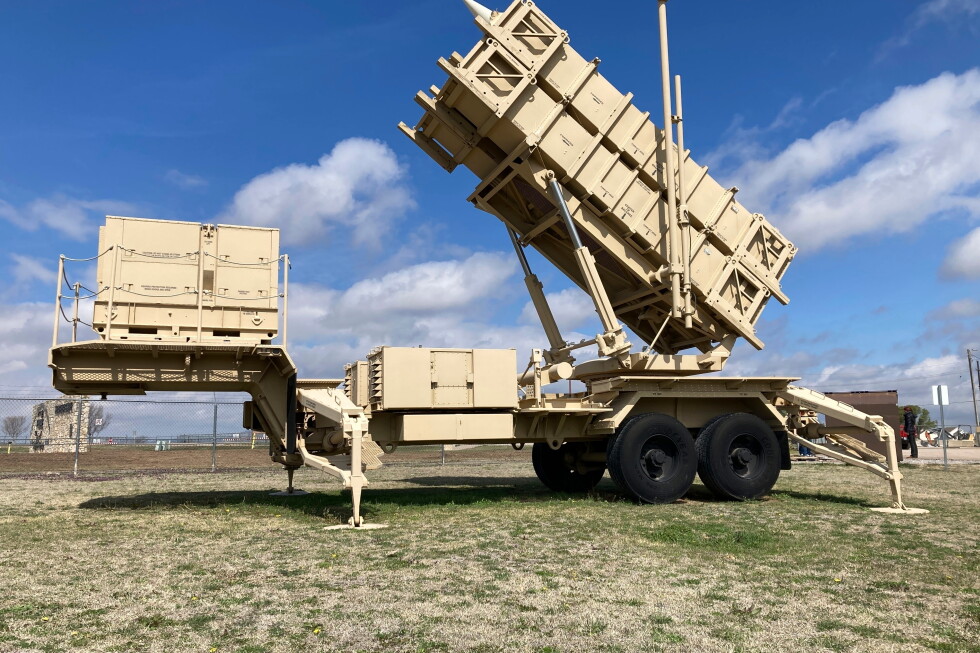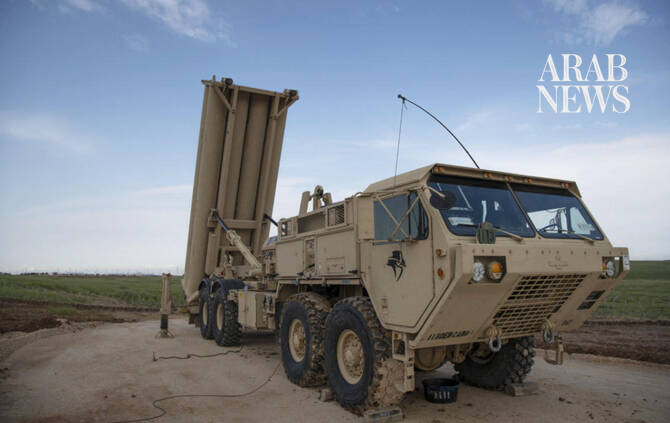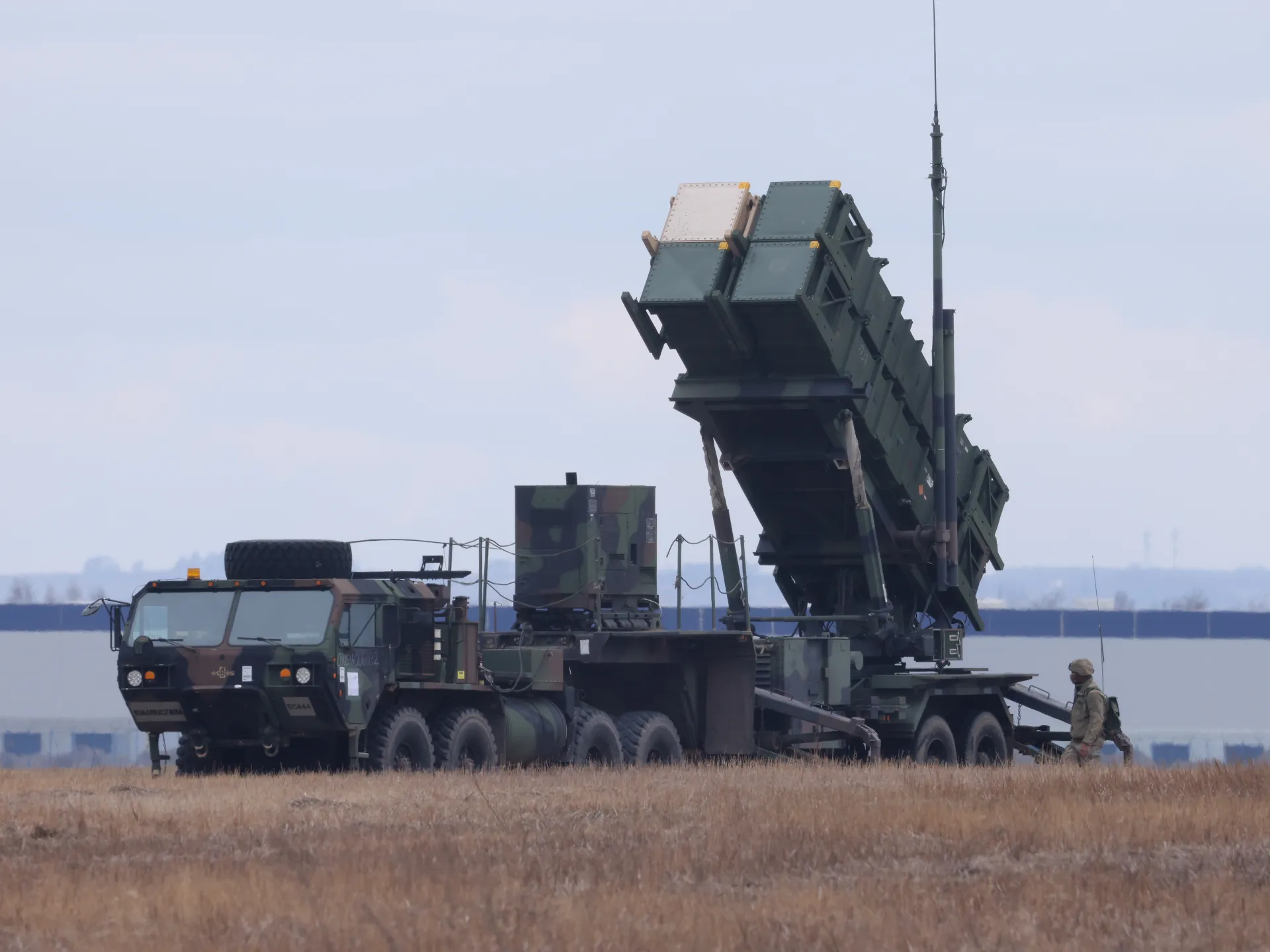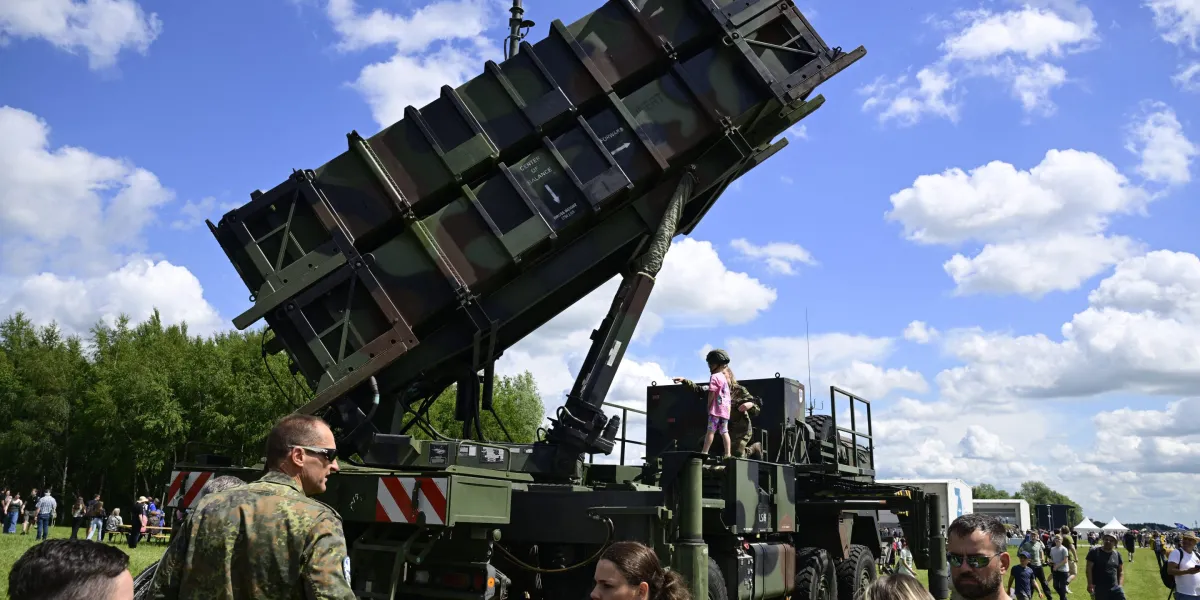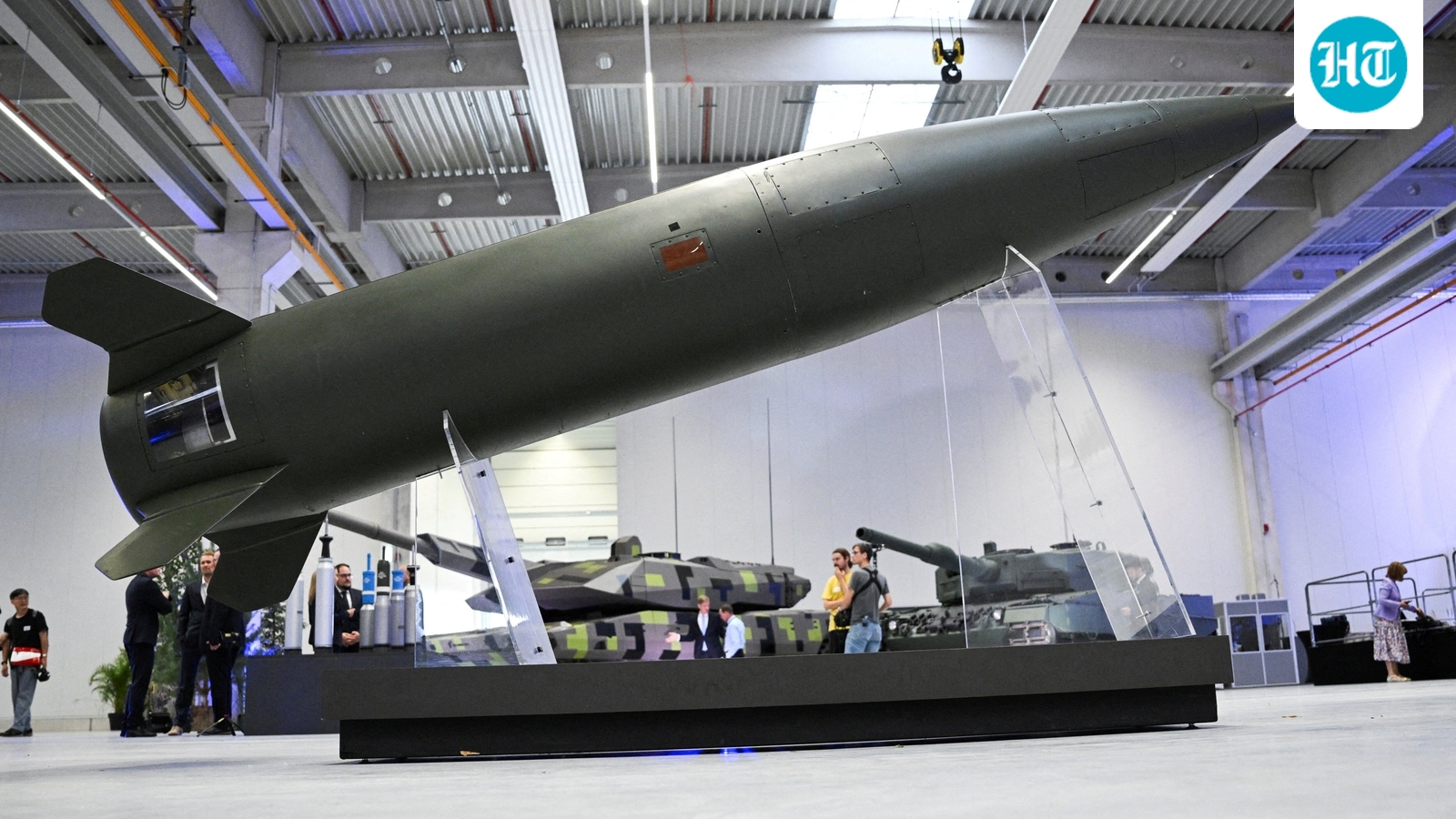
The Pentagon has given US defense companies just 21 days to submit plans for significantly faster weapons production, as concerns grow over depleted American munitions stocks following months of fighting with Iran.Representational image showing a missile. (REUTERS)Deputy Defense Secretary Steve Feinberg issued the directive to industry leaders on Wednesday, according to a memo obtained by The Washington Post. The memo calls for companies to propose ways to accelerate deliveries and increase production of critical military systems.“Years-long development cycles are not acceptable,” Feinberg wrote, according to The Washington Post. He called for a sharp expansion of production capacity and faster program schedules.Pentagon spokesman Sean Parnell confirmed Saturday that the memo was genuine, saying the department had spent the past week working to accelerate weapons procurement.Also read: US govt responds to Colorado UFO report: What happened and what we know about the alleged classified videosPentagon says depleted stocks need to be rebuiltThe push comes after the US used significant quantities of advanced missile interceptors during its five-month conflict with Iran, leaving inventories lower than they were before the fighting began.A recent analysis by the Center for Strategic and International Studies as quoted by The Washington Post, found that the number of US Patriot interceptors had fallen sharply during the conflict.The think tank estimated that the US had about 2,330 Patriot interceptors before the war. That number fell to roughly 1,030 by the April ceasefire and, following subsequent fighting, was estimated to have dropped to between 759 and 827.That represents a decline of at least 65% from pre-war levels, according to the CSIS analysis.The stockpile of Terminal High Altitude Area Defense, or THAAD, interceptors has also fallen. CSIS estimated that the US had 452 THAAD interceptors before the war, compared with between 232 and 262 at the start of the April ceasefire.Some replenishment followed, taking the estimated inventory to between 234 and 278, but the stockpile remains at least 38% below its pre-war level.The lower inventories could create difficult choices for US forces and allies if fighting resumes. CSIS said American forces may have to conserve air-defense missiles by engaging fewer incoming Iranian drones and missiles, potentially increasing the risk of successful attacks.Also read: Declassified UFO files reveal US probe into 1963 Brazil ‘dead spaceman’ crash claim that quickly fell apartPentagon says effort predates Iran conflictThe Pentagon has sought to play down the idea that the production push is solely a response to the war with Iran.Parnell said the department's effort to increase munitions acquisition was part of a broader modernization program that began before the five-month-old conflict. He said the latest measures were aimed at providing US warfighters with weapons “at the pace the threat demands.”The memo obtained by The Washington Post is expected to feed into the Pentagon's fiscal year 2028 budget request, which will require congressional funding.The administration is also seeking a major increase in defense spending. A broader defense spending bill remains stalled in Congress, with lawmakers pushing back against President Donald Trump's request to raise Pentagon spending to about $1.5 trillion from roughly $900 billion last year.Trump rejects reports of a weapons shortageThe production push comes as Trump has publicly disputed reports that the United States is facing a serious shortage of munitions.In a post on Truth Social on Thursday, Trump said the US had “massive amounts” of weapons and argued that large quantities were already being manufactured and shipped to the country as needed.The Pentagon, meanwhile, has acknowledged the need to rebuild its stockpiles.Parnell said Feinberg's directive to industry was “entirely consistent” with the administration's effort to rebuild the US defense industrial base.The 21-day deadline puts pressure on defense contractors to provide concrete proposals for increasing output and shortening delivery timelines, as the Pentagon weighs how quickly the US can replenish weapons consumed during the conflict and prepare for future threats.
Iran war depleting US weapons stocks? Pentagon urges accelerated production; all you need to know
The Pentagon's push for accelerated weapons production aligns with a broader modernization initiative and upcoming fiscal year 2028 budget request.
634 words~3 min read