Originally published by InvisibleHill Research. This cross-post preserves the original research cut-off and source list.
Research cut-off: August 9, 2026. Market prices, ETF flows, product availability, and indicator readings can change after publication.
Bitcoin reached a record above $126,000 in October 2025, about 18 months after the April 2024 halving. By August 8, 2026, its daily close was near $64,963, roughly 48 percent below that peak. The calendar looks familiar: a halving, a new high the following year, then a large drawdown.
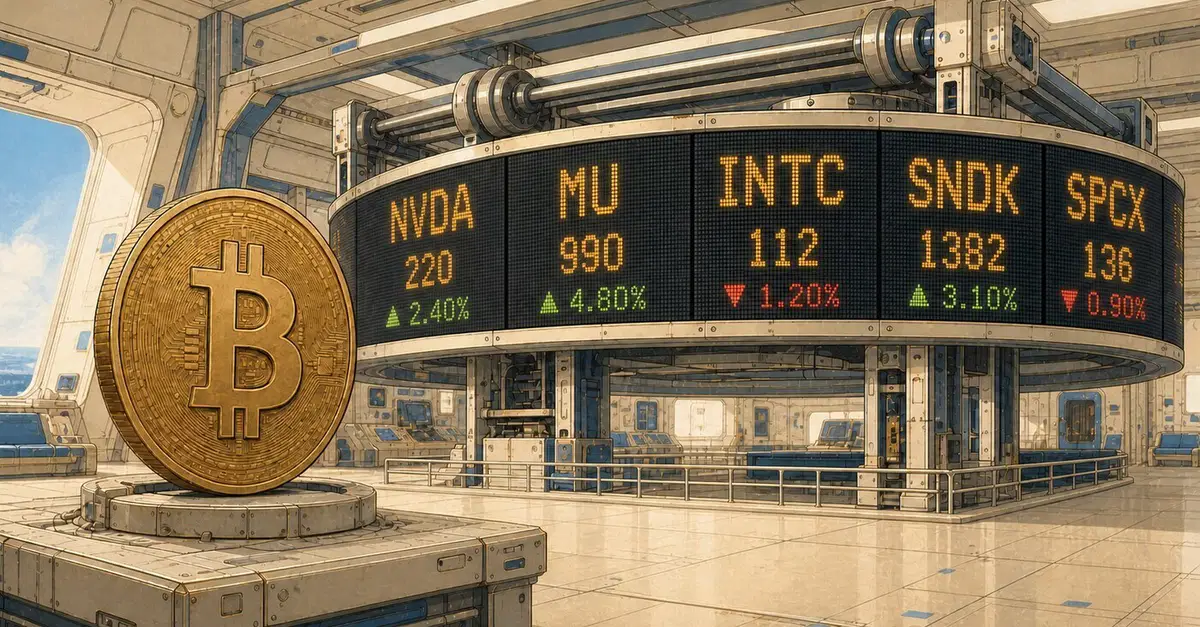
The route was different. Bitcoin first broke its 2021 record before the 2024 halving, helped by U.S. spot exchange-traded products. ETF and corporate treasury demand later absorbed far more Bitcoin than miners created. When those flows weakened, the same regulated channel transmitted redemptions back into the spot market. AI stocks offered a profitable, liquid alternative, while crypto exchanges began letting stablecoin holders buy tokenized U.S. equities without returning to a bank or broker.
The four-year cycle therefore still exists, but it no longer explains the market on its own. The halving remains a supply event and a coordination point for investor behavior. Marginal demand now comes through vehicles that can move faster than miner supply, in both directions. That makes a permanent supercycle less likely than a different kind of cycle: more institutional, more correlated with equities, and less generous to altcoins.