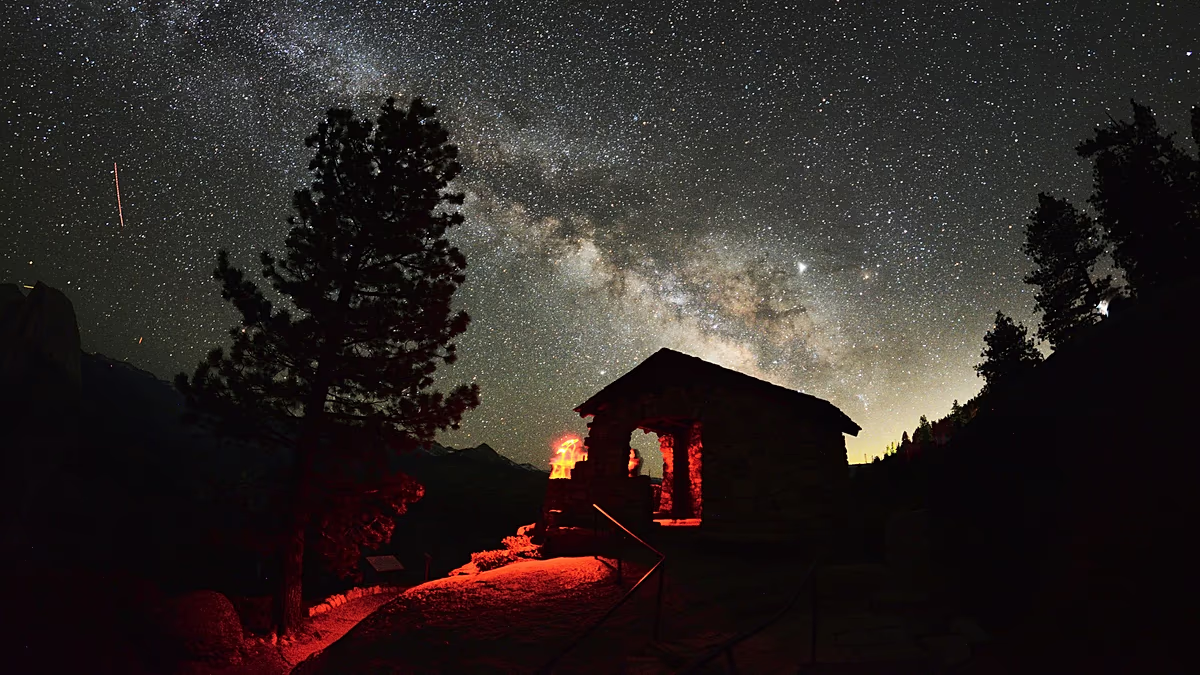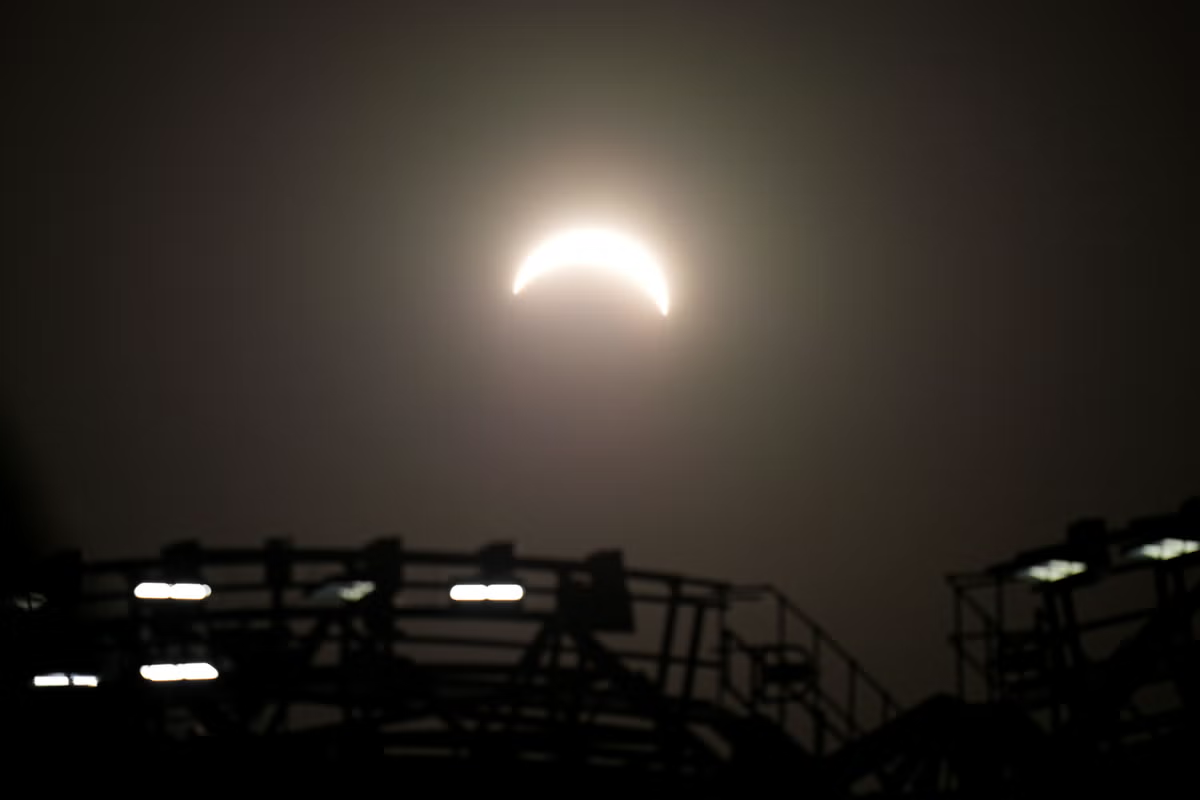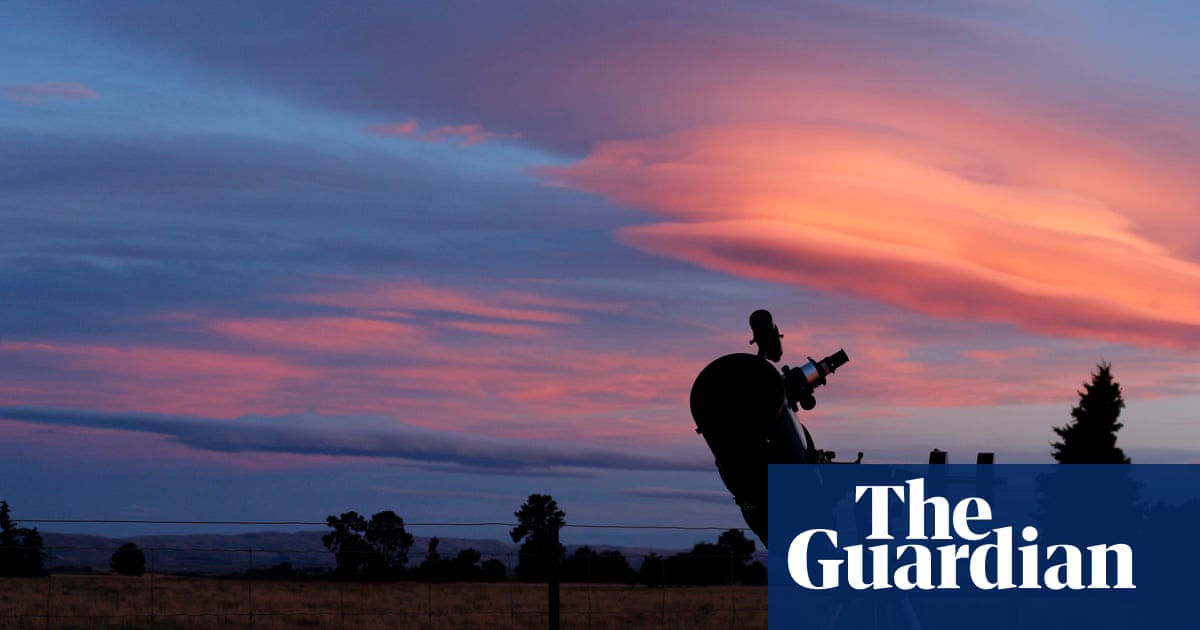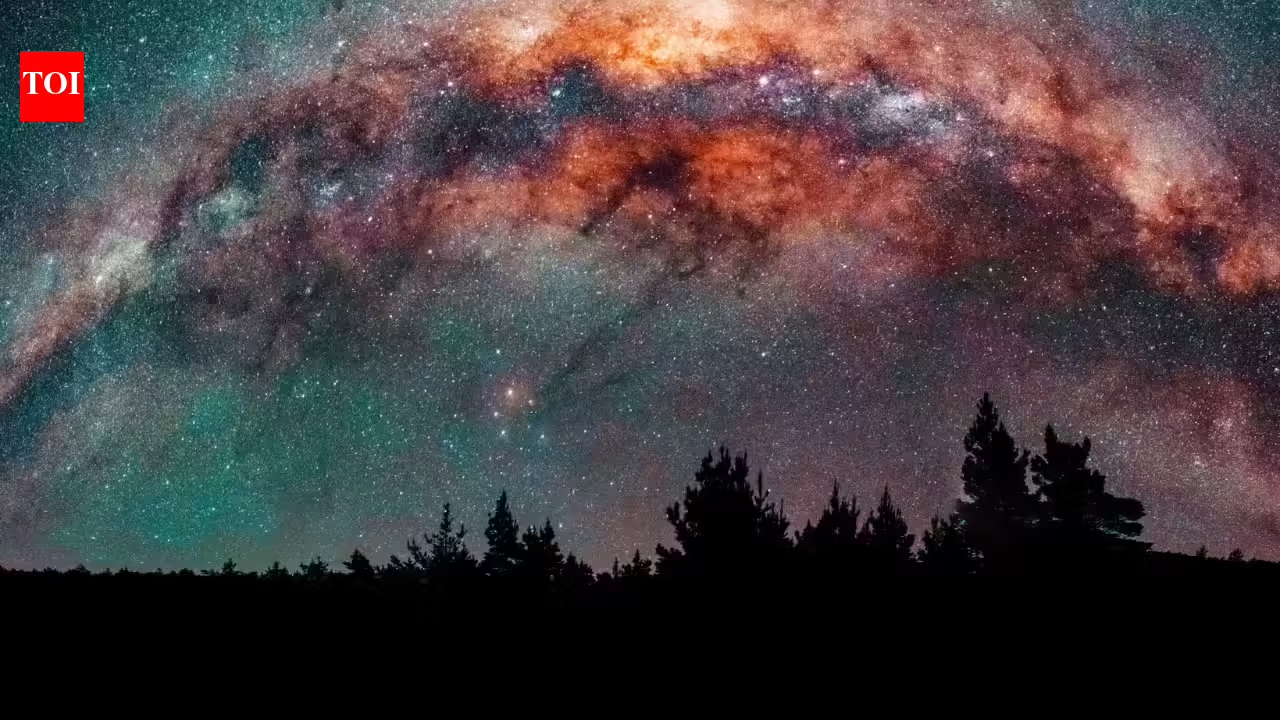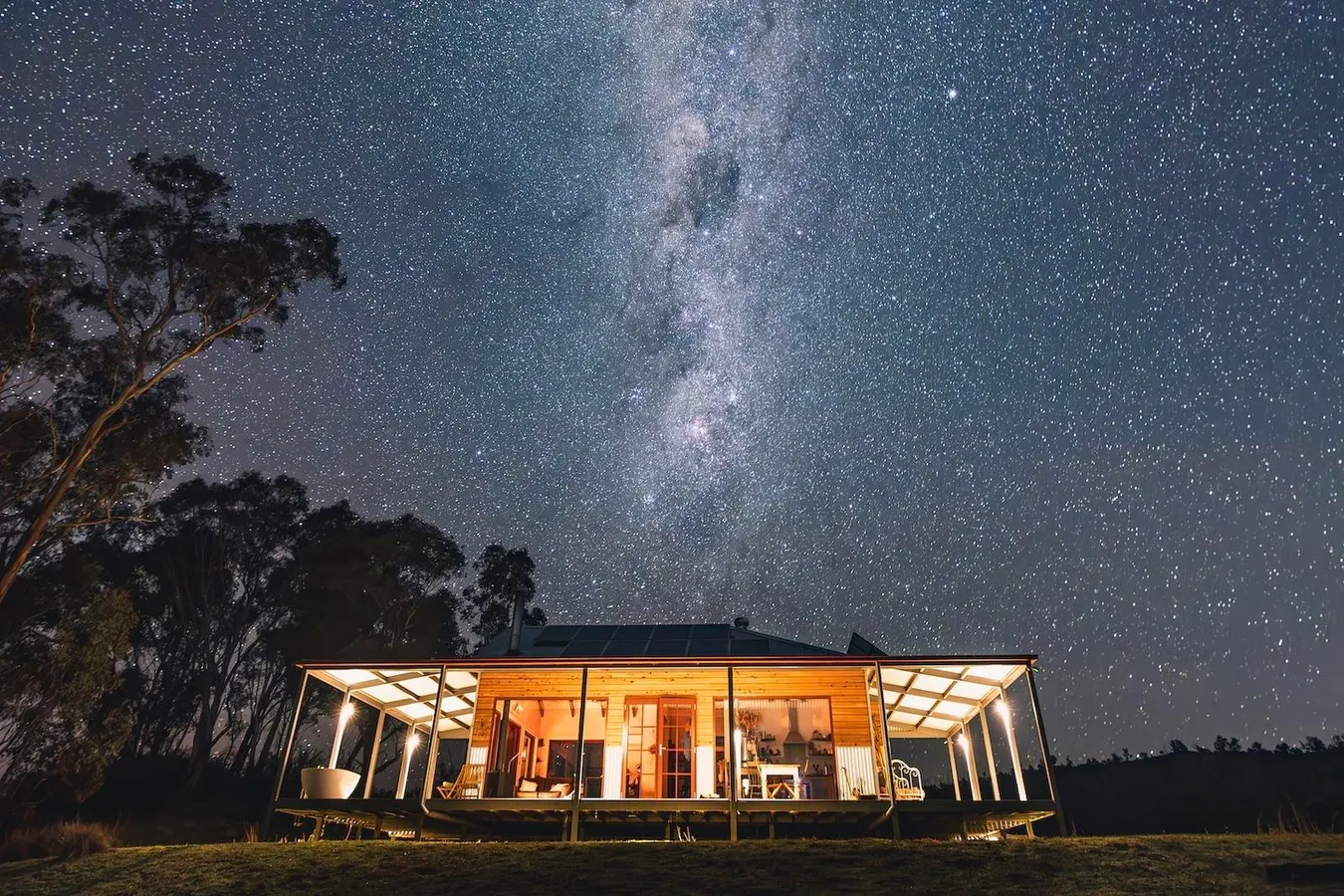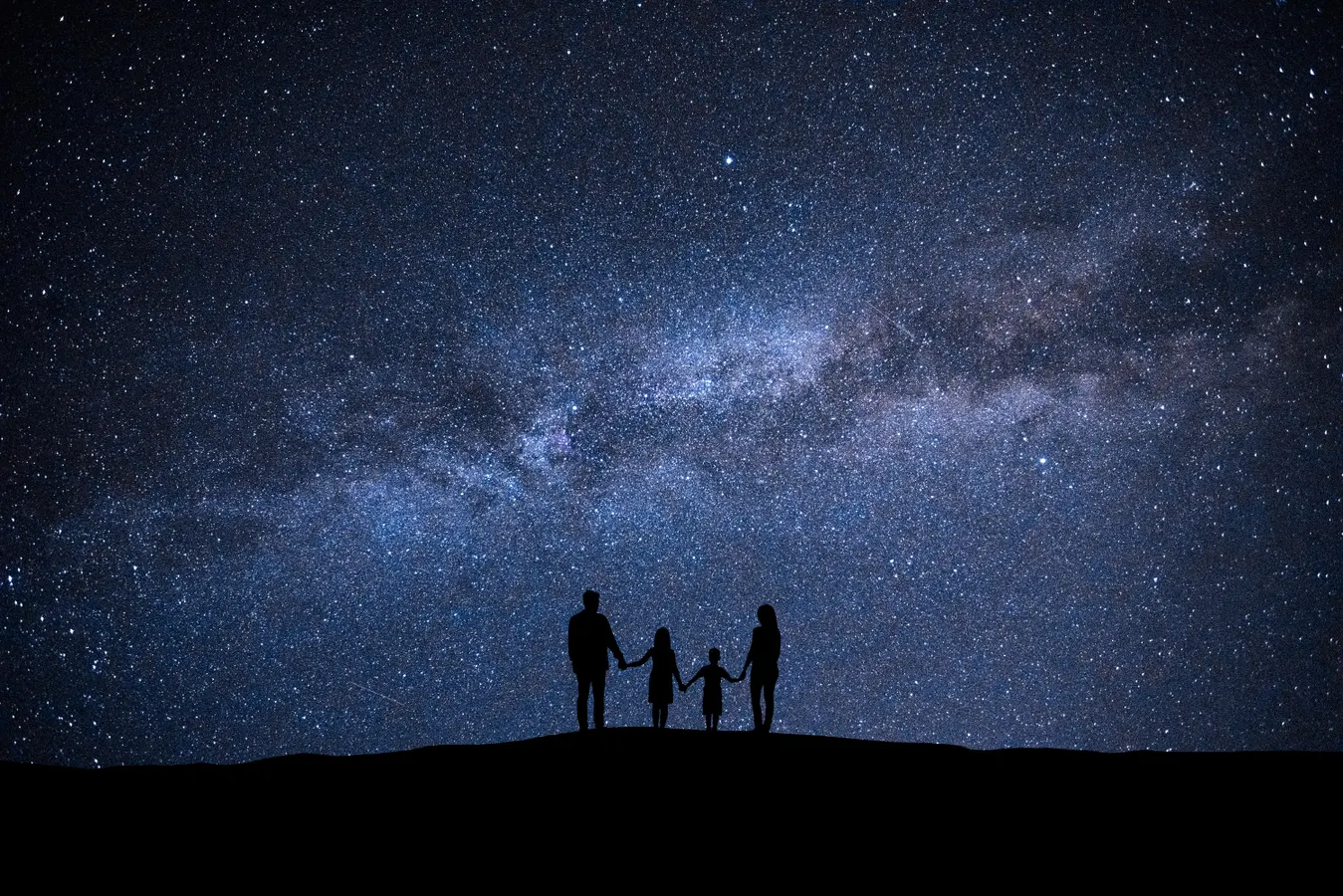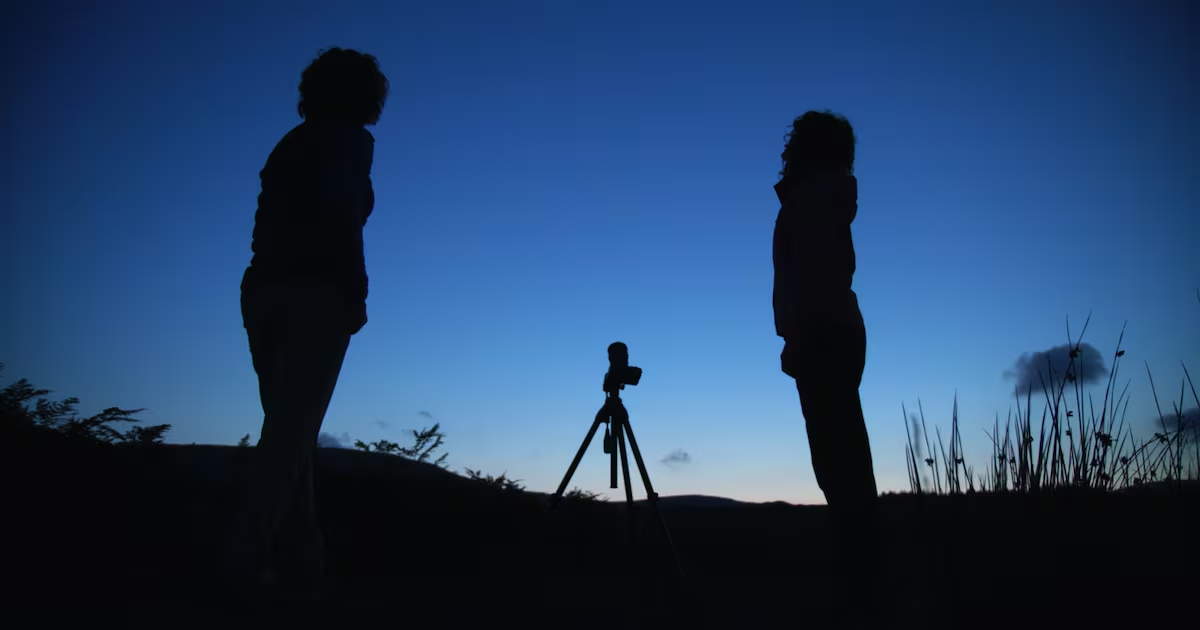
In a world of screens and urban haze, more people are finding something restorative in the act of staring up at an unblemished, uncompromising night sky.Three sites in Ireland boast “dark sky status”, meaning they have been officially recognised as reserves for nocturnal darkness, free from artificial light pollution thanks to their location and the help of their communities.The three locations in Kerry, Mayo and Tyrone will have a particular advantage on Wednesday when a deep partial solar eclipse takes place. More than 90 per cent of the sun is set to be covered in the early evening time. But Ireland’s dark sky locations are more than a one-day wonder.Dark Sky International, the authority for certifying such sites, lists 283 of them worldwide. In 2014, the number was far smaller. Aoibheann Lambe, an archaeologist and astronomy guide for the Kerry International Dark Sky Reserve, recalls her county becoming the first in Ireland to achieve the accolade.“It was one of only three ‘gold tier’ reserves in the world at the time, and the other two were in the southern hemisphere,” Lambe says. “And it was the only one that was actually populated; the others would be deserts or expanses of wild ground.“So, it was fierce excitement ... A Japanese TV show came along and did a documentary on the whole thing.”Sometimes it takes an outsider’s perspective to fully appreciate the magic of a natural environment. When Dubliner Julie Ormonde relocated to Kerry in 1996, it was her first time setting foot in the county. The move proved to be a catalyst for the dark sky movement in the south west.“Julie’s son went out one day to get some turf from the shed or something, and he let out a terrible scream,” Lambe says. “They’d just moved to the country from the city. She didn’t know if he’d been attacked or something and she ran out frantically.A group get ready for a dark sky park walk Tarsaghaun Bridge in Mayo Dark Sky Park. Photograph: Josh Matthews Cygnus tree against the Milky Way, Mayo Dark Sky Park. Photograph: Josh Matthews The aurora borealis (Northern Lights) seen during a dark sky park walk “What it was, was that the sky was so ablaze with stars that the son had let out a scream of wonder. That spread throughout the family. She was completely blown away, and she founded the South Kerry Astronomy Club.”As the years went on, Ormonde discovered Dark Sky International and invited its representatives to scrutinise the Iveragh peninsula. Sky quality metres were employed across 700 sq km, and astronomer Steve Owens was brought in to corroborate the findings – dark sky status was secured.Lambe now runs the Kerry International Dark Sky Reserve in tandem with fellow guide to the stars Michael Sheehan, who was equally instrumental in securing the certification in 2014. “You don’t have to be an astronomer to enjoy it,” Lambe says. “It’s really beautiful to be out at dusk. You start to see the stars just as they come out, so it’s much easier to learn the constellations ... By the time it’s midnight, the whole thing is festooned.” Lambe uses a green laser pointer to pick out features of the night sky. She starts with the Plough, the spoon-shaped asterism in the Ursa Major constellation, and maps out the main star patterns by its side, stopping to make note of any supervoids or quasars along the way.Archaeology is equally important to the tours, she says, and spending time at historical sites under starlight can be an altogether different experience to seeing them during the day. “Your imagination is much richer in the dark,” Lambe explains. Dark sky park walks can take in nocturnal visits to historical sites 'It’s really beautiful to be out at dusk. You start to see the stars just as they come out,' says astronomy guide Aoibheann Lambe Dark sky park walks sometimes end with singing, poetry or storytelling sessions Kerry’s trails start at €35 for children, rising to €50 or €75 for an adult depending on the tour they choose. They operate year-round, and are busiest in the summertime, though the industry as a whole lends itself to winter when the nights are longer. “It’s a great thing to do at night,” Lambe says. “If you’re travelling with your family, it’s something you can do in the evening that doesn’t involve a pub. It’s a very romantic thing; we get lots of couples. Whatever it is about being under the stars, people start holding hands and kissing and cuddling. “It’s very moving. And families – when a family’s together and they’re stargazing, they put their arms around each other. Something really touches people in a way I don’t think anything else does.”Mayo Dark Sky Park and the OM Dark Sky Park and Observatory in Co Tyrone, near the Sperrin mountains, complete the Irish network, though there are hopes that more sites will soon push for dark sky status in Connemara, Wicklow, Donegal and west Cork.Wednesday’s eclipse (which will be best viewed across Ireland just after 7pm) joins a calendar of events now propping up the industry. In Kerry, on the Skellig Coast, archaeology and dark sky festivals are pencilled in for October and March respectively. Over Halloween, the 10th annual Mayo Dark Sky Festival is due to take place.Georgia MacMillan is the development officer at Mayo Dark Sky Park, and a voluntary director on the board of Dark Sky Ireland (DSI), a non-governmental organisation that represents groups associated with dark skies in Ireland. On top of that, she is nearing the end of a PhD at the University of Galway in dark sky tourism from a sustainable and regenerative perspective.It’s important we have growth, but we do need to manage that. There’d be nothing worse than a lot of people rocking up to a dark sky night with lights and you end up spoiling the beauty of the dark sky experience— Georgia MacMillan, Mayo Dark Sky Park“You could look at dark skies and say: what does it meet in terms of sustainable development goals?” MacMillan says. “The obvious one is energy. The less obvious one is how it mitigates biodiversity. If we over-light, then we’re creating an artificially bright environment for our nature at night; our mammals, our pollinators especially, and our migratory birds. “Not only does it save energy by using less light, but also by using the right type of light, you can enhance nature and create ecologically dark corridors for bats and for wildlife. Typically this is during hours that we’re sleeping anyway, so why leave lights on unnecessarily when we don’t need them?”Like Lambe, MacMillan leads guided tours of the night sky, though in Mayo the work is more seasonal. MacMillan’s tours run from about October to March, constituting free, weekly walks on Friday nights. “If it’s cloudy, then it’s more of a mindfulness experience,” MacMillan says. “If it’s clear, then people like stargazing so we facilitate that. Sometimes it’s storytelling; we end up in a stone cottage and it’s often a song or a story or a poem. Something unusual to be had at the end of an evening.”That winding down feeds into “dusking”, an old Dutch ritual that has been revived across parts of Europe in recent years. The idea, according to MacMillan, is “to say goodbye to the sun and hello to the evening”; to meditate and observe the descent of darkness, absent of phone screens, lamps, torches or any artificial light whatsoever.Stars above the river at Letterkeen, Mayo Dark Sky Park. Photograph: Josh Matthews [ Brief brush with the moon’s shadow will bring sun’s secrets to lightOpens in new window ]It was a concept discussed at the Artificial Light at Night (ALAN) conference in Westport last year, which was hosted by DSI. “It struck us really that we don’t do that any more,” MacMillan says. “We just switch on the lights and we never have that closure of daytime.”She has worked in dark sky tourism for about 10 years, guiding walks for the last four of those, and has noticed a growing interest. The ALAN conference was attended by interested parties from 42 countries. As well as championing dark sky reserves, MacMillan tackles growing light pollution in more urban areas and works with DSI to encourage better lighting practices across the board in Ireland. They are hoping to expand the Mayo reserve over time to include more peripheral sites in the county, allowing tourism to spread over a greater area.“It’s important we have growth, but we do need to manage that,” MacMillan says. “There’d be nothing worse than a lot of people rocking up to a dark sky night with lights and you end up spoiling the beauty of the dark sky experience. It is quite a slow tourism experience, so hence the reason we’re trying to get different communities who are in dark locations to start working with us. It disseminates the concentration.”At some point over the next few years, a planetarium and observatory are set to be installed at Mayo Dark Sky Park, which MacMillan says will act as a hub to facilitate a higher number of tourists. A mobile planetarium is already used for visits to local schools and halls. “It will be a real game changer in terms of education and keeping people, young people, in the area for the future,” she says. “There’ll be employment through this kind of tourism and it’s science-based as well, so it has a lot of the interesting strands that people usually move away from a rural area for, because they don’t have access to science education at that level. We’re hoping that will be a field we can develop in a rural setting.”
‘It’s very moving’: The growth of dark sky tourism in Ireland as enthusiasts prepare for solar eclipse
There are hopes that more sites will soon push for dark sky status in Connemara, Wicklow, Donegal and west Cork
1,619 words~7 min read