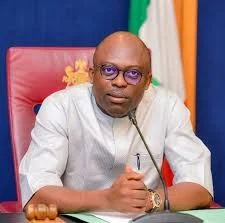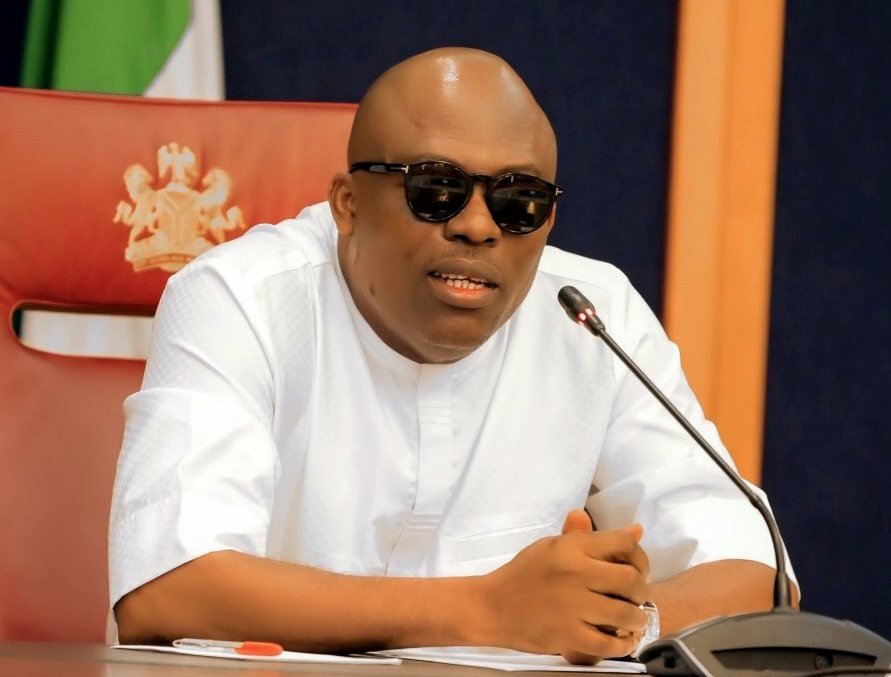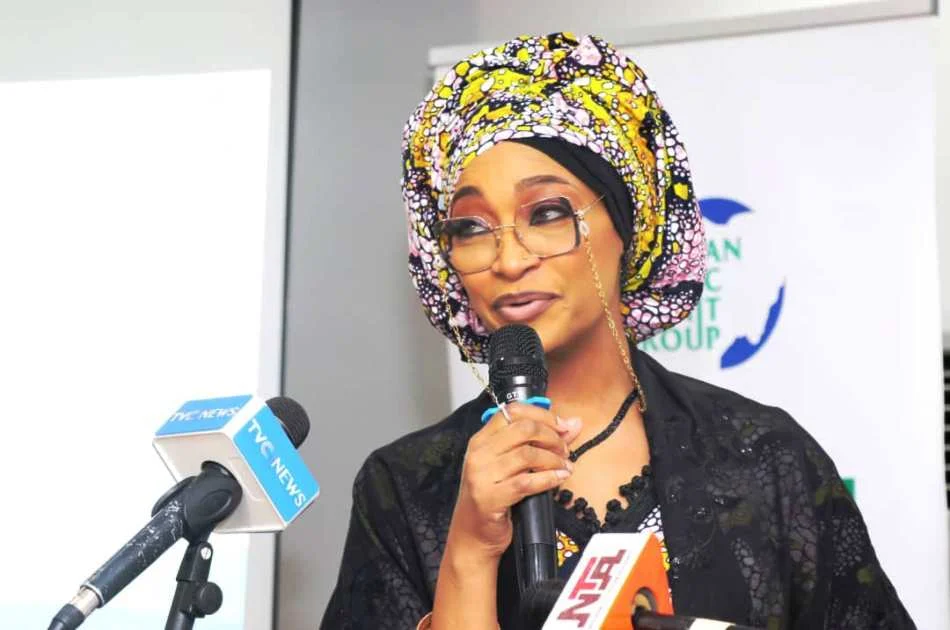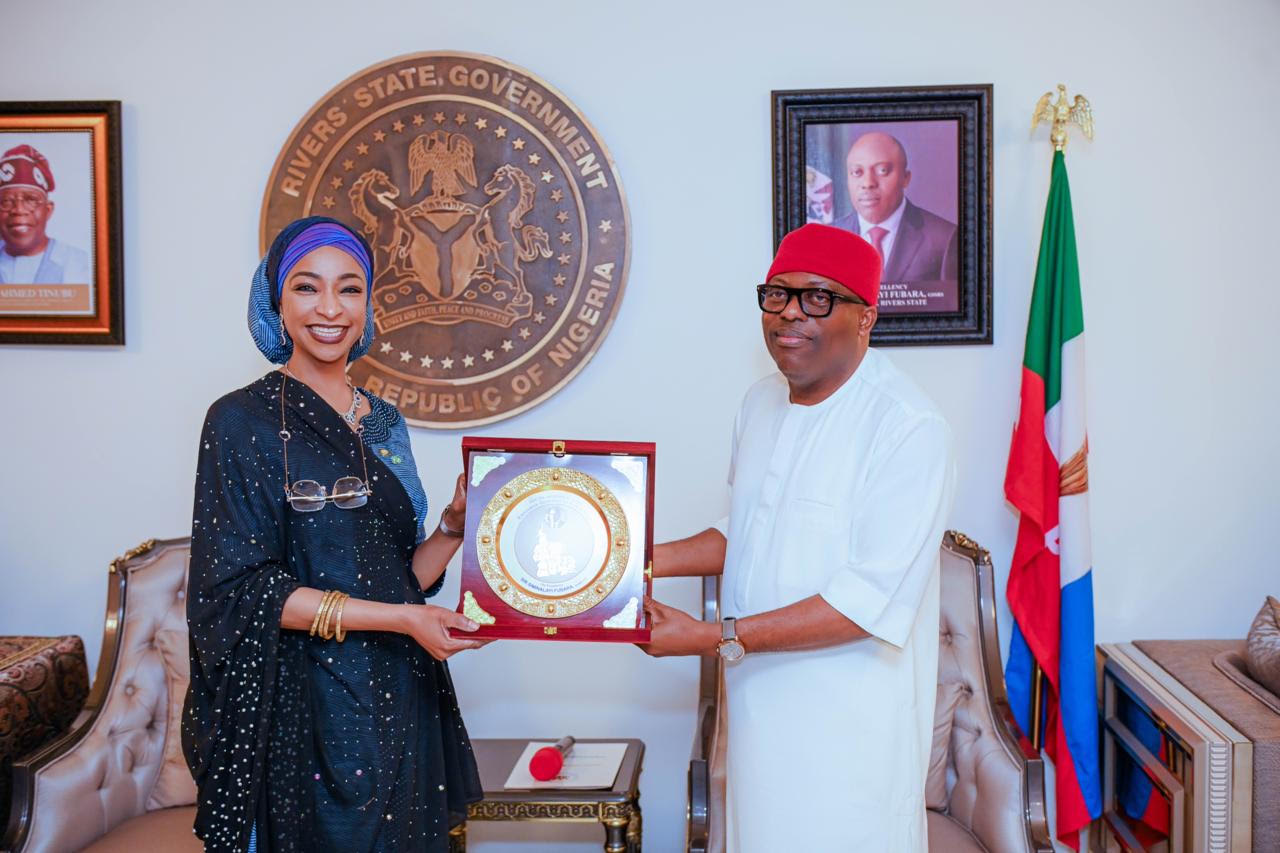
The Federal Ministry of Art, Culture, Tourism and the Creative Economy recently signed an agreement with Rivers State to support the Renewed Hope Cultural Project. This effort aims to locate, develop, protect, and promote the state’s cultural treasures, while also boosting tourism and the creative industry. It’s a crucial and commendable move. Collaborative planning between a federal ministry and a state government on managing cultural assets, instead of relying on occasional festivals and grants, signifies a move toward a more organised, institutional approach Nigeria’s cultural sector has needed for a long time. Minister Musawa and Governor Fubara deserve recognition for creating a strong framework rather than just a photo opportunity. Nonetheless, the framework is incomplete since it doesn’t address how these activities could generate sustainable income, such as through commercial retail spaces.
The unspecified gap in this MOU
The Ministry focuses on creating opportunities for creatives, strengthening cultural institutions, attracting visitors and investments, and boosting heritage visibility. However, it overlooks a vital operational aspect: where do creatives work, sell, and exchange ideas? A thriving creative economy relies on real transactions, not just visibility. Designers, artisans, galleries, fashion brands, and music studios need physical spaces with high foot traffic, favorable lease terms, and a diverse tenant mix that supports growth beyond the initial launch. These spaces require strategic planning, proper placement, and effective leasing, responsibilities better suited for retail property management than the culture ministry.