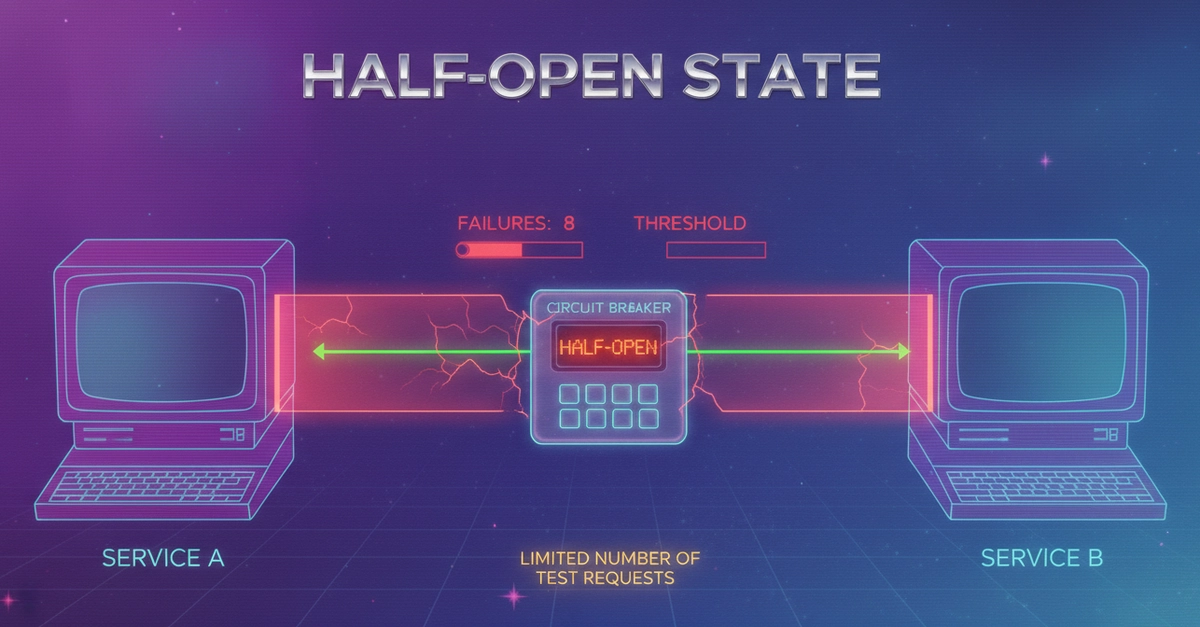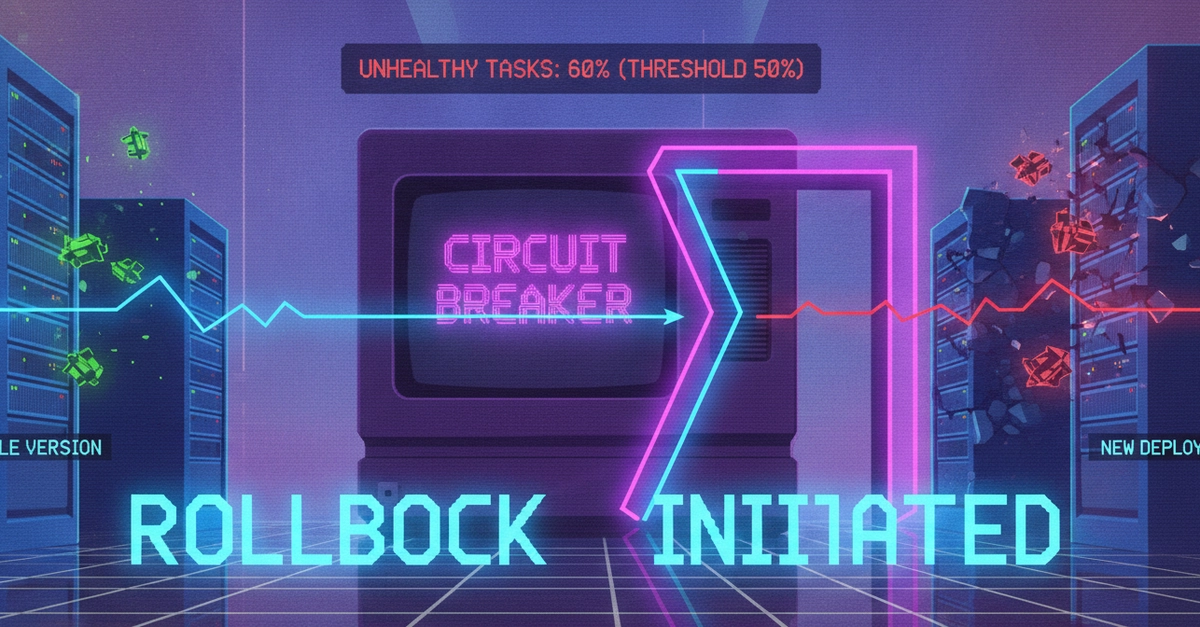
The circuit breaker pattern is a modern software design strategy used to detect failures and prevent an application from repeatedly executing an operation that is highly likely to fail. It acts as a protective wrapper around external calls, monitoring for errors and temporarily blocking traffic to a broken dependency once a threshold is crossed. By failing fast, it preserves your system's resources and gives the failing service room to recover.
Imagine the electrical panel in your home. If a faulty microwave suddenly draws a massive, dangerous surge of electricity, the physical circuit breaker "trips," immediately shutting off the flow of power to that outlet. It does this to prevent a catastrophic house fire. Once the breaker is tripped, electricity won't flow to that outlet again until you unplug the bad appliance and reset the switch. Without that simple breaker, a single broken device could destroy your entire house.
In software engineering, we apply this exact logic to distributed systems. Modern applications rely heavily on external third-party services, such as payment processors, SMS gateways, or database clusters. If one of these services crashes or slows to a crawl, a standard application will keep sending requests, waiting endlessly for responses that are never coming. This ties up precious system memory, CPU threads, and network sockets, eventually causing your own application to crash entirely. By implementing a software circuit breaker, engineers can instantly route traffic away from a failing dependency. This allows the application to remain functional, perhaps by showing an "our payment provider is offline" message rather than crashing the entire website.