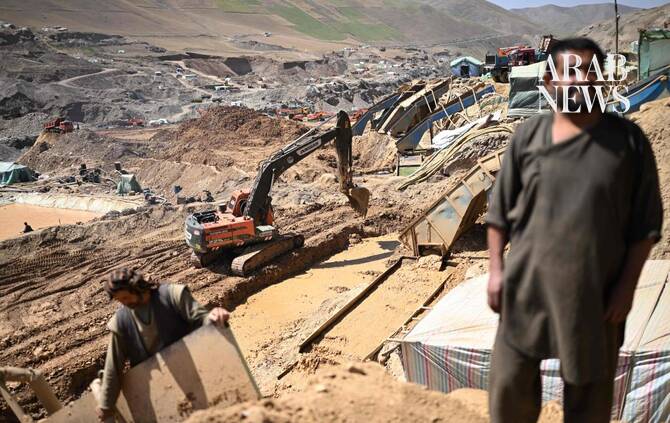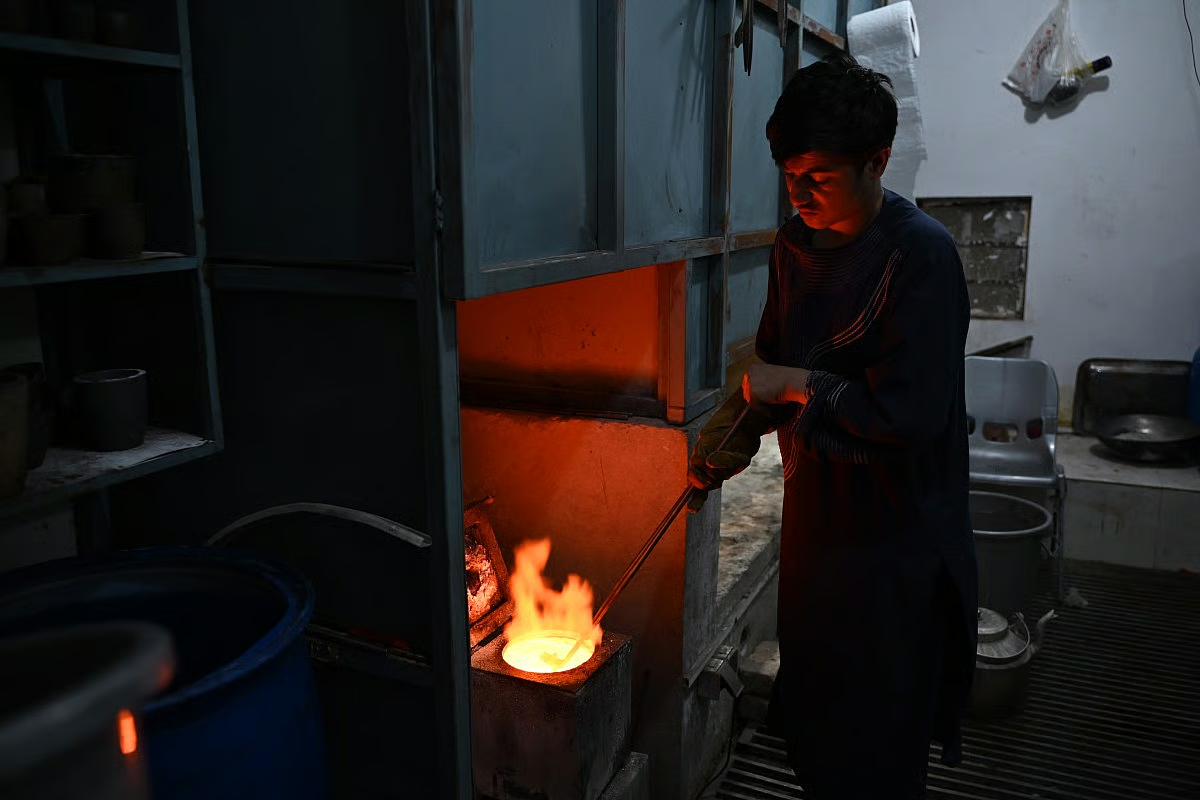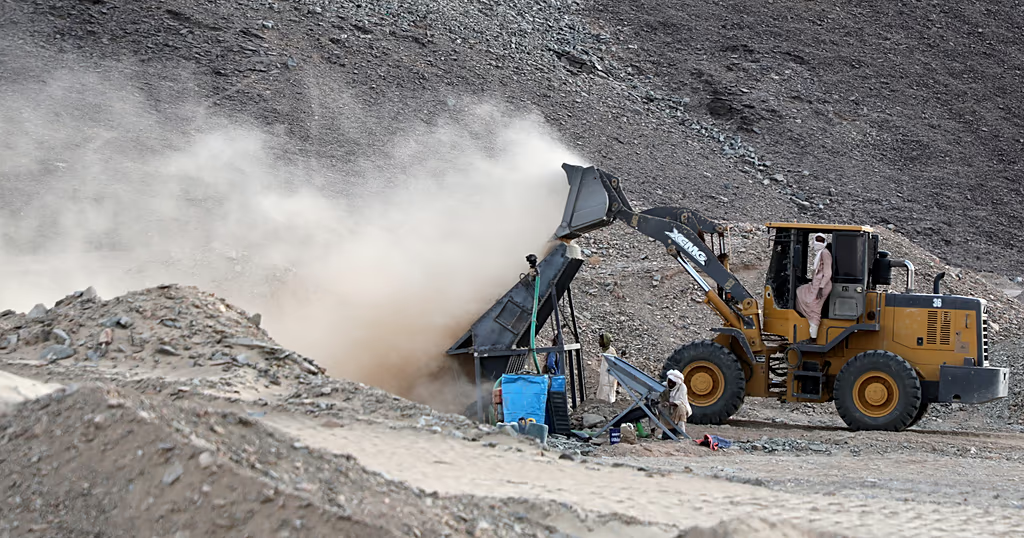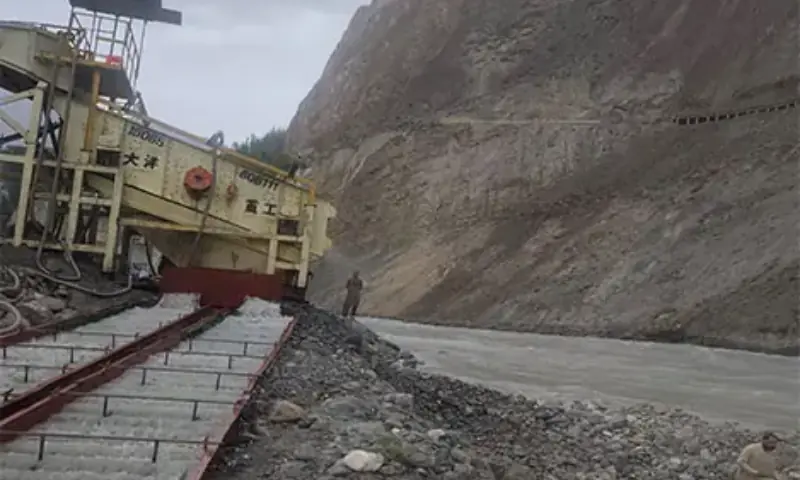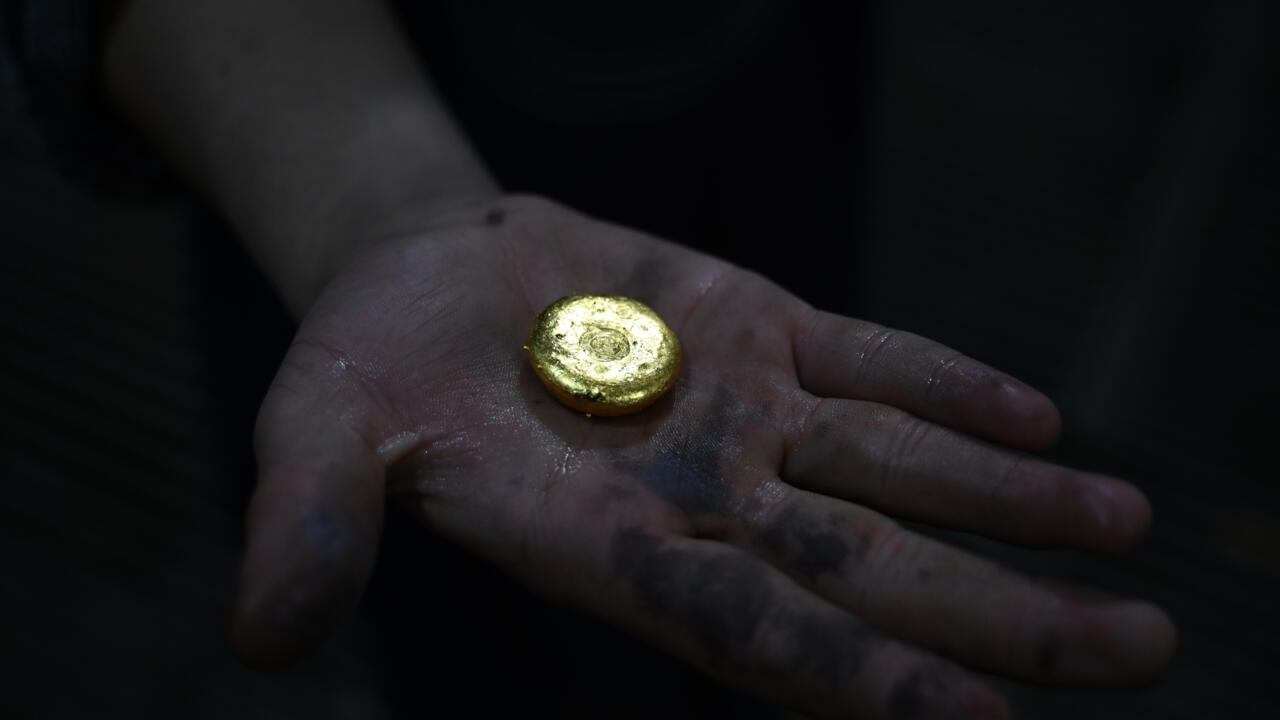
Thousands of miners are deployed across the Shiwa area, about 50 kilometres (30 miles) northeast of the provincial capital Faizabad, extracting gold for investors nationwide. Some residents in the area have profited from the gold rush, only to regret it later, such as farmer Muhammad Amin. "Before, the river was deep, the water was clean," said the 74-year-old from Pul-e-Ziri Ban valley. Since mining got underway, "the water of the river is not drinkable; you can't even wash your body with that water", he told AFP. With tears in his eyes, Amin said the grass along the riverbank "has all gone" and farming is no longer possible due to "the wind and dust". Now he can only feed up to 15 goats, compared with as many as 40 previously. Amin said he was paid half the $20,000 for which he agreed to lease his land to a mining firm that failed to fulfil a promise to restore his fields after the work stopped.
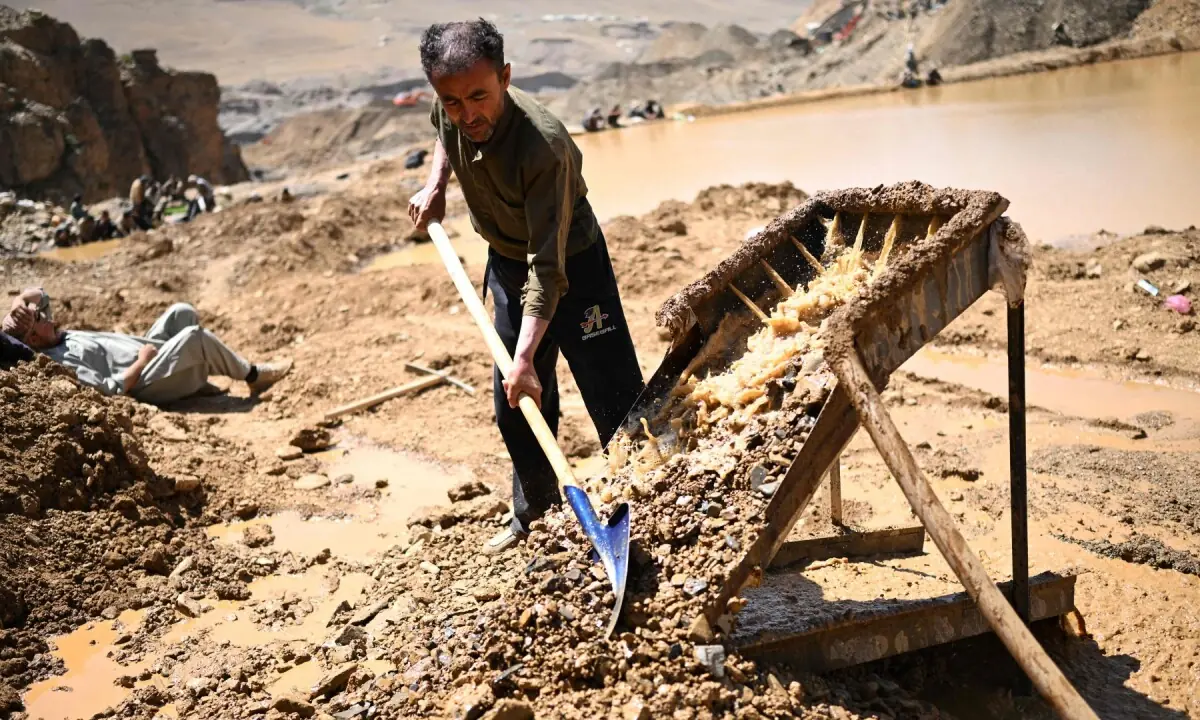
Afghan miners separate dirt and stones from gold nuggets at Gulak-Dara valley in Shiwa area of Afghanistan's northeastern Badakhshan province © Wakil KOHSAR / AFP
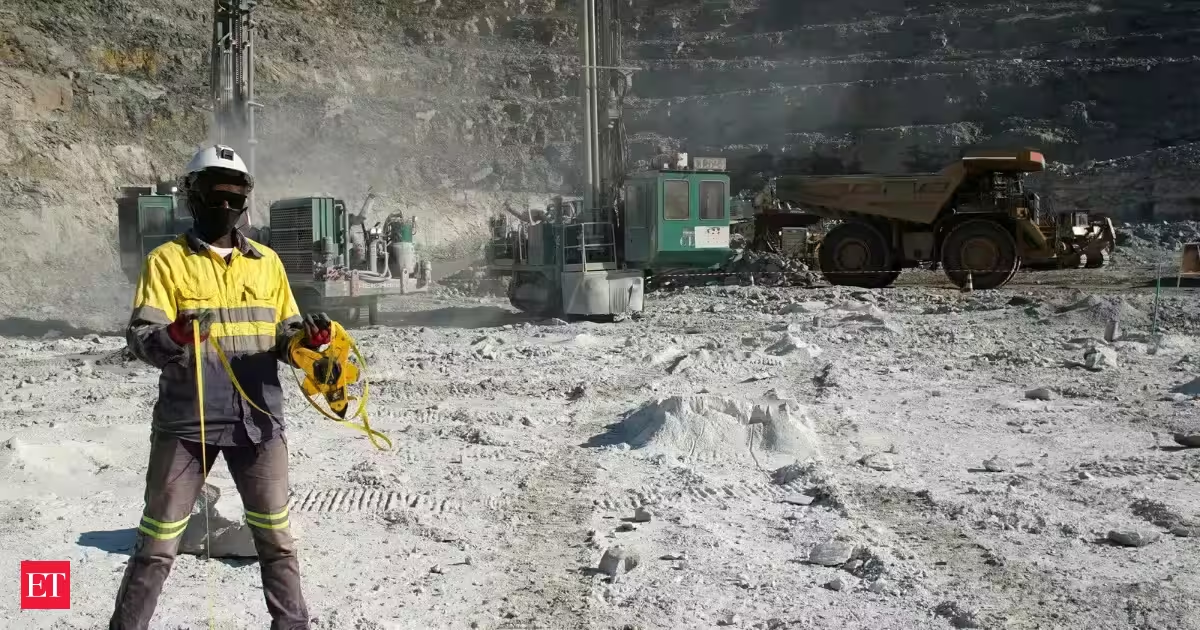
The Taliban authorities have expanded the mining sector since returning to power five years ago, aiming to tap into Afghanistan's vast underground resources to boost state coffers. Abdul Mateen Rahimzai, head of Badakhshan's mines department, said they have registered "almost 650 to 700 companies, and there are thousands of people working manually". The World Bank said hundreds of mining contracts have been signed since 2021, with "real growth averaging 25 to 30 percent" annually according to a May report. 'Better than anything else'While mining has temporarily stopped in Amin's village, not far from his home, in Gulak-Dara valley, dozens of diggers were carving into the mountainside. With jobs scarce in Afghanistan, the area has drawn workers from across the country. Mohammad Agha Khwaja Khail, from Kabul, has worked in mining for five years and earns 10,000 Afghanis ($150) a month loading trucks.