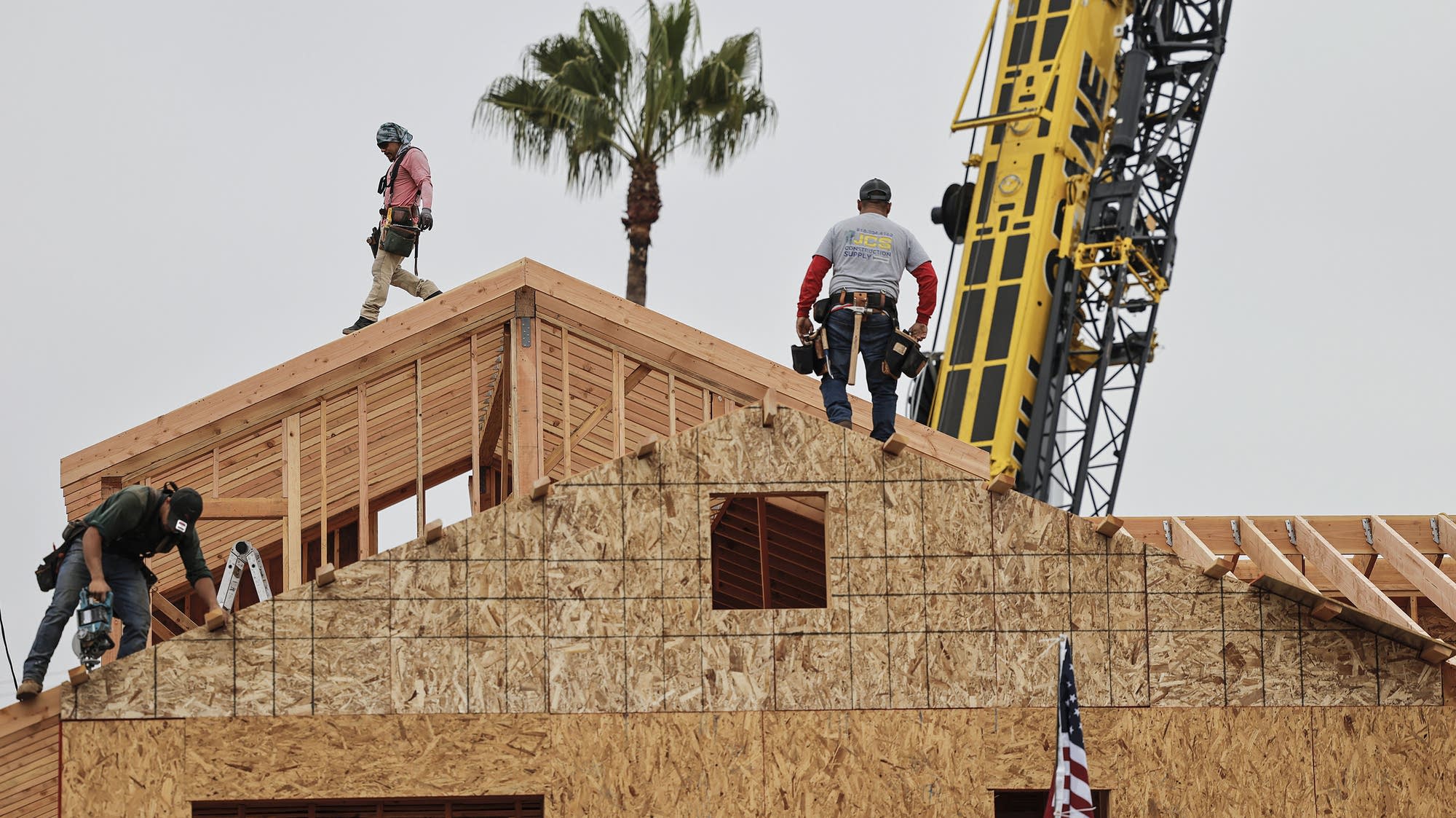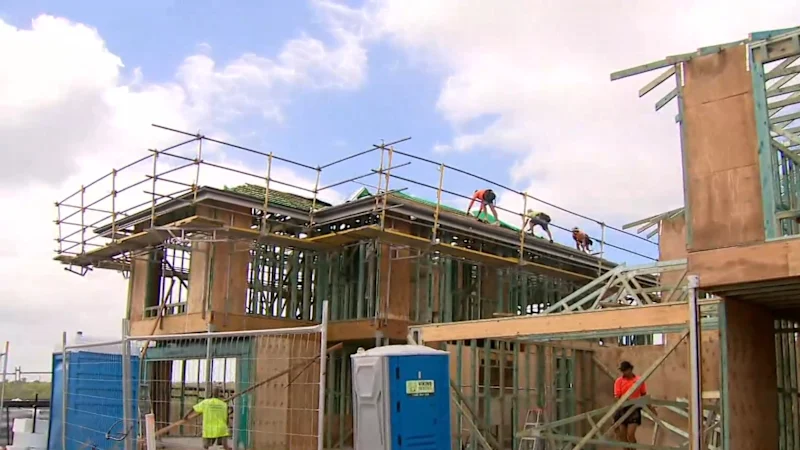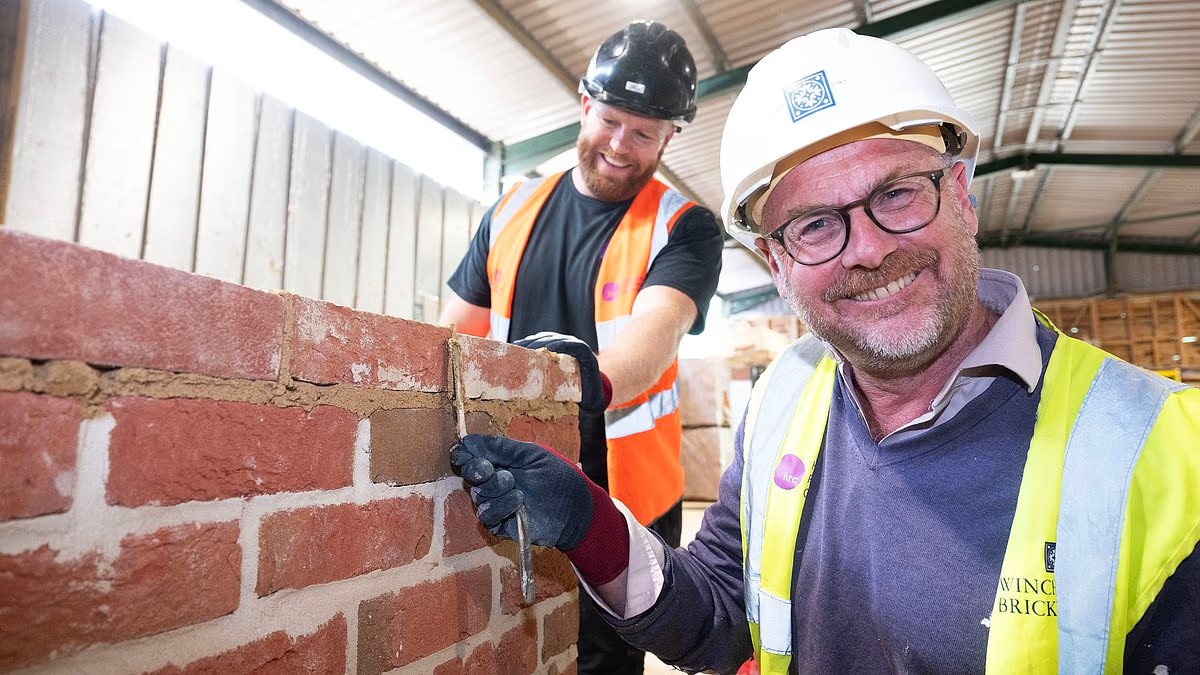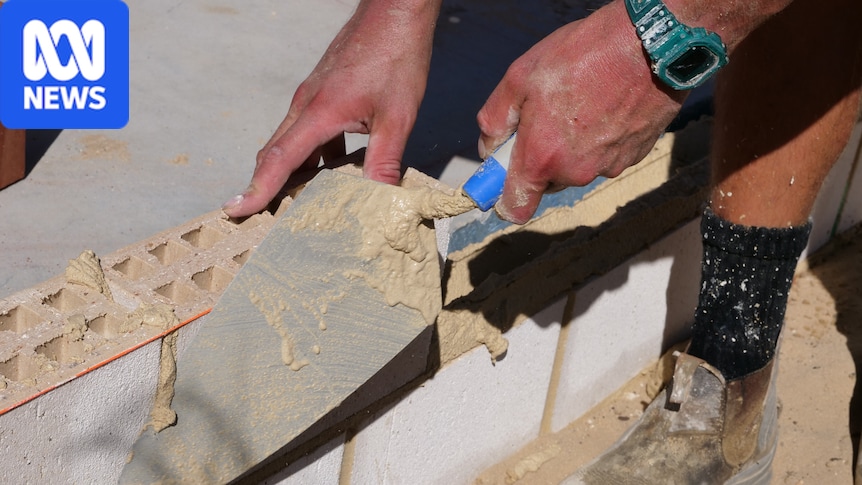
Canberra is in the middle of a construction boom but if you're looking for a qualified bricklayer, there might be a bit of a wait.Currently there are only seven apprentice bricklayers training in the ACT, according to Housing Industry Association executive director for the ACT and Southern NSW, Geordan Murray."That's alarming, and well below the level required," Mr Murray said.While commercial developments and large infrastructure projects like light rail are keeping Canberra's construction industry strong as a whole, there's been a downturn in the building of houses. Mr Murray said that at the same time, there had also been a dramatic drop in trade apprenticeships. "There's been an increase of 10 per cent in the construction workforce but over that time there's been a drop in apprentices by 20 per cent," Mr Murray said.Shortage leaves questions about trade's futureDaniel Swan says most bricklayers on site with him are now over 40. (ABC News: Lish Fejer)Swan Bricklaying founder Daniel Swan started laying bricks at 15, learning the trade from his father.Twenty-five years on, the third-generation bricklayer said finding young people willing and able to stick with the job had never been harder."It's definitely hard to get hold of people," Mr Swan said."Had a few young ones come through — they sort of struggle just handling the pressure of bricklaying, I guess."It is a very manual trade, so they do struggle just coming out and doing it."He said most bricklayers on site with him were over 40."I've got Jacob, he's 21, but there's a big gap between [Jacob, at] 21, and the next guy," Mr Swan said."I don't know what it's going to be like in 10 years' time."'It's hard work, but it's really rewarding'Third-year bricklaying apprentice Jacob Nayler says the work is incredibly rewarding despite being hard on his body. (ABC News: Stuart Carnegie)For third-year bricklaying apprentice Jacob Nayler, starting out in the industry "was a hard gig" but sticking it out was worth it."I was a little skinny boy, and it was hard to really get pushing wheelbarrows — but I kind of just stuck through it," Mr Nayler said."It's tough on your body, it's hard work, but it's good — it's really rewarding."Seeing all the houses go up, seeing all the new suburbs going up you can see your work, and it just feels great."But the path to qualifying hasn't been straightforward for Mr Nayler, having moved through three different crews during his apprenticeship.He said time spent labouring instead of laying bricks did not give him the skills he was hoping to learn."As a second year, when you're labouring and you're not on the trowel, you don't develop that skill," Mr Nayler said."It's really hard when you're a third year and you can't lay bricks properly — you need that skill straight away."A shortage of skills, not labourBricklaying trainer Lynne Sheffield says she has been trying to help address the shortage of apprentices for 20 years. (ABC News: Stuart Carnegie)Bricklayer Lynne Sheffield, founder of trade school Quality Training in Construction, said the shortage was not so much about the number of available labourers as it was the number trained in specific trade skills."We have a lot of labour, but not skilled labour. And that's what we really need, the skilled labour," Ms Sheffield said.She has spent 30 years in the construction industry, and said she had seen this coming for some time."The last 20 years we've been going to the governments and everywhere saying that there's a massive shortage. That's why I went into education," Ms Sheffield said."Now what's happened; it's gotten a lot worse."Despite being a qualified trade, there is currently no requirement to be licensed to work as a bricklayer in the ACT.Canberra bricklayers are not required to have qualifications to work in the ACT. (ABC News: Jacqueline Lynch)"We're not licensed at all. We don't even have to have our qualifications," Ms Sheffield said."When you look around the job sites, there's a lot of bad work — and they don't know what they're doing. They're not trained properly."Ms Sheffield said the current model — which sees apprentices split between limited classroom time and full days on site — was not giving them the grounding they needed before they were exposed to the pressures of a building site."I believe that they should bring them into the [trade] schools first and get them trained up," she said."Then they have resilience and they have skills, so when they get put out into the industry with the bosses, they're useful."More tradies needed to meet housing targetGeordan Murray of the Housing Industry Association says a slow residential construction sector is part of what is driving the drop in apprentice numbers. (ABC News: Stuart Carnegie)Mr Murray of the Housing Industry Association said one of the problems with the apprenticeship model was the high attrition."We see a lot more apprentices commencing than we do completing," he said."We really need to have opportunities for workers or young people … to get exposure to construction early on, so they're coming into the industry with their eyes open."Mr Murray said the drop in apprenticeships was driven by several factors, including a slow residential building sector."The residential building industry typically trains a larger share of apprentices in construction trades, and at the moment we've had a downturn of residential building," he said. Geordan Murray says bricklaying has been hit hardest by the apprentice shortage, but all trades have seen a downturn in numbers. (ABC News: Lish Fejer)Mr Murray said businesses were reluctant to commit to a four-year apprenticeship without confidence there would be enough work in the pipeline to sustain it."What we need to see is ongoing employment opportunities for apprentices throughout the business cycle," he said."During an upswing in building activity, we'll see really strong demand from employers looking for apprentices."But during a cyclical downturn, like we're seeing now in residential building, we'll see more apprentices looking for work than there are opportunities."Mr Murray said delivering the ACT government's 30,000-home commitment by 2030 would require more people entering the trades and more employers willing to train them, alongside a rethink of how apprenticeships are structured and supported."We have a real problem with an ageing workforce of bricklayers, and we simply aren't attracting enough new younger workers into the workforce to replace those who are reaching retirement age," Mr Murray said.
Canberra apprenticeships hit a brick wall in the middle of construction boom
Canberra is in the middle of a construction boom but if you're looking for a qualified bricklayer, there might be a bit of a wait, with just seven apprentice bricklayers currently in training in the ACT.
1,053 words~5 min read