Lessons from building a small VPN service around standard WireGuard clients instead of a proprietary app
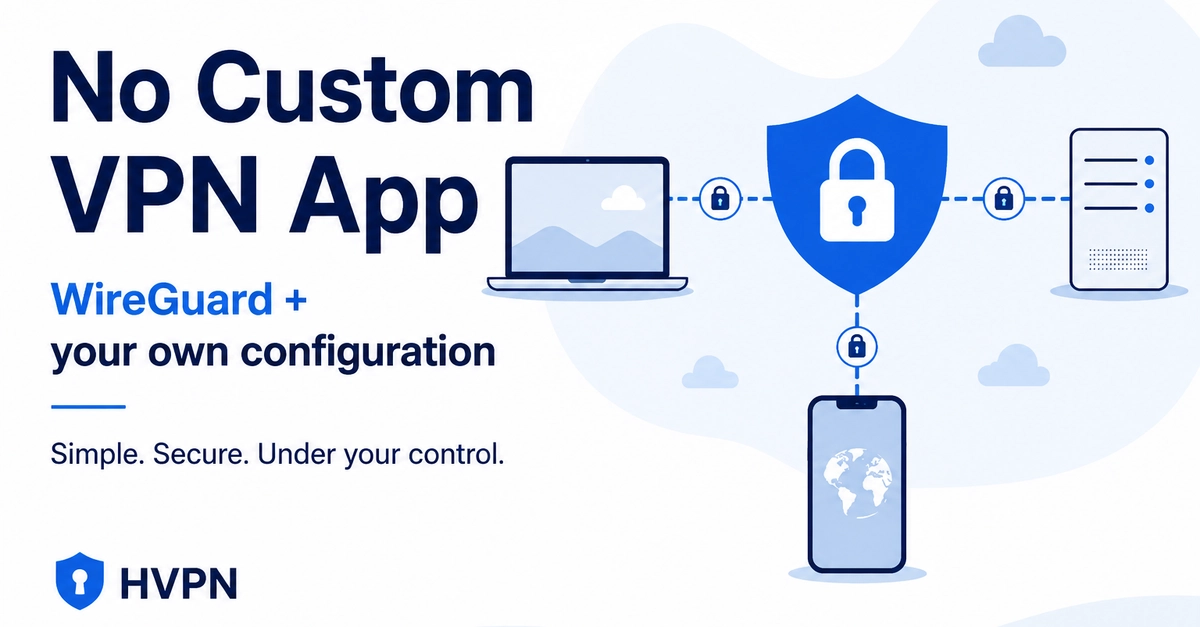
When you look at a commercial VPN product, the app seems to be the product: a polished interface, a country list, and a large Connect button. I chose the opposite approach. Instead of building another VPN client, I decided to give users a standard WireGuard configuration that they could import into an existing client. That decision removed a lot of client-side work — but it also exposed where the real complexity of a VPN service actually lives.
Why build another app if WireGuard already has one?
The usual commercial VPN flow is straightforward: install the vendor's app, sign in, choose a location, and connect. A proprietary client can manage server selection, subscriptions, kill switches, automatic reconnects, diagnostics, updates, and support in one place.
But for a small service with one or a few locations, I had to ask a more basic question: do I really need to build and maintain a separate Windows, macOS, Android, and iOS client just to establish a WireGuard tunnel?