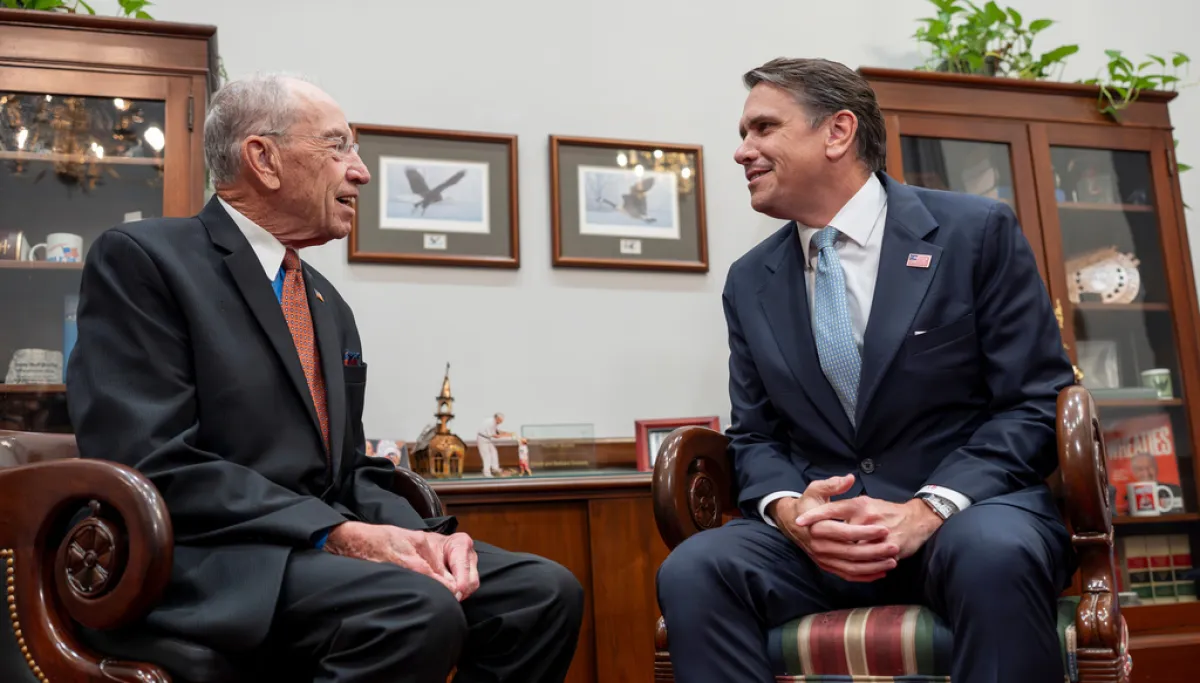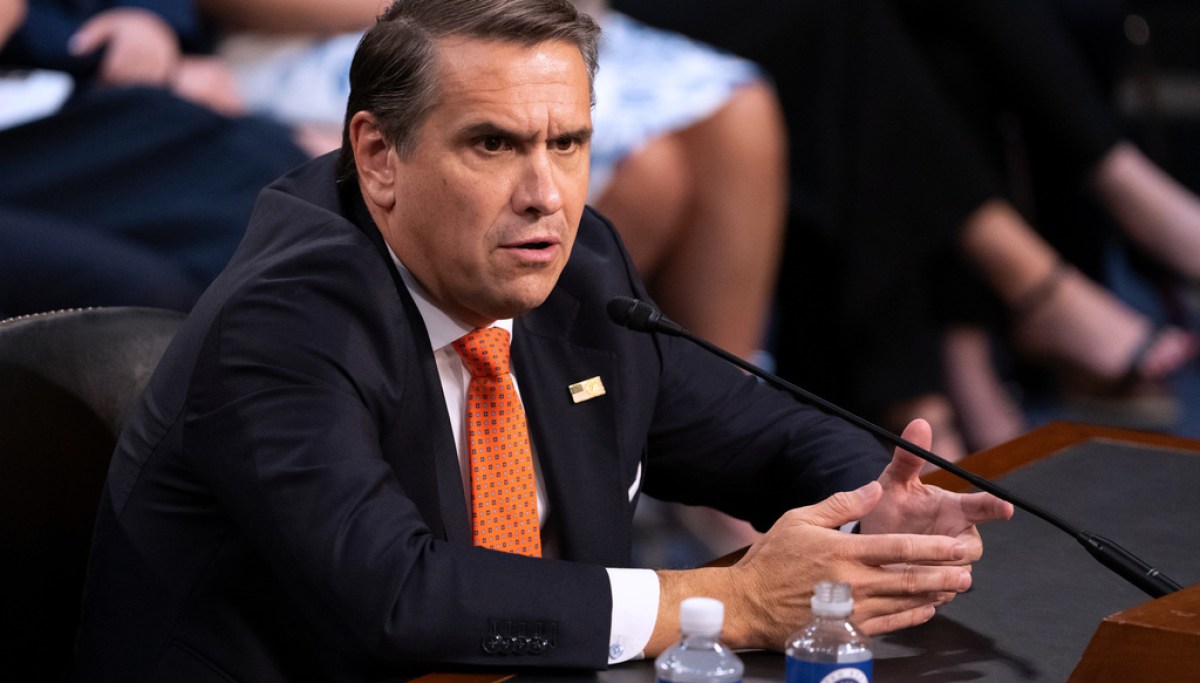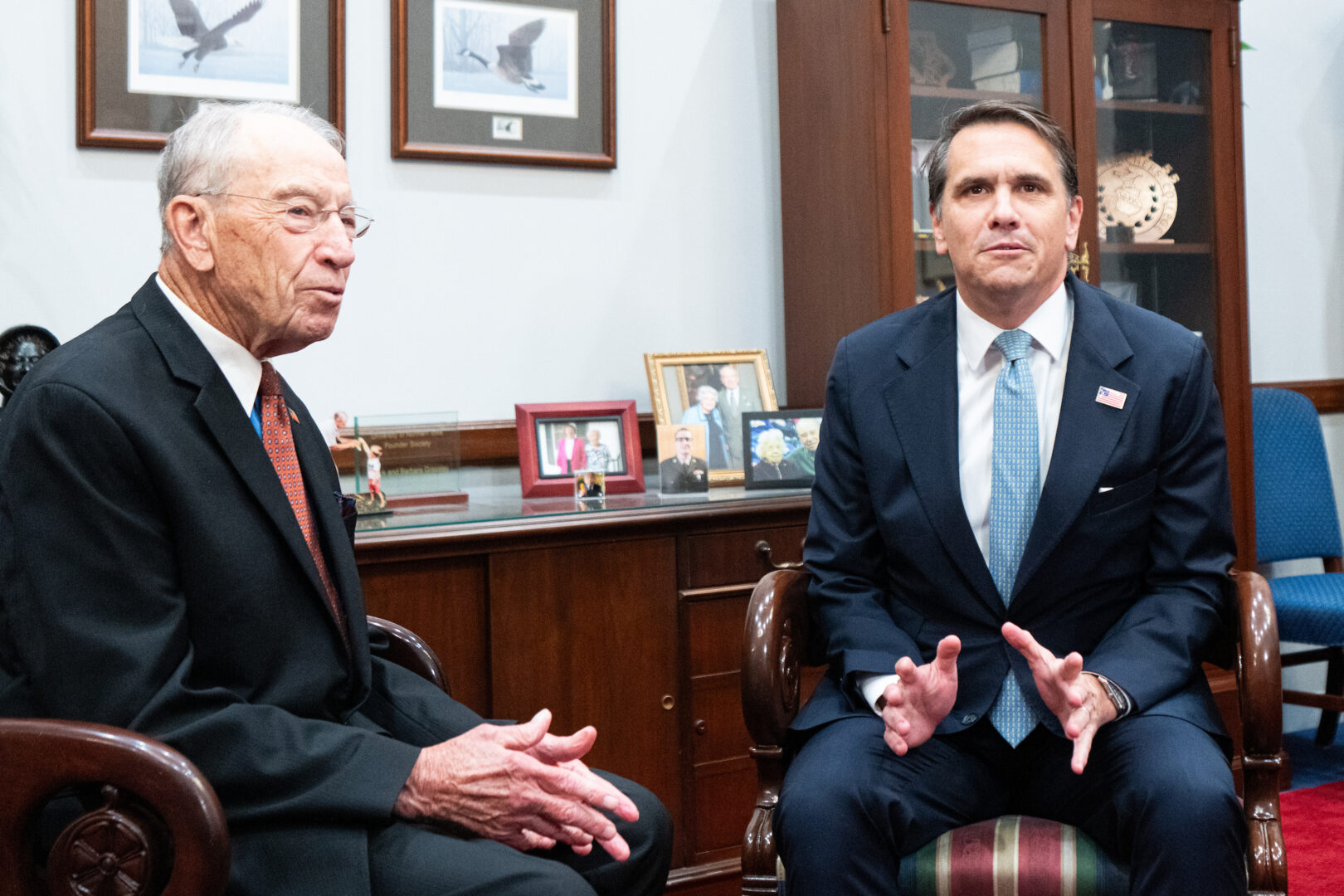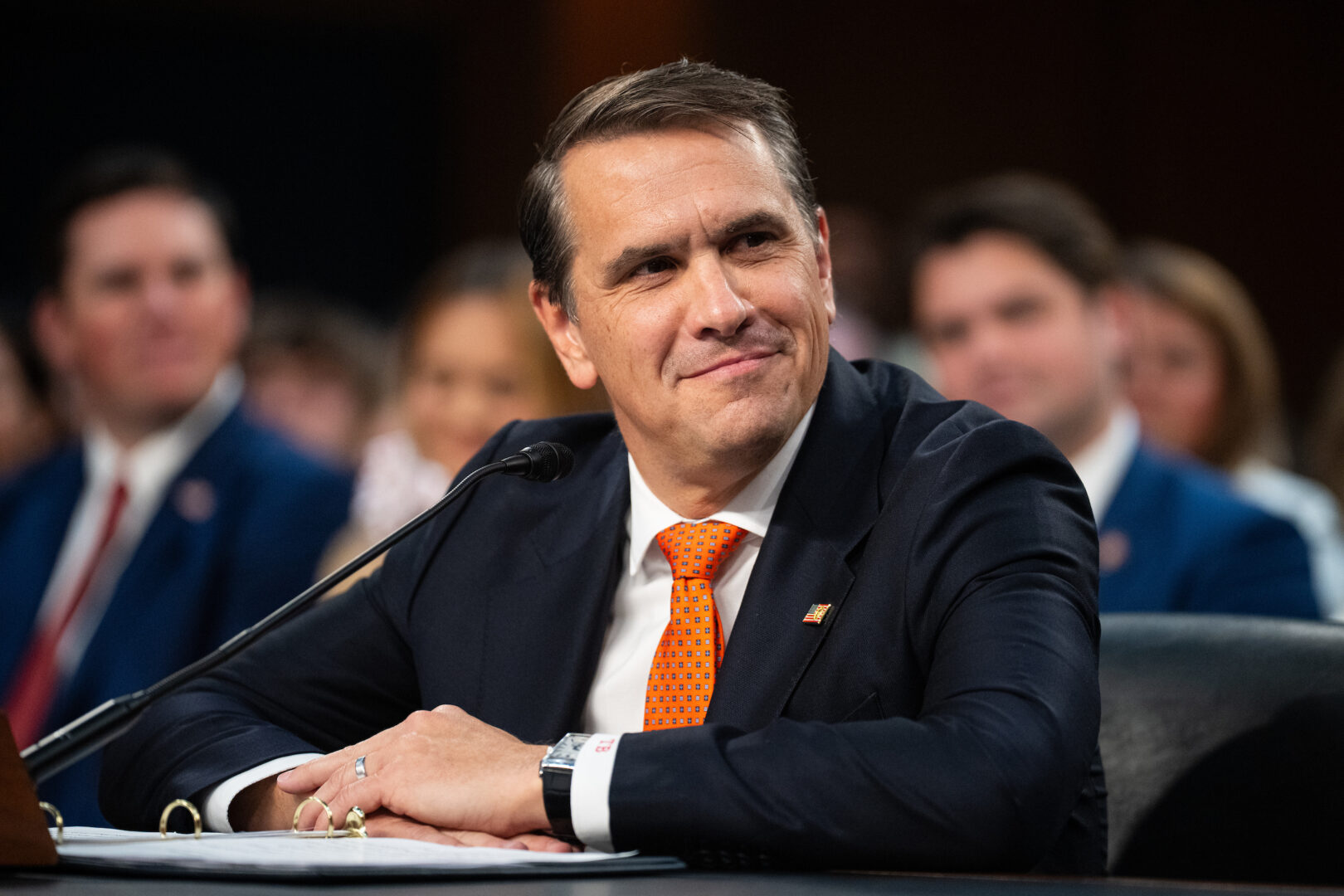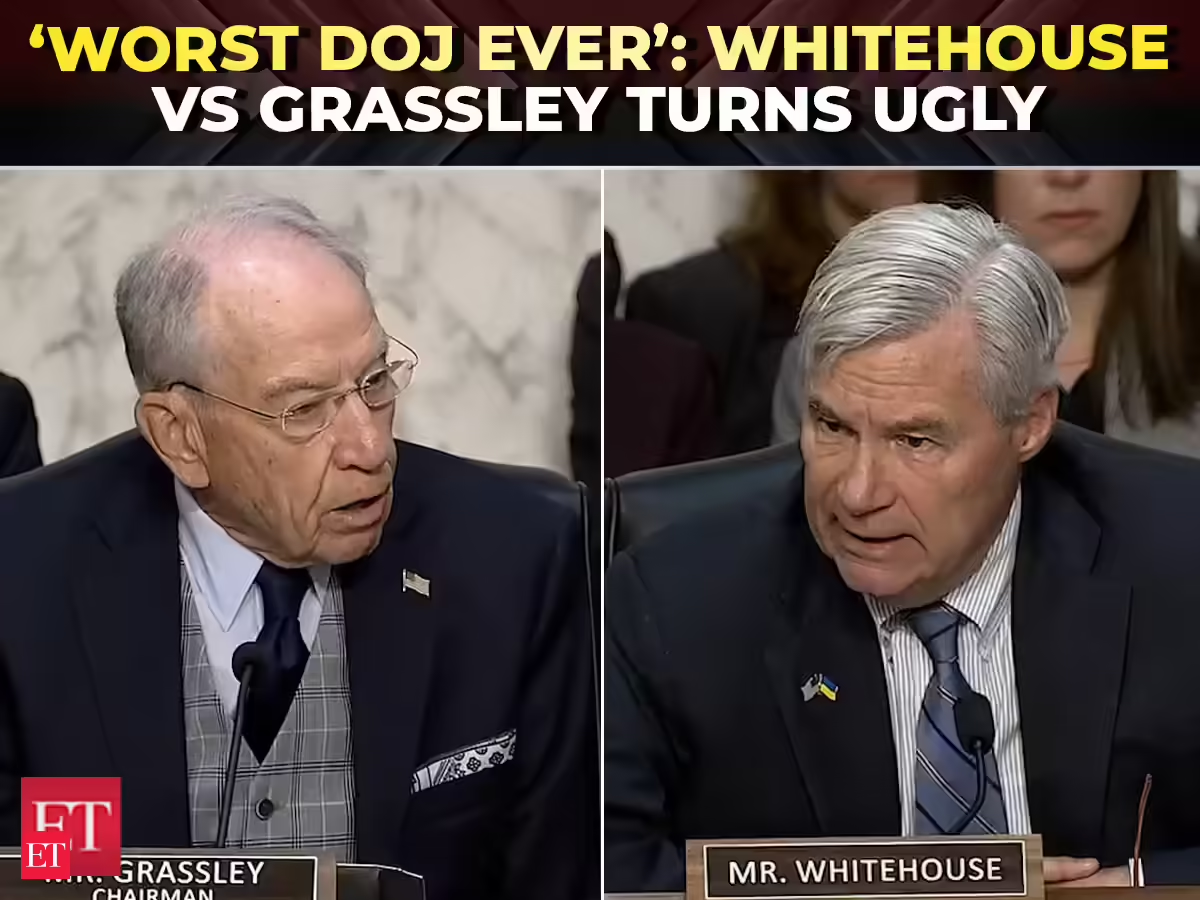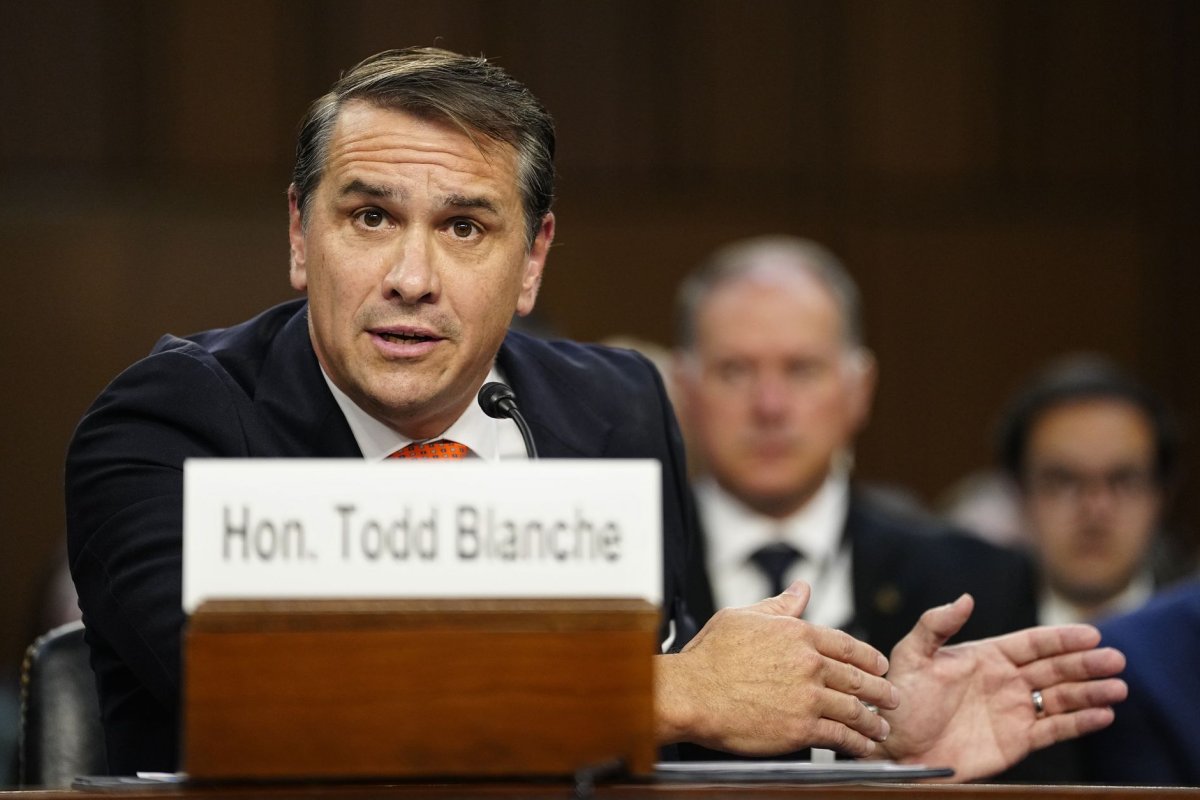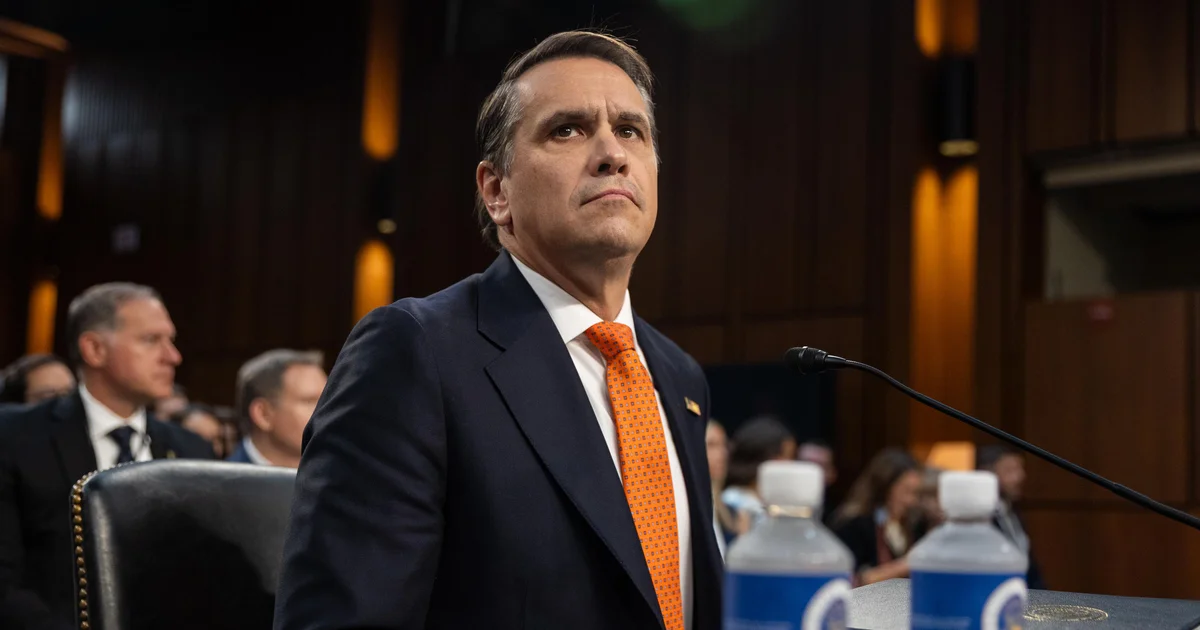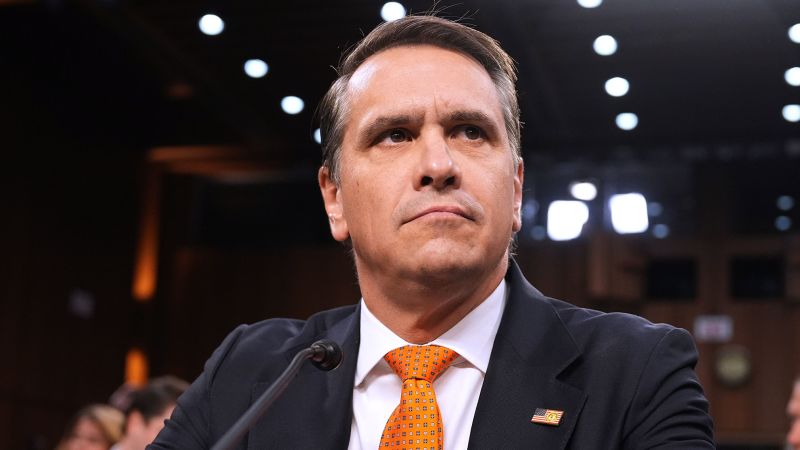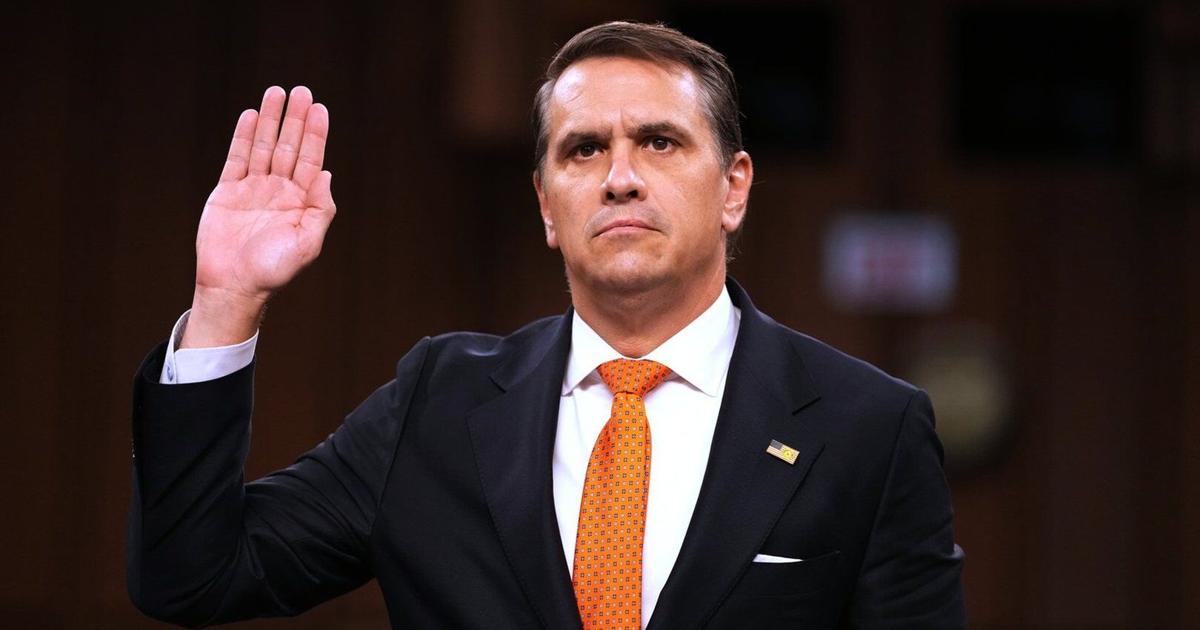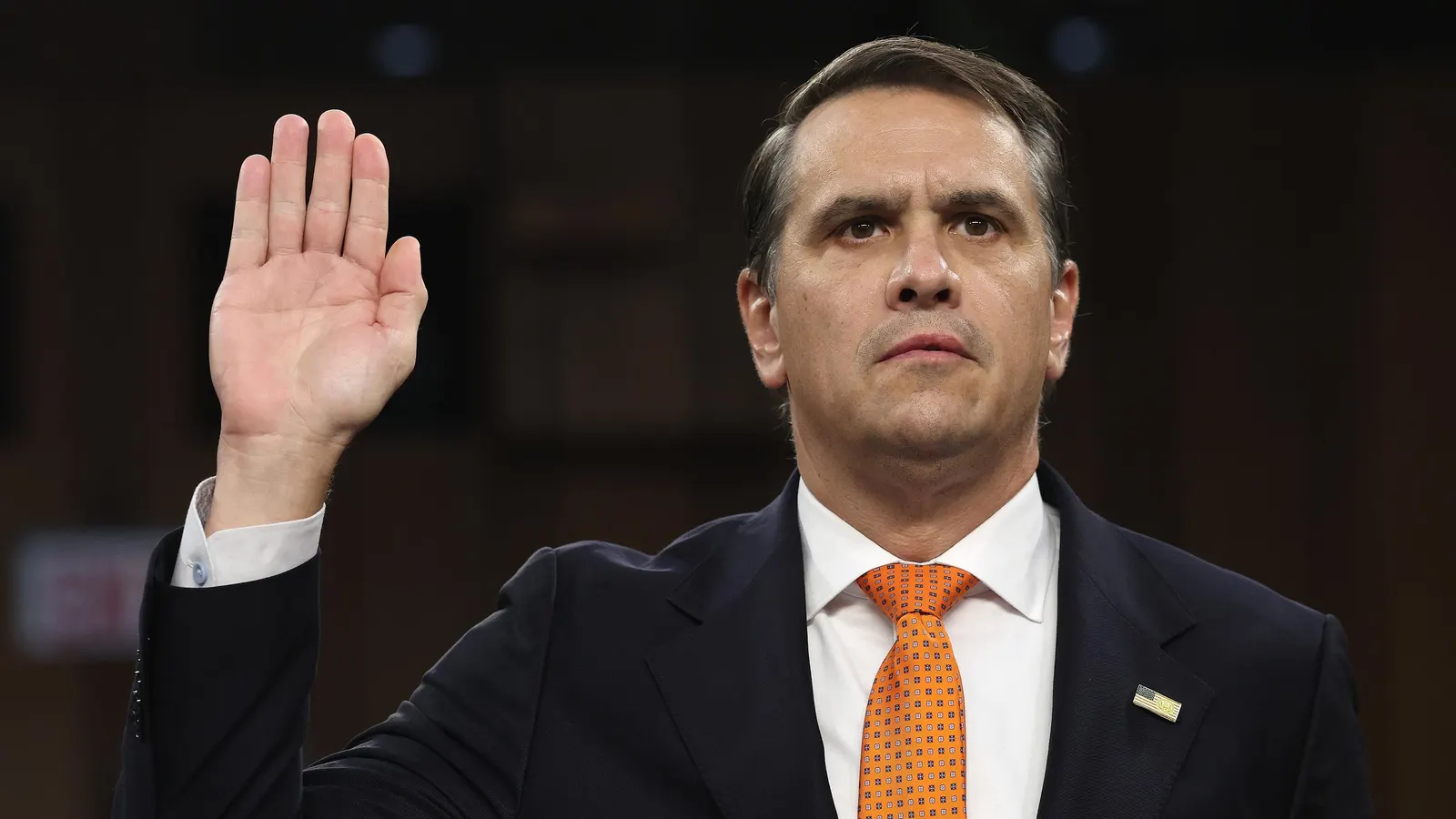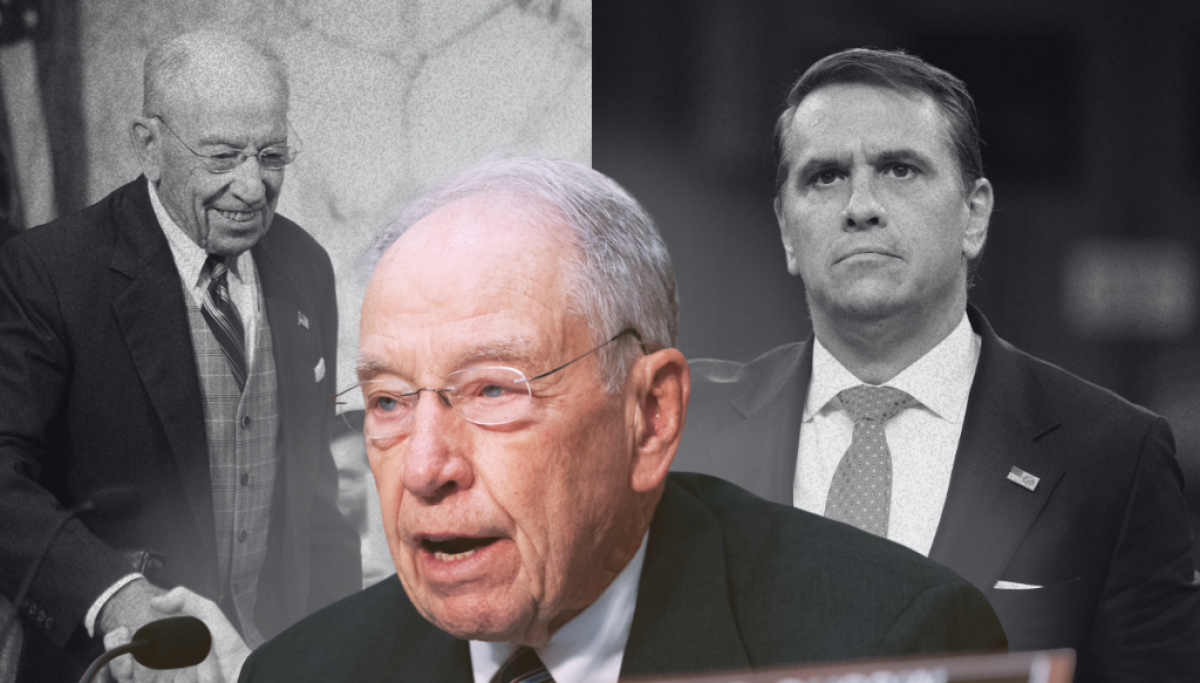
Todd Blanche’s nomination for attorney general was on thin ice when Sen. Chuck Grassley (R-IA), the chairman of the Senate Judiciary Committee, reached out with a plea.“Don’t overcomplicate this. Get it done,” Grassley said in a late July phone call to Blanche, encouraging him to compromise with two holdouts on his committee who wanted written assurances that the Justice Department’s “anti-weaponization” fund was, in fact, dead.The solution, it seemed to Grassley, was relatively simple. Blanche, the acting attorney general, had already stated at his confirmation hearing that the fund, controversial for its expected payouts to Jan. 6 defendants, would not move forward.
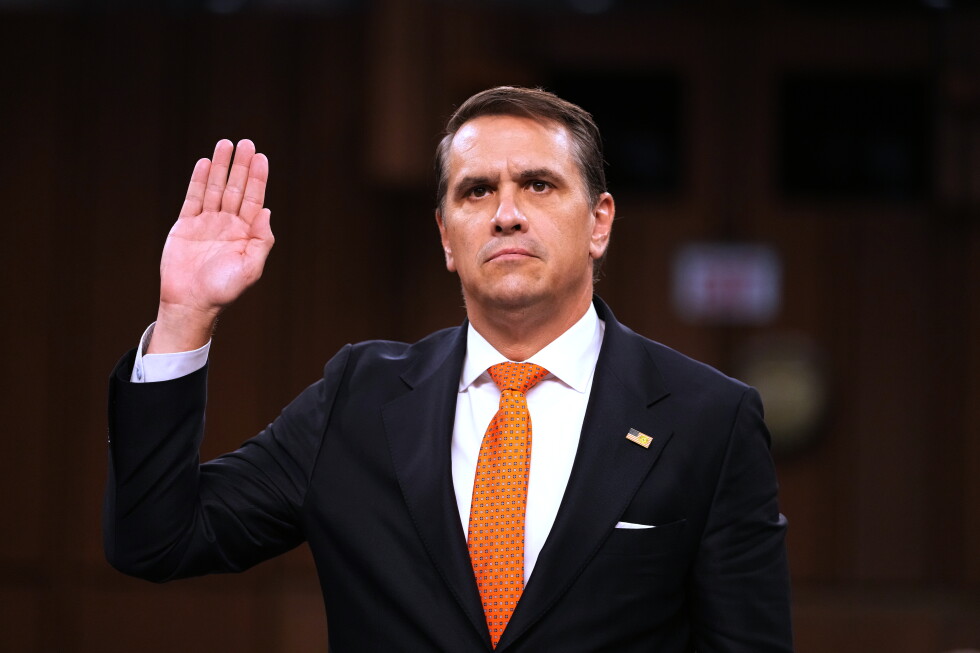
“I said we ought to do this with one sentence,” Grassley recalled in an interview. But Grassley had a political mess on his hands and saw time slipping away for a deal. Sen. John Cornyn (R-TX), one of the holdouts, had just canceled a meeting with Blanche slated for that morning, and negotiations were stalled at the staff level. A draft document hadn’t even been circulated going into the week of a make-or-break committee vote, according to two sources familiar with the talks.HOW THE BIG BEAUTIFUL BILL BECAME LAW: GRAHAM WINS OVER ‘MURDERER’S ROW’The shakiness of Blanche’s nomination would continue all the way to Saturday, when he was confirmed in the Senate by the narrowest of margins, with two GOP senators joining all Democrats in opposition. Sen. Bill Cassidy (R-LA), a longtime Trump skeptic, provided the decisive “yes” vote.The bigger challenge for Blanche, however, was in the Judiciary Committee — and it fell to Grassley as chairman to break a stalemate that risked embarrassing President Donald Trump and denying him a high-profile Cabinet pick.Grassley, who at 92 is the longest-serving member of the Senate, managed to nudge both sides toward a deal just in time for a postponed but successful committee vote on Tuesday. That vote then allowed Blanche’s nomination to proceed to the Senate floor before the August recess, a month-long break that many saw as fatal to Blanche’s prospects of being confirmed.There were multiple dynamics outside of Grassley’s control that nearly derailed the confirmation.Blanche was negotiating with two outgoing senators who had nothing to lose politically if they decided to vote “no.” Cornyn had been defeated by a Trump-backed challenger in his May primary for reelection, while Sen. Thom Tillis (R-NC) announced his retirement as part of a running series of spats with the president that picked up in earnest last year.Two sources close to the negotiations blamed the delays on the president’s personal attorney, Boris Epshteyn, who was involved in discussions over Trump’s immunity from tax audits, another element of a May settlement that Cornyn was scrutinizing.Blanche assured Cornyn at his confirmation hearing that there were limits to that immunity, but Cornyn again wanted that assurance in writing. Epshteyn did not respond to a request for comment at time of publication.Blanche on the brink