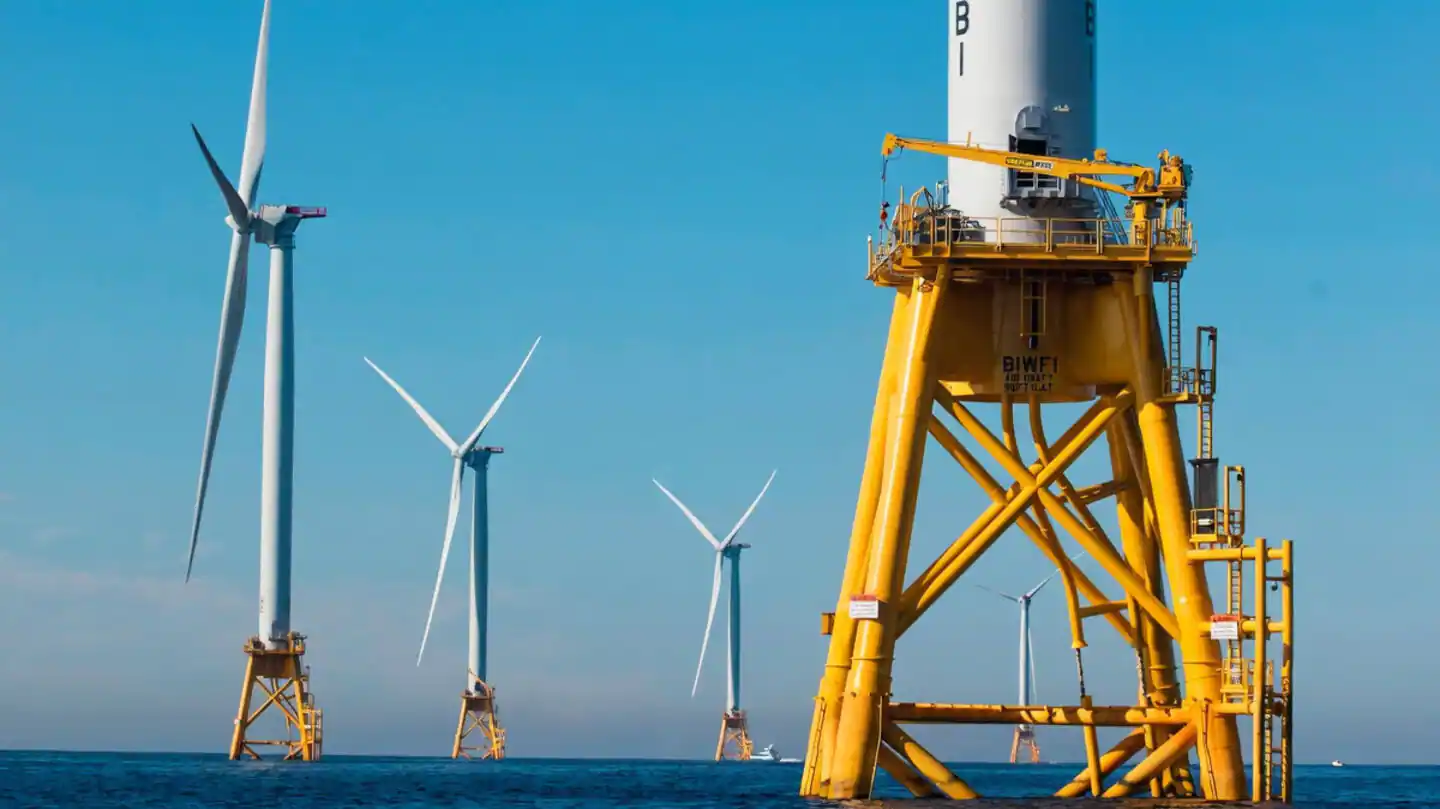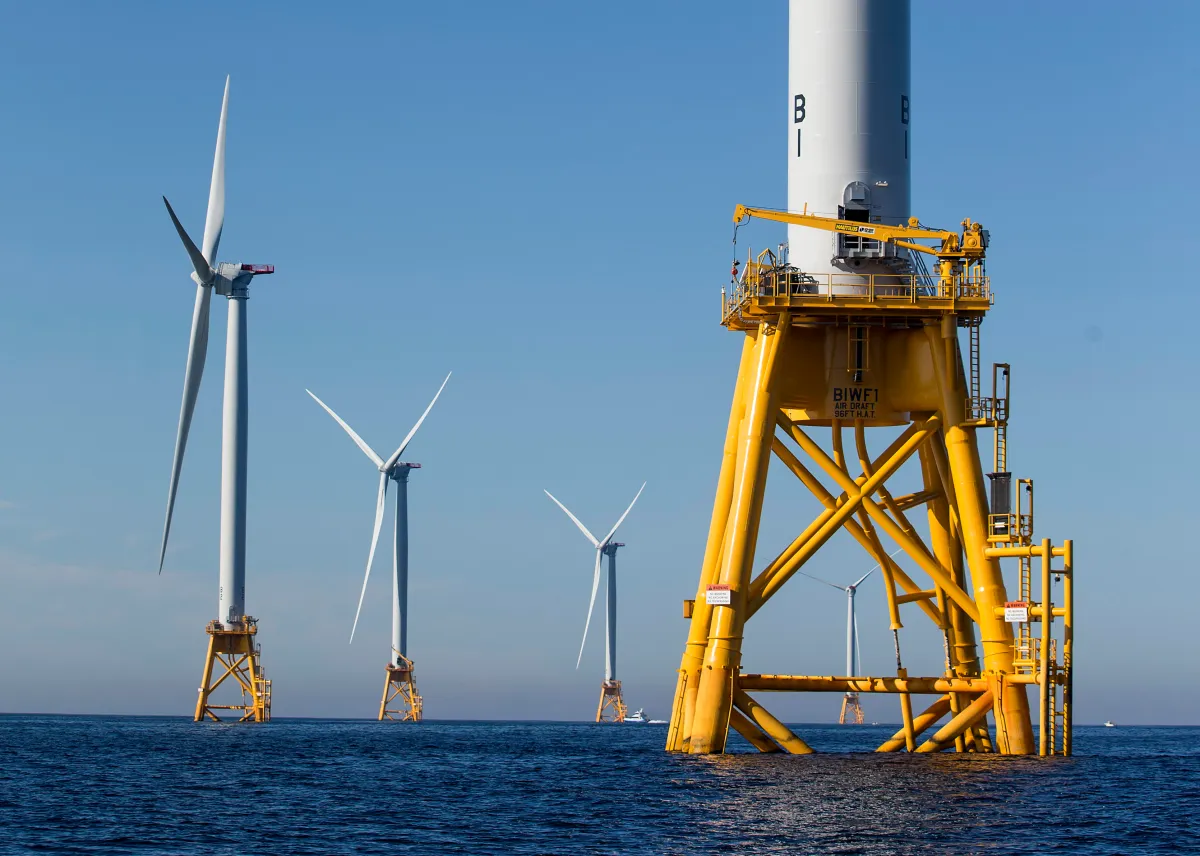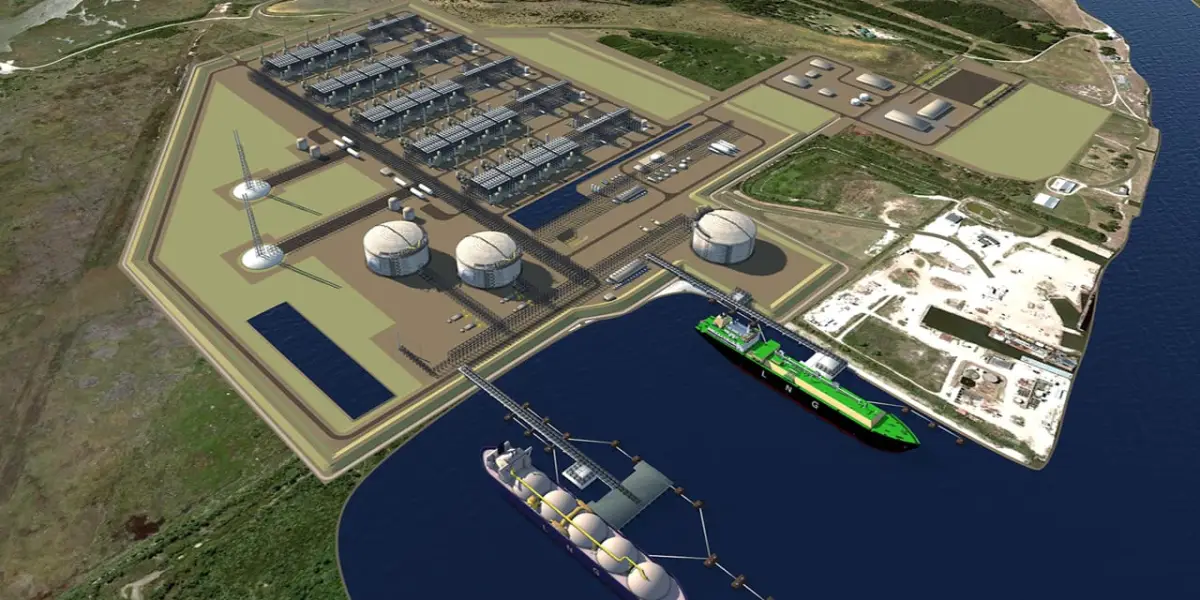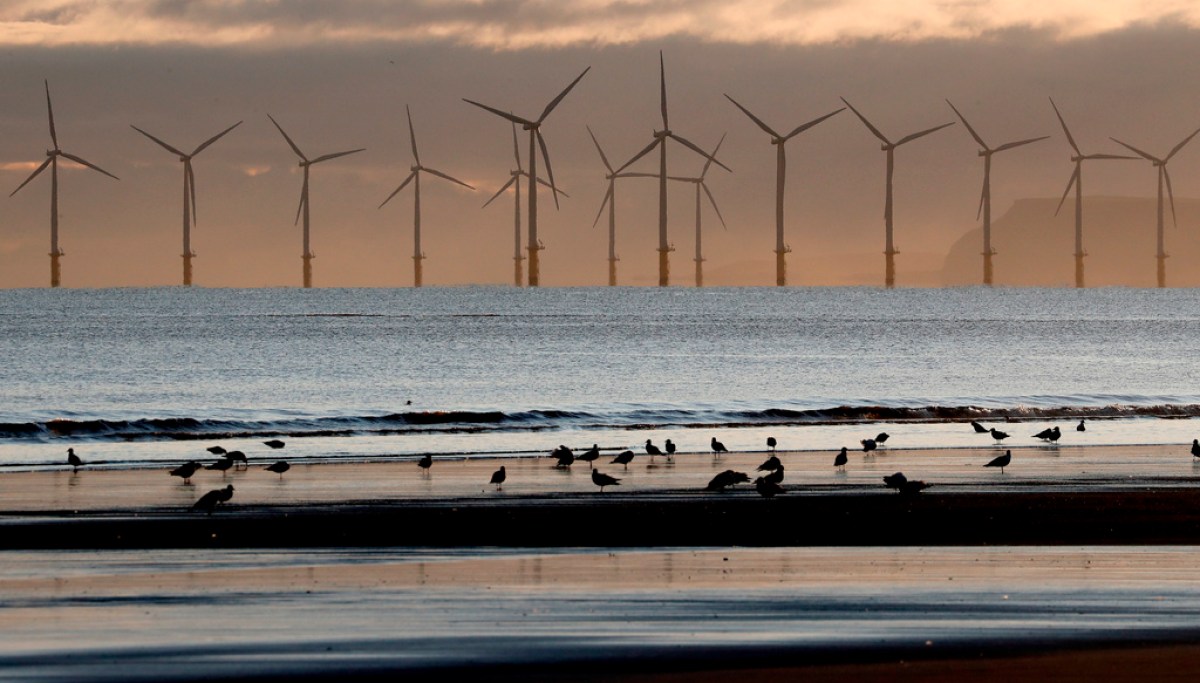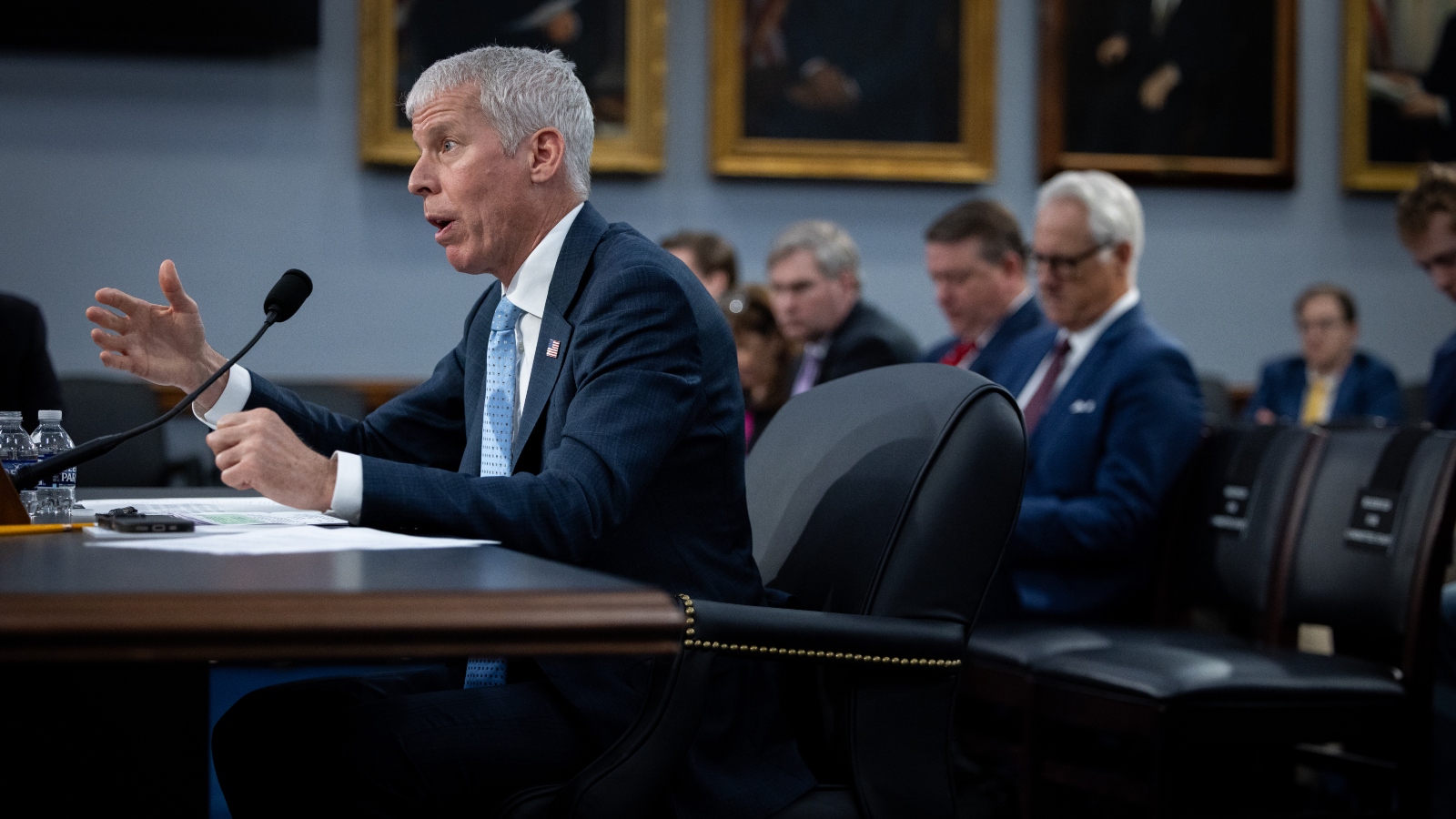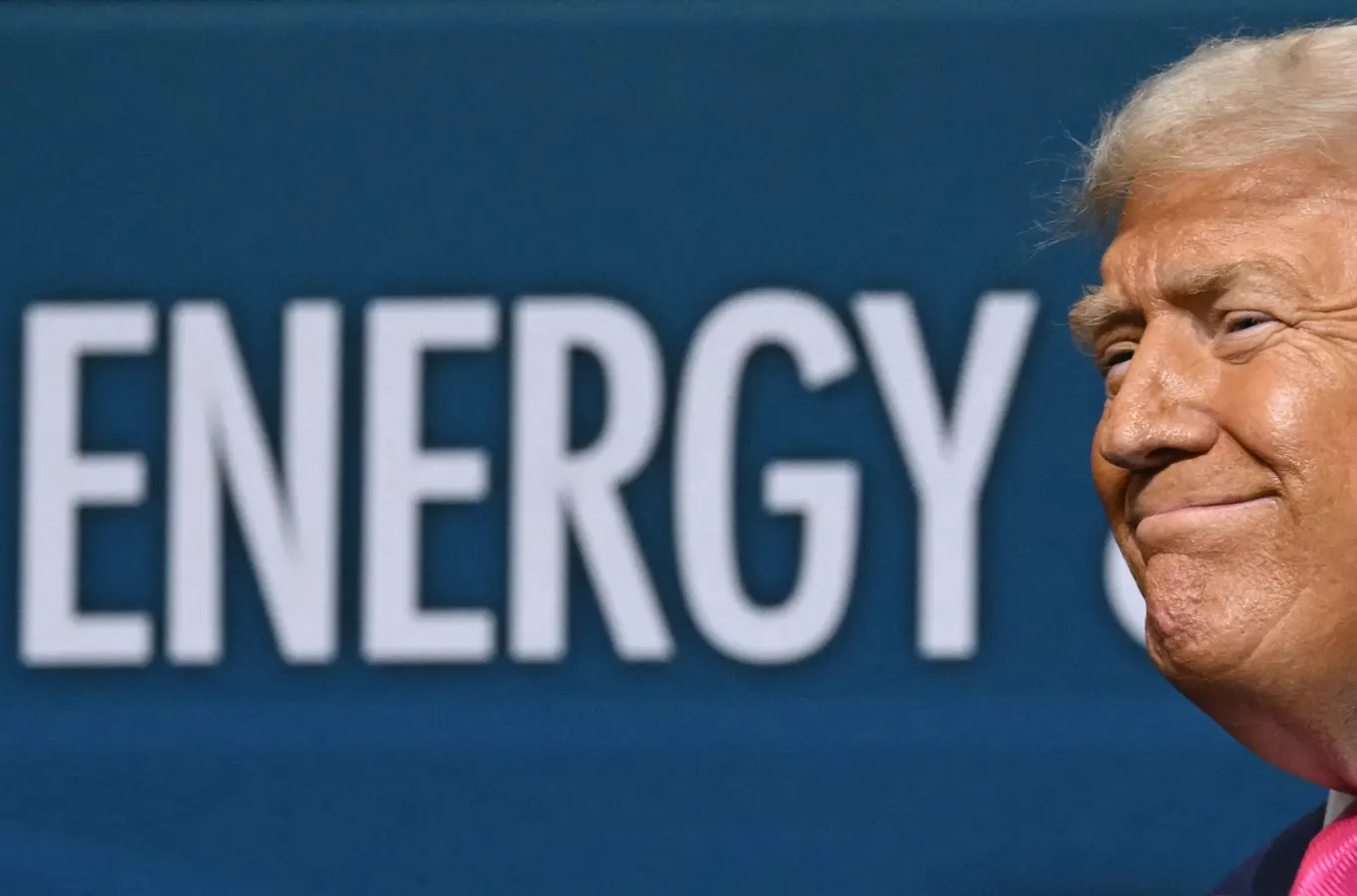
TOPSHOT - US President Donald Trump attends the Pennsylvania Energy and Innovation Summit on the campus of Carnegie Mellon University in Pittsburgh, Pennsylvania on July 15, 2025. (Photo by ANDREW CABALLERO-REYNOLDS / AFP) (Photo by ANDREW CABALLERO-REYNOLDS/AFP via Getty Images)AFP via Getty ImagesThe Trump administration has committed nearly $4 billion to persuade energy companies to cancel planned power projects. In a country officially facing an energy emergency, the numbers reveal a striking contradiction between the administration’s rhetoric and its actions. On his first day back in office, President Trump declared a national energy emergency. America, the order said, does not have enough energy.Eighteen months later, his administration has committed nearly $4 billion of public money to pay energy companies to cancel new electricity supply. To be precise, these were not plants already running. They were planned projects: several gigawatts of potential future generation, at a time when U.S. electricity demand is rising rapidly.Hold those two facts next to each other. They cannot both be common sense.The latest installment came on August 6, when the Department of the Interior agreed to pay the German utility RWE $1.22 billion to walk away from three federal offshore wind leases off New York, California, and Louisiana. Capacity estimates for the three sites run from roughly 3.9 gigawatts in near-term development plans to close to six gigawatts at full build-out. That is electricity for well over a million homes, surrendered. The refund covers most of the $1.26 billion RWE originally paid for the leases, and RWE said it saw "no path forward to permit the projects for the foreseeable future."The payment came with conditions. RWE will put $900 million into a liquefied natural gas project in Louisiana and $300 million into gas turbines, and the company notes it holds a pipeline of 15 gas peaker projects in the United States.MORE FOR YOURead that again. Taxpayer money out. Several gigawatts of future electricity generation removed. Most of the replacement investment goes not to generating electricity at all, but to an LNG export project. The rest backs fossil gas plants that still have to be developed and built.Less planned power. More delay. More fossil fuels. All in the name of an energy emergency. Five Rounds, Nearly $4 BillionRWE is the fifth round of settlements in under six months. In March, TotalEnergies received nearly $1 billion for two leases off New York and North Carolina, on the condition that the money flow into the Rio Grande LNG terminal in Texas. In April, Golden State Wind and Bluepoint Wind surrendered their leases for nearly $900 million combined, with matching fossil-fuel investment required. In June, Invenergy took $765 million for four early-stage leases, and Duke Energy gave up its Carolina Long Bay lease for $129 million. The AP puts the total at close to $4 billion in agreed reimbursements.Not every settlement dictates where the money goes: Duke is free to reinvest in new generation including nuclear and grid upgrades. But most of the money came with oil, gas, or LNG strings attached. Senator Sheldon Whitehouse calls the arrangement an "enormous money pump" in which regular families pay off fossil fuel donors. The administration does not deny the sums or the conditions. It defends them.The Government's Case, In Four ArgumentsHere is that defense at full strength, so no one can say it was not heard.US Interior Secretary Doug Burgum (Photo by Federico PARRA / AFP via Getty Images)AFP via Getty ImagesAmericans "deserve an energy system built on common sense, not one dependent on costly subsidies or technologies that can't meet our country's current demand."
US Declared An Energy Emergency. Then Paid $4 Billion For Less Energy
Trump's administration paid energy firms nearly $4 billion to cancel offshore wind projects during a declared energy emergency. Less power, later, at higher cost.
1,495 words~7 min read