The first week of June witnessed two major events in the country. The momentum of both, and the discussion around them, continues in one form or another.
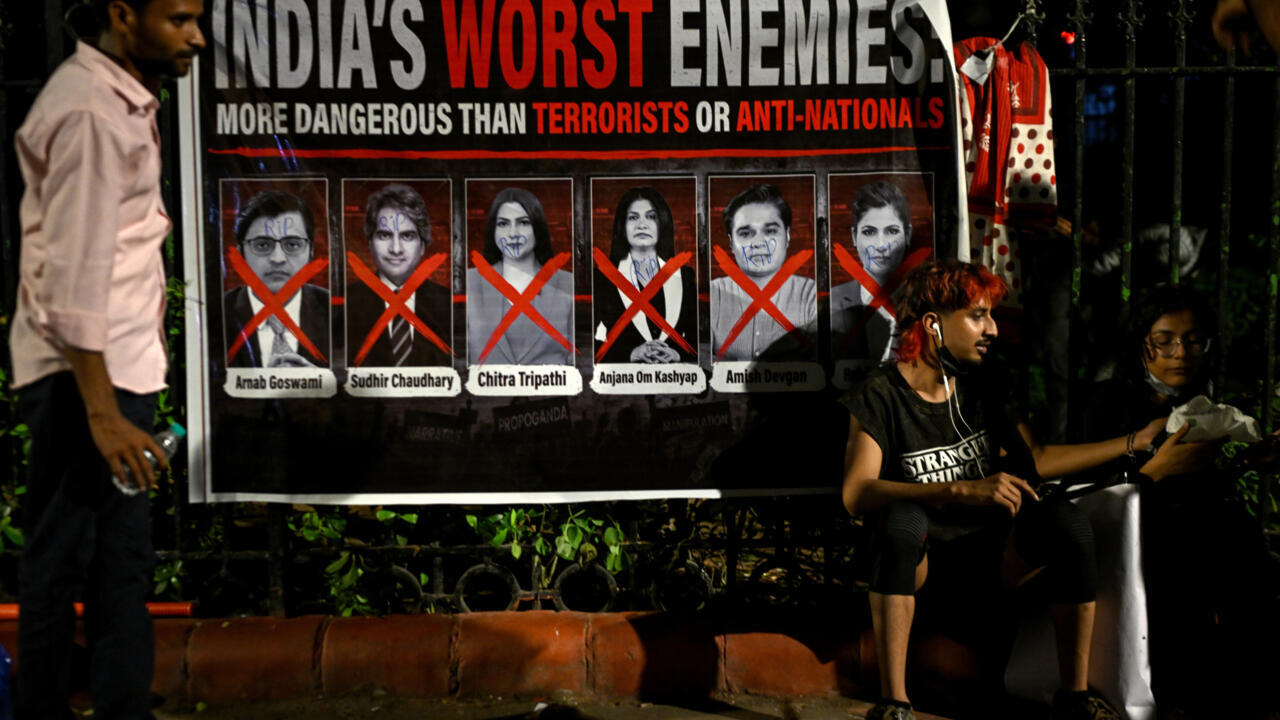
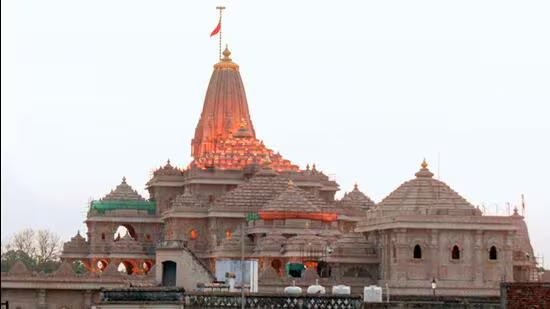
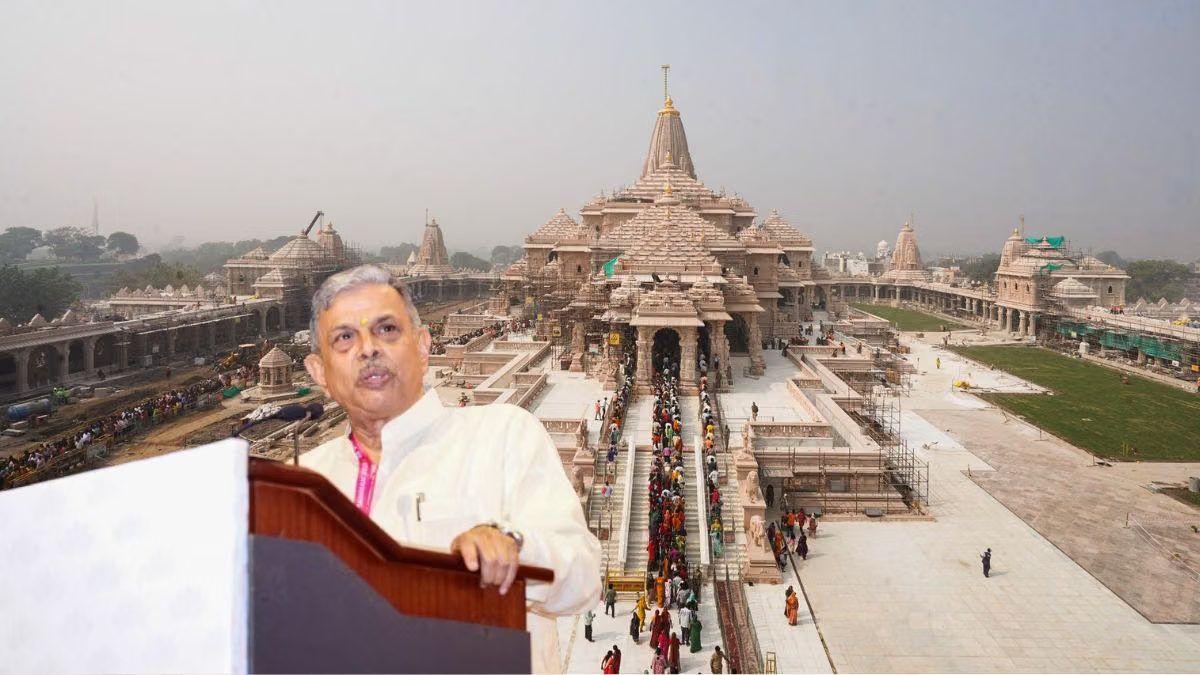
First, news came of the regular theft of offerings at the Ram Janmabhoomi Temple in Ayodhya. A most senior office-holder of the Vishwa Hindu Parishad, Champat Rai, was in the line of fire, and had to step down ultimately from his position in the temple trust. Second, the youth movement led by the satirical Cockroach Janta Party (CJP) resulted in the resignation of Dharmendra Pradhan—also from the Sangh Parivar—as Union education minister.What is noteworthy is that in both cases, the Sangh leaders opened their mouths only weeks later. And in neither case did they accept any fault of their own. The RSS mouthpiece Organiser even called the Gen Z movement ‘anti-India’ and ‘anarchic madness’. In fact, throughout June and July, the social media handles that support RSS-BJP were engaged only in pouring dirt upon the CJP and Gen Z. It would be naive to believe that the leaders of the RSS had a sudden change of heart.
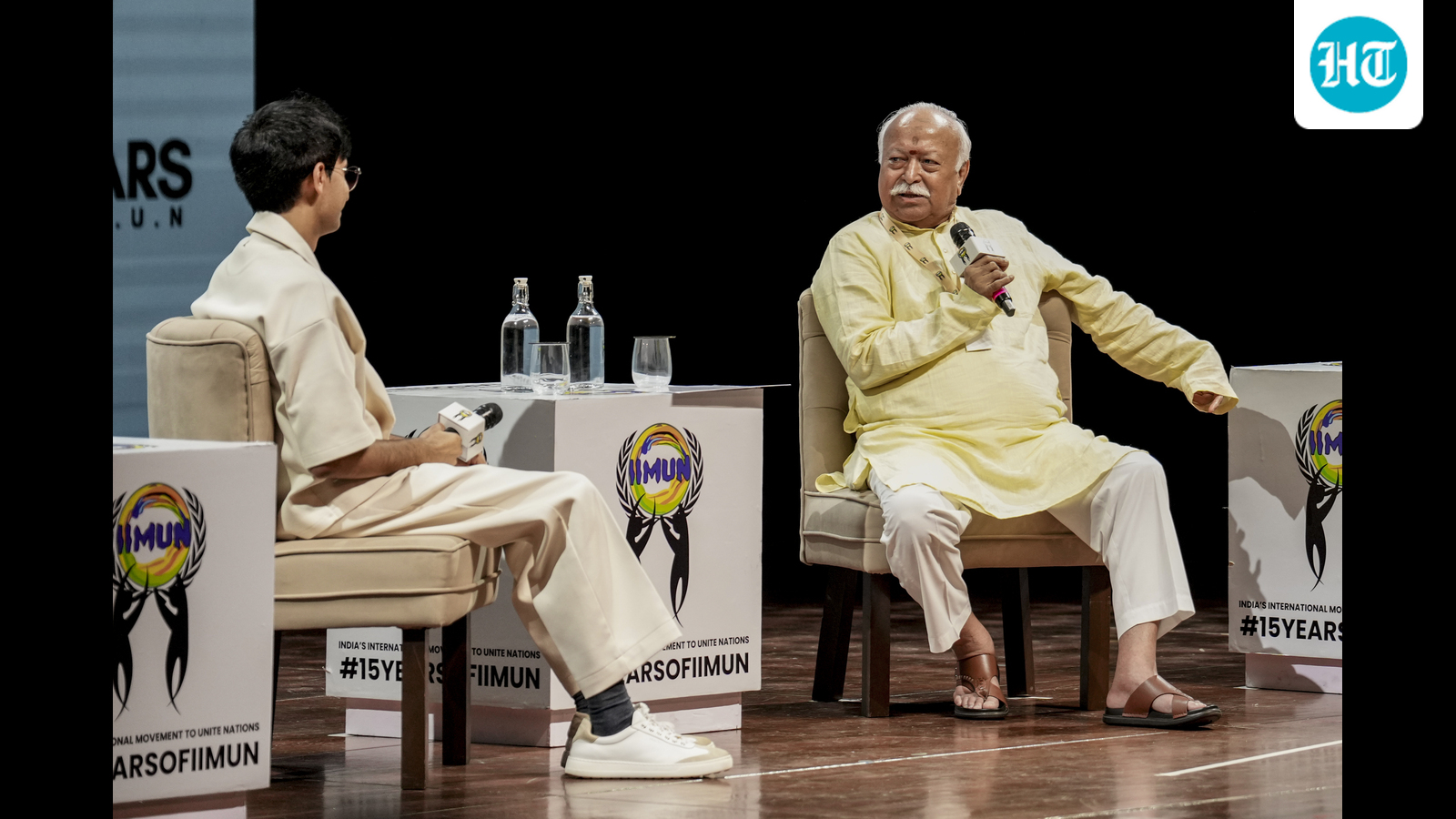
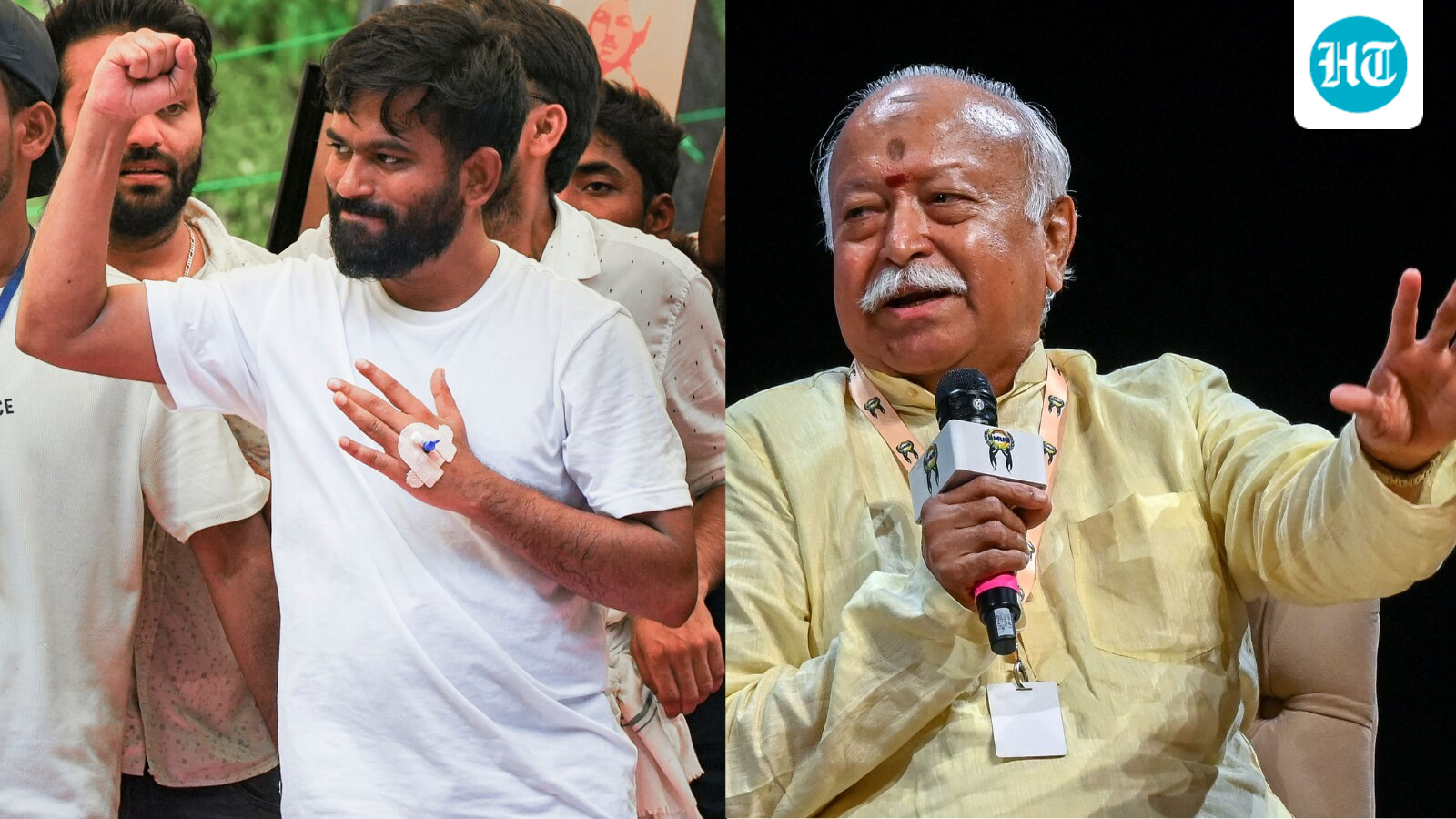
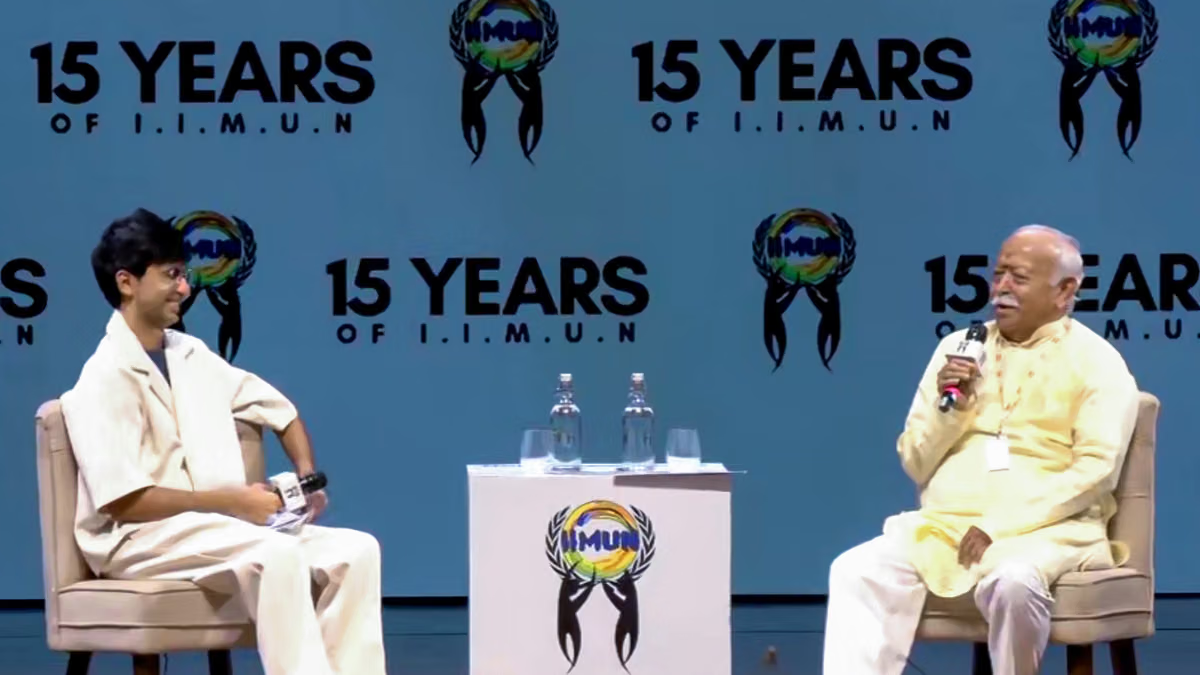
That is why the statement made by Sarsanghchalak Mohan Bhagwat in Mumbai on 6 August is, in a way, newspeak.“The grievances of Gen Z are justified. If they had been spoken to earlier, there would have been no need for the movement. We should listen to what they have to say… When other avenues do not work, one has to protest. Protest is a legitimate method,“ Bhagwat said.He added that “young people who launch a movement over their demands cannot be called anti-national.”Thus, Bhagwat tangentially criticised the BJP leadership for not having engaged the young protesters earlier. That is, the task that Prime Minister Narendra Modi assigned to his trusted ministers, JP Nadda and Jitendra Singh, six weeks later should have been done much sooner.What does Bhagwat’s criticism show, coming an entire two months after the Gen Z movement began? Most political folks regard it as good politics. When the ruling Sangh Parivar leaders failed to bend the movement, other faces from the ecosystem are now trying to make it their own, so that the Opposition cannot derive any benefit from it.But there is another aspect to the criticism. It is an old tendency of the RSS that it wants to have a space, possibly controlling space, in every sphere of the society: every institution, every governing entity. Occasionally criticising a government run by its own trained folks is a part of this strategy. It ensures that the role of the ‘Opposition’ too remains to the possible extent in its own hands.The criticism always arrives late