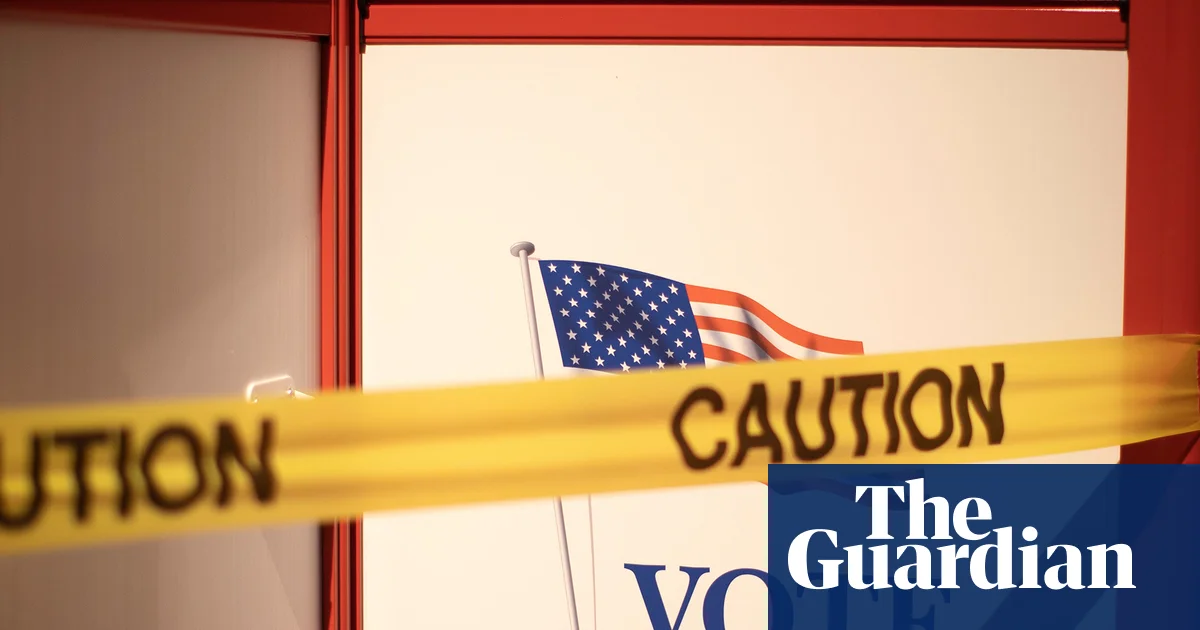
Few ideas live closer to the heart of Donald Trump’s political brand than his consistent claim that the American Left steals elections at his expense. If we don’t stop them, Trump warns his crowds, we won’t have a country anymore.
When he (fairly) defeated Hillary Clinton in 2016, but without winning a majority of votes, he insisted that millions had voted against him illegally, and that the Democratic Party had “rigg[ed] the election at polling booths.” When he lost to Joe Biden in 2020, he made these and more charges, and then encouraged a riot at the Capitol to try to halt the election’s certification. In 2024, he said Democrats had recognized his win over Kamala Harris only because the margin had been “too big to rig.”
Now Trump faces his final popular vote. His name won’t appear on the ballot this November, but the results of midterm elections for Congress are nearly always considered a referendum on the president and his performance. That’s especially true when, as now, his party holds majorities in both legislative houses.
This next election comes at a time of deep unpopularity for Trump. His poll numbers are lower at this point in his tenure than those of any second-term US president in the past 80 years – with the sole exception of Richard Nixon on the eve of his disgraced resignation in 1974.