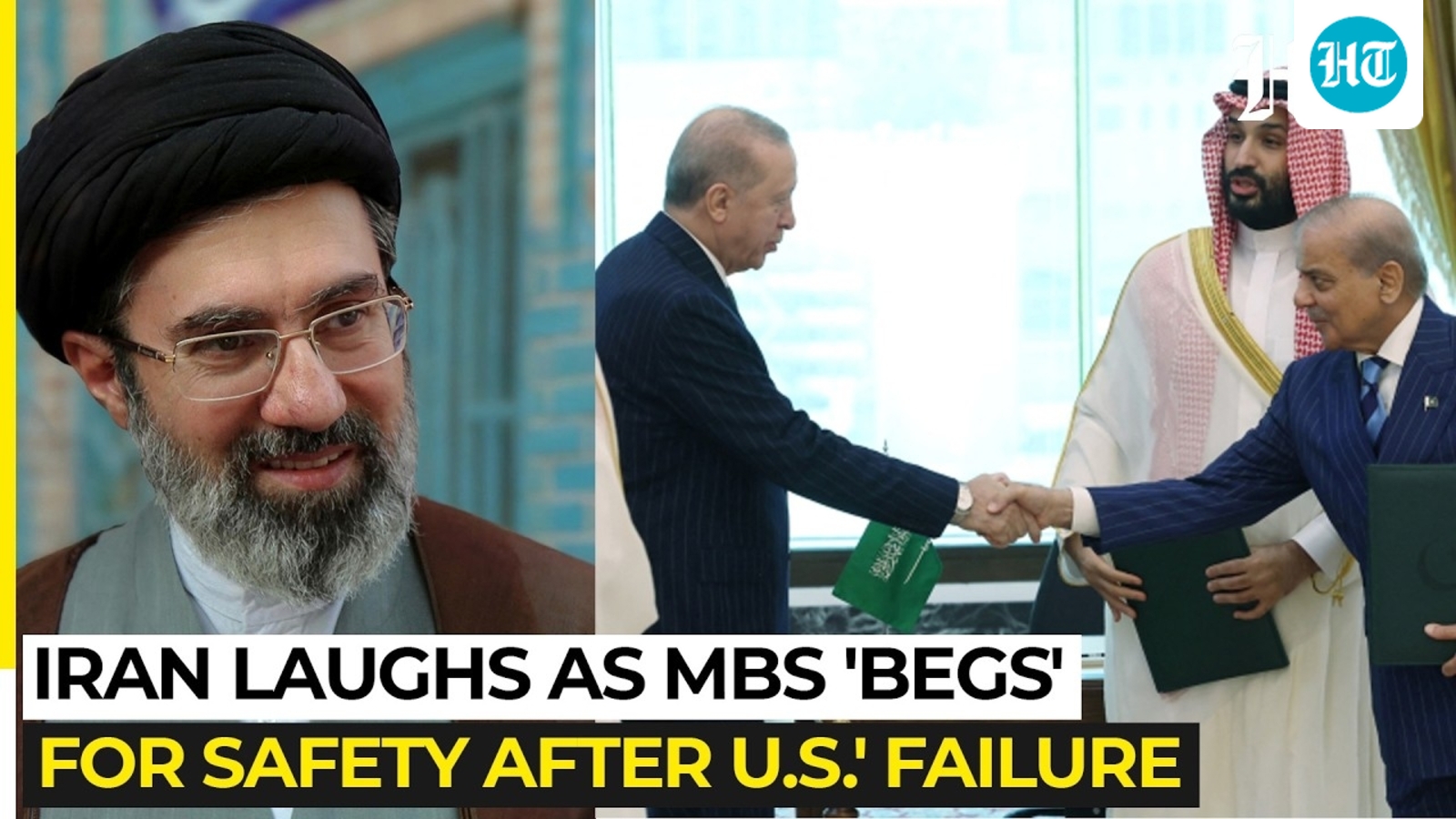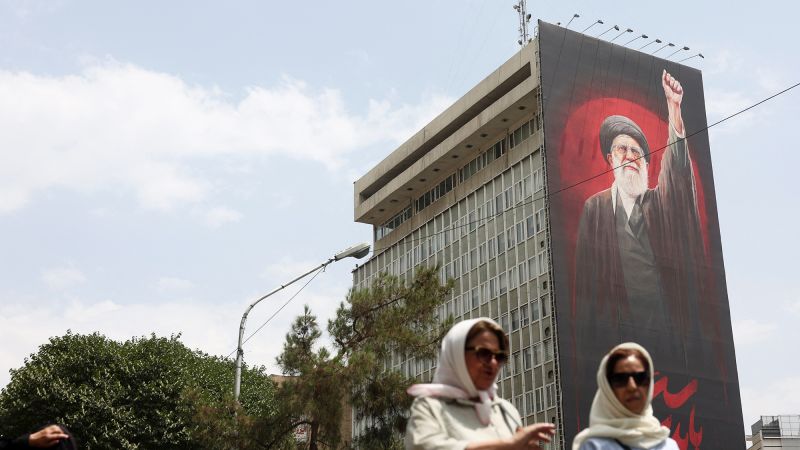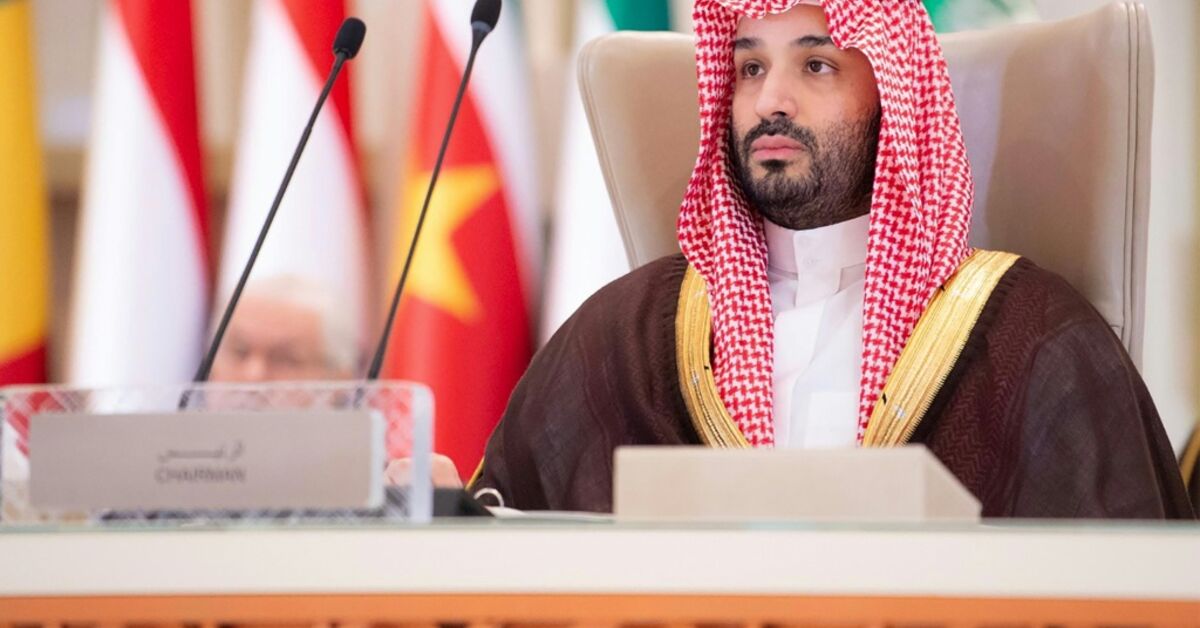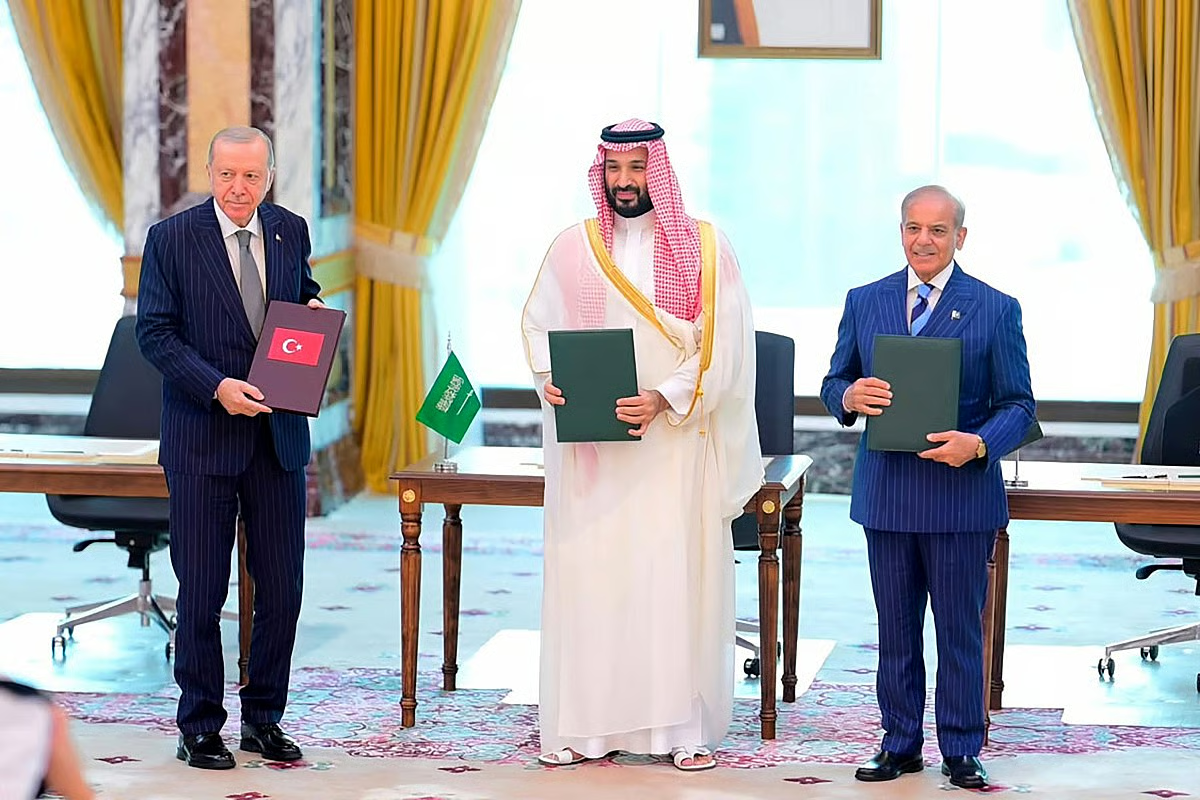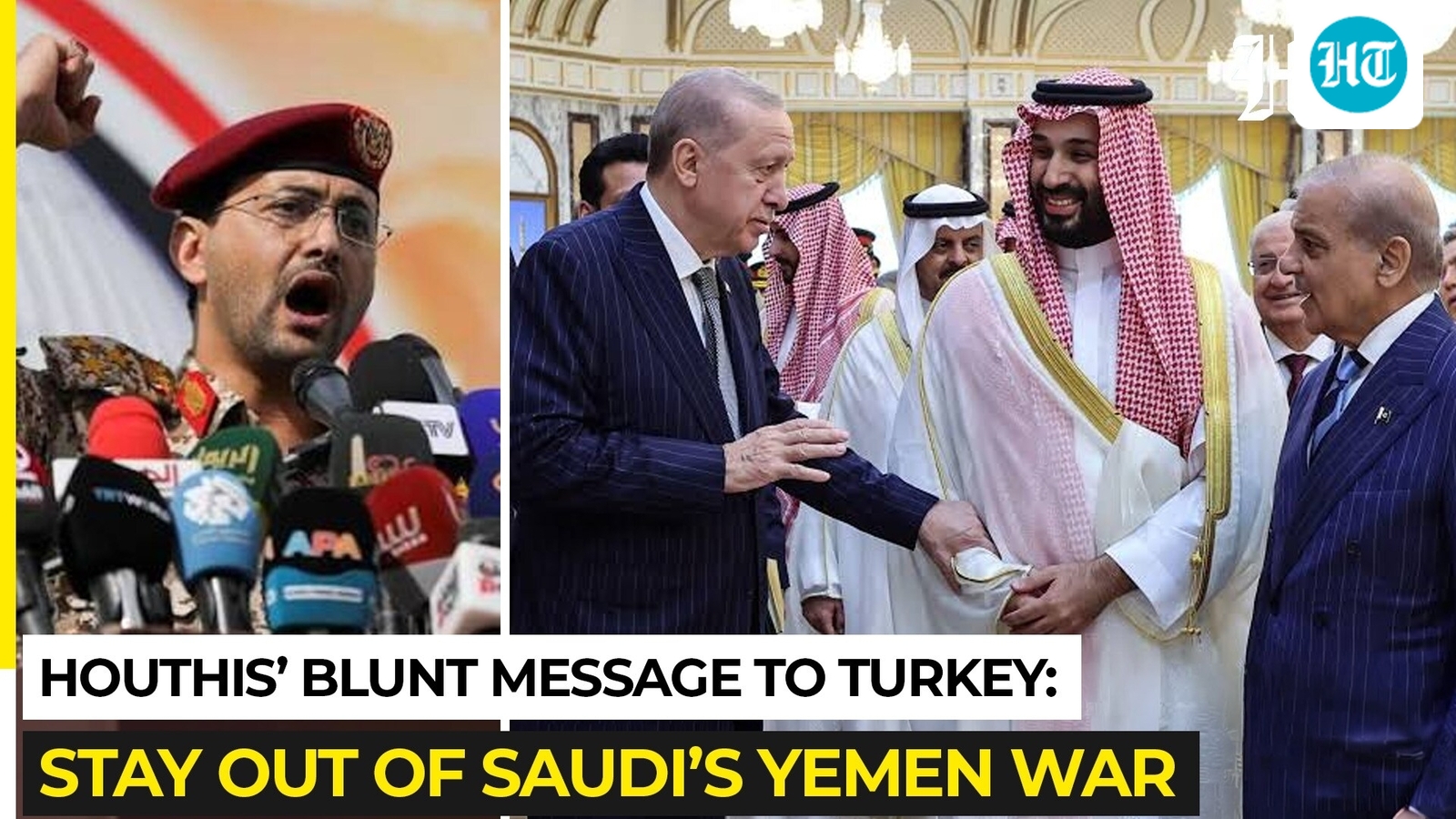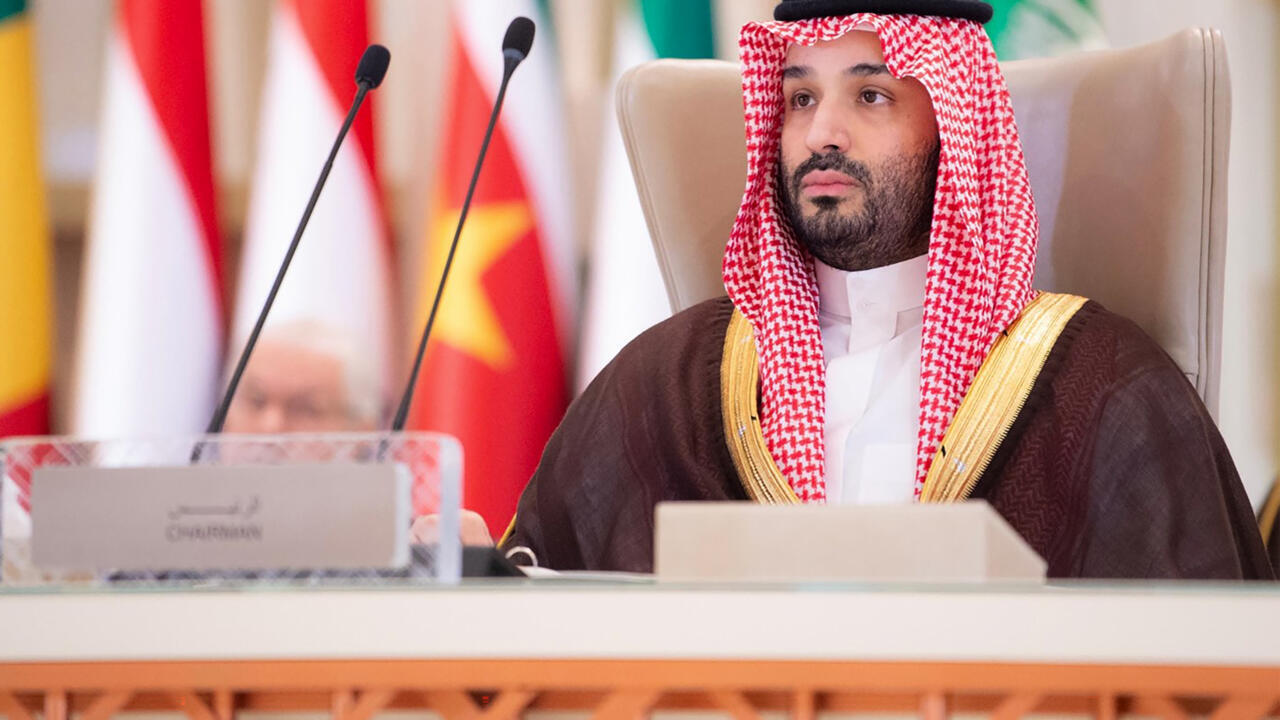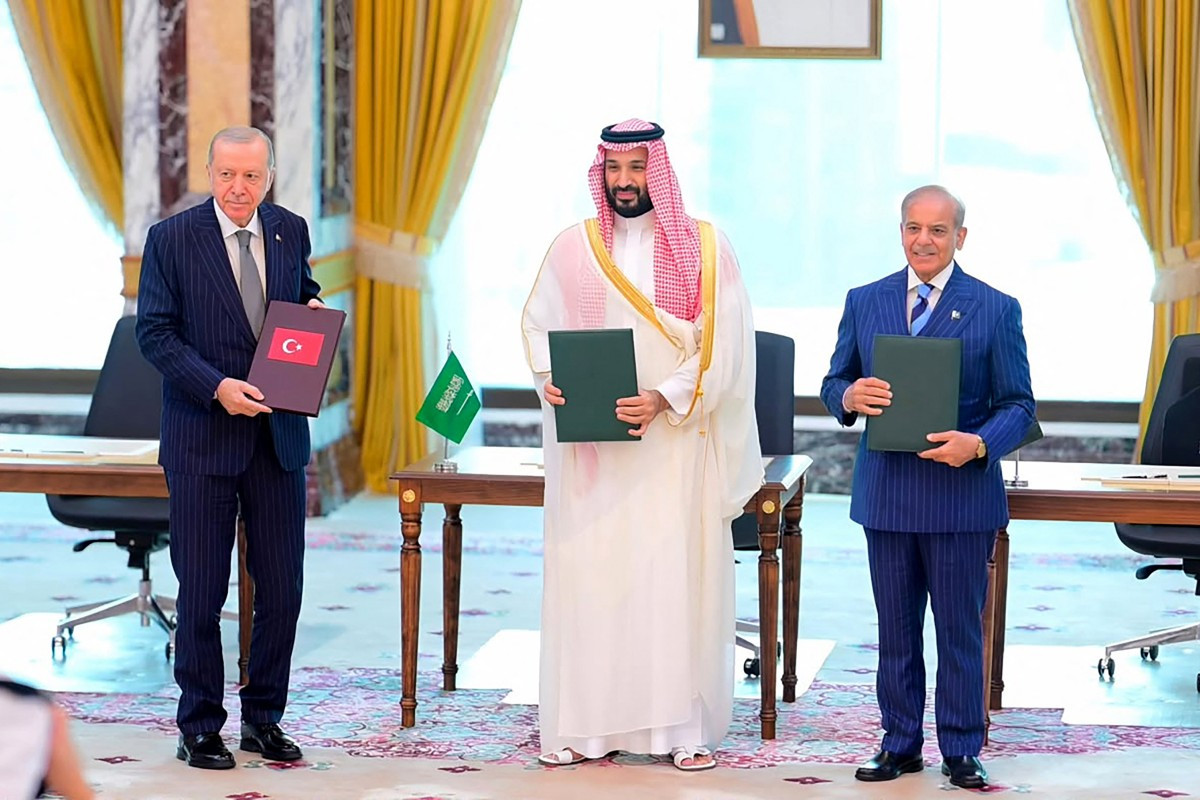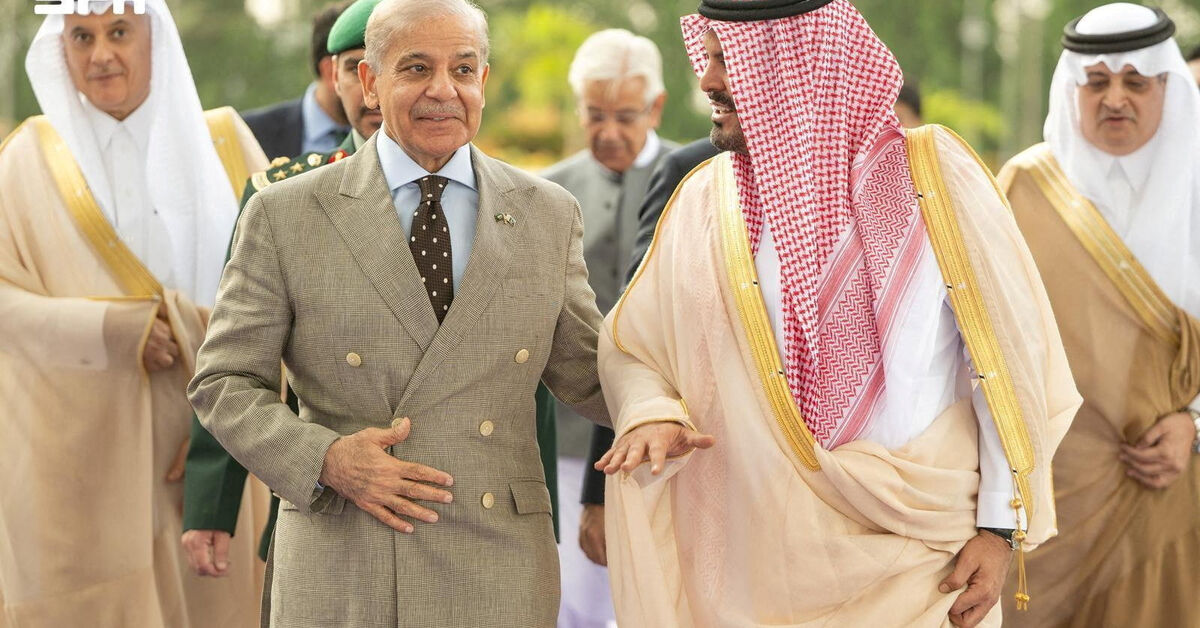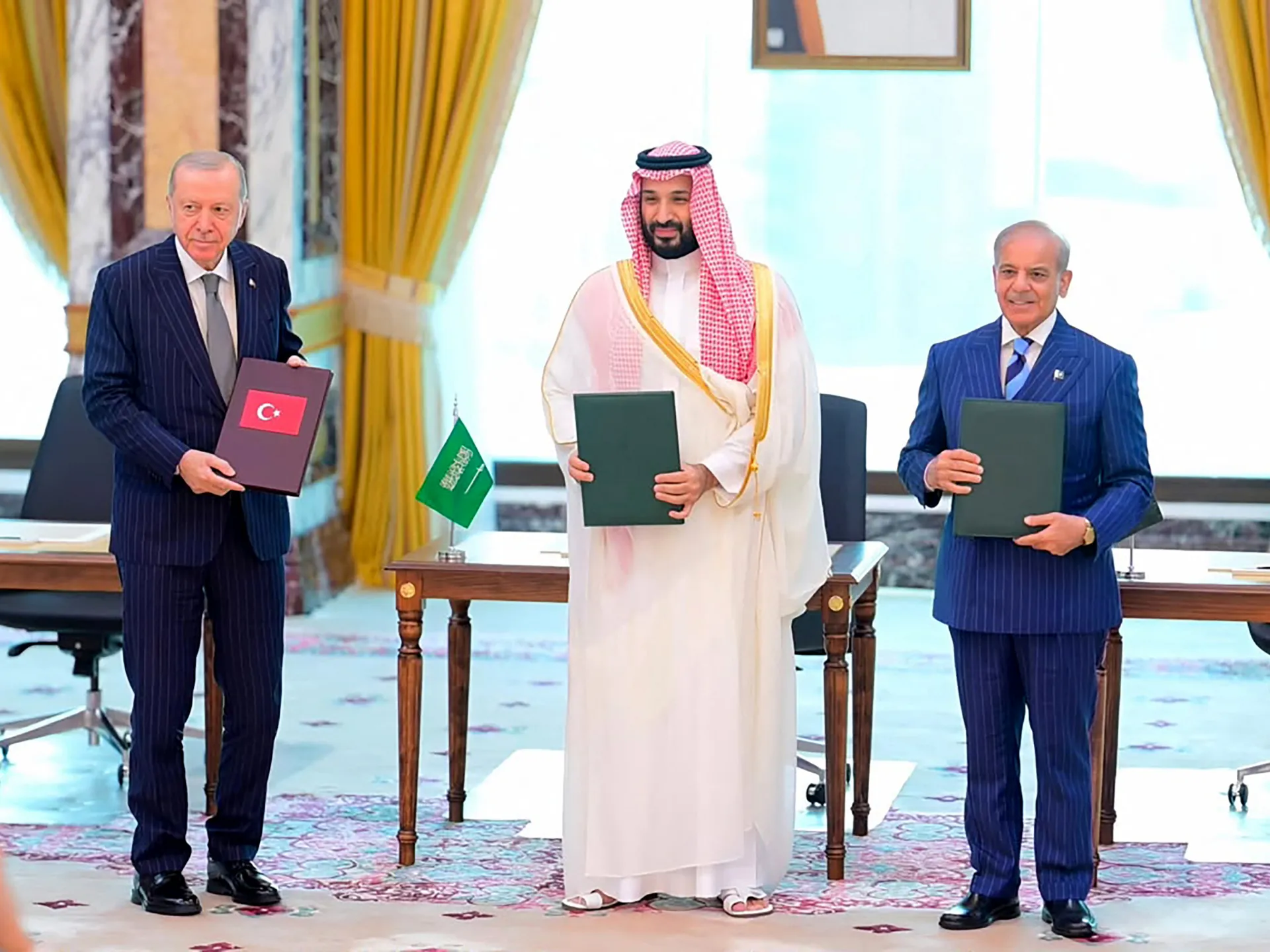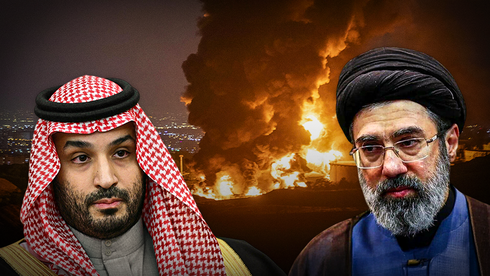
Tehran warns Riyadh that its defense alliance with Turkey and Pakistan will not ensure its security, while Houthis deny taking orders from Iran; UAE tanker is struck in Strait of Hormuz as Gulf states condemn attack and Iran accuses US of violating understandingsIran has issued a warning to Saudi Arabia that its defense alliance with Turkey and Pakistan will not be enough to guarantee its security, as tensions across the Gulf continue to rise and attacks on commercial shipping in the Strait of Hormuz persist.CNN reported Saturday that Tehran had delivered the threatening message to Riyadh amid an exchange of strikes involving the Houthis, Iran-backed rebels in Yemen. A senior Houthi official, meanwhile, insisted that the group does not wait for instructions from Tehran before escalating against Saudi Arabia. ‘The orders against Saudi Arabia do not come from Iran,’ the Houthi official said.Gallery Iran threatens Saudi Arabia after defense pact (Photo: Brendan SMIALOWSKI/AFP, Stringer/Getty Images)He accused Riyadh of imposing an economic and aerial blockade on Houthi-controlled territory in Yemen, saying it had created ‘the world's worst man-made humanitarian crisis. That reason alone is enough to compel us to act with great determination,’ he said.The official also claimed that Houthi attacks against Saudi targets this week had been preventive, alleging that Riyadh had been preparing for a ground invasion of rebel-held territory.At the same time, the United Arab Emirates' state news agency reported Saturday that a vessel operated by ADNOC was struck by a missile while passing through the Strait of Hormuz.The UAE Foreign Ministry condemned the attack, calling it a blatant violation of a UN Security Council resolution emphasizing freedom of navigation and rejecting attacks on commercial vessels or disruption of international maritime routes.The UAE said that targeting commercial vessels and using the Strait of Hormuz ‘as a tool for pressure or economic blackmail’ amounted to an act of piracy by Iran's Islamic Revolutionary Guard Corps and posed a direct threat to regional stability and global energy security.Abu Dhabi called on Iran to halt the attacks, end what it described as hostile actions and fully and unconditionally reopen the strait. Qatar, Saudi Arabia and Jordan also condemned the attack.Iranian President Masoud Pezeshkian, however, accused Washington of violating an agreement governing the waterway. ‘The American side violated the Strait of Hormuz clause in the memorandum of understanding, and we responded accordingly,’ he said.Iran's Mehr news agency reported that Foreign Minister Abbas Araghchi said talks with Oman over managing the strait and establishing a new shipping route were close to an agreement, although reopening the waterway ‘depends on other conditions.’Araghchi also accused the U.S. of violating what he called the Pakistan memorandum of understanding and said Iran's role in managing the Strait of Hormuz was not negotiable. ‘The previous traffic separation scheme in the Strait of Hormuz is no longer acceptable to Tehran, and a new route is required,’ Araghchi said.He said the process involved technical and legal complications and that negotiations were underway on an interim arrangement. ‘Because of these complexities, we are currently discussing a temporary route. Before a new route is established, a temporary route will be adopted,’ he said.Pakistani Defense Minister Khawaja Muhammad Asif, meanwhile, turned his criticism toward Israel, calling on the Muslim world ‘to unite in confronting the common threat posed by Israel.’Following the mutual defense agreement signed with Saudi Arabia and Turkey, Asif said: ‘Israel poses a threat to all of us. Islamic countries must adopt a coordinated approach to confront this threat.’The escalating tensions come as senior U.S. military officials are reportedly questioning how much further Washington should pursue the six-month-old war with Iran.CNN reported overnight that Chairman of the Joint Chiefs of Staff Gen. Dan Caine has been seeking an ‘exit path’ from the conflict, which has continued despite ceasefires that were announced and subsequently collapsed, a memorandum of understanding that was signed and violated, and renewed negotiations over control of the Strait of Hormuz.Three people familiar with the matter told CNN that Caine has made clear in private discussions with senior members of President Donald Trump's team in recent weeks that the U.S. needs to find a way out of the war.According to the report, Caine believes military options currently under consideration for escalating the campaign could produce the opposite of their intended effect, while air power alone is unlikely to achieve Trump's stated war objectives.Those objectives include dismantling Iran's nuclear program and restoring free passage through the Strait of Hormuz to the conditions that existed before the war began on February 28. ‘Caine is looking for a way out,’ one source told CNN.The report said Caine is not alone in believing the war has reached a critical juncture. Two sources said he had discussed concerns about escalation options and the possibility of finding an exit with senior administration officials, including CIA Director John Ratcliffe, Secretary of State Marco Rubio and Vice President JD Vance.One source told CNN that when Trump threatened in late July to resume full-scale bombing, Caine and others in the administration were concerned about the possible consequences of a broader escalation.The source declined to discuss operational details but said ‘the only people who supported the operation were officials at Central Command,’ or CENTCOM. Israel also broadly supported an operation to intensify the war, according to the report.Trump ultimately called off the strikes, saying he had done so following conversations with Middle Eastern leaders who warned of possible Iranian retaliation against energy infrastructure. A senior Trump administration official told CNN, however, that the president has not ruled out future strikes.
Iran warns Saudi defense pact cannot guarantee security as Hormuz attacks continue
Tehran warns Riyadh that its defense alliance with Turkey and Pakistan will not ensure its security, while Houthis deny taking orders from Iran; UAE tanker is struck in Strait of Hormuz as Gulf states condemn attack and Iran accuses US of violating understandings
921 words~4 min read