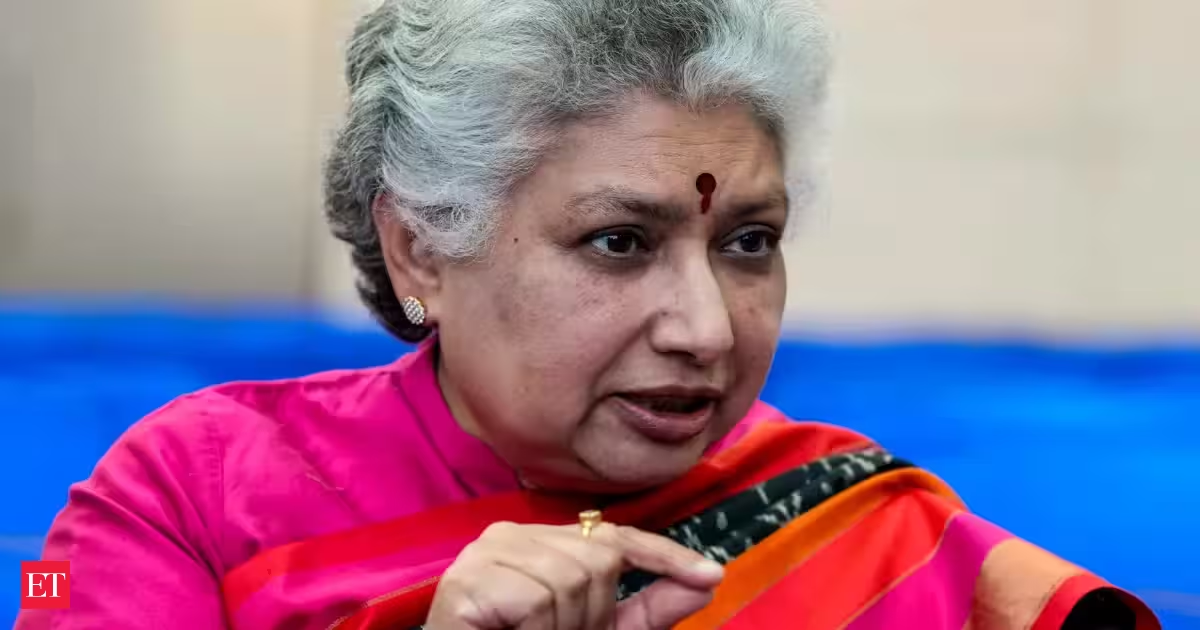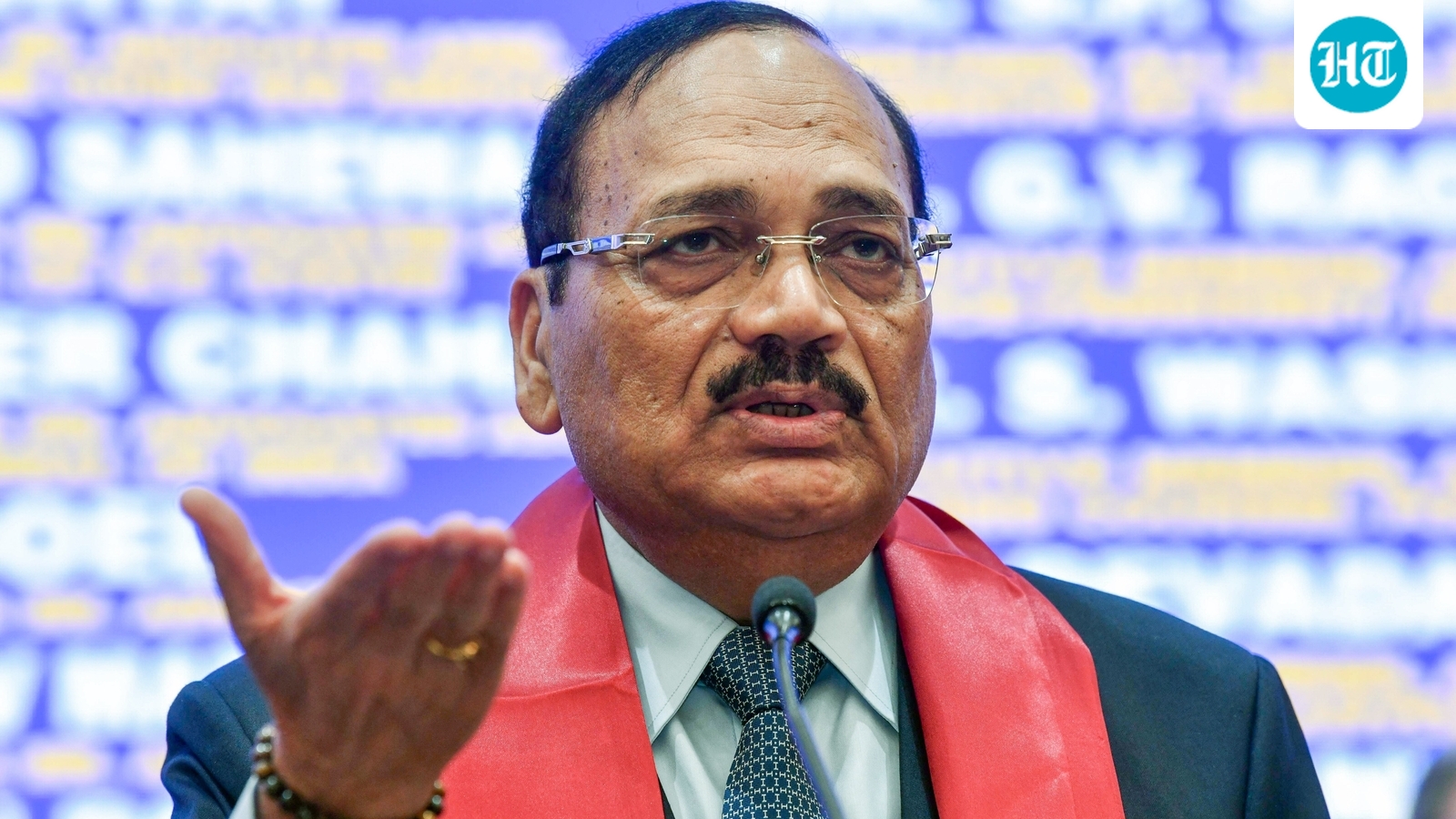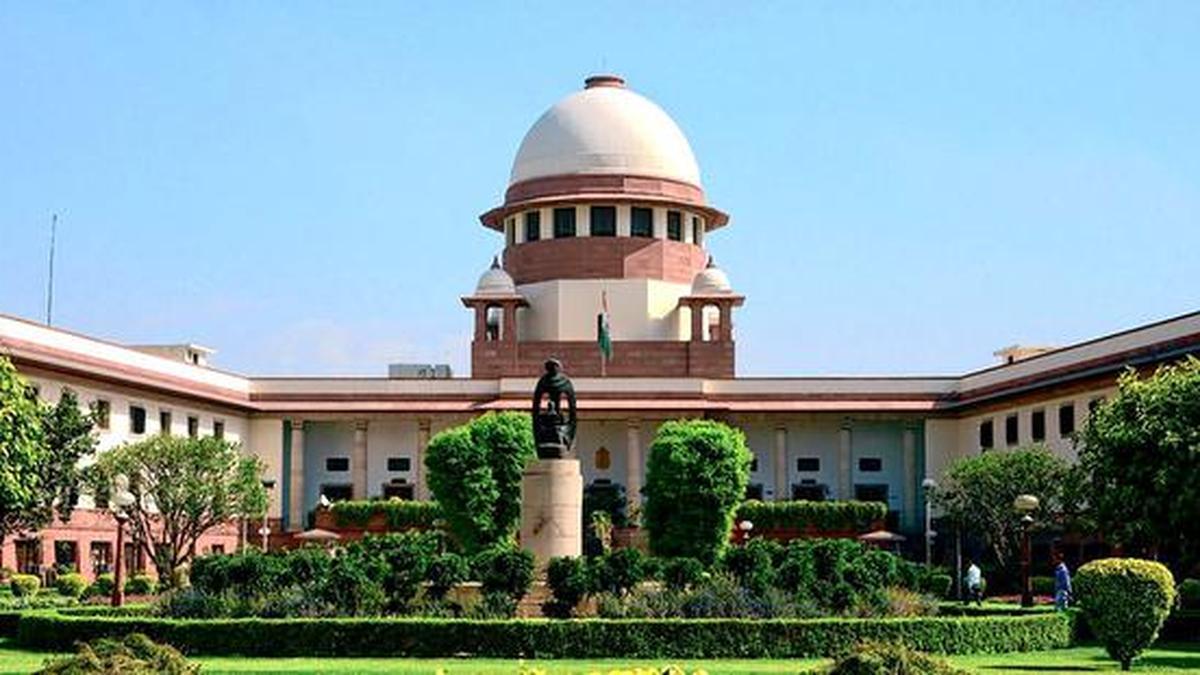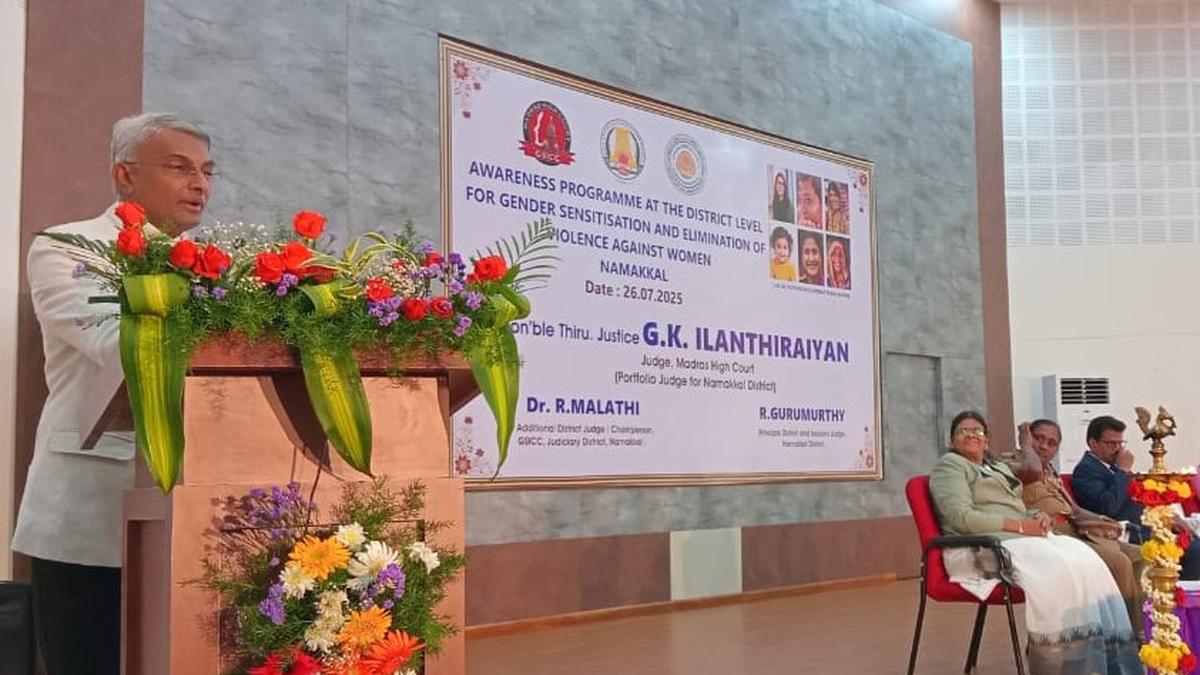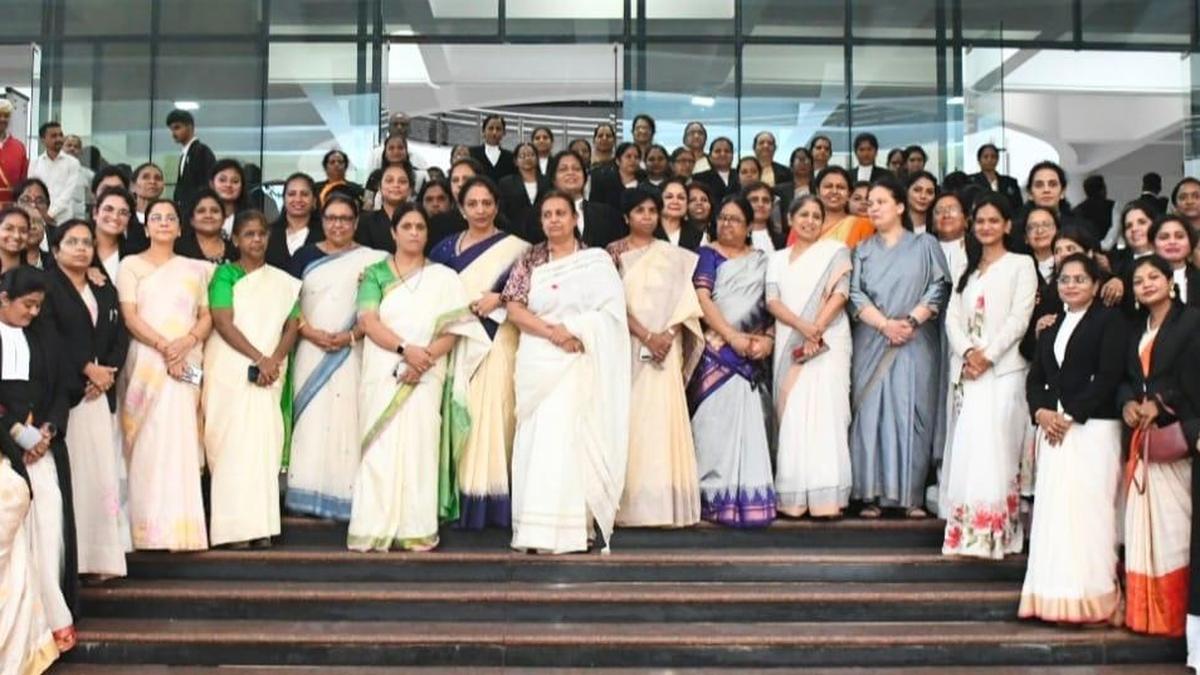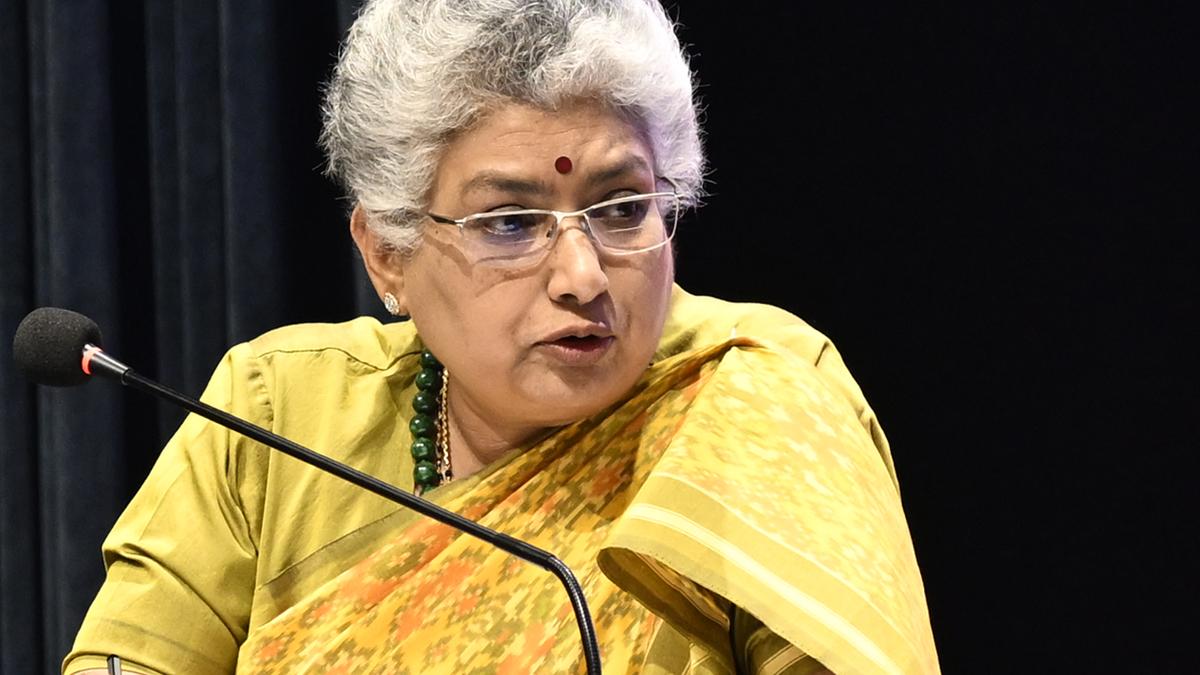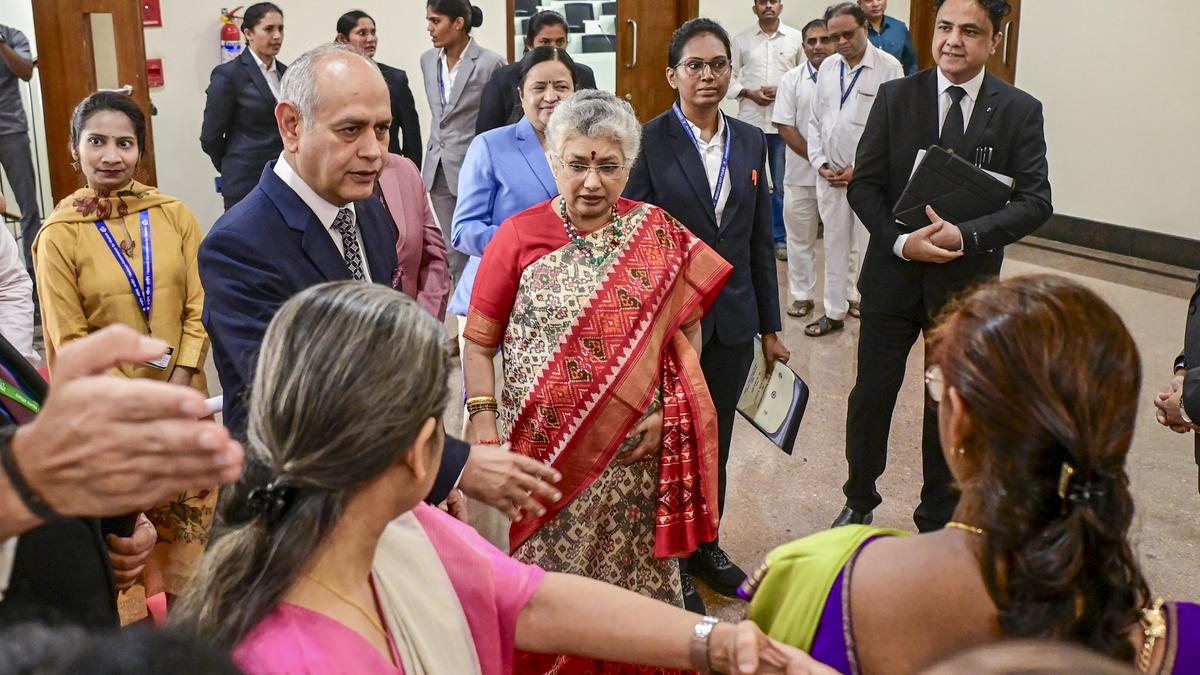
India has largely established the necessary legal framework to ensure justice for women, but it continues to fall short in the effective implementation of the justice delivery system, said B.V. Nagarathana, a judge of the Supreme Court here on Saturday.“We continue to need a theme called ‘justice for women’, because the law’s promise is almost complete, but its delivery remains inadequate,” she said while addressing the inaugural session of a two-day South Zone conference on judges, judicial officers, and law practitioners on ‘Justice for Women’, organised jointly by the National Commission for Women (NCW), the High Court of Karnataka (HCK), and the Karnataka Judicial Academy.“Undertaking the more arduous of tasks in creating changes in mindsets, societal attitudes, and practises can only occur when systemic changes in the system of justice delivery are undertaken to achieve justice for women,” Ms. Nagarathna said.While it is true that all courts are dealing with issues of substantial backlog, only a fraction of aggrieved women are able to secure justice in time, she said.She suggested that legal aid must be provided to a woman immediately after incidents like dowry harassment, cruelty, domestic violence, etc., either in the police stations or in the hospitals.Avoid revictimisationIt is crucial, Ms. Nagarathna said, that in the process of conduct of trial, attempts at securing justice for women do not lead to “revictimisation or stigmatisation of the survivor. It is important to recognise that no judge willingly seeks to typify stereotypes.”“The role of judicial academies in combatting such stereotypes and prejudices and sensitising judicial officers on the language used during the course of recording evidence, and in judgment, is significant, and a separate module in this regard must be framed and implemented,” she said.In his address, Vibhu Bakhru, Chief Justice of the HCK, said that despite decades of legal reform, violence against women persists across homes, workplaces, educational institutions, and public spaces.The reasons are complex and interrelated, and deep-rooted gender bias, economic dependence, unequal access to opportunities, delayed investigations, inadequate forensic support, low conviction rates, and insufficient gender sensitisation within the justice delivery system are part of it, the Chief Justice said.Vijaya Rahatkar, Chairperson of the NCW, flagged the issue of uneven implementation of victim compensation schemes, pointing to NALSA figures showing over 14,000 applications seeking compensation are pending. Ms. Rahatkar also voiced concern over the practice of pressuring victims to settle even heinous, non-compoundable offences, and stressed the need for time-bound trials.‘Withdraw amended law disadvantageous to women litigants’Ms. Nagarathna criticised the recent amendments to Karnataka’s civil court and High Court laws, which shifted jurisdiction over regular first appeals from the High Court to district courts outside Bengaluru city, by pointing out that the new laws place women litigants at a distinct disadvantage, forcing them to approach the Supreme Court instead of the High Court.She noted that the Karnataka Civil Courts Amendment Act, 2023, and the High Court Amendment Act, 2023, have denuded the High Court of its jurisdiction to hear regular first appeals, as a judgment by a civil judge (senior division), except in Bengaluru city, is now appealable only before a district court.The judge warned that the new law deprives litigants, particularly women, of an effective appellate forum on questions of fact, as, under the amended framework, disputes over issues such as family property rights would effectively end at the district court level, compelling the aggrieved parties to take the costly option of approaching the Supreme Court. “How many women in Karnataka can approach the Supreme Court?” she asked.Calling for the repeal of the amended laws, Ms. Nagarathna urged the State Advocate General, the Chief Secretary and the Law Secretary, who were present at the event, to ensure the rectification of this law, disadvantageous to women for access to justice.
Laws are in place for women’s justice; implementation is the challenge, says Supreme Court judge Nagarathna
India has largely established the necessary legal framework to ensure justice for women, but it continues to fall short in the effective implementation of the justice delivery system, said Justice B.V. Nagarathana, a judge of the Supreme Court here on Saturday.
622 words~3 min read