Listen
/
1.0x
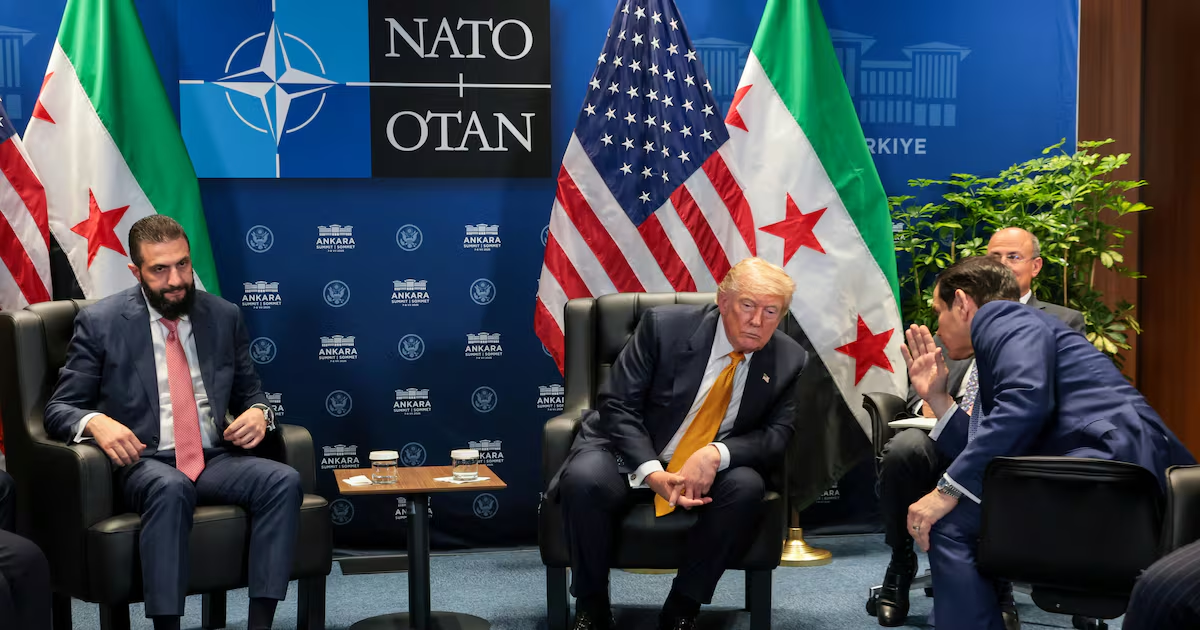
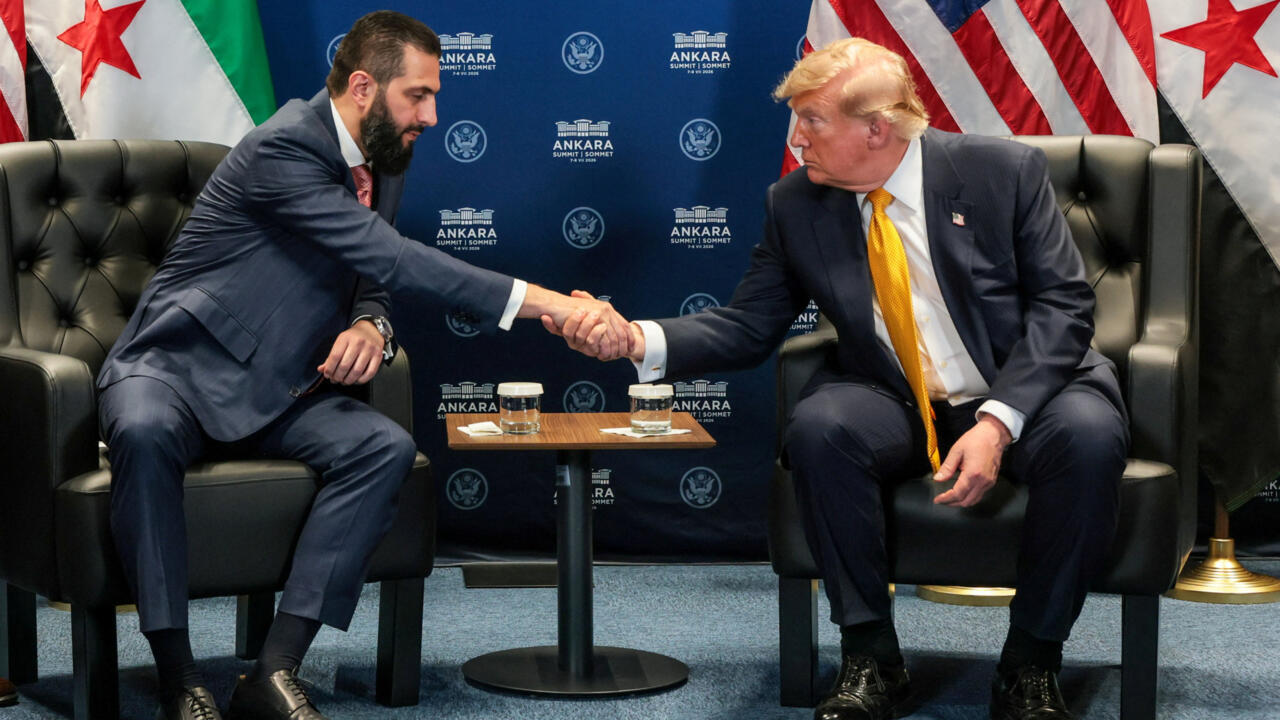
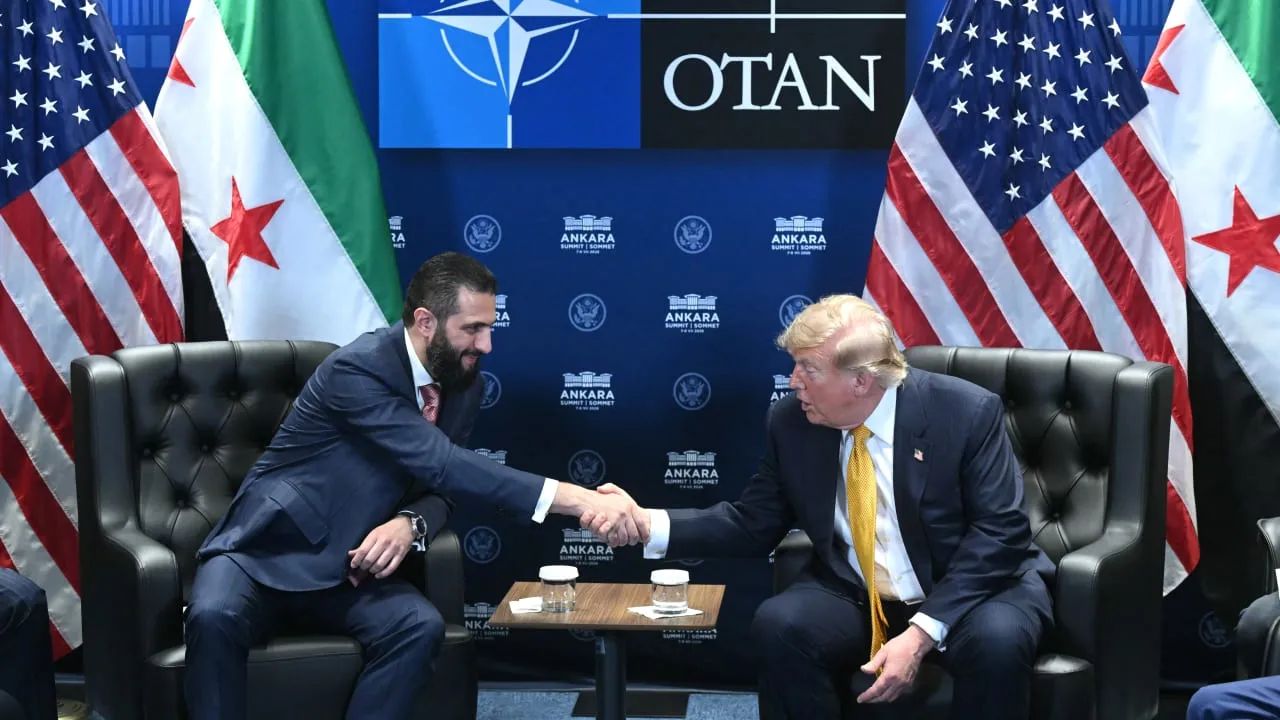
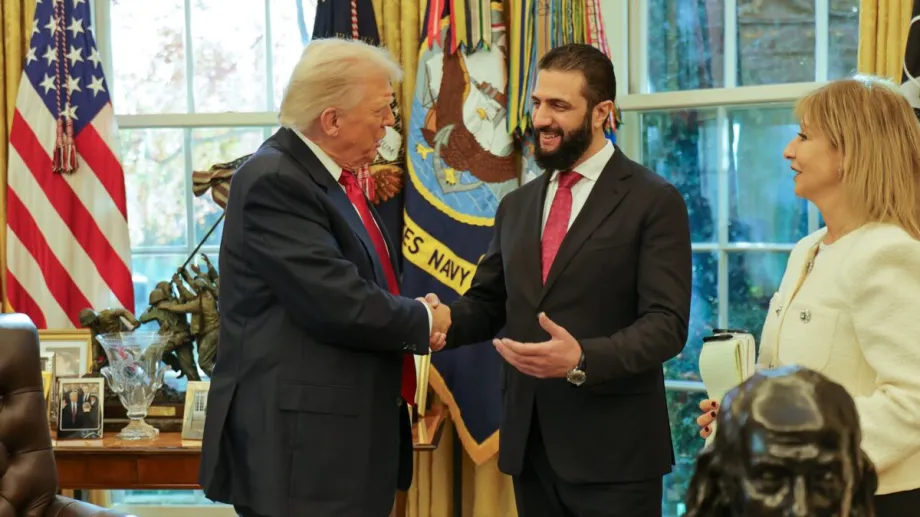
Last month, President Trump initiated the process of removing Syria from the State Sponsors of Terrorism list, allowing foreign investors to commit capital without the costly threat of US sanctions. A US-Syria business council convened auspiciously in Damascus this past week and billions in Gulf investments have sparked headlines in Syrian newspapers recently. Pundits hastened to declare an economic revolution in the making, and the prospective delisting is expected to only accelerate investment.
The Trump Administration’s stated goal is to bring “security and prosperity to all Syrians” through “investment-led stabilization”. Economic deregulation, lifting sanctions, and publishing sector-specific guides for private investment in Syria are welcome steps. But the administration’s emerging policy seems to rest on a facile theory of reconstruction – that financial connectivity and foreign investment will generate growth, and that growth will inexorably consolidate peace and stability. Though whether that growth begets widespread prosperity for Syrians or the corrosive inequality that drove conflict in 2011 remains an open question, and the administration is doing little to avert the latter.