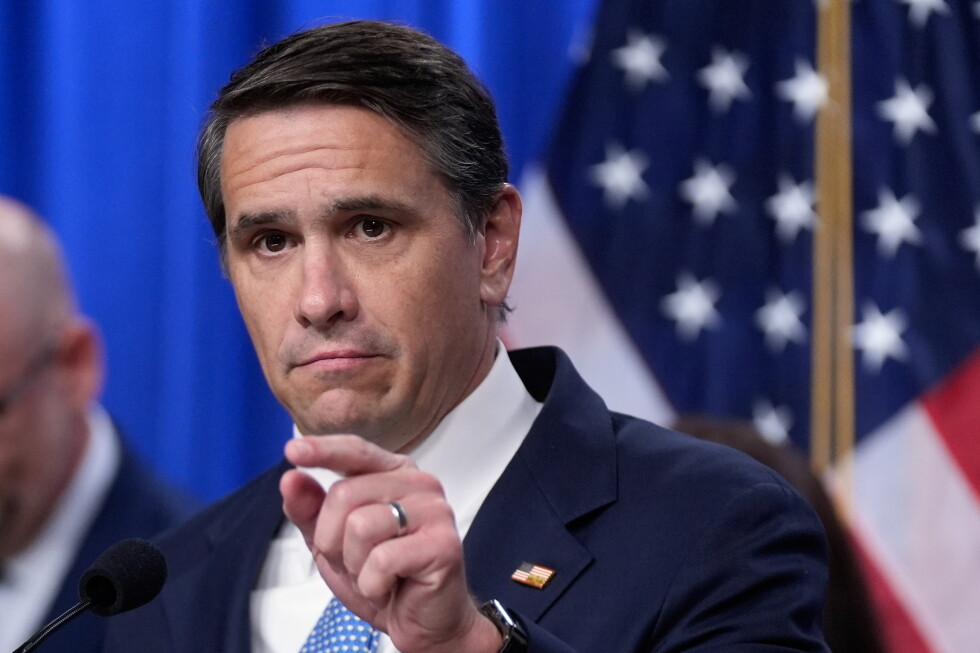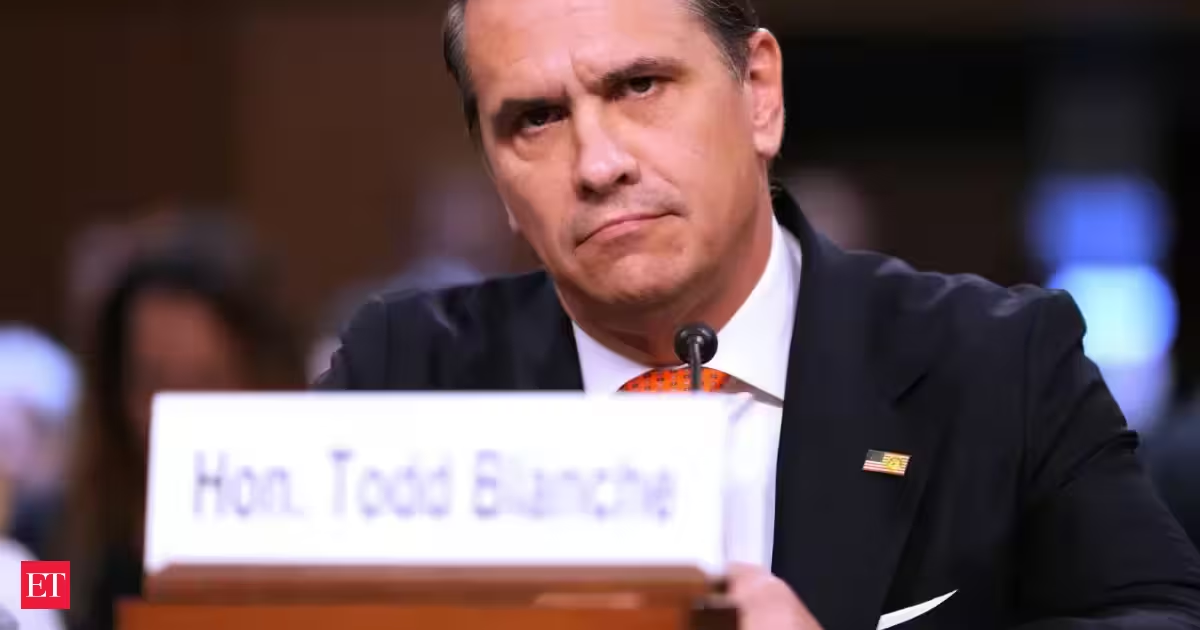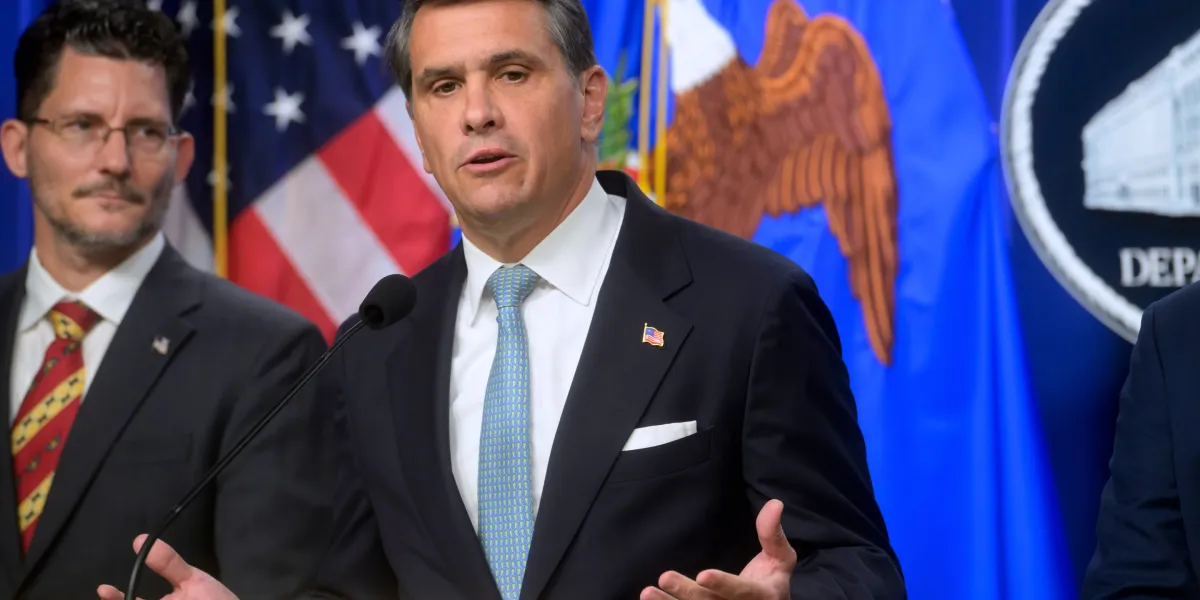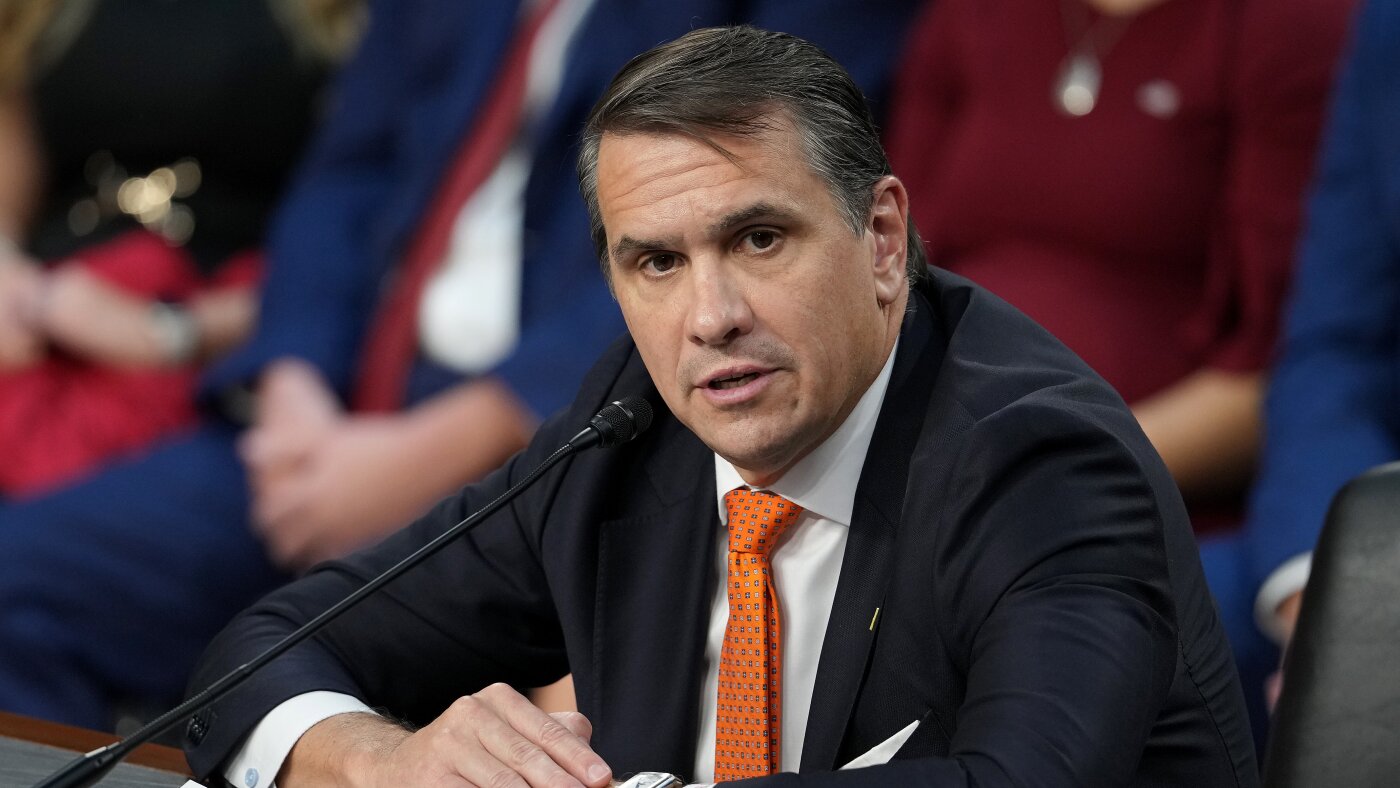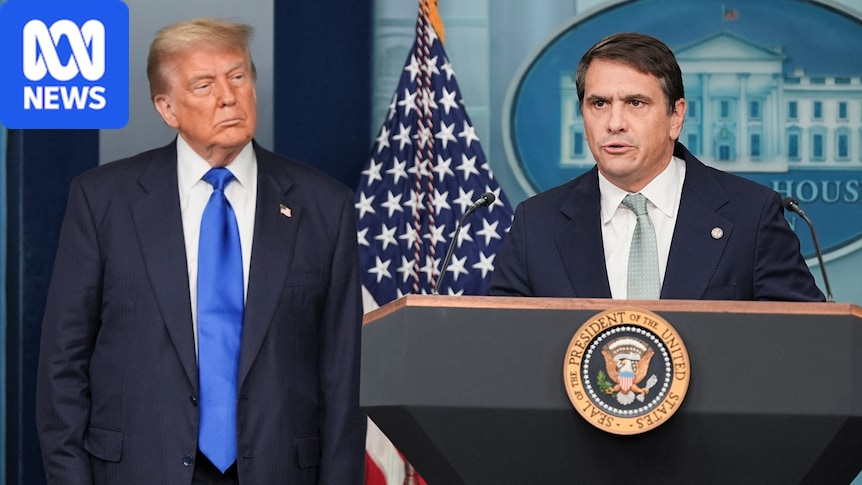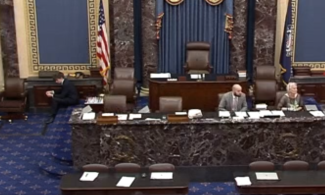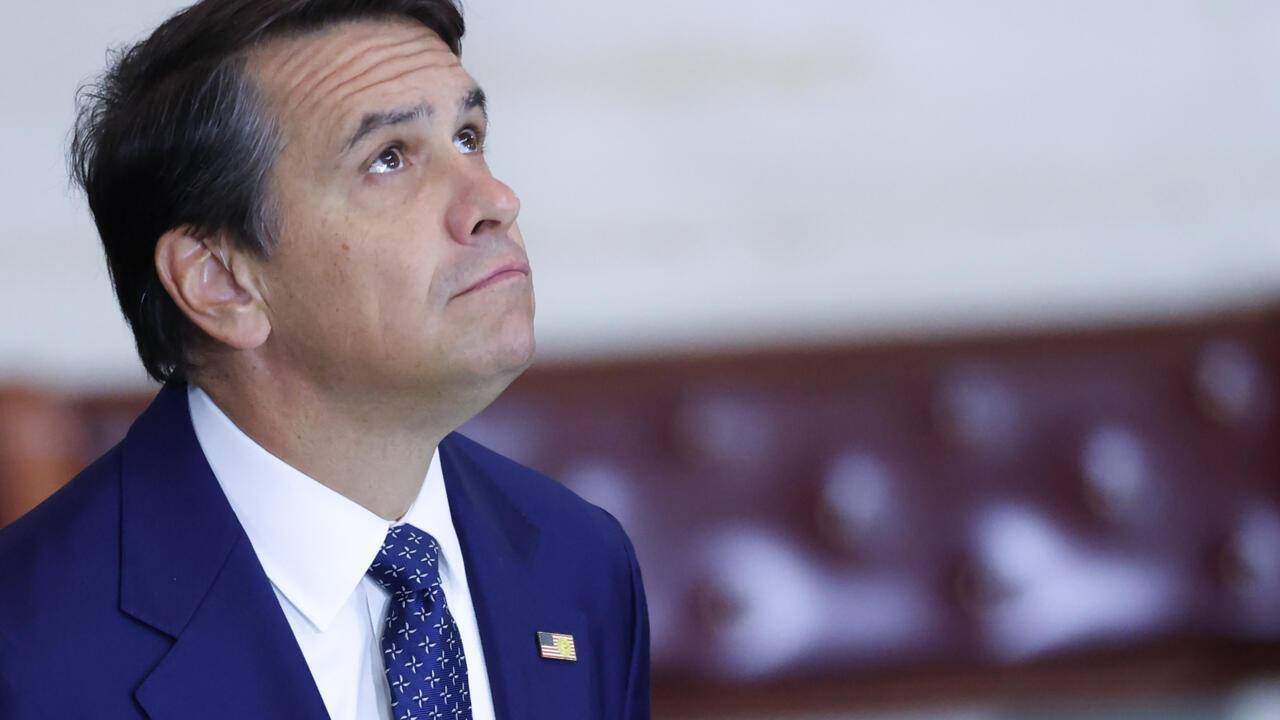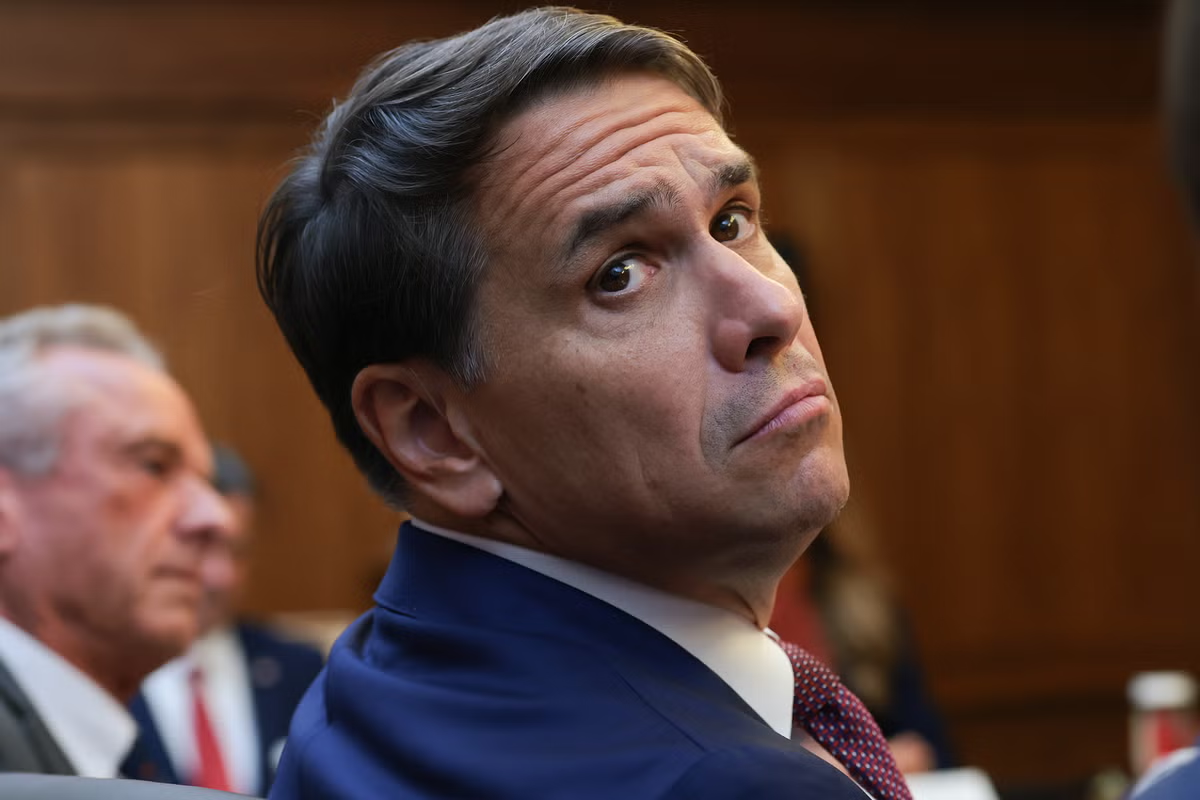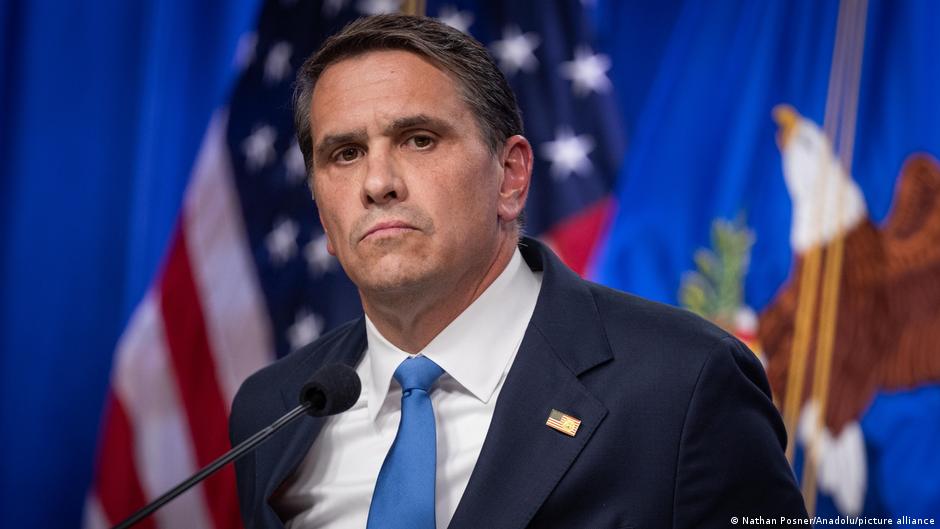
The dead-of-night confirmation vote brought to a close a weekslong political fight that freshly tested President Trump's power among Senate Republicans.Show Caption
WASHINGTON – After weeks of Republican infighting, the Senate finally squeezed through a vote to confirm Todd Blanche as the next attorney general of the United States.The largely party-line vote on Saturday, Aug. 8, happened in the dead of night. It prompted just two Republican defections: Alaska Sen. Lisa Murkowski and Maine Sen. Susan Collins. Sens. Bill Cassidy of Louisiana, John Cornyn of Texas and Thom Tillis of North Carolina – all of whom recently expressed serious reservations about Blanche, as well as the politicization of the Justice Department more generally – ultimately threw their support behind President Donald Trump's former personal lawyer.The confirmation capped off a fraught political fight that consumed Capitol Hill for weeks, newly testing President Donald Trump's sway within the Senate GOP against a shared wariness with the current direction of the nation's chief law enforcement agency.On Friday, the White House insisted it was confident that Blanche, who was leading a presidential delegation to Colombia, would be confirmed. Officials said they planned to have Trump swear him in as soon as possible.After days of uncertainty about Cassidy's position, he announced Friday morning he'd vote for Blanche, just hours after Murkowski announced on social media that she wouldn't. Cassidy said from the Senate floor that while Blanche wasn't a perfect choice to run the Justice Department, he worried that Trump would put forward someone less preferable if his nomination tanked."The choice is not between perfection and Mr. Blanche. It is between Mr. Blanche and another acting attorney general who may not run the department effectively under President Trump, and who, indeed, may not be as good as Mr. Blanche," he said.White House spokeswoman Lauren Bis said in a statement after Cassidy's announcement that Blanche had "played a critical role at the Department of Justice" in advocating for law and order and policies that keep Americans safe.“This is great news and we look forward to his final confirmation shortly. Todd Blanche has done an excellent job as acting Attorney General and will continue doing so as Attorney General," Bis said.Murkowski, Collins buck BlancheThe day began Friday with the confirmation of Blanche, who took over as acting attorney general after Trump fired Pam Bondi, in serious jeopardy.Murkowski said the Trump administration had "accelerated" politicization at the DOJ, preventing her from supporting him. She also took issue with Blanche's handling of the Epstein files and what she described as "sweeping immunity protections" he gave Trump in a controversial settlement.Her announcement followed Collins' statement Aug. 4 that she also couldn't support Blanche's bid. The Maine senator, who's up for reelection in a key battleground race this fall, voiced similar concerns over the immunity for Trump, Blanche's decision to approve a $1.8 billion "anti-weaponization" fund that he has since walked back, and DOJ politicization.The two moderate Republicans' opposition meant Blanche needed every remaining Republican present in the Senate to vote in his favor. Republican Sen. Mitch McConnell of Kentucky has been recovering from a fall and pneumonia and ultimately did not vote. But it’s not clear McConnell would have been a yes, either – he has repeatedly denounced the "anti-weaponization" fund, too.Stumbles in the SenateBlanche, whom Trump nominated to become the permanent attorney general in June, already faced a volatile nomination process in recent weeks. Two Republican senators on the Judiciary Committee, Sens. Cornyn and Tillis – who, like Cassidy, are slated to exit the Senate in January after clashing with Trump – temporarily withheld their support.The pair later agreed to get behind Blanche after he made concessions when it came to the DOJ settlement conferring benefits to Trump and Trump allies.The deal attempted to settle a lawsuit brought by Trump, his two oldest sons and the Trump Organization. The lawsuit alleged the IRS owed them $10 billion for failing to prevent a contractor from leaking their tax information.The Trumps said they were dropping their lawsuit in exchange for government promises. The DOJ said it would create a $1.776 billion "anti-weaponization" fund that could have given taxpayer dollars to Trump supporters who committed crimes during the Jan. 6, 2021, riot at the U.S. Capitol. It also promised the Trump associates immunity from potential government claims against them, including for their past tax returns.The tax immunity deal could be a huge financial boon to the president. The New York Times reported in 2020 that Trump was in a decade-long audit battle with the IRS over a claimed $72.9 million tax refund. Losing that battle could cost him more than $100 million, according to the Times.The deal has been widely criticized as self-dealing on Trump's part, given he nominates and can fire DOJ leaders.Florida federal Judge Kathleen M. Williams ruled July 13 the lawsuit was essentially an attempt to legitimize giving the president benefits, and prohibited the Trumps from using or referring to the deal in any official proceedings. However, it's unclear whether and how her order constrains the DOJ's and IRS's private dealings with the president.Facing bipartisan backlash from Congress, Blanche previously said the DOJ wouldn't move forward with the fund.But after Cornyn and Tillis said they wanted more in order to support his nomination, he issued a document formally dropping the funding, and a second document clarifying that the Trump immunity on tax issues is limited to Trump, his two oldest sons and the Trump Organization, and only applies to past tax years.The Senate Judiciary Committee then voted 12-10 along party lines earlier this week to advance Blanche's nomination to the full Senate.Blanche controversiesCritics say Blanche's promises aren't enough because the terms of the initial deal say it can only be modified "with the written agreement of the Parties," which would include Trump himself. They also say Blanche could change his mind, or find other ways to direct taxpayer funds to Jan. 6 rioters."There is enough weasel room in these documents to drive a truck through," Sen. Sheldon Whitehouse, D-Rhode Island, said at an Aug. 4 hearing, shortly before the Judiciary Committee approved Blanche's nomination along party lines.Blanche has also come under fire for pursuing federal charges in North Carolina against former FBI Director James Comey, a prominent Trump critic. Trump publicly called for Comey to face unspecified charges in a September 2025 social media post.The charges allege Comey threatened to harm or kill the president by posting on social media an image of seashells in the shape of "86 47." "86" is a slang term that means "to throw out" or "to get rid of," according to Merriam-Webster. Trump is the 47th U.S. president.Tillis himself criticized the case at the Aug. 4 hearing, even while he voted to advance Blanche's nomination."The '86 47' – some bonehead in North Carolina thinks that that's a crime. Well, they better damn sure have information to back it up, because if all it is is a picture, that person should lose his job, his or her job," Tillis said.Blanche held a press conference April 29 at which he personally announced the charges. It's the second criminal case brought against Comey under the current Trump administration. The first case, alleging Comey lied to Congress, was dismissed in November.Key Republicans offer supportSome congressional Republicans have voiced enthusiasm for Blanche, saying he has built a strong record tackling crime.Senate Judiciary Committee Chairman Chuck Grassley, R-Iowa, defended the DOJ's record under Blanche at a July 15 hearing, praising the DOJ's capture of fugitives on the FBI's "Most Wanted" list and arrest of people tied to the illegal fentanyl trade.Cassidy said in his Senate remarks that Blanche "showed poor judgment" by ever approving the "anti-weaponization" fund and by exempting Trump from IRS audits. He said he was "particularly concerned" about the DOJ bringing cases against political opponents.However, Cassidy also praised Blanche as "a hands-on administrator" who has prioritized tackling violent crime, human and drug trafficking, and fraud. And he emphasized that former Attorney General Bill Barr, who served in that role under President George H. W. Bush and during Trump's first presidency, has said in an endorsement that Blanche "will run the department as effectively as anyone could under President Trump.""Some have called that faint praise. I don't think that it is. I think it is a reality," Cassidy said.