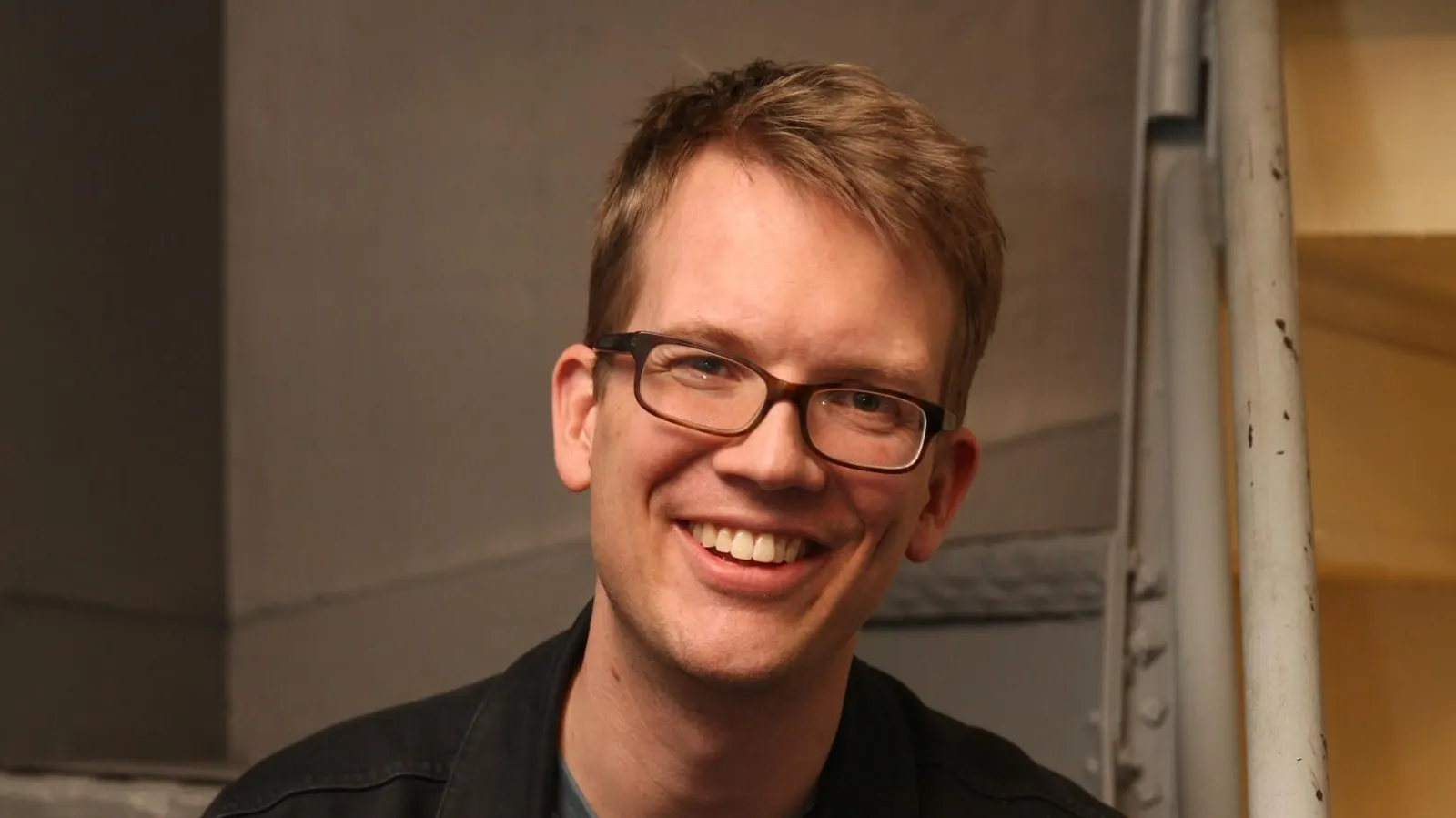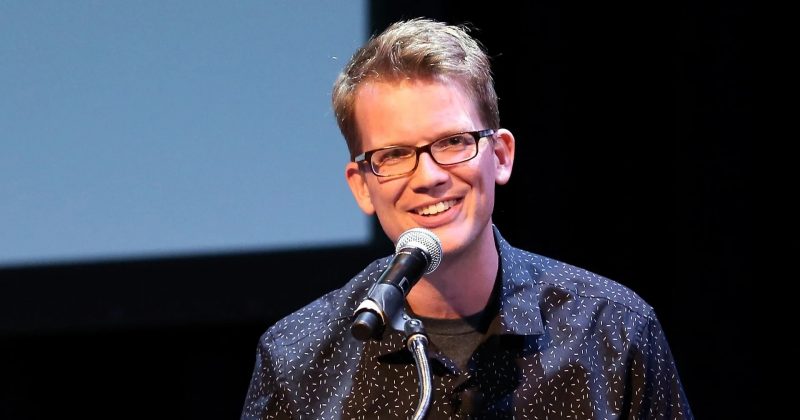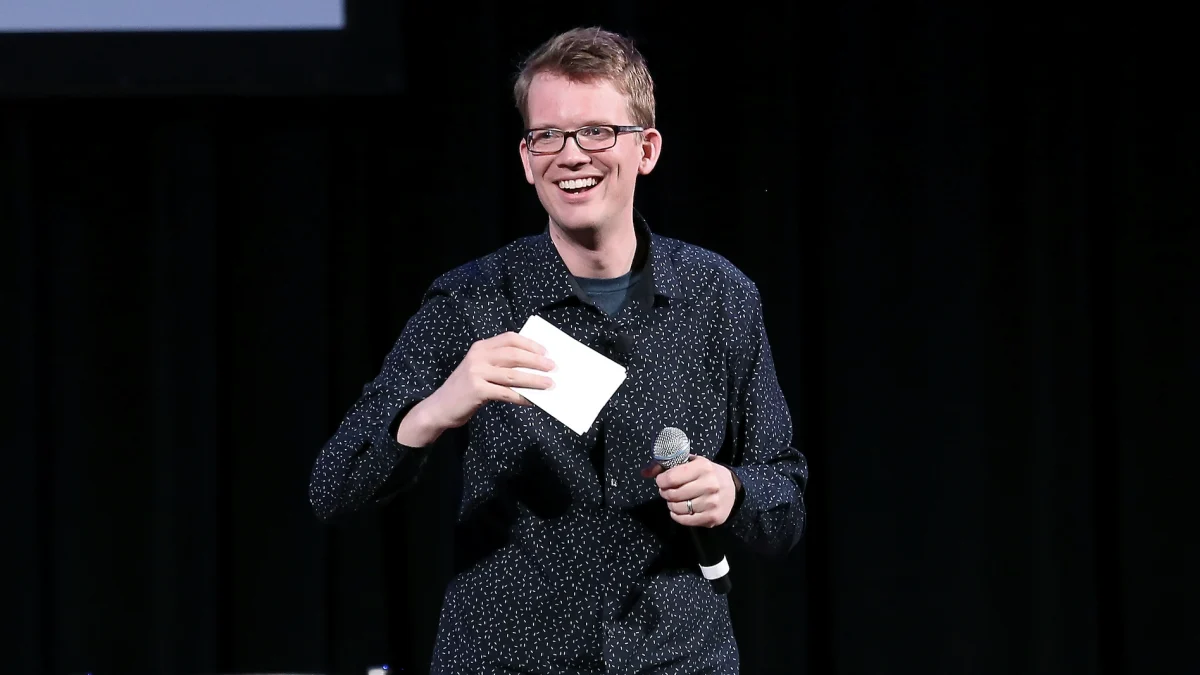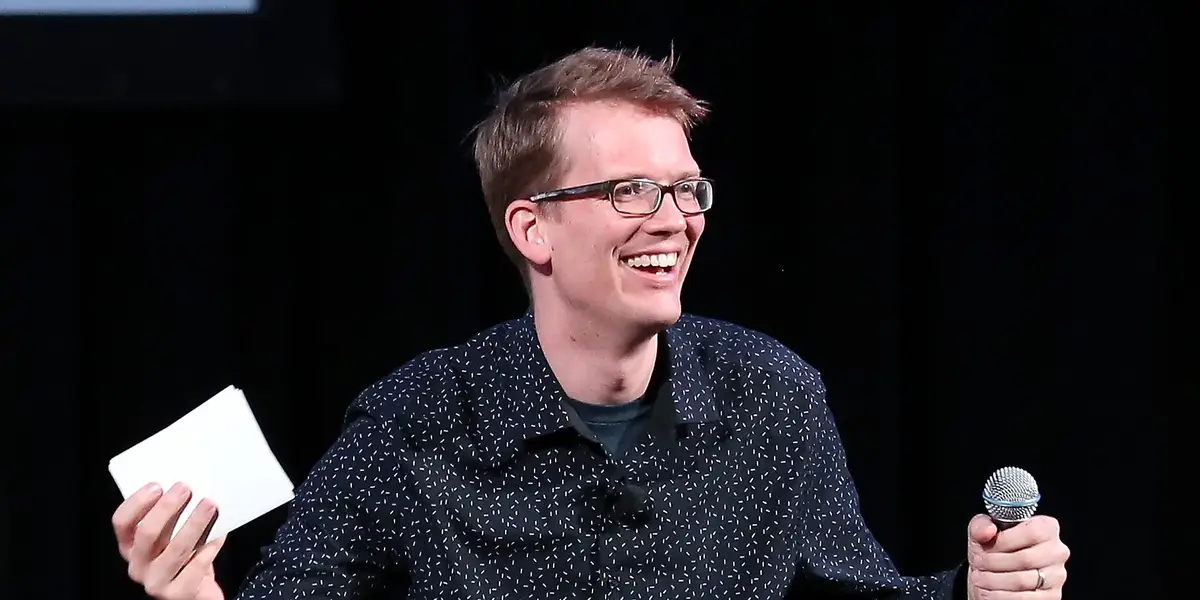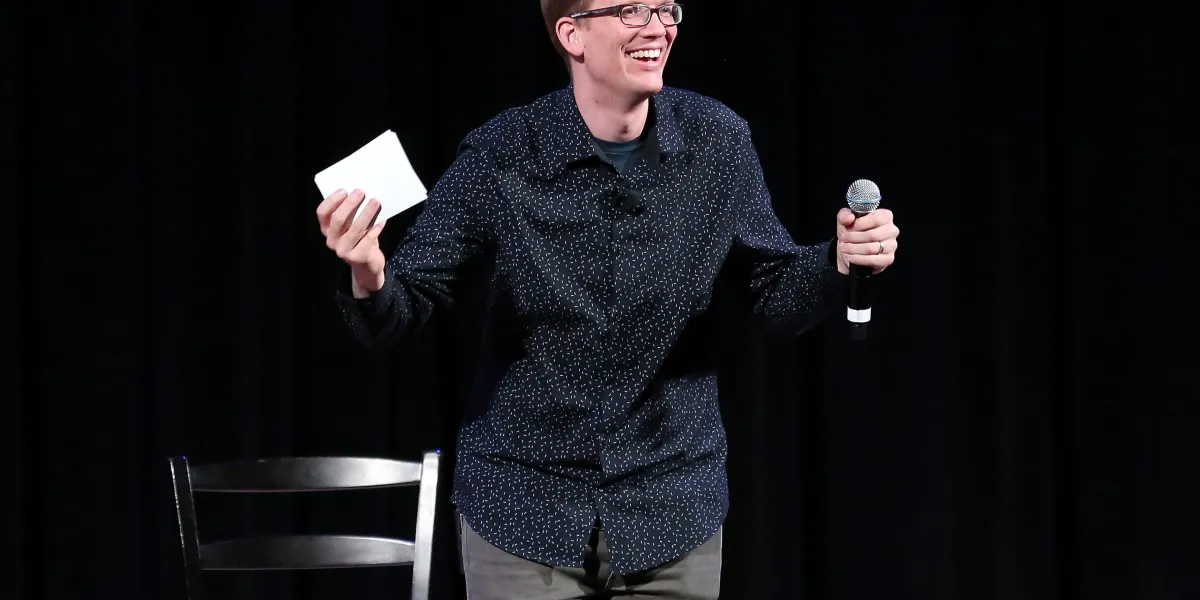
August 8, 20263 min read Add Us On GoogleAdd SciAmScience YouTuber Hank Green used AI to research his videos. His fans pushed backThe backlash raises a bigger question for science communicators: where should AI fit into their work?By Mary Randolph edited by Eric SullivanYouTube science personality Hank Green says AI didn’t write the line that set off the controversy. What concerned him was how heavily he had come to rely on it earlier in the process. Monica Schipper / Getty ImagesFour words in a Hank Green video—“I appreciate the pushback”—were enough to make some viewers suspect the voice of artificial intelligence, sparking fan backlash, prompting a public apology from Green and raising bigger questions about how AI is changing science communication. And it turns out that the line itself wasn’t even the work of a chatbot!Green, a prominent science communicator behind YouTube mainstays such as SciShow and Crash Course, said the line was his in an apology he initially posted on X. But the public reaction led him to acknowledge that he’d been leaning heavily on ChatGPT while performing research for video scripts. On Reddit, he later described his relationship with the tool as “not healthy” adding, “I’ve been moving so fast that my own process isn’t actually clear to me.” He plans to make videos at a slower pace.Green’s admission points to a less visible way that AI is entering science communication: as a research assistant. On a tight deadline, a chatbot can quickly surface papers, summarize unfamiliar material and help a communicator get oriented. That means it can start shaping someone’s understanding of a subject before the explaining even begins.On supporting science journalismIf you're enjoying this article, consider supporting our award-winning journalism by subscribing. By purchasing a subscription you are helping to ensure the future of impactful stories about the discoveries and ideas shaping our world today.The communicators interviewed for this story were much warier of letting AI write public-facing material than of using it behind the scenes for research or other tasks.Kanta Dihal, an associate professor of science communication at Imperial College London, says AI can help science communicators keep up with both the pressure to produce quickly and the amount of research that they have to sift through.“Because of the sheer volume of scientific output that there is, it’s so hard to keep track of everything that goes on,” she says. “And so to have a system in place that can just do the filtering and the data trawling is nice, because, at a human pace, it’s almost impossible to keep up with science.”Where communicators draw that line varies. Raven Baxter, a molecular biologist and science communicator who goes by “Raven the Science Maven,” says she uses AI for coding and for helping her understand her audience’s interests. But she prefers to lean on other scientists rather than AI when she’s trying to understand topics that are outside her expertise.“I’m hoping we can kind of rebel against it and get back to building community as science communicators and leaning on each other for information,” Baxter says.Joe Hanson, a science communicator who hosts Be Smart on PBS, says he has also used AI to “wade through the complexity of the various topics” he covers. But he says whatever efficiency the technology offers cannot come at the expense of the relationship with the audience.“All content creators depend on a trusted relationship with their audience, but that’s only amplified in science communication. It is our currency,” he says. “People turn to us not for entertainment or comedy but for a trusted interpreter of complex, hard-to-understand things about the universe. So if it’s in your job description, you need to take it seriously.”Daphne Ippolito, who researches natural language processing at Carnegie Mellon University, points to another concern once AI makes its way into the writing itself: what she calls the “homogenization of language.”“Something I’ve seen happening at various levels in academia, and I’m sure outside of academia as well, is: when people start to rely on AI so much to help with their writing, they start talking and communicating like the AI. So they will say things or communicate things that are authentically them, but their authentic self and how they communicate has been influenced by their usage of AI.”Hanson doesn’t think there is one line every science communicator should draw. Different audiences may be comfortable with different uses of AI, he says, which leaves communicators to work out those boundaries with the people who trust them.“If people are looking for a universal rule about what is acceptable and where, I think they will always find themselves wanting. But our duty is to our audiences,” Hanson says. “And we have seen that you must be clear and honest with your audience, listen to their reaction and use that as your answer on whether you’re going to use this in your work.”It’s Time to Stand Up for ScienceIf you enjoyed this article, I’d like to ask for your support. Scientific American has served as an advocate for science and industry for 180 years, and right now may be the most critical moment in that two-century history.I’ve been a Scientific American subscriber since I was 12 years old, and it helped shape the way I look at the world. SciAm always educates and delights me, and inspires a sense of awe for our vast, beautiful universe. I hope it does that for you, too.If you subscribe to Scientific American, you help ensure that our coverage is centered on meaningful research and discovery; that we have the resources to report on the decisions that threaten labs across the U.S.; and that we support both budding and working scientists at a time when the value of science itself too often goes unrecognized.In return, you get essential news, captivating podcasts, brilliant infographics, can't-miss newsletters, must-watch videos, challenging games, and the science world's best writing and reporting. You can even gift someone a subscription.There has never been a more important time for us to stand up and show why science matters. I hope you’ll support us in that mission.
Hank Green AI controversy raises questions for science communicators
The backlash raises a bigger question for science communicators: where should AI fit into their work?
1,013 words~5 min read