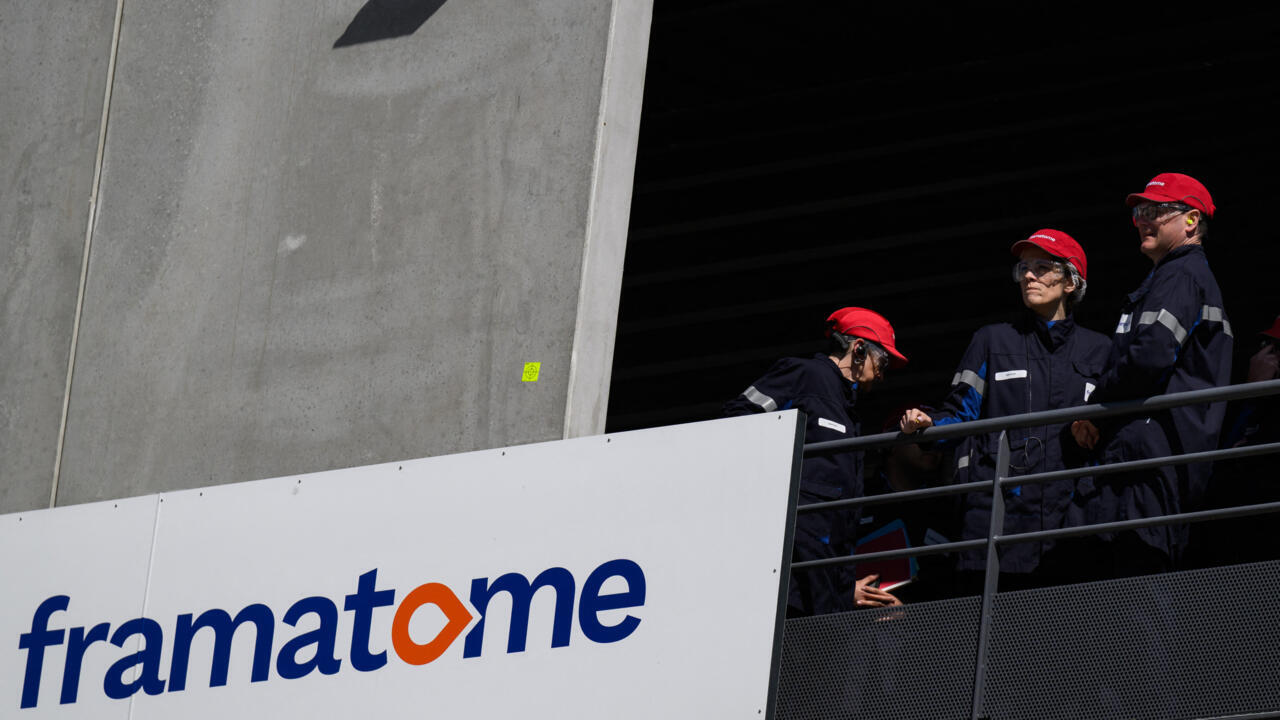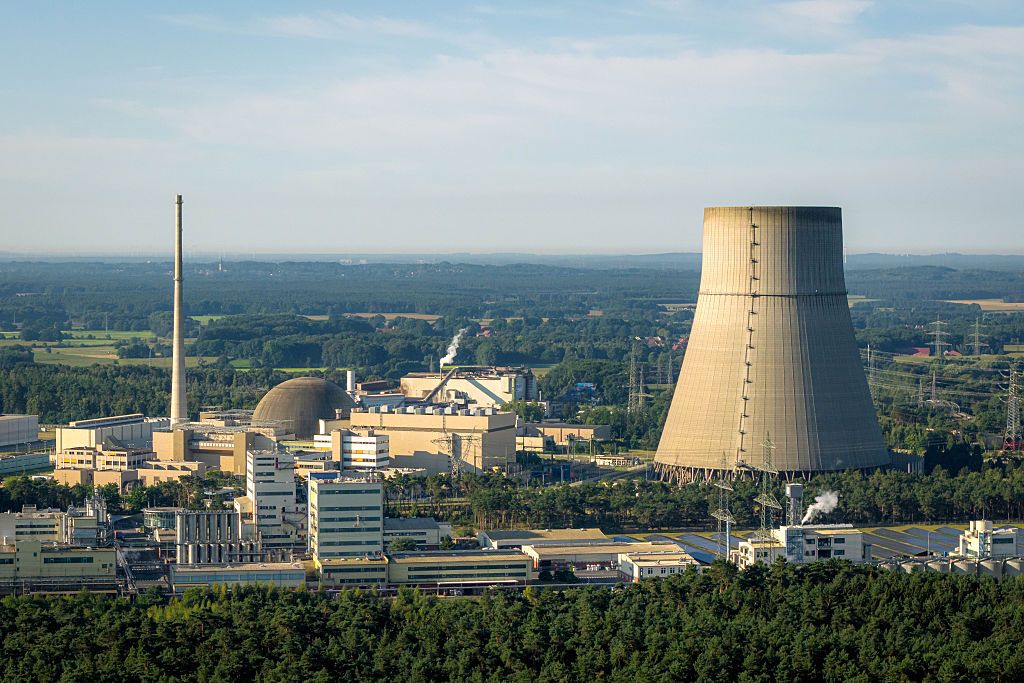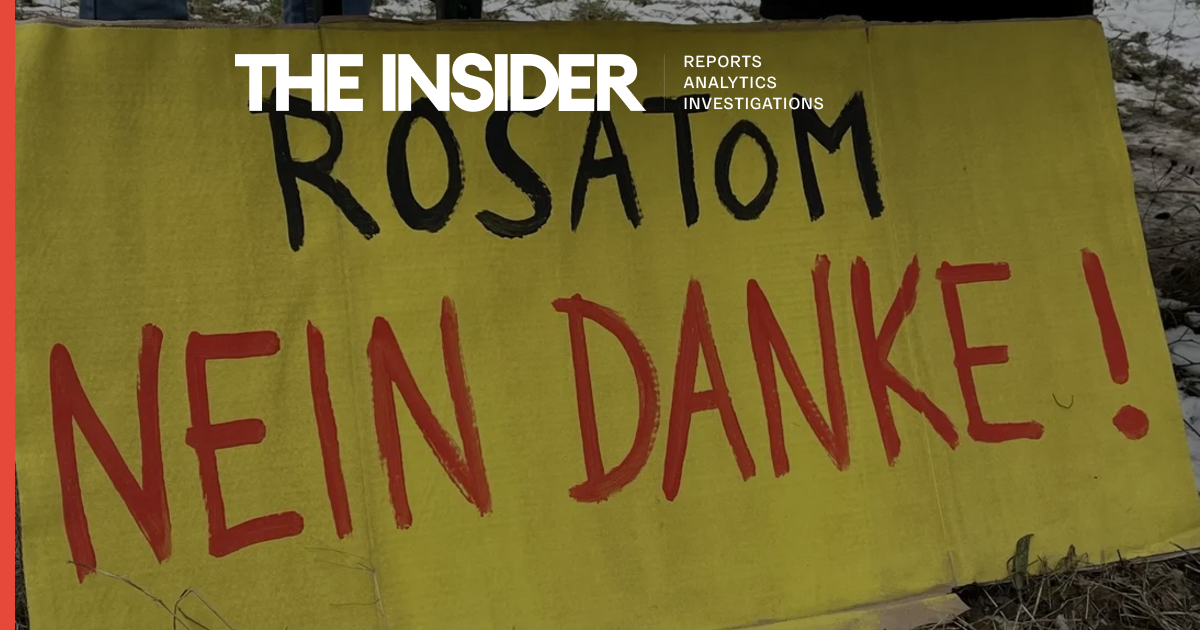
Germany no longer operates any nuclear power plants. Nevertheless, a decision taken by the federal government last Wednesday would turn the country into a production site for nuclear fuel using Russian technology. The permission for the Lingen project raises profound questions regarding Europe’s long-term energy security and strategic sovereignty. In Lingen, Lower Saxony, the French nuclear technology company Framatome plans to produce nuclear fuel in cooperation with Rosatom, the Russian state-owned nuclear corporation. Through its subsidiary TVEL, Rosatom is the world’s leading supplier of fuel for Soviet-designed nuclear reactors, which were originally designed to use fuel produced by Rosatom. Such reactors are in operation in the Czech Republic, Slovakia, Bulgaria, Hungary, and Finland.JOIN US ON TELEGRAMFollow our coverage of the war on the @Kyivpost_official. We have to be clear: This is not simply a technical licensing issue or an ordinary business relationship. The German government took a political decision with direct security implications for Europe. Russia has repeatedly demonstrated its ability to turn long-term energy partnerships into a means of exerting pressure. This pattern is evident not only in the natural gas sector but also in the nuclear industry, where Rosatom has established and continues to support nuclear power projects throughout Europe, Asia, and Africa, thereby creating decades-long technological, operational, and economic dependencies.
Germany Risks Giving Rosatom a Back Door Into Europe’s Nuclear Supply Chain
Germany’s approval of a nuclear fuel venture in Lingen could deepen Europe’s reliance on Russian nuclear technology.
1,133 words~5 min read