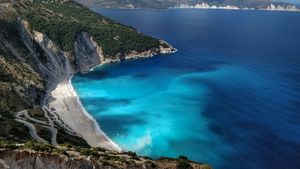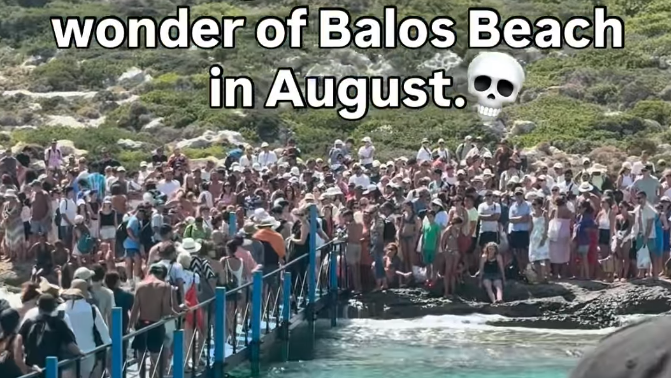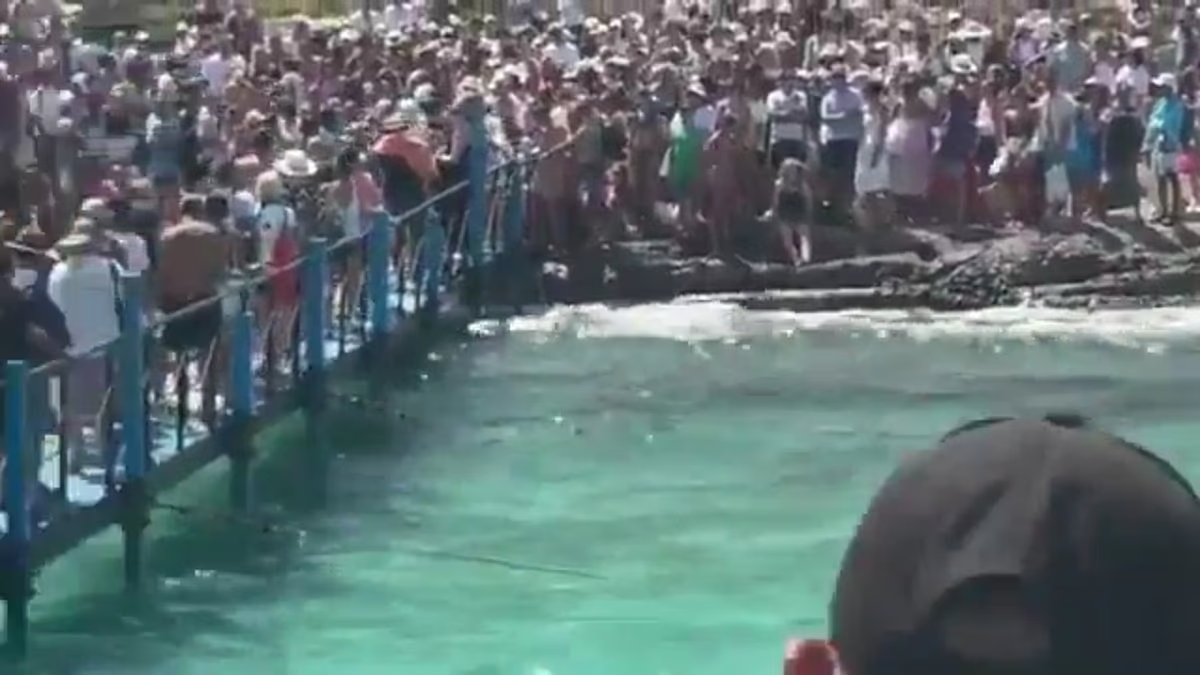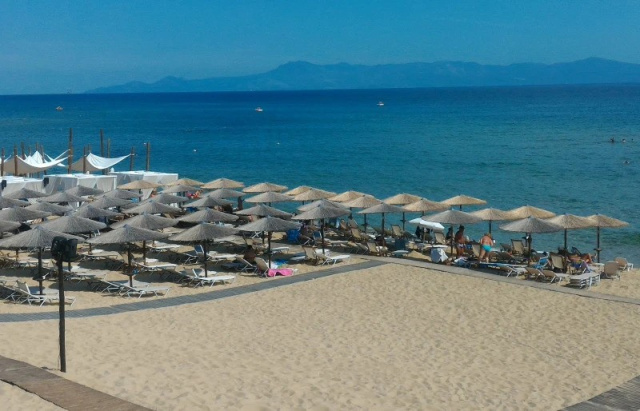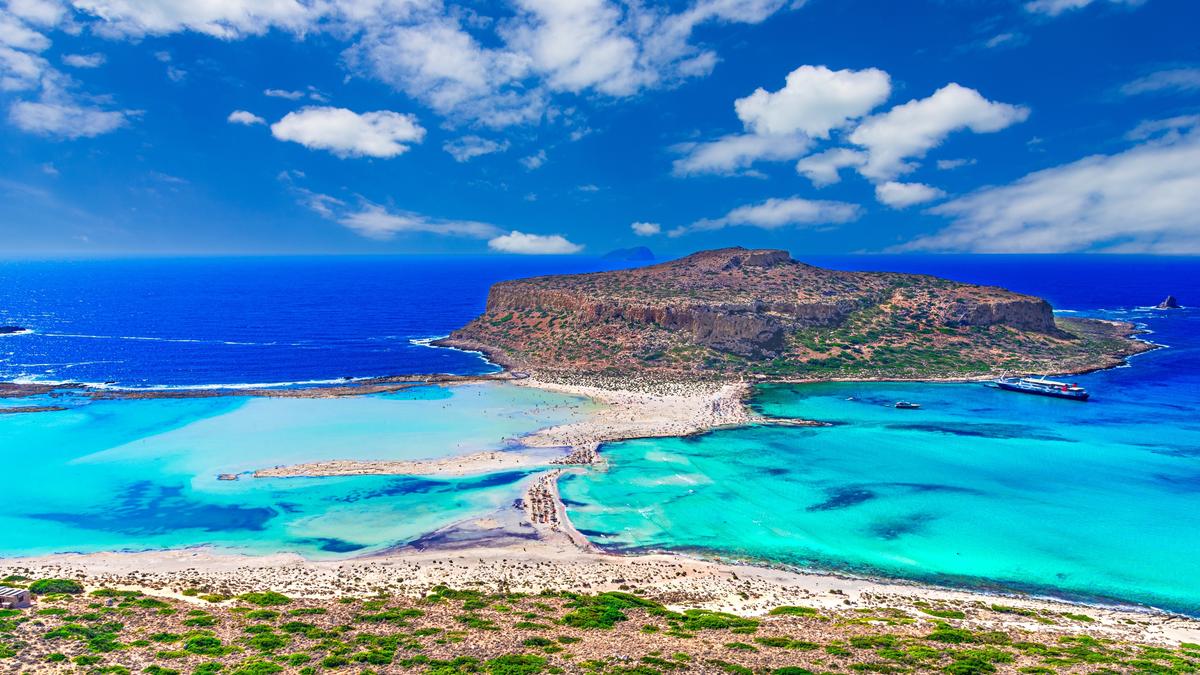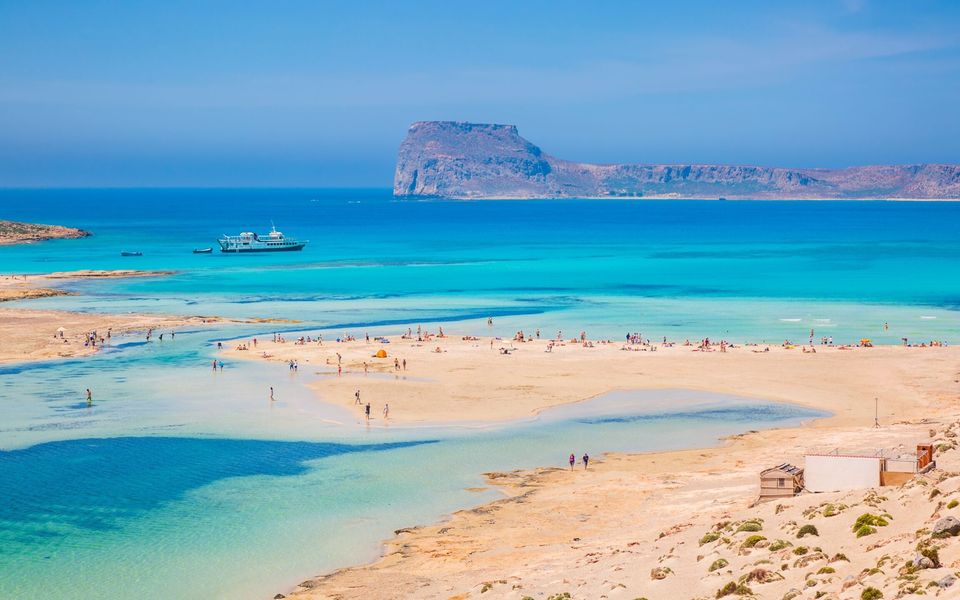
Balos Lagoon in western Crete, one of the island’s most popular natural attractions, is among the protected Natura 2000 sites where authorities are considering visitor limits and an online reservation system to curb overcrowding. [Shutterstock]
Some of western Crete’s most famous beaches and natural attractions are suffering from the very popularity that has drawn growing numbers of visitors, prompting the Municipality of Kissamos to seek stricter controls on visitor numbers.
Balos Lagoon, Elafonisi and Falassarna are among the area’s best-known destinations and are all protected under the European Union’s Natura 2000 network because of their ecological importance and rich biodiversity, Giorgos Koukourakis, a special environmental adviser to the Municipality of Kissamos, told Kathimerini.
Balos is a spectacular lagoon at the northwestern tip of Crete, known for its shallow turquoise waters and white and pink-tinged sand. Elafonisi, on the island’s southwestern coast, is famed for its shallow lagoon and distinctive pink sand, while Falassarna, farther north on the west coast, is a long sandy beach backed by rugged hills.
Field research carried out by scientists, mainly from the Natural History Museum of Crete in Iraklio and the Mediterranean Agronomic Institute of Hania, has provided the municipality with the data needed to develop a specific action plan, Koukourakis said.