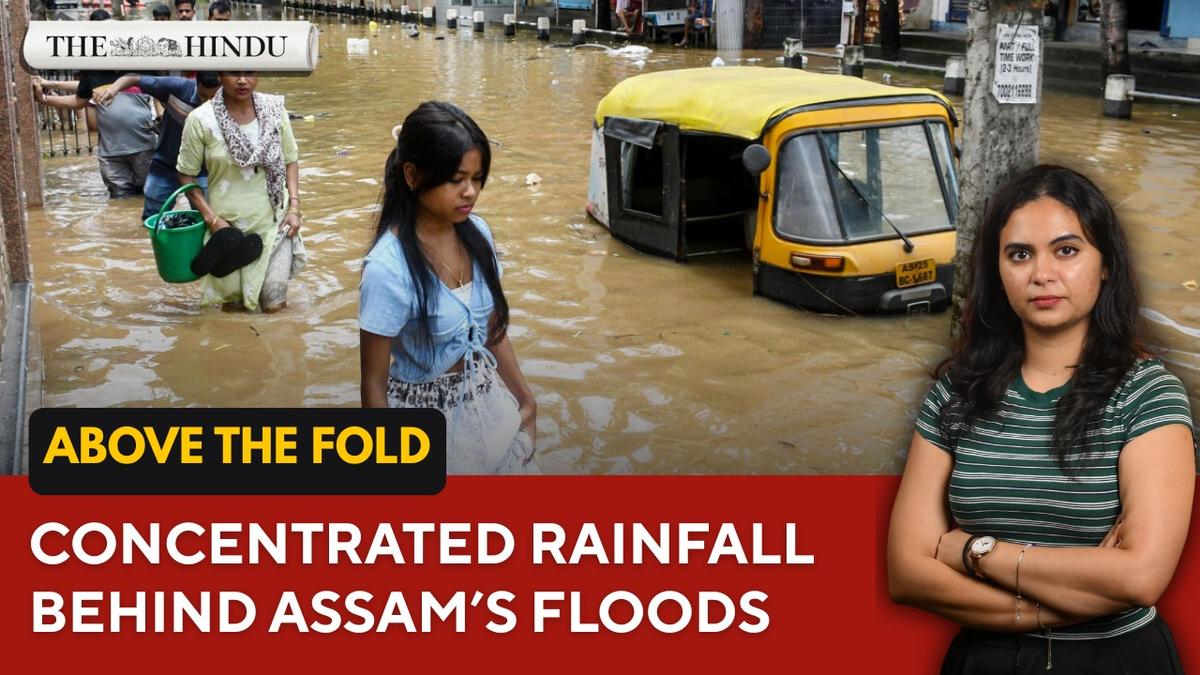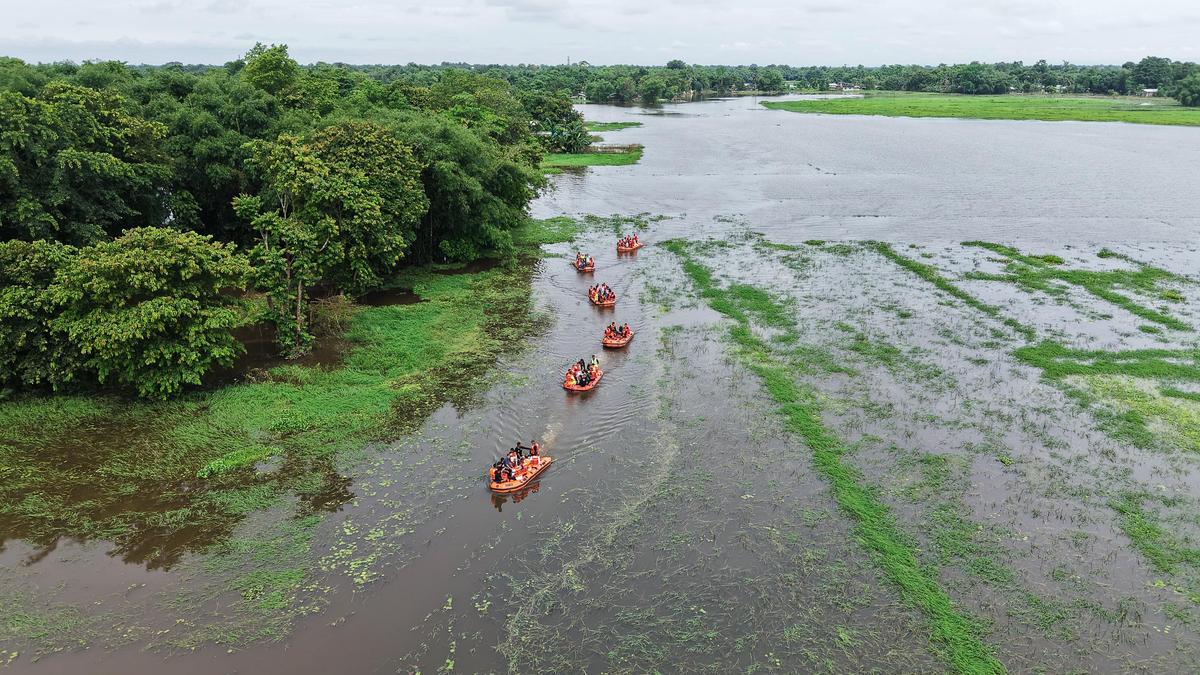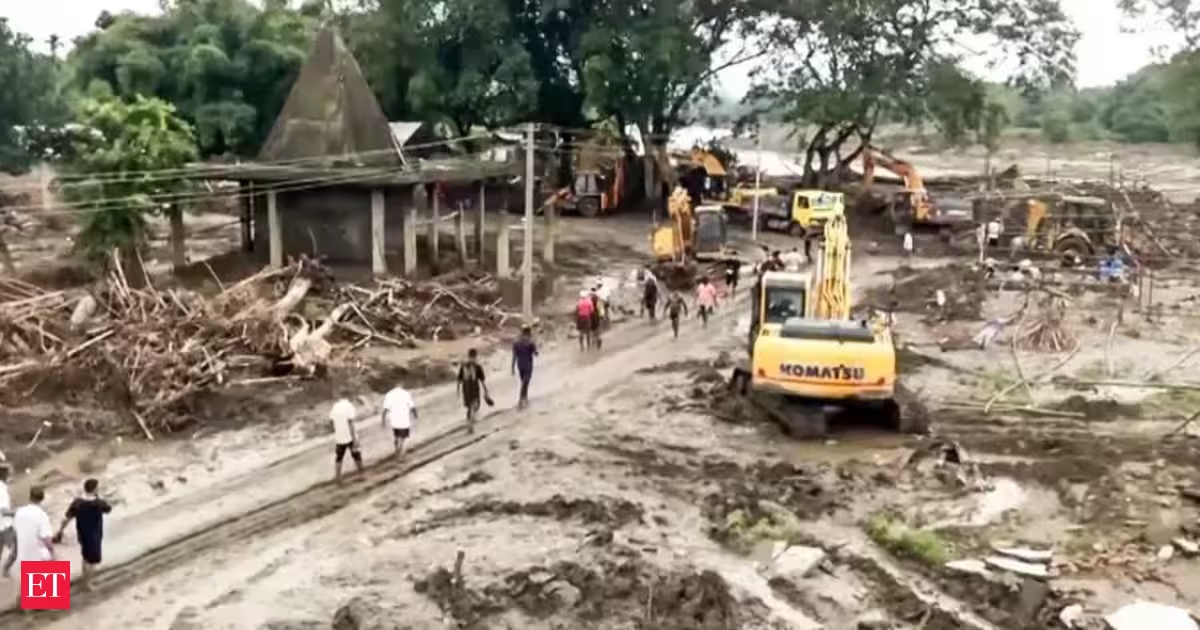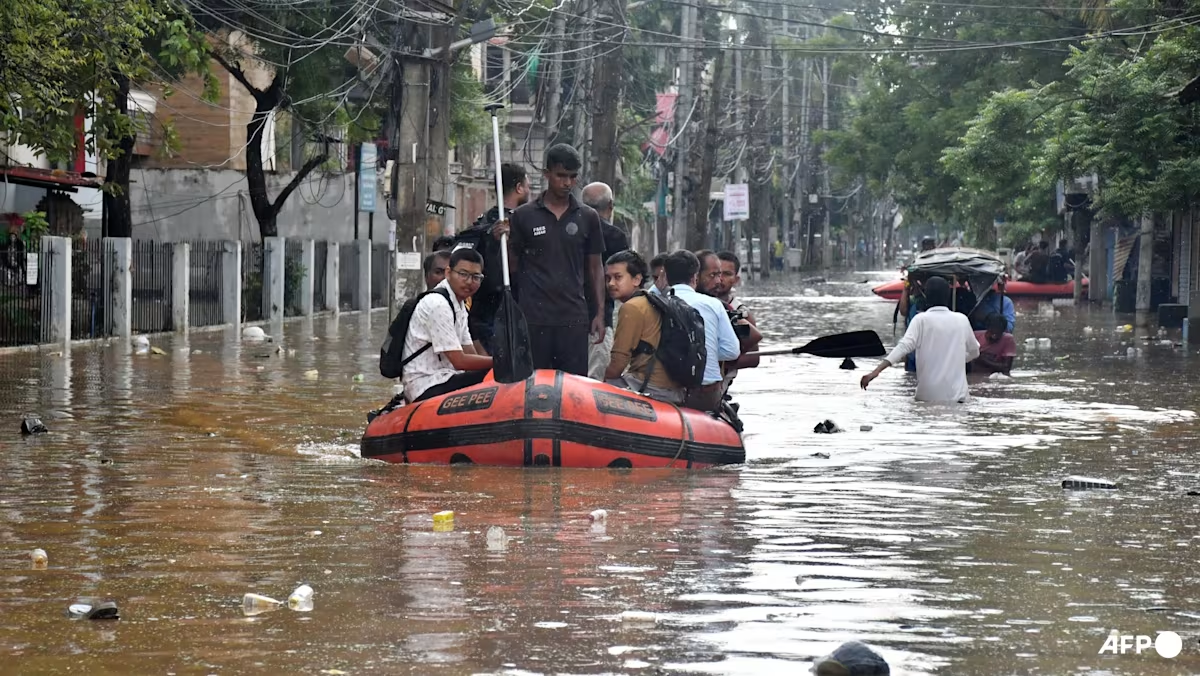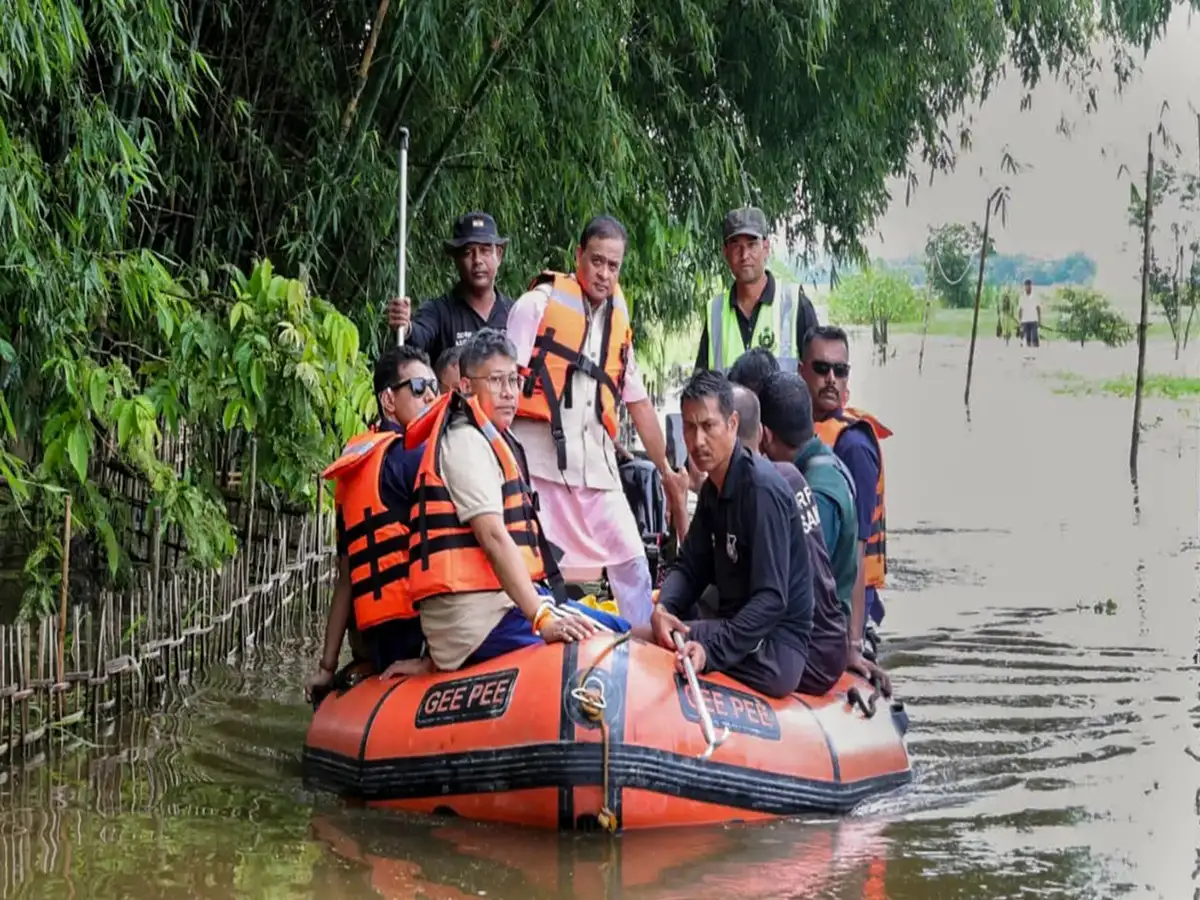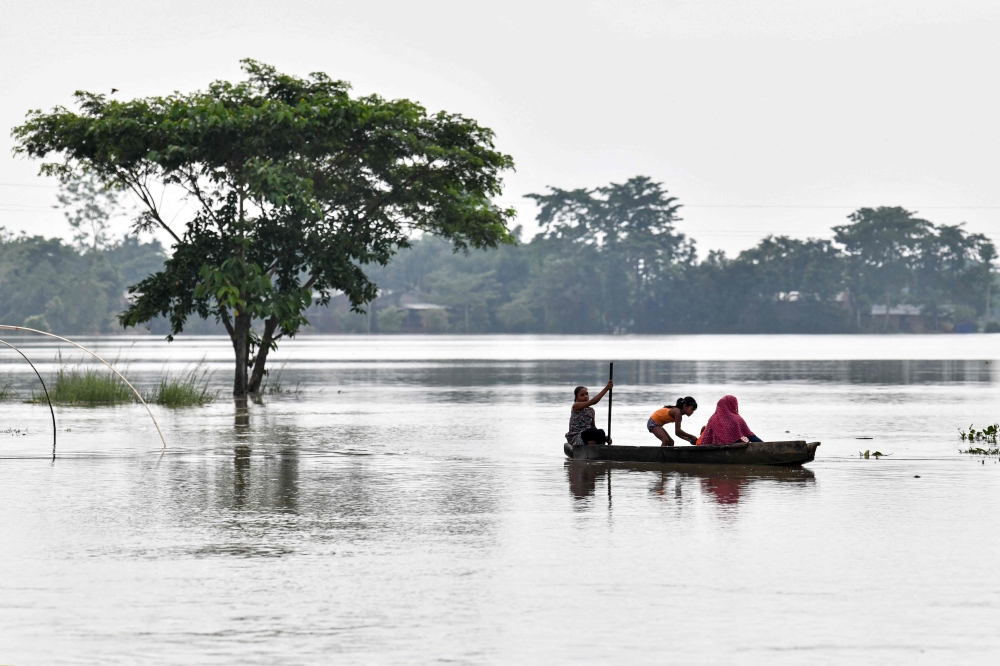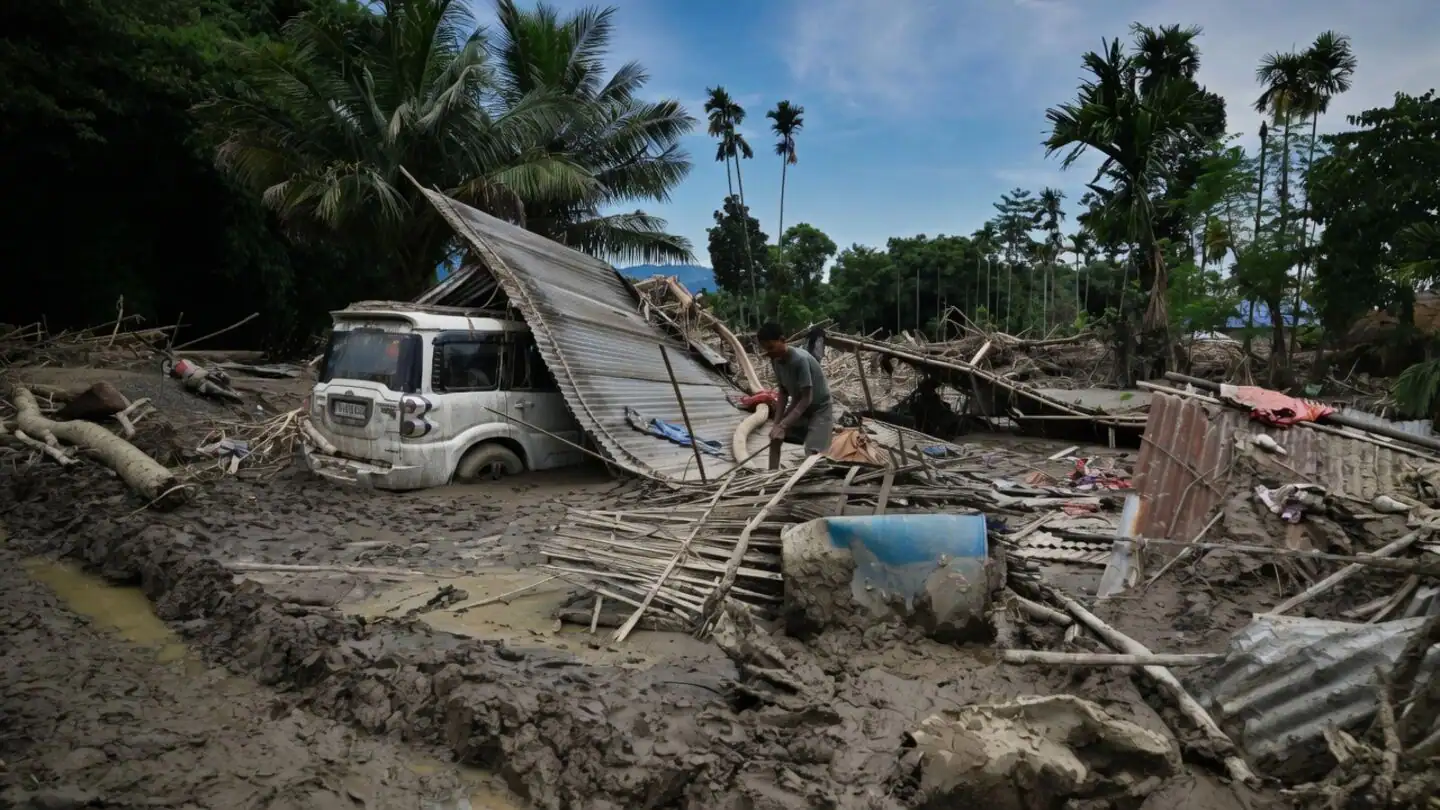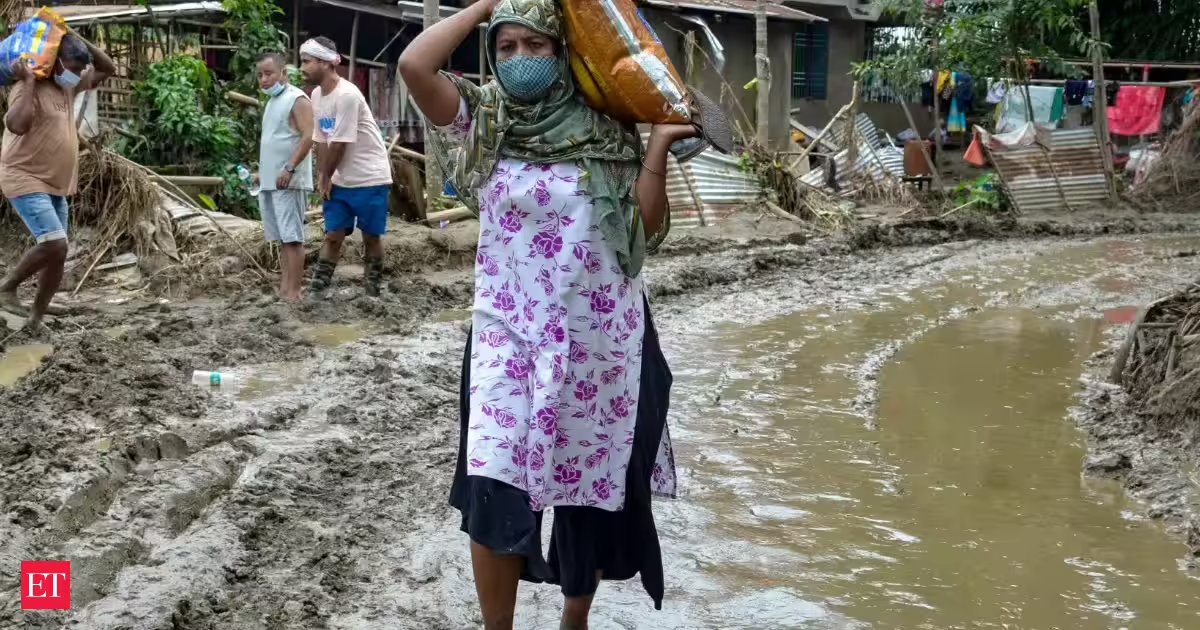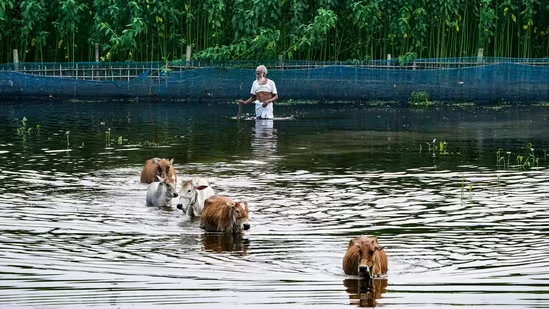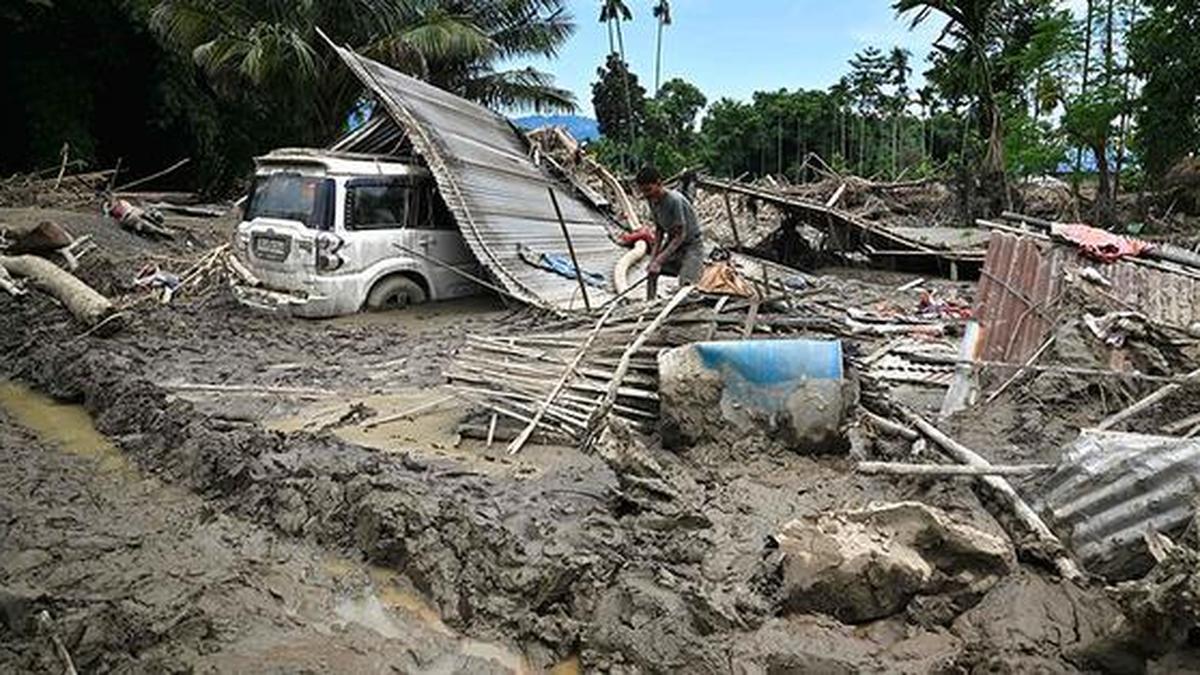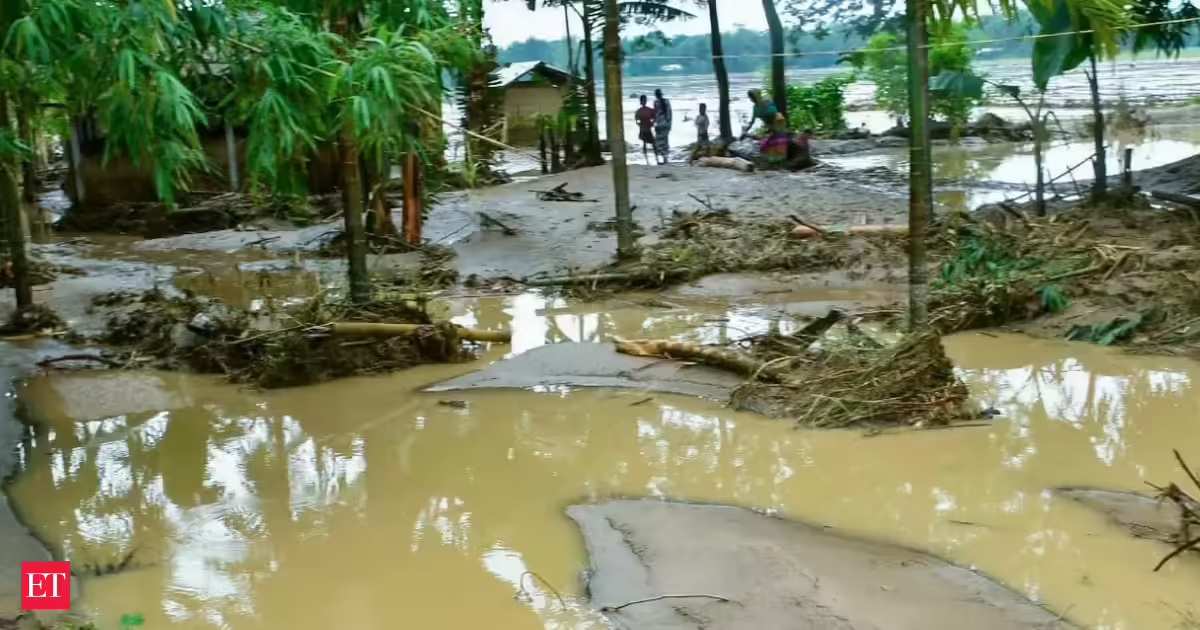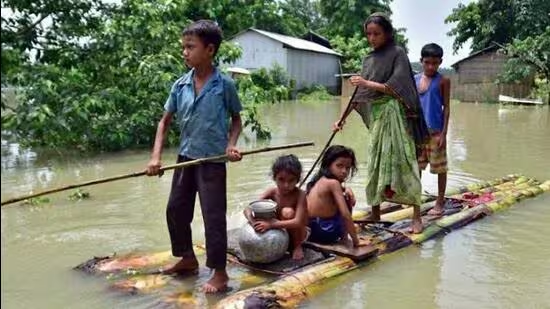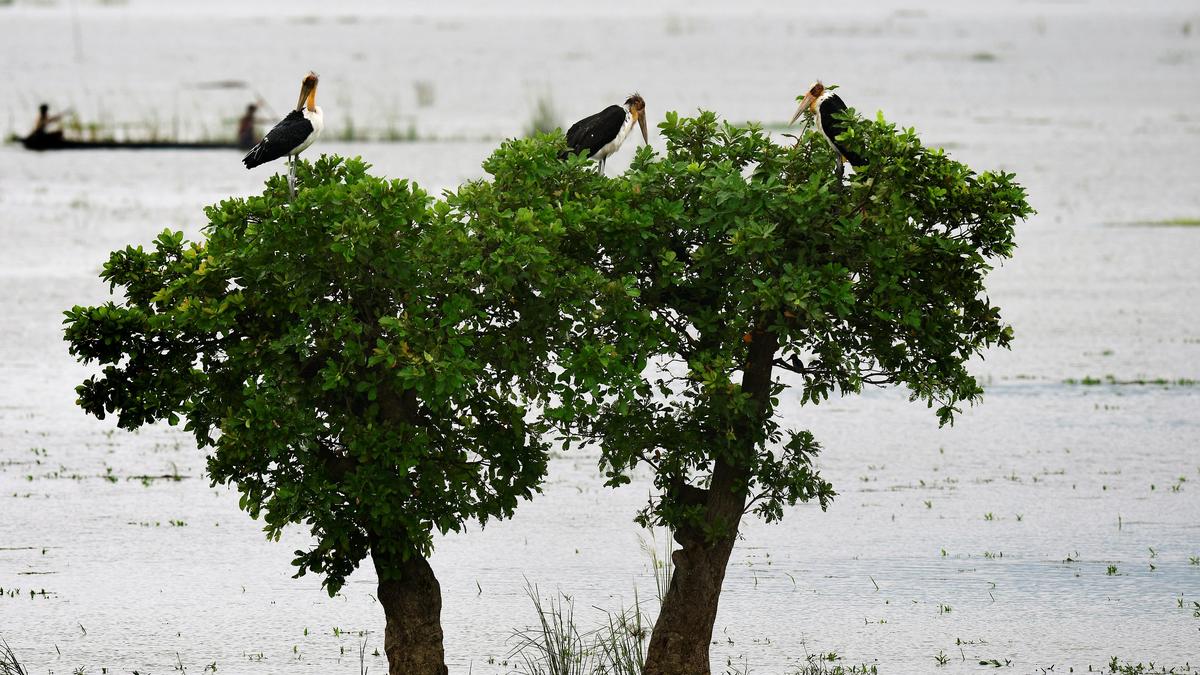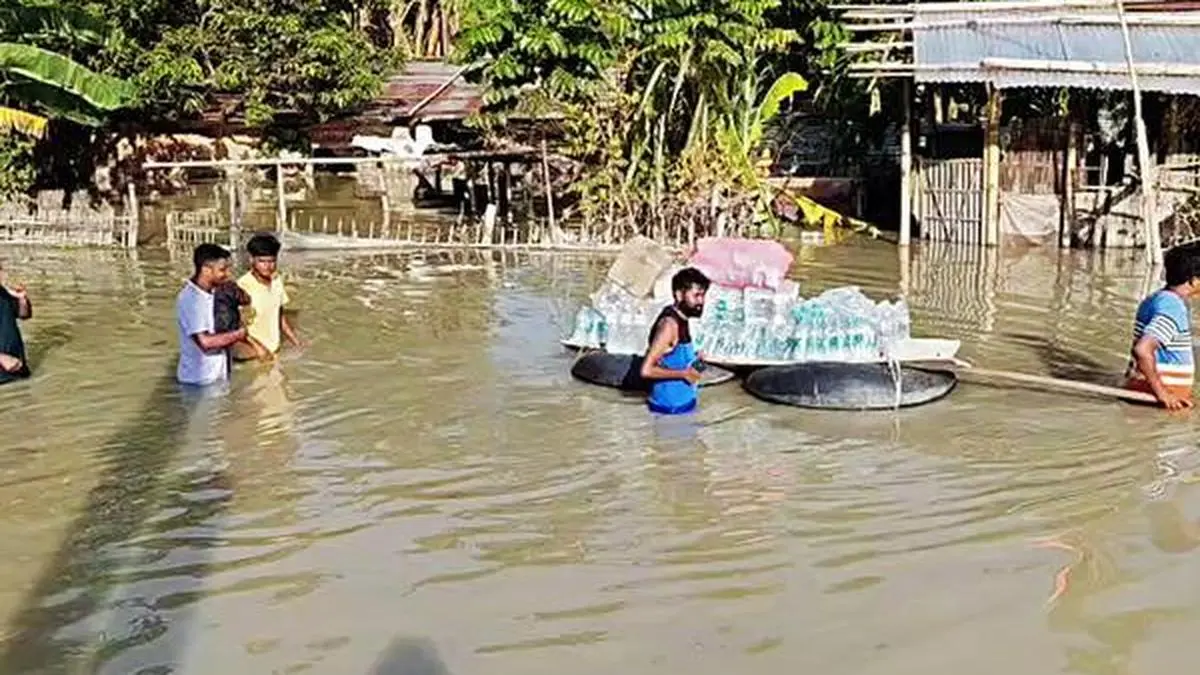
Floods in Assam have become more frequent, harder to predict and increasingly destructive due to a combination of factors, including intense rainfall, Himalayan warming, changing river dynamics, accelerated erosion and expanding human settlements in flood-prone areas, according to a new analysis.The State has long been vulnerable to floods due to its unique geography. About 40 per cent of its land is flood-prone, as the highly dynamic and sediment-laden Brahmaputra continuously shifts its course, eroding riverbanks and altering floodplains.However, these factors have now exacerbated the situation, said the analysis released on Friday by Climate Trends, a climate research organisation based in Delhi.One of the key triggers of this year's flooding in Assam has been the presence of a persistent series of monsoon systems over the Bay of Bengal.Mahesh Palawat, vice president (meteorology and climate change) at Skymet Weather, said in a statement, "There have been back-to-back weather systems forming in the Bay of Bengal during July. Until the systems prevailed over the ocean, they kept infusing ample moisture into the northeastern states." This constant flow of moisture kept the conditions conducive for rainfall, sometimes even triggering cloudbursts, he added.Such high-intensity rainfall events are becoming more frequent due to rising temperatures. Studies have shown that warmer air can hold more water vapour — for every one degree Celsius rise in average temperature, the atmosphere can hold about seven per cent more moisture.This makes storms more dangerous as it leads to an increase in precipitation intensity, duration and/or frequency, which ultimately causes severe flooding.Warming has also accelerated snow and glacier melt in the eastern Himalayas, resulting in swollen flows in the Brahmaputra and its tributaries.So, when a high-intensity rainfall event occurs, it creates larger flood peaks and prolongs inundation, according to the analysis.It added that human interventions, such as deforestation, urbanisation and unplanned land-use changes, further exacerbate flood vulnerability by increasing runoff and reducing natural water retention.Another fallout of climate change, according to Palawat, has been that it has amplified flood unpredictability in Assam.That is because weather patterns over the state have altered — there has been an increase in rainfall variability and a shift in monsoon behaviour.Moreover, despite technological progress in flood forecasting and early warning systems, their effectiveness remains constrained by sparse observations, inadequate data sharing and limited transboundary coordination, said the analysis.To make matters worse, climate change is expected to significantly increase flood risks across the Brahmaputra Basin, making Assam one of the most vulnerable regions in India. About 36 per cent of the basin's drainage area in India is within the state.Climate modelling studies project an increase in the frequency and intensity of extreme flooding events across the Indus-Ganga-Brahmaputra river basins between 2020 and 2059, driven by more intense monsoon rainfall and accelerated glacier melt in the Himalayas and the Tibetan Plateau due to rising temperatures.These changes are expected to accelerate soil erosion, sediment deposition, wetland degradation and agricultural losses, compounding existing flood risks, said the analysis.Dr Akshay Deoras, research scientist at the National Centre for Atmospheric Science, University of Reading (United Kingdom), said in a statement, "We have been witnessing sharp intraseasonal variations in the rainfall patterns; either the rainfall is very intense or break-monsoon periods are quite long, triggering extreme weather events. This is direct impact of global warming." "It is high time that we prepare for the season, keeping in mind these changes in the rainfall patterns and not just by the amount of rainfall," he added.Published on August 8, 2026
Warming of Himalayas, expanding human settlements reasons behind Assam's flood crisis: Analysis
Assam's flood crisis intensifies due to Himalayan warming, urbanization, and shifting river dynamics, leading to unpredictable and severe flooding.
575 words~3 min read