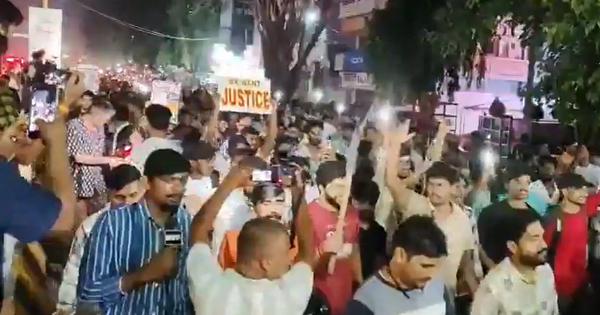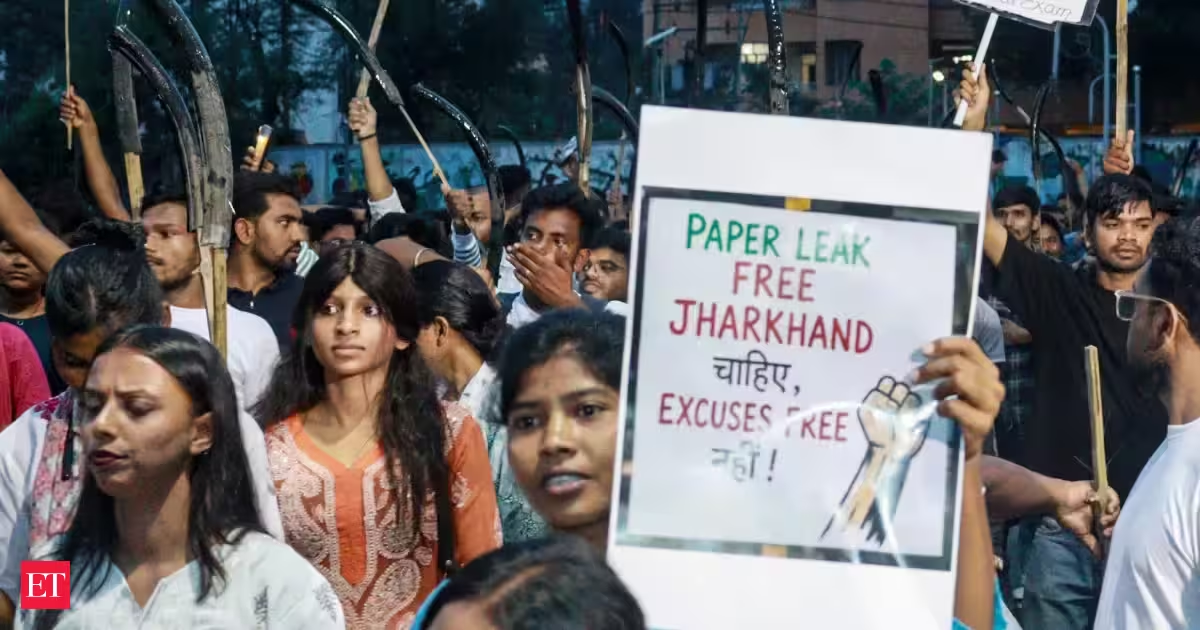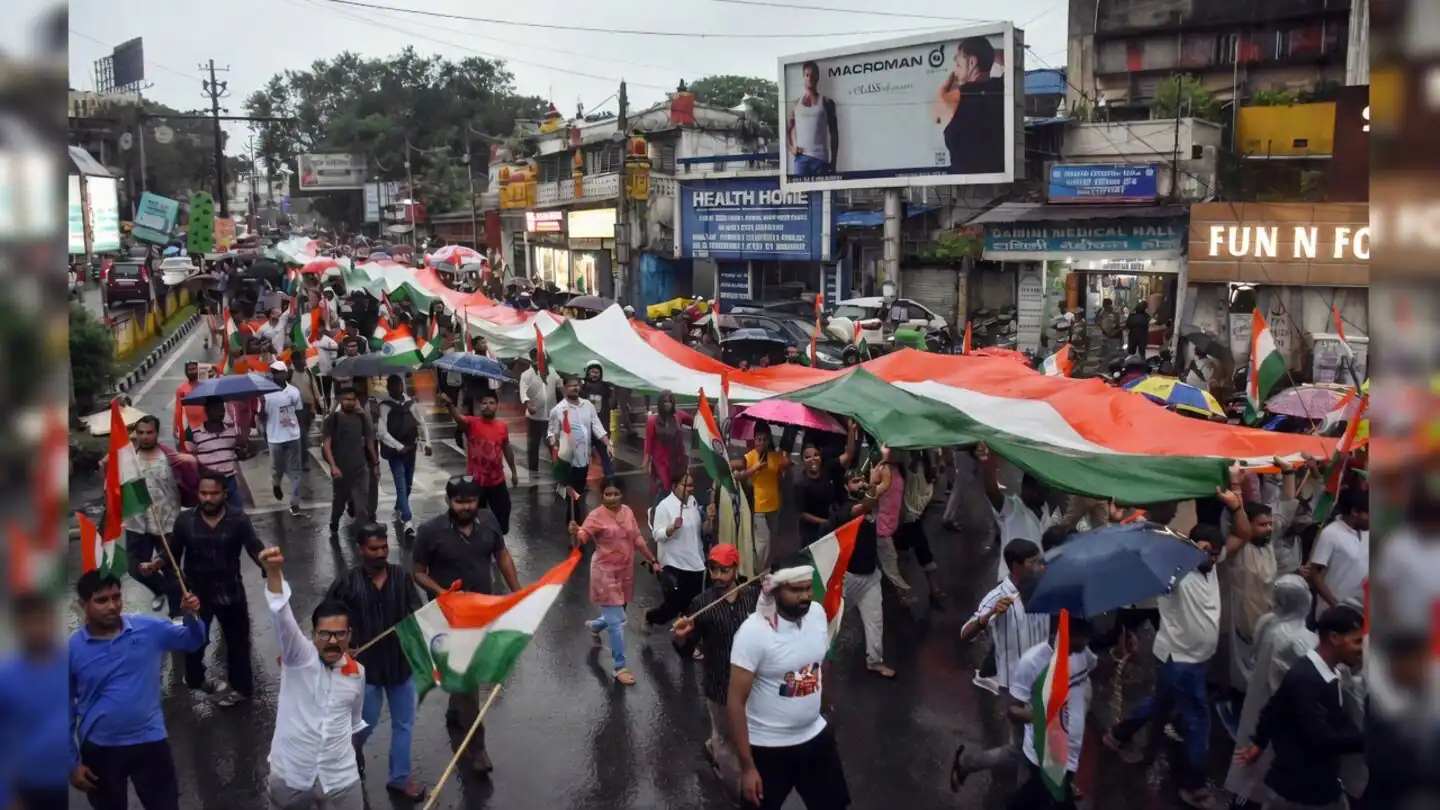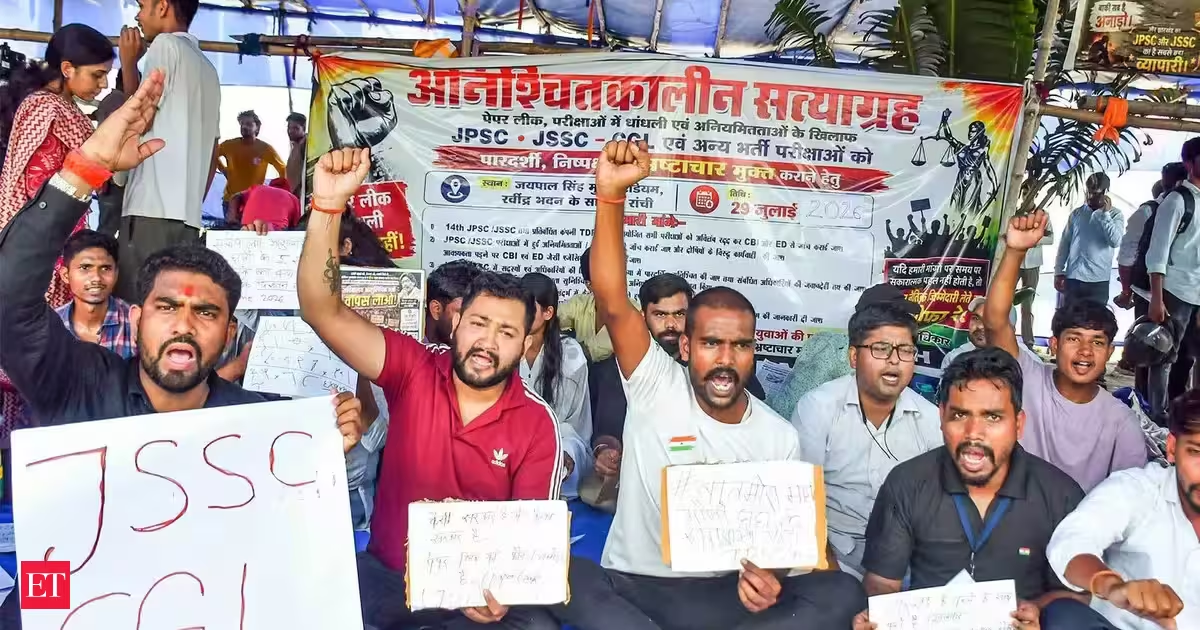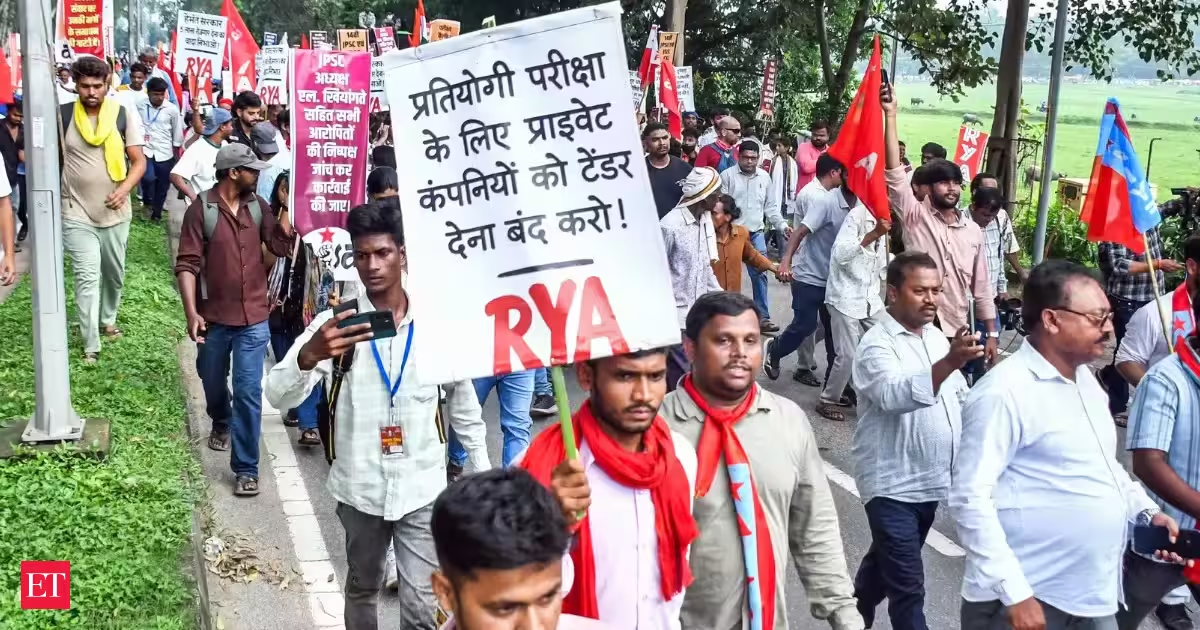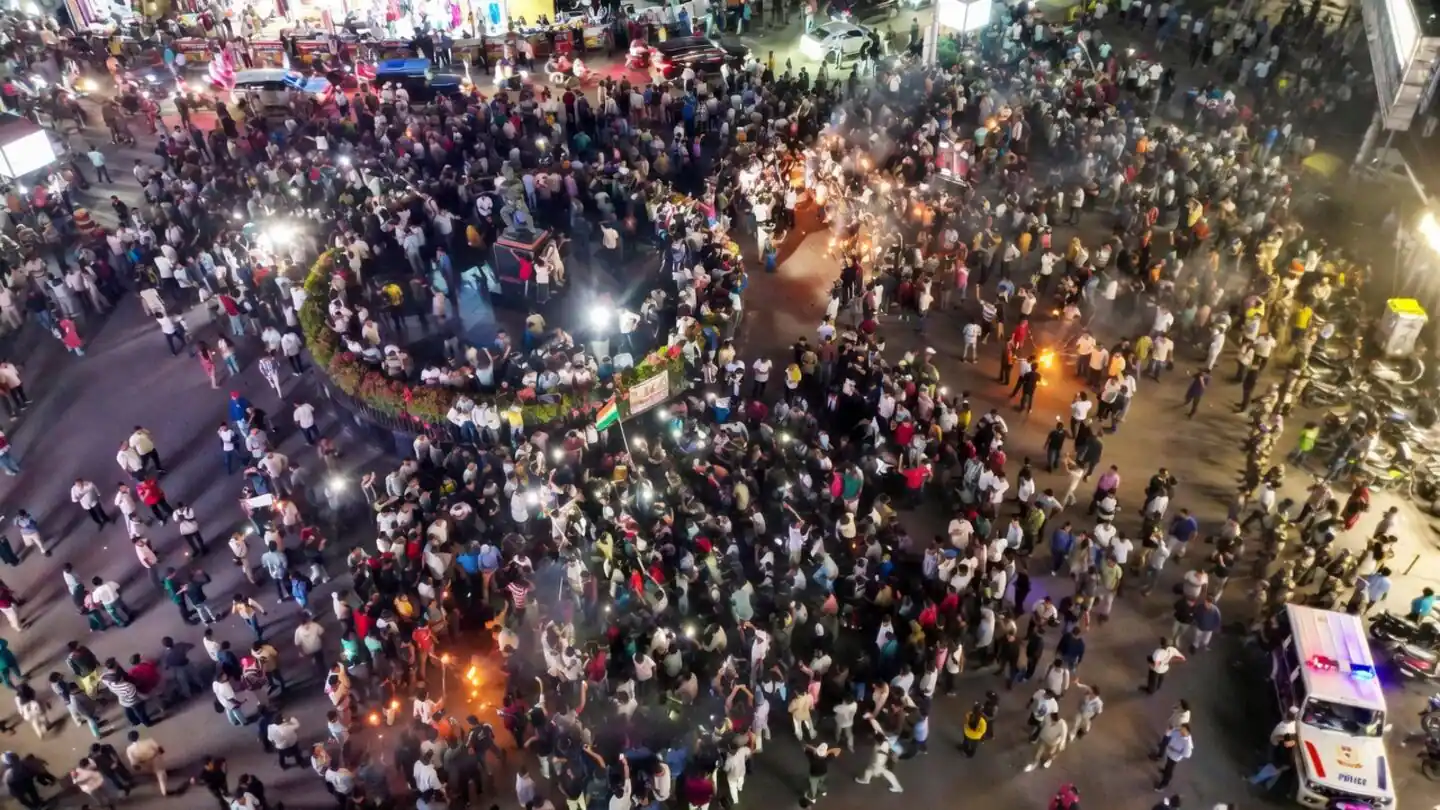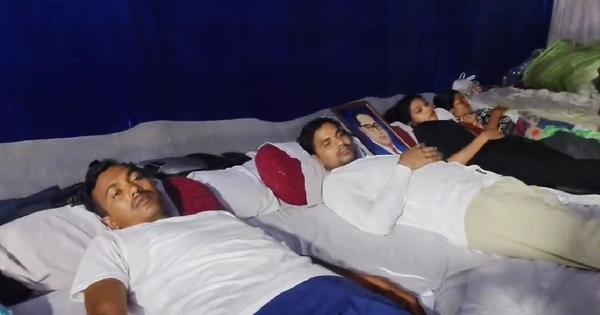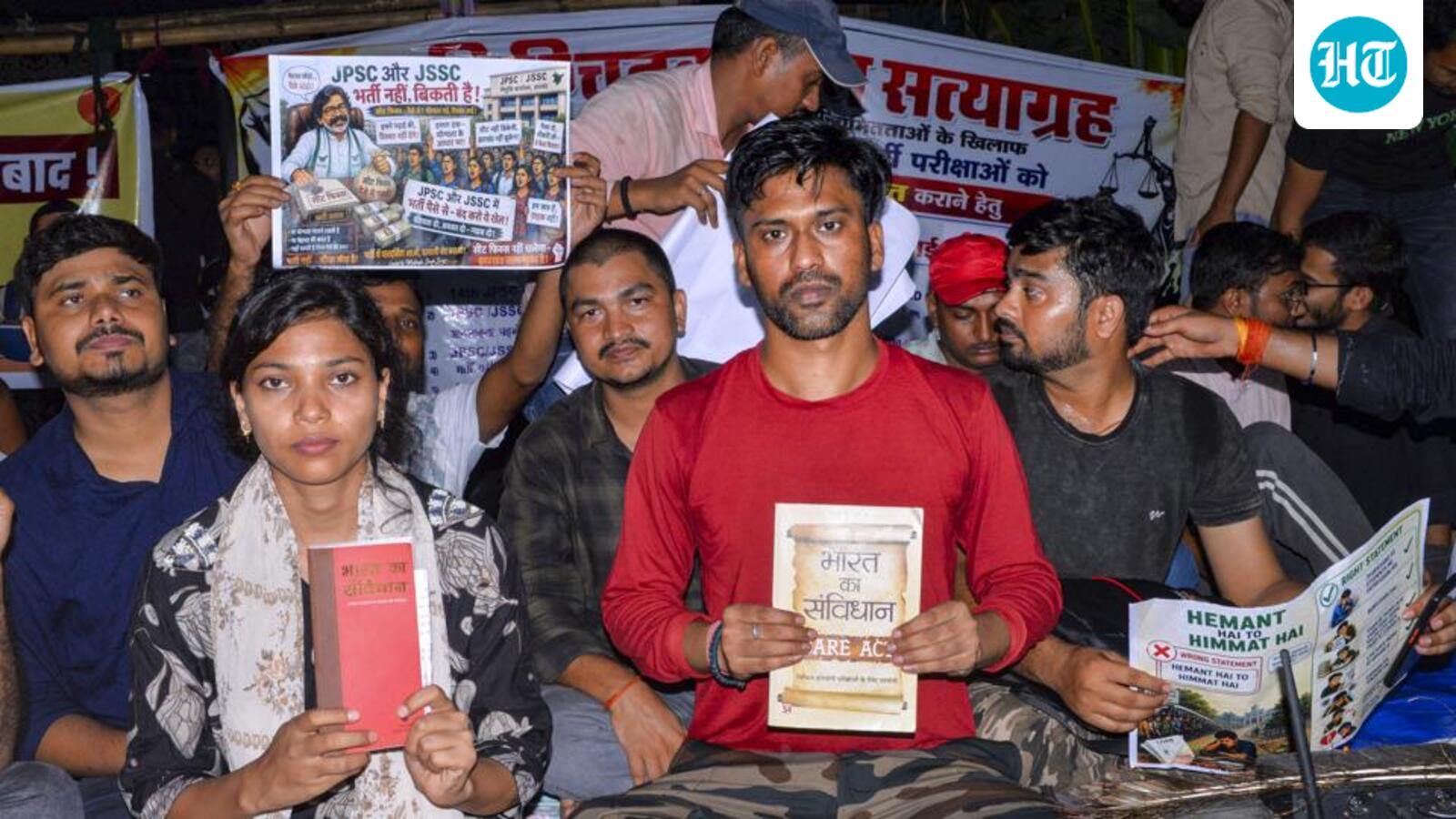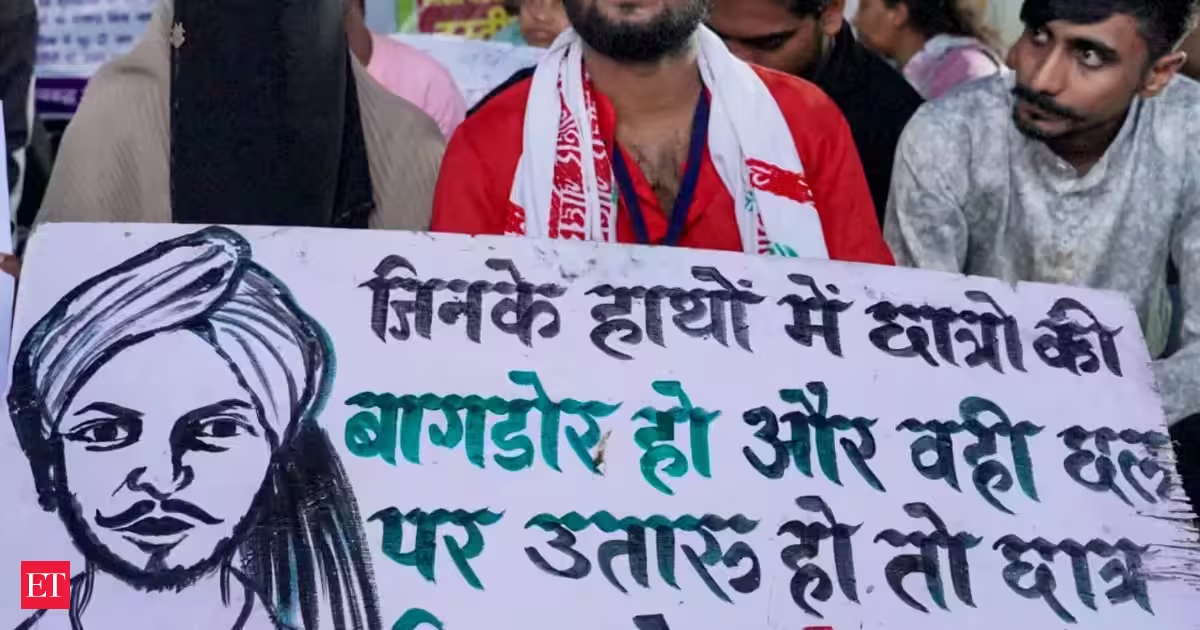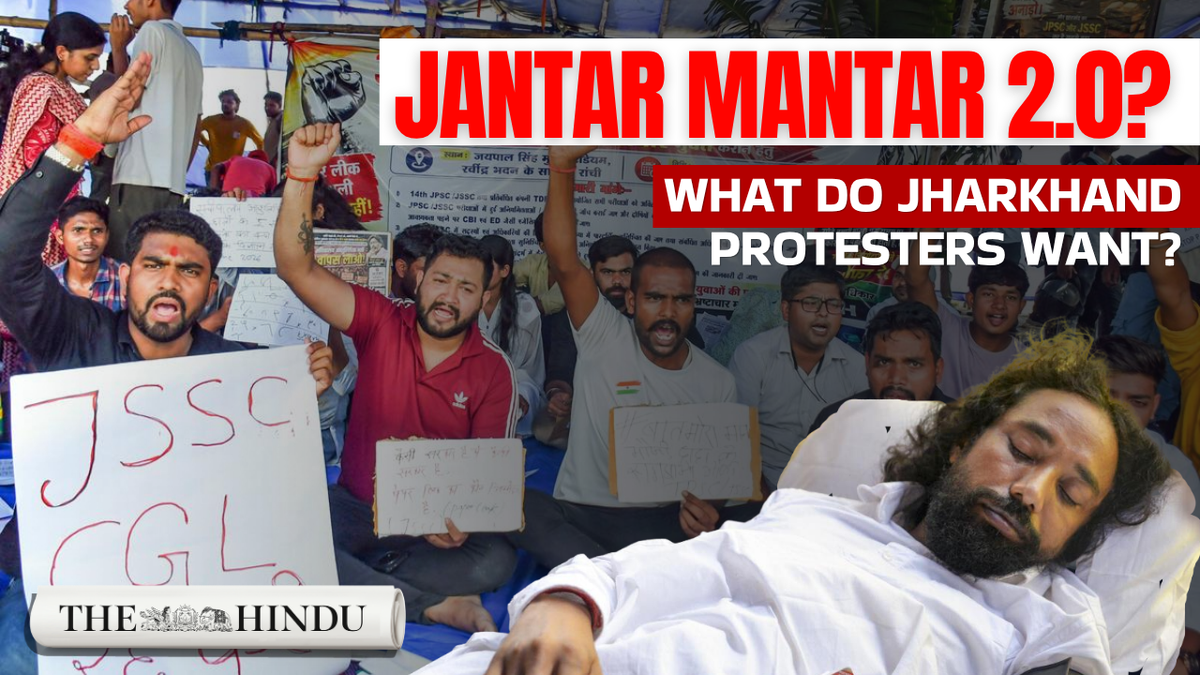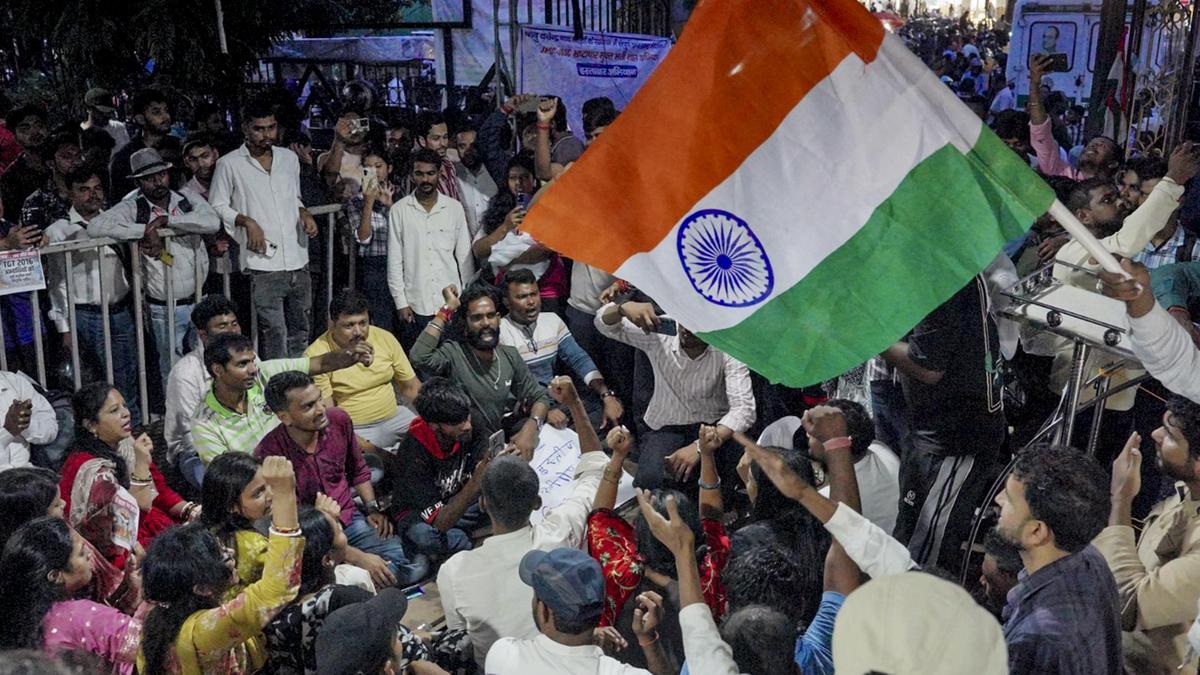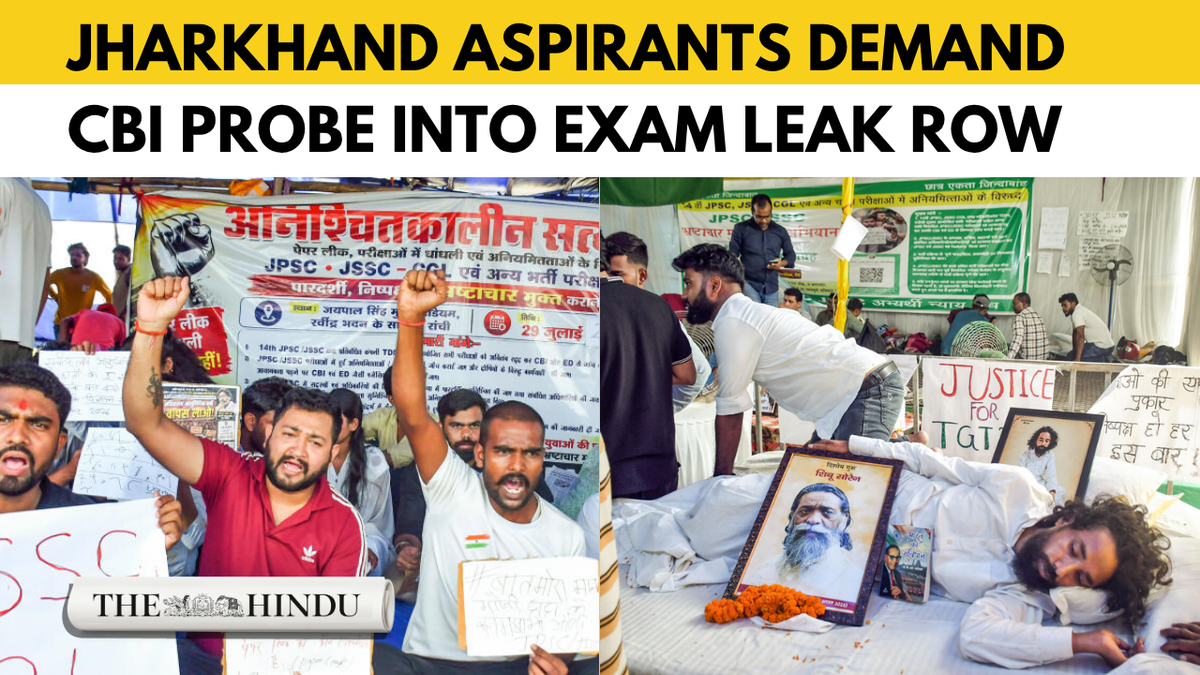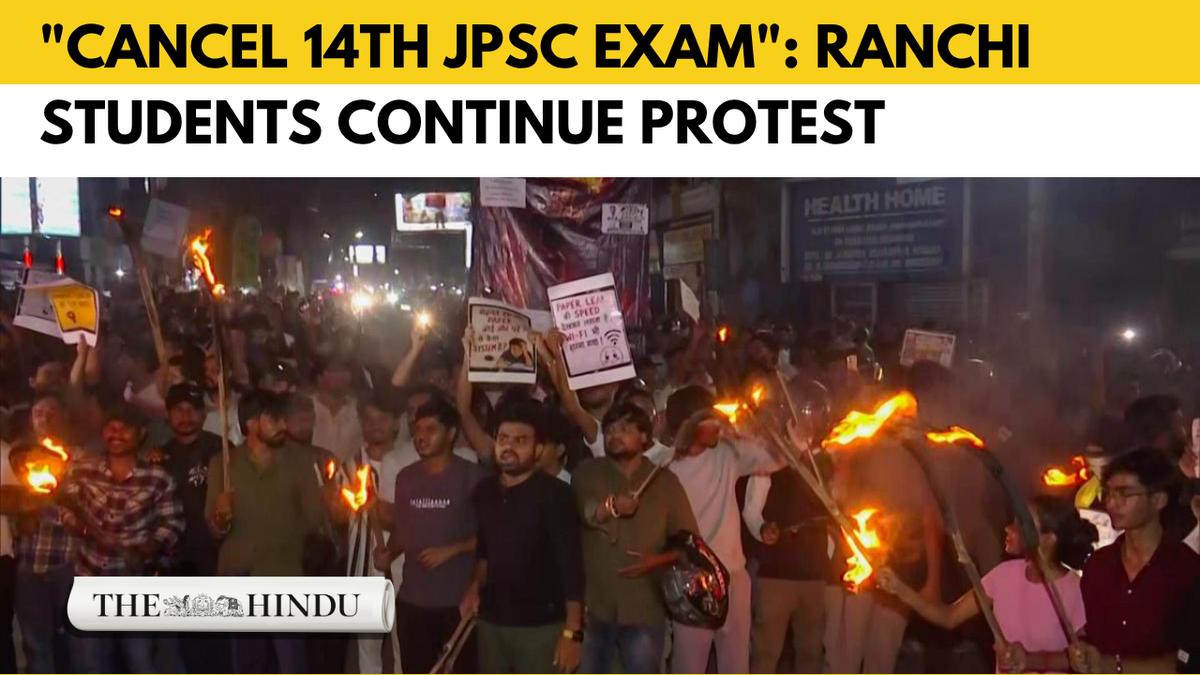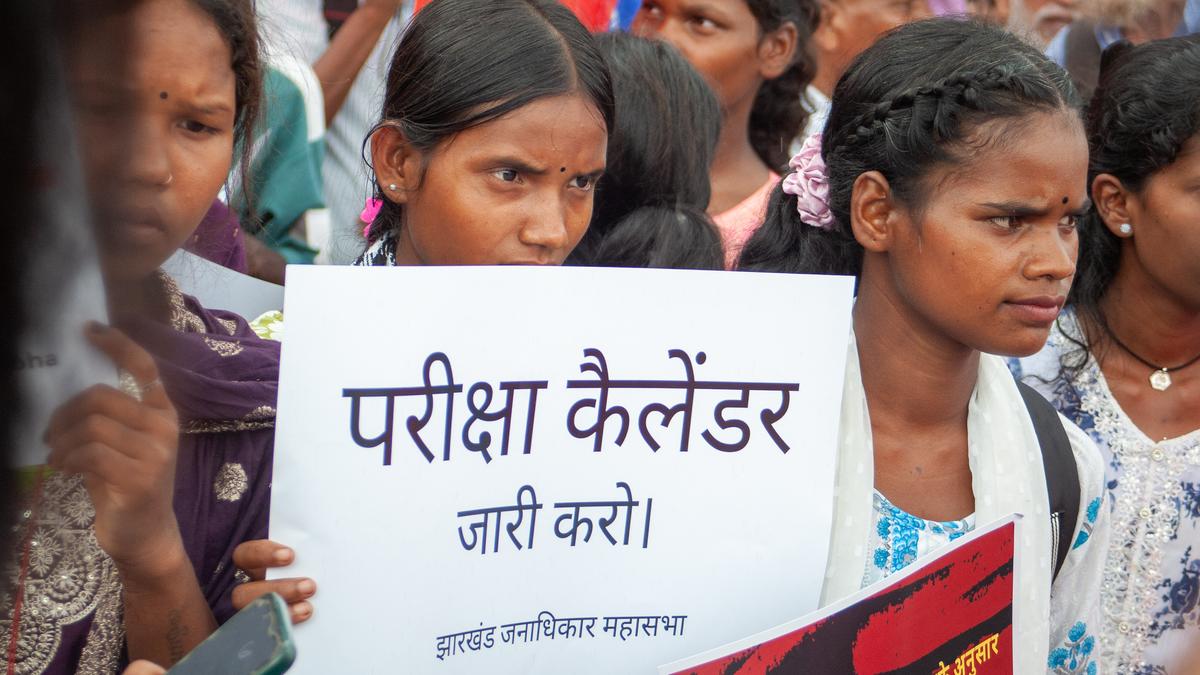
When the results of the Jharkhand Public Service Commission’s (JPSC) 14th Civil Services Preliminary Examination were declared this July, thousands of aspirants did what they always do. They refreshed websites, checked roll numbers and calculated cut-offs. What followed, however, was not the usual post-exam debate over marks, but growing doubts about whether the results themselves could be trusted..Within days, an Optical Mark Recognition (OMR) sheet allegedly belonging to a successful candidate began circulating across WhatsApp groups and Telegram channels used by aspirants. Students claimed the sheet showed that only a fraction of the questions had been answered correctly, yet the candidate had qualified. Soon, allegations of large-scale manipulation snowballed. The State government ordered a Criminal Investigation Department (CID) probe, several arrests followed, the JPSC headquarters was searched, and the commission’s chairman resigned amid mounting scrutiny.For thousands of young people across Jharkhand, however, the controversy was never just about one examination.On July 23, students began gathering at Jaipal Singh Munda Stadium in Ranchi. They arrived carrying bedding, notebooks and plastic folders filled with admit cards from examinations that, in many cases, had defined nearly a decade of their lives. Their demand was straightforward: cancel all examinations tainted by allegations of corruption, order an independent investigation by the Central Bureau of Investigation (CBI), and overhaul the state’s recruitment system.What began as anger over one examination quickly evolved into a youth movement questioning the credibility of institutions that are supposed to guarantee merit. “We have a limit,” said Priyanka Marandi, who has been preparing for JPSC examinations for years. “If something goes beyond that limit, anyone will become angry. We have come here peacefully because we only want our constitutional rights.”For outside observers, the protest may resemble the wave of demonstrations that followed the alleged NEET paper leak earlier this year. But students in Jharkhand insist their movement did not begin with one leaked paper. They say it is the culmination of years of delayed recruitments, repeated allegations of corruption and an examination system that has steadily lost public trust.“Almost every examination conducted since Jharkhand was formed has been surrounded by some controversy,” said Arun Agrawal, who runs Udaan IAS Academy in Ranchi and has coached aspirants for JPSC and Jharkhand Staff Selection Commission (JSSC) examinations for years. “The recent allegations became the spark because, for the first time, students felt there was substantial evidence that the examination process itself had been compromised.”According to Mr. Agrawal, complaints about recruitment processes are hardly new. Allegations involving the earliest JPSC examinations after Jharkhand became a separate State in 2000 were investigated by the CBI. Yet, students argue, prolonged legal proceedings and the absence of structural reforms allowed public confidence in the commissions to deteriorate rather than recover.The current controversy, however, has unfolded differently.Investigators have reportedly arrested several individuals linked to the alleged irregularities. Students point to the resignation of the JPSC chairman and searches conducted at the commission’s office as evidence that the allegations extend beyond rumours. Whether the ongoing investigation ultimately establishes criminal liability will be determined through due process. But for aspirants camping at the protest site, those developments confirmed what many say they had suspected for years—that competitive examinations could be manipulated by people with influence or money.That perception has become almost impossible to shake.“Even the constable’s examination is sold,” Mr. Marandi alleged. “Leave JPSC aside—even the clerk’s examination is sold.”The allegations are impossible to independently verify in each case. Yet what matters —and perhaps more significantly—is that thousands of aspirants now believe them.The protest’s organisers say that was precisely what transformed individual frustration into collective action.Aryan, one of the student coordinators, recalled that many aspirants initially accepted the preliminary examination results despite finding irregularities such as the absence of signatures on the published documents and uncertainty over official cut-off marks. But once the disputed OMR sheet surfaced online, conversations that had been taking place quietly in coaching centres and libraries spread rapidly across the state.“We contacted students everywhere,” he said. “Libraries, coaching institutes, candidates from different districts, everyone had similar doubts. People felt that if examinations themselves are compromised, then years of preparation mean nothing.”The mobilisation was unusually organic. Rather than being led initially by political parties, it was coordinated through networks of aspirants who had spent years preparing for the same examinations. Students from Hazaribagh, Latehar, Godda, Ranchi and other districts travelled to the capital, first assembling at Bapu Vatika before shifting to Jaipal Singh Munda Stadium after administrative requests linked to the Durand Cup.Their slogans were less about ideology than exhaustion.Many of the protesters are now in their late twenties or early thirties. Some graduated nearly a decade ago. Their lives have been measured not by promotions or careers but by notifications, postponed examinations, cancelled recruitments and endless preparation cycles.For Binita Kumari, who moved from Latehar to Ranchi to prepare for JPSC, the protest represents more than an examination dispute. It is about whether hard work still has any value.“We have been preparing for seven or eight years,” she said. “If people can buy seats with money, then where will poor students go? We only want our right to get a job on merit.”That sentiment shared across hundreds of aspirants sitting under makeshift tents in Ranchi is what has transformed a recruitment controversy into one of the state’s most significant youth movements in recent years.Where government jobs are everything, almostThe students occupying Jaipal Singh Munda Stadium insist their protest cannot be understood through the lens of a paper leak alone. In Jharkhand, they say, a government job is often the only realistic path to economic mobility.Jharkhand accounts for a significant share of India’s mineral wealth, producing coal, iron ore, bauxite, uranium and copper that power industries across the country. Yet the benefits of that resource wealth have rarely translated into broad-based employment. Outside a handful of industrial pockets, much of the state remains rural, where farming is uncertain, manufacturing is limited and private sector opportunities are scarce.
Years of delayed exams, bribery allegations provoke Jharkhand protests
Protests in Jharkhand ignite over delayed exams and bribery allegations, demanding reforms in the recruitment system and institutional integrity.
2,269 words~10 min read