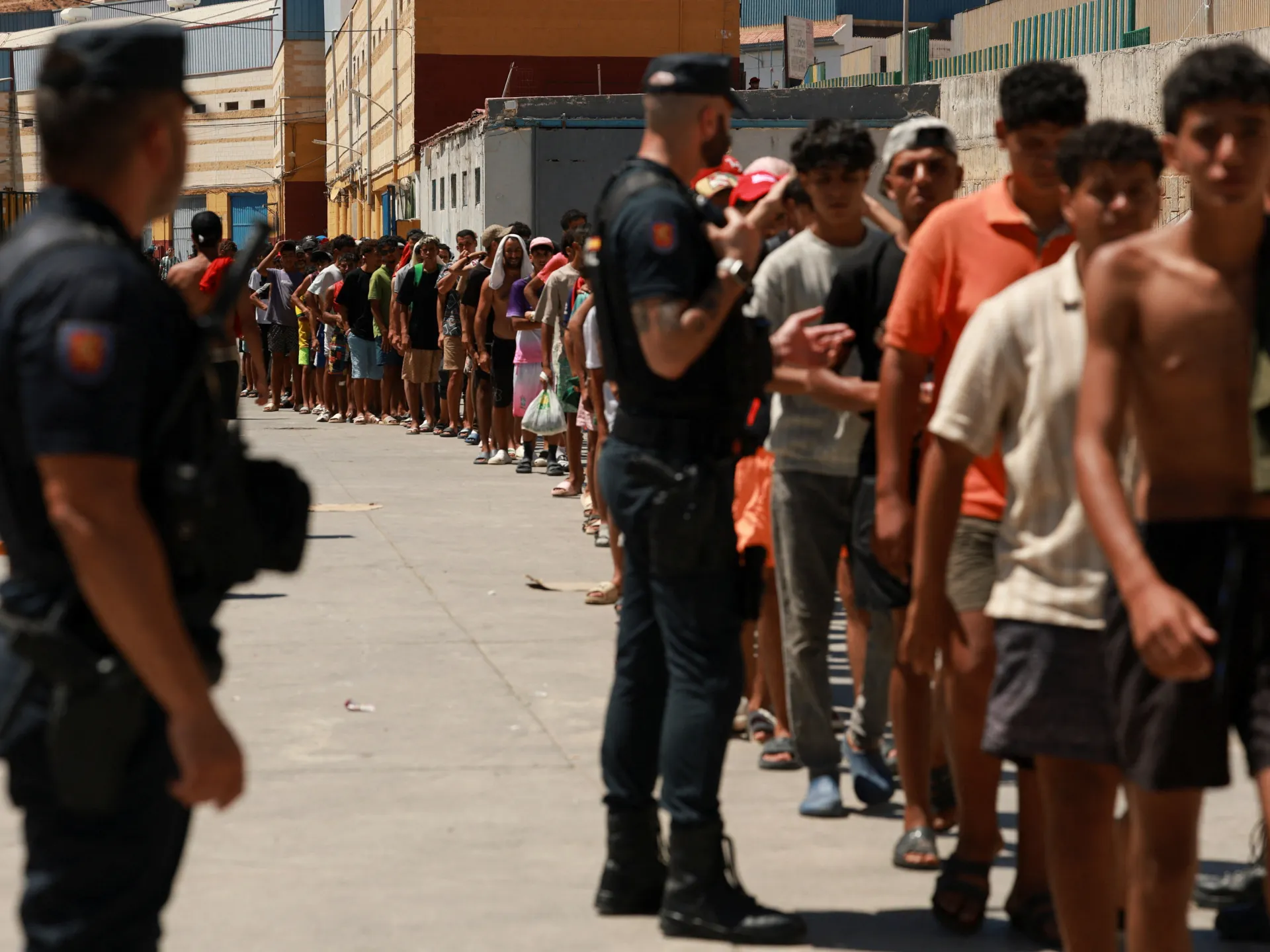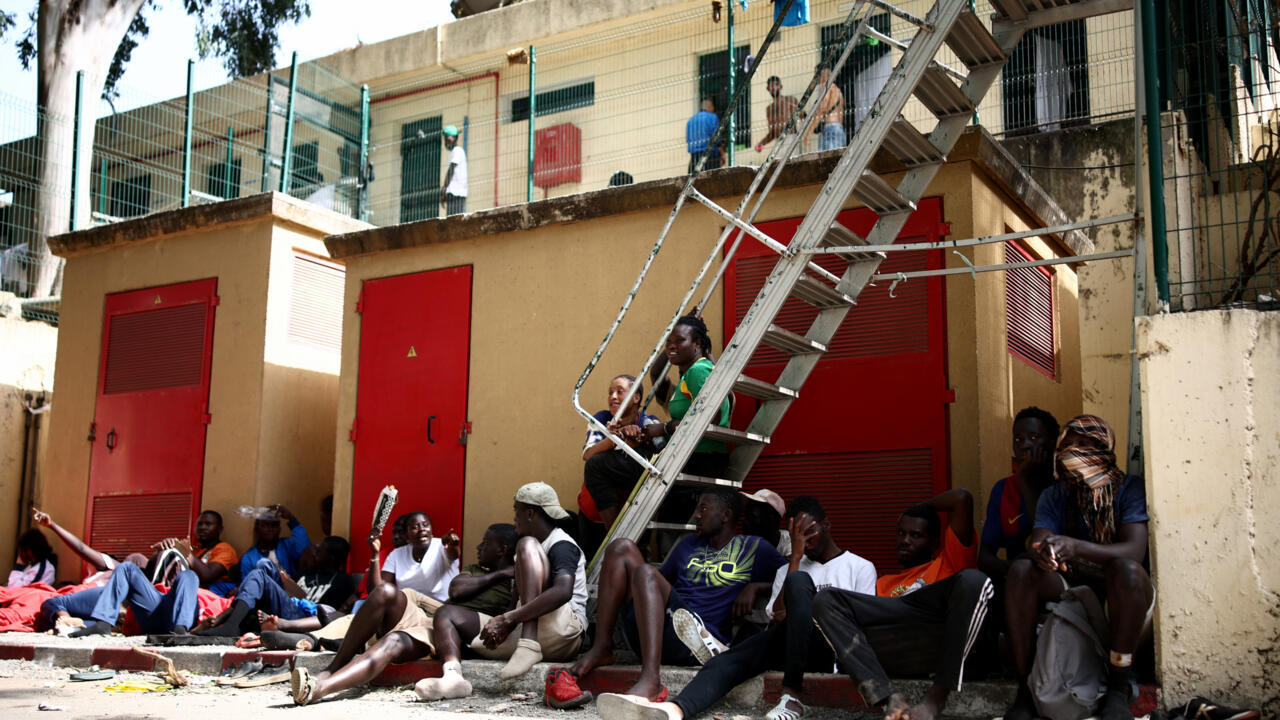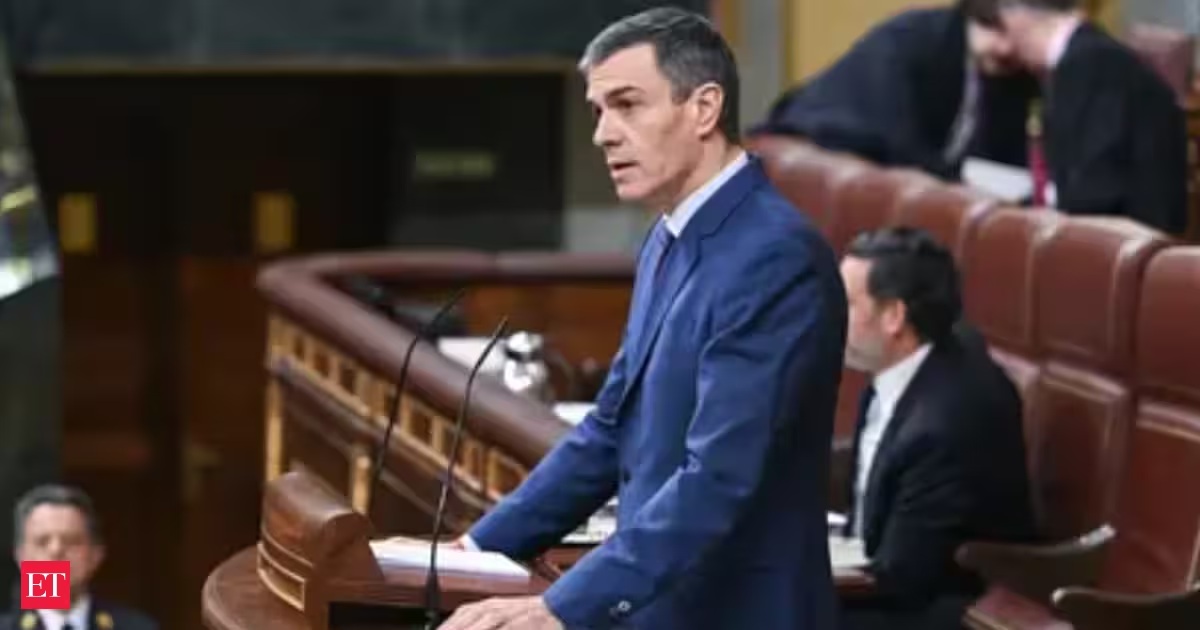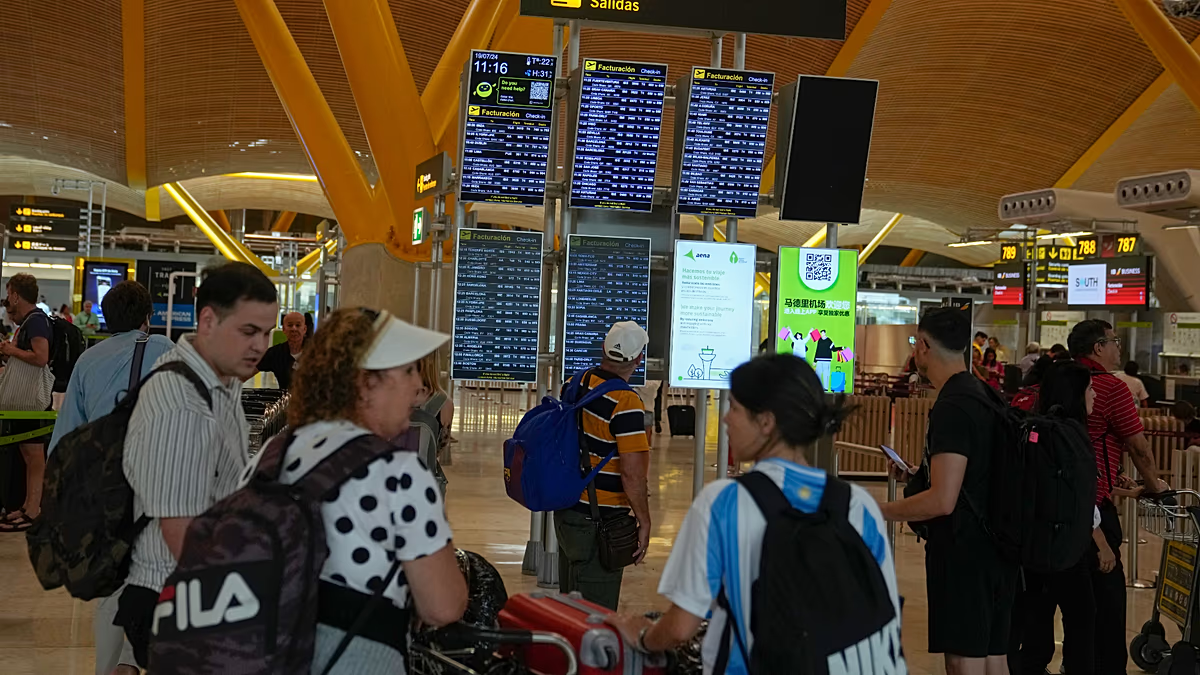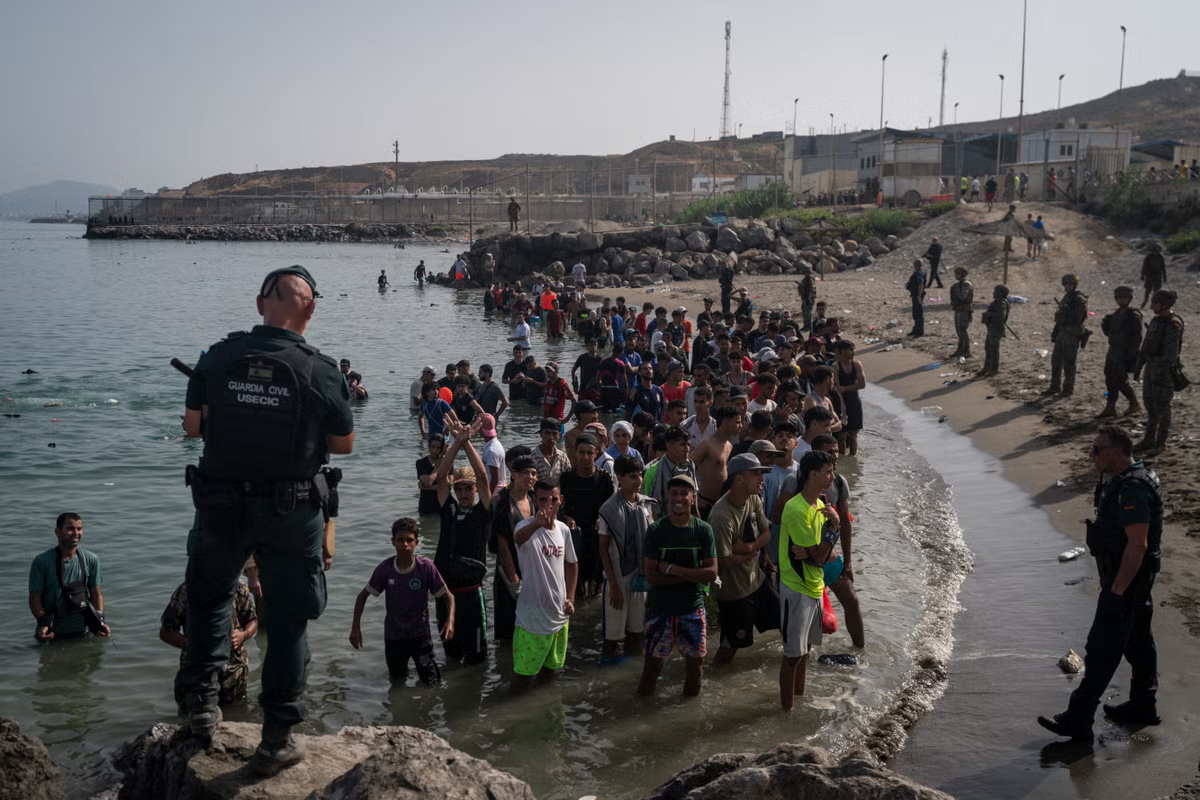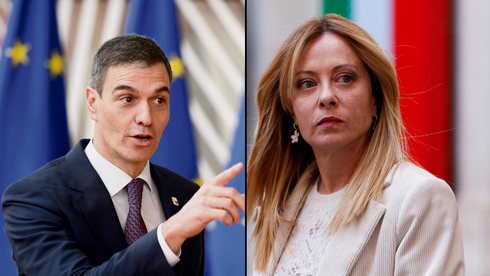
Madrid will check passports, visas and nationality for travelers arriving from Italy after Rome kept restrictions on Spanish passengers in place despite most migrants who entered Ceuta returning to MoroccoSpain will impose border controls on flights and ships arriving from Italy in retaliation for Rome’s continued restrictions on travelers from Spain, deepening a diplomatic dispute triggered by the mass migrant crossing into Ceuta.The Spanish Interior Ministry said the checks would begin at midnight Saturday and remain in force until September 7. Passports, visas and nationality will be checked for Italian passengers and travelers from other countries arriving from Italy.Masses of migrants expelled from Ceuta to MoroccoMadrid’s move comes after Italy temporarily suspended Schengen free-movement arrangements with Spain following the migrant crisis in Ceuta, the Spanish enclave in North Africa, where 72,000 people crossed from Morocco in late July.Spanish officials said the new measures were being introduced “against the backdrop of continued illegal migration pressure” and would remain in place as long as Italy maintained its own restrictions.Madrid again condemned the Italian measures as “unfair, contrary to the interests of the European Union and discriminatory toward the Spanish population.”Italy, however, said Friday that it would not bow to “ultimatums or dictates” from Spain and would keep border controls on arrivals from the country in place at least until August 15.Spain had warned it would take reciprocal action unless Rome removed the checks by Sunday.Spanish Prime Minister Pedro Sánchez and Italian Prime Minister Giorgia Meloni (Photo: REUTERS/Remo Casilli, AP/Omar Havana)The Italian government said it would reconsider its decision only when it was satisfied there were no “security or terrorism risks, no new migration wave and no illegal migrants making their way toward European territory.”The dramatic scenes of thousands of migrants breaching the border into Ceuta drew sharp criticism from several European Union countries, particularly governments that favor a tougher approach to illegal migration and protection of the bloc’s external borders.Italian Prime Minister Giorgia Meloni was among the most outspoken critics, describing the suspension of Schengen arrangements as an “exceptional measure” intended “to safeguard national security and prevent possible consequences for our country.”According to official Spanish figures, however, 70,000 of the 72,000 migrants who entered Ceuta have already returned to Morocco.Spanish authorities are also monitoring rumors and social media posts suggesting another possible attempt by migrants to reach the enclave, though officials have not said they expect a repeat of last week’s events.Against the backdrop of the dispute with Rome, Madrid warned against “creating divisions and sterile confrontations dictated by domestic electoral considerations.”Those who remain in Ceuta include hundreds of unaccompanied children who are facing difficult living conditions and severely limited access to food, water, shelter and sanitation.Moroccan human rights organizations estimated Friday that at least 141 people died last week while attempting to reach Ceuta and warned that the death toll could rise.Italy is itself struggling with migrant arrivals across the Mediterranean from North Africa, a route considered the world’s deadliest migration corridor.Ceuta is one of two Spanish enclaves in North Africa bordering Morocco, along with Melilla. Their frontiers with Morocco form the European Union’s only land borders with Africa, making them highly sought-after entry points for migrants from Morocco and sub-Saharan Africa trying to reach the EU without crossing the Mediterranean.
Spain hits back at Italy: Passport checks imposed as Schengen row escalates
Madrid will check passports, visas and nationality for travelers arriving from Italy after Rome kept restrictions on Spanish passengers in place despite most migrants who entered Ceuta returning to Morocco
540 words~2 min read