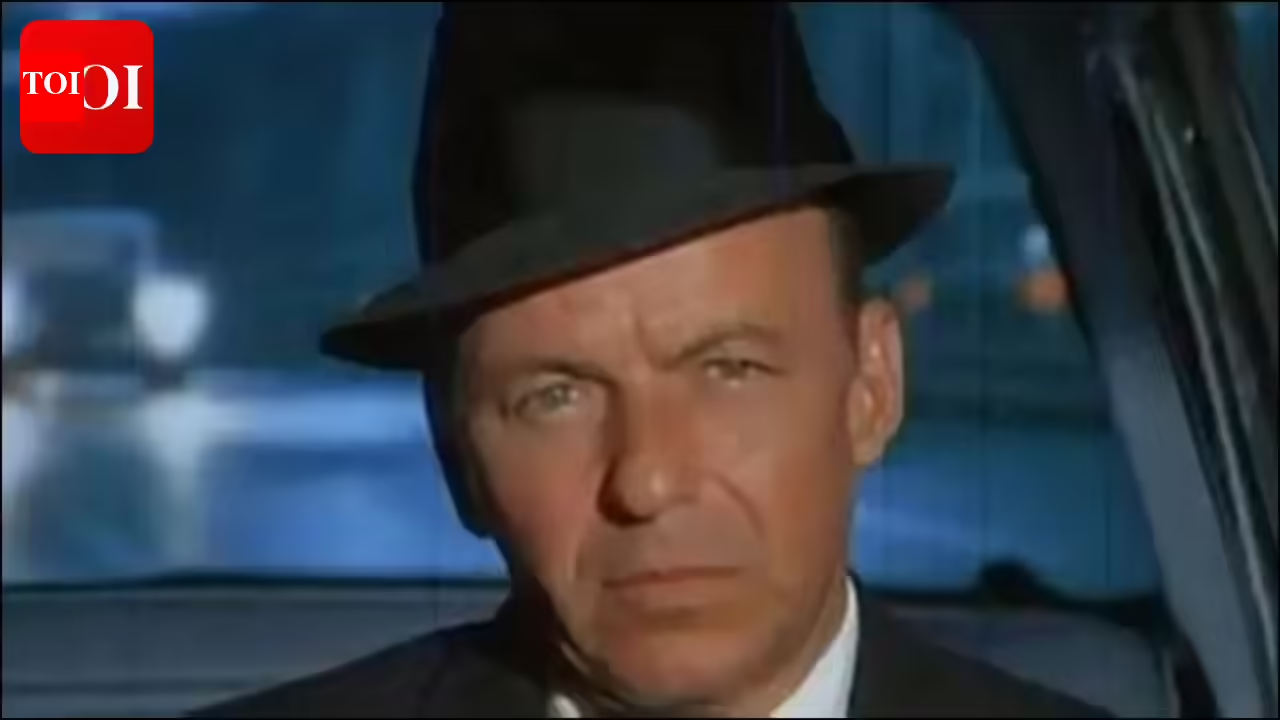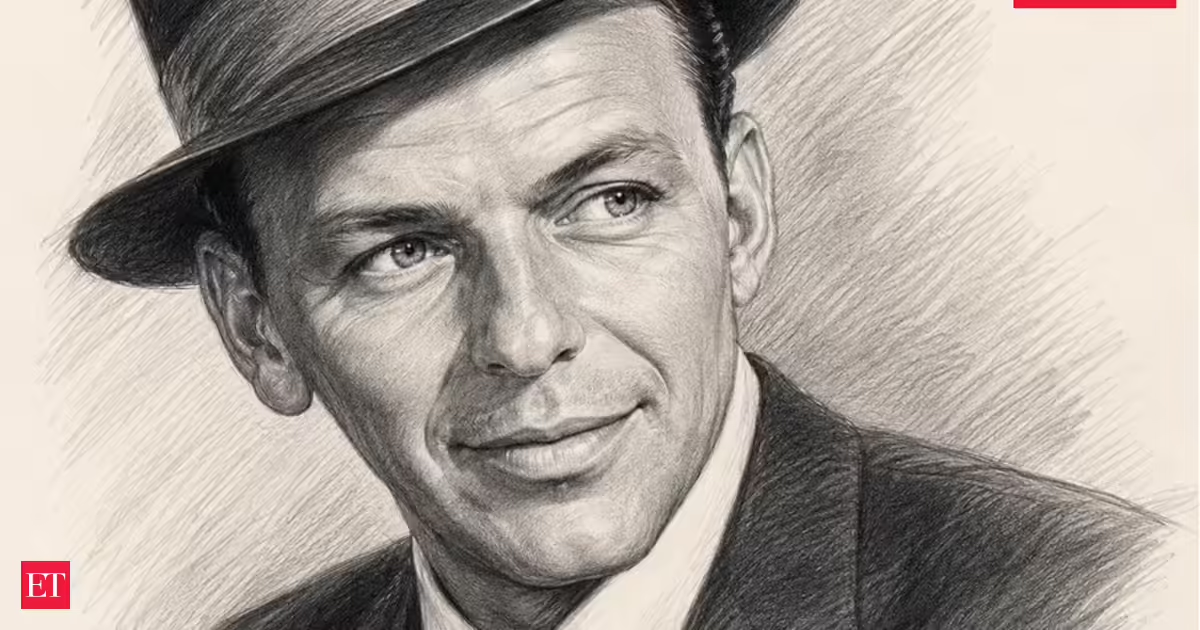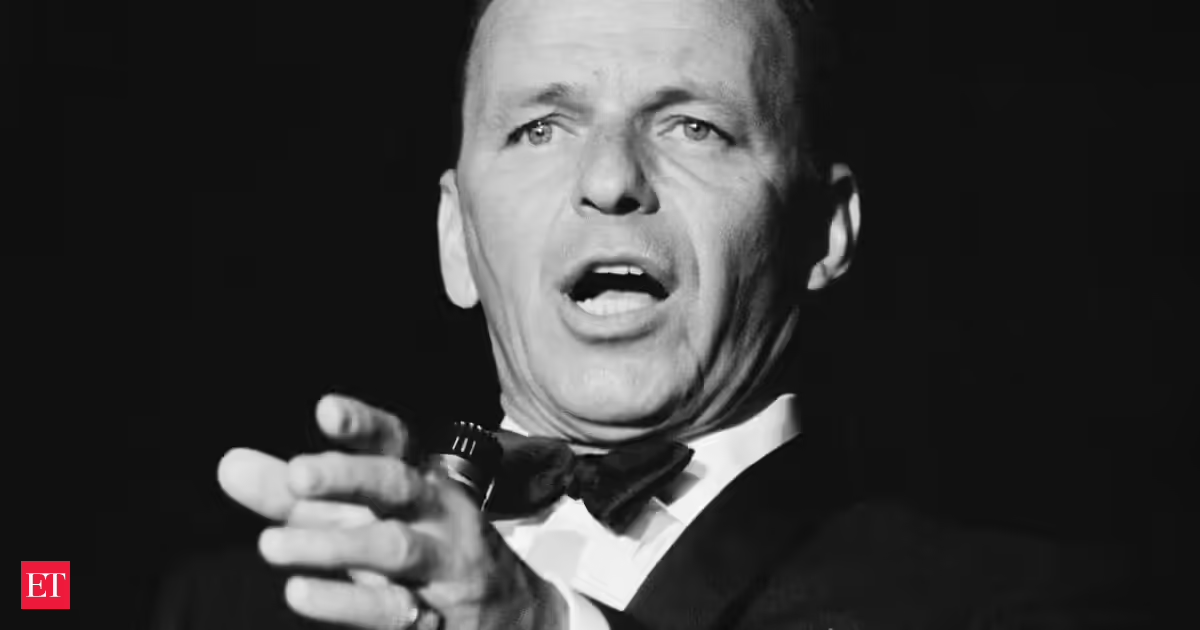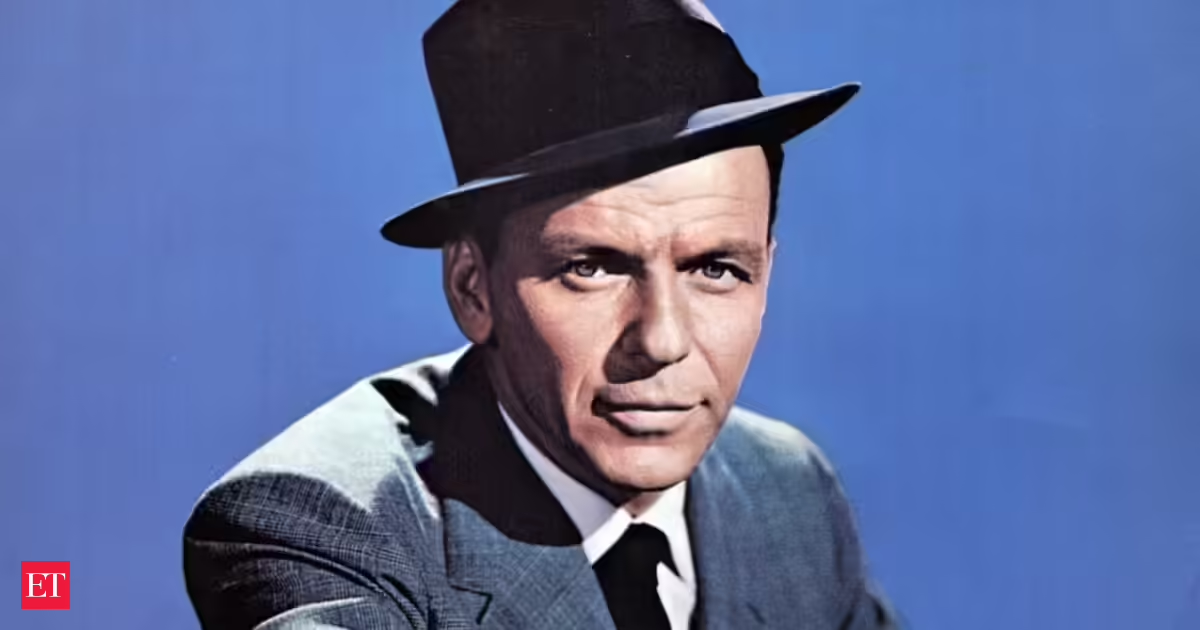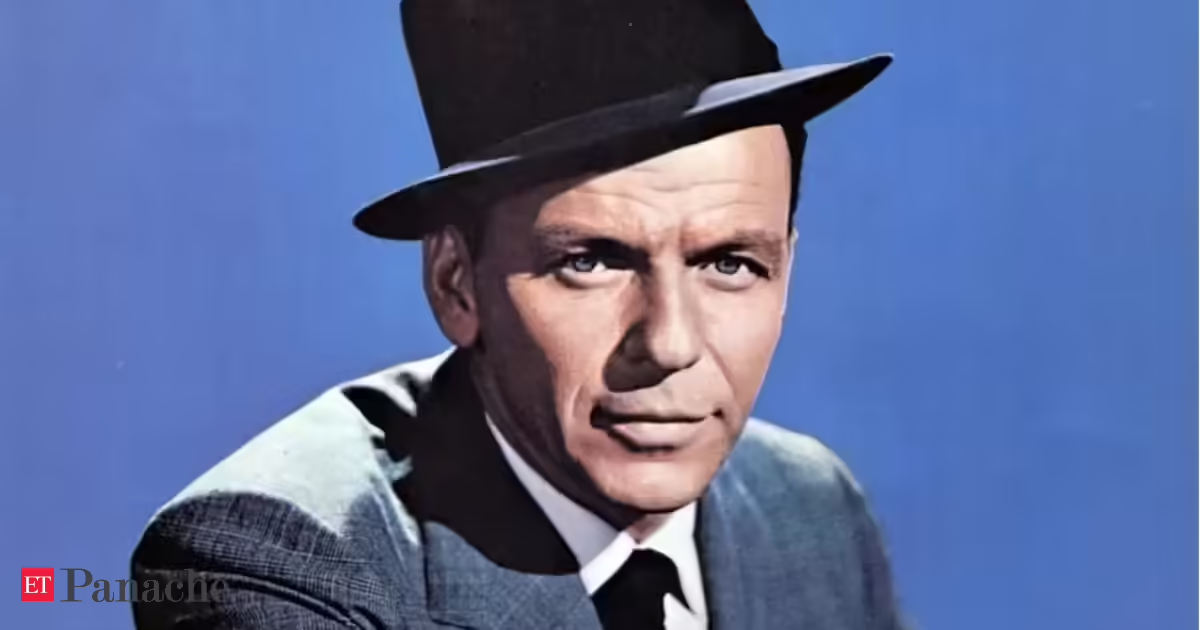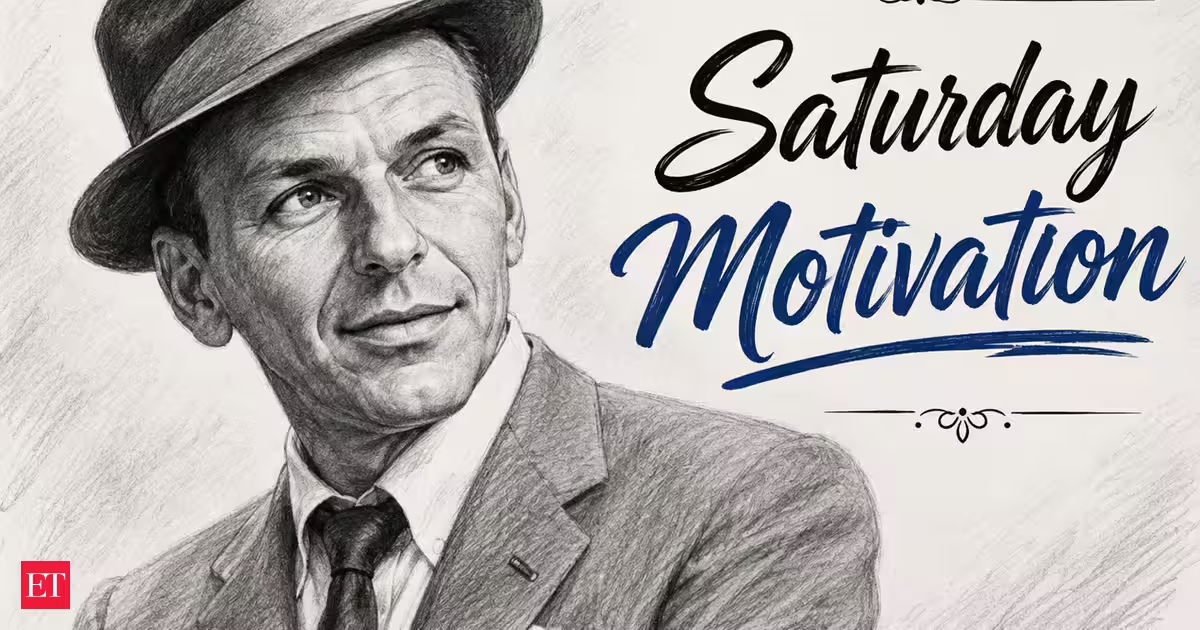
Frank Sinatra’s motivational quote, "Luck is only important in so far as getting the chance to sell yourself at the right moment. After that, you've got to have talent and know how to use it," offers a practical lesson about the relationship between luck, opportunity and talent. He suggests that luck can help put you in the right place at the right time, but getting an opportunity is only the beginning. What you do with that opportunity ultimately depends on your abilities and preparation. A lucky break may give someone a chance to show what they can do, but talent alone is not enough unless a person knows how to use it. Success requires confidence, skill, hard work and the ability to recognize the right moment to act. The quote also reminds us not to depend entirely on luck. Opportunities may appear unexpectedly, but being prepared allows us to take advantage of them. Sinatra’s message is simple: You cannot always control when an opportunity arrives, but you can control how ready you are when it does.Sinatra was one of the most influential entertainers of the 20th century, leaving an enduring mark on music, movies and American popular culture. Known for his distinctive voice, effortless phrasing and charismatic stage presence, Sinatra became a symbol of sophistication and timeless style. Born on December 12, 1915, in Hoboken, New Jersey, Sinatra began his career singing with big bands before establishing himself as a solo performer. His breakthrough came in the 1940s, when his popularity with young audiences earned him the nickname 'The Voice'. Songs such as 'My Way', 'Fly Me to the Moon', 'New York, New York' and 'That’s Life' later became closely associated with his career.Sinatra's success was not limited to music. He built an impressive acting career and won the Academy Award for Best Supporting Actor for his performance in the 1953 film 'From Here to Eternity'. He went on to appear in numerous acclaimed films, including 'The Manchurian Candidate', 'Guys and Dolls' and 'Ocean’s 11'. His career also demonstrated his ability to reinvent himself.After experiencing a decline in popularity in the late 1940s, Sinatra made a remarkable comeback in the 1950s. His work with Capitol Records produced some of his most celebrated albums, while collaborations with arrangers such as Nelson Riddle helped define the sophisticated sound that became his trademark.Beyond his artistic achievements, Sinatra was known for his confidence and strong views about success. His career reflected the importance of recognizing opportunities and being prepared when they arrived.Sinatra died on May 14, 1998, at age 82. Yet decades after his death, his music continues to reach new generations. His legacy extends beyond his recordings and films, serving as a reminder that success often comes from combining opportunity with talent, confidence and persistence.
Saturday Motivation by Frank Sinatra: 'Luck is only important in so far as getting the chance to sell yourself at the right moment. After that, you've got to have...' - Legendary American singer's timeless wisdom on what it takes to succeed
Reflecting on Frank Sinatra's words reveals the vital interplay between luck and opportunity. While natural talent and diligent preparation set the stage, it is ultimately how one seizes these moments that defines success. As a towering figure in music and film, Sinatra's legacy is a reminder that fortune favors the bold, especially when combined with unwavering dedication.
462 words~2 min read