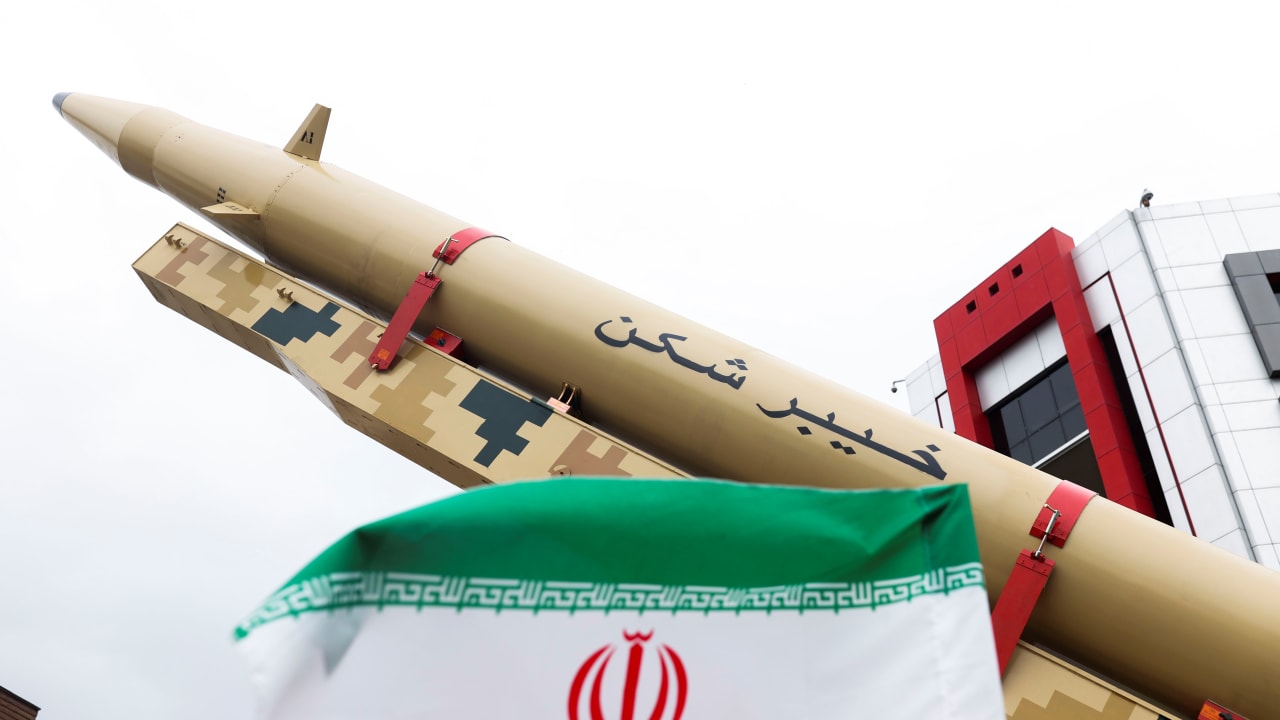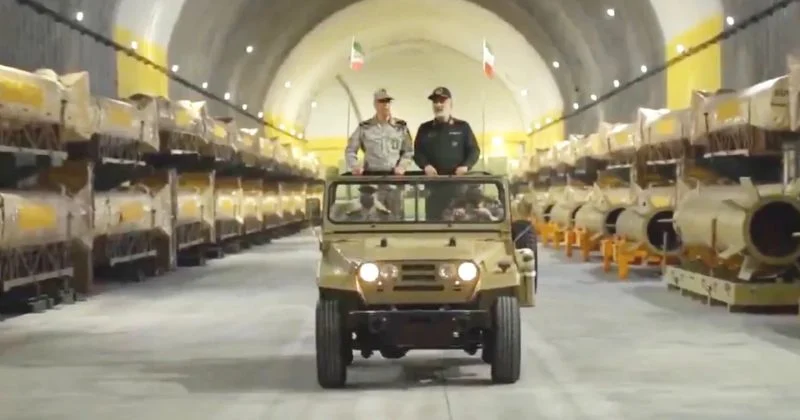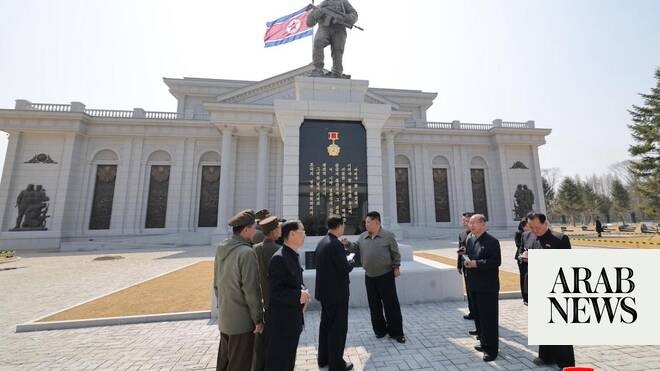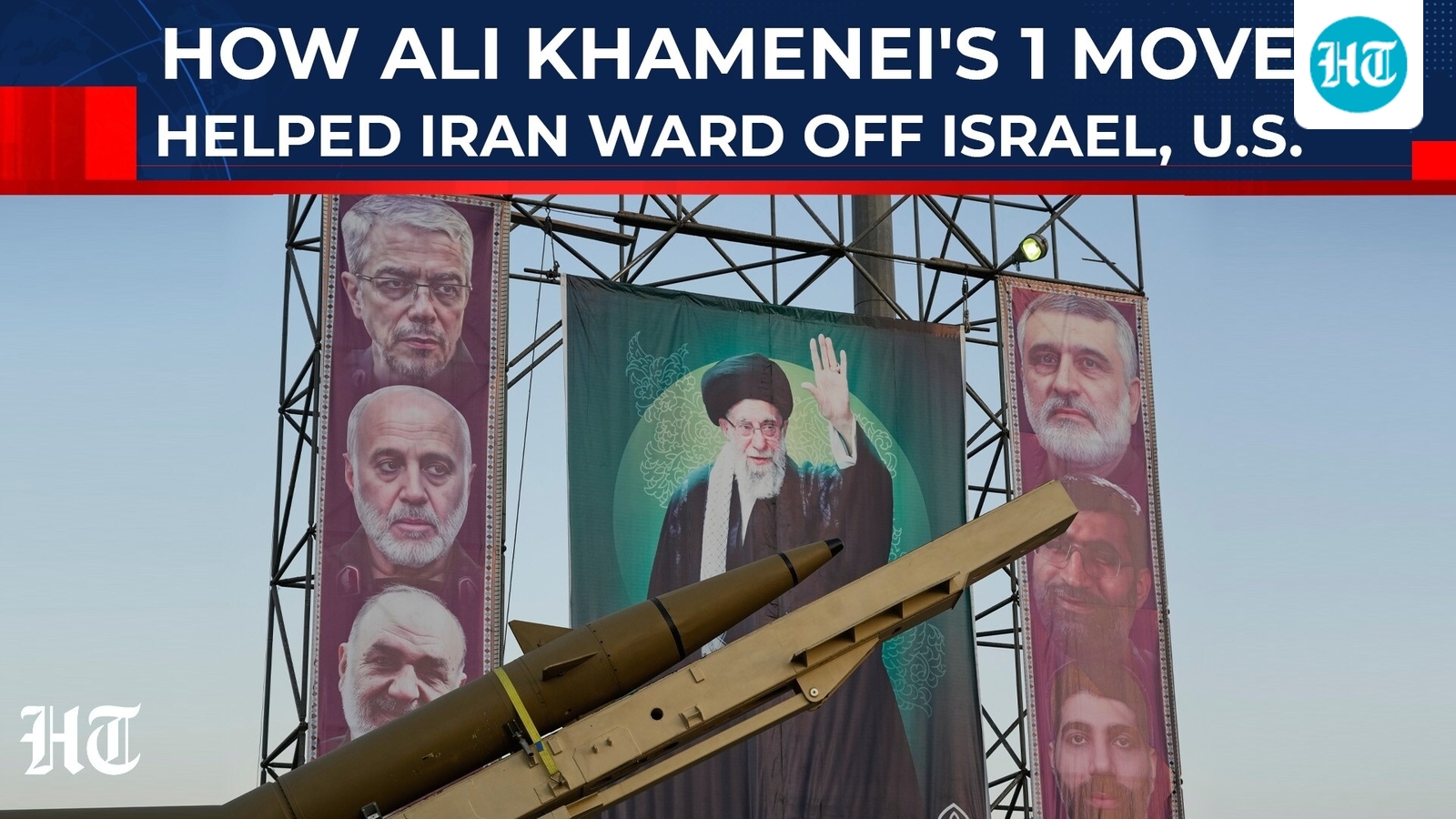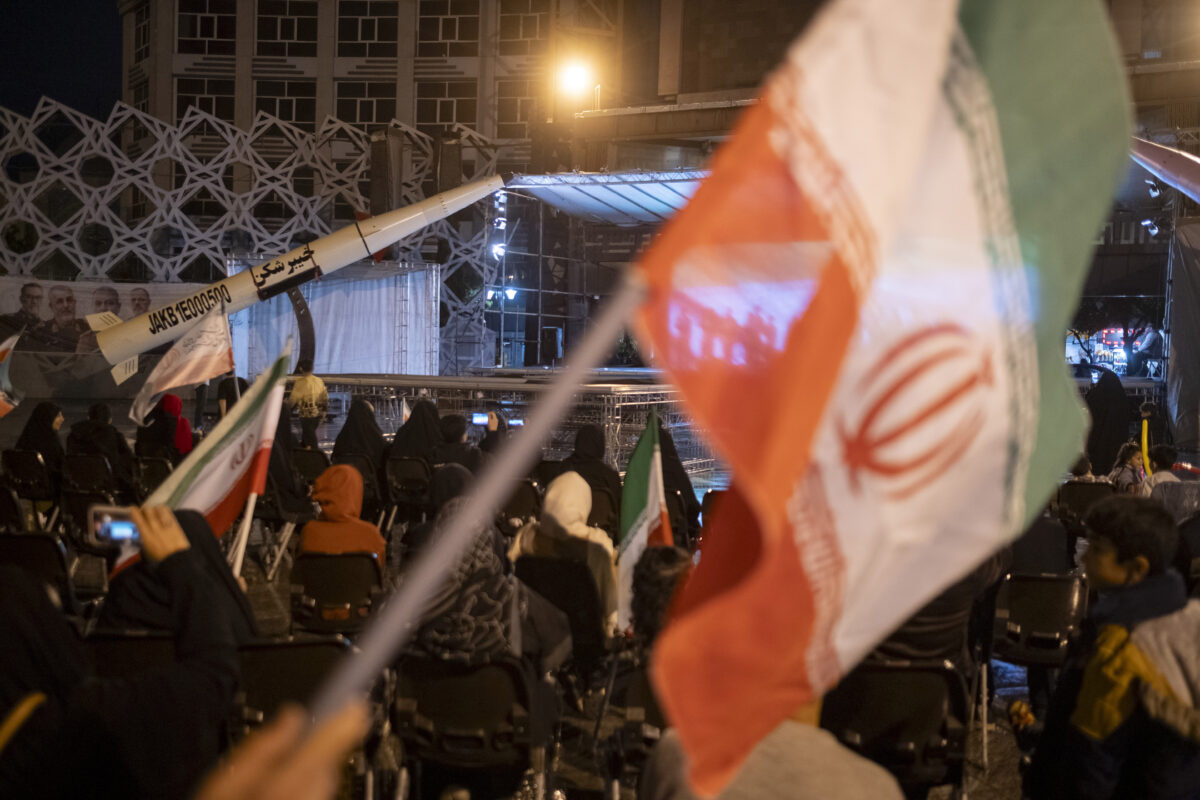
Tehran has so far endured months of Israeli and US strikes in 2026 with its regime intact, and appears to regard the outcome as a strategic vindication. It now faces the task of rebuilding its partially depleted missile force, and North Korea — its longstanding partner in missile cooperation — has never before had more to offer.
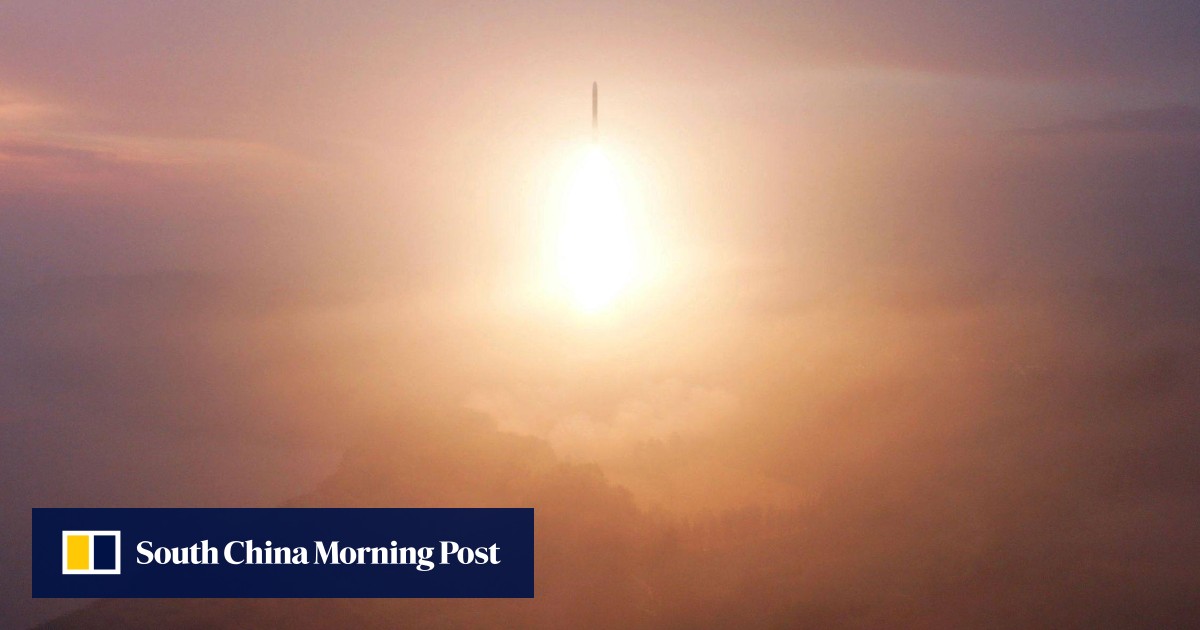
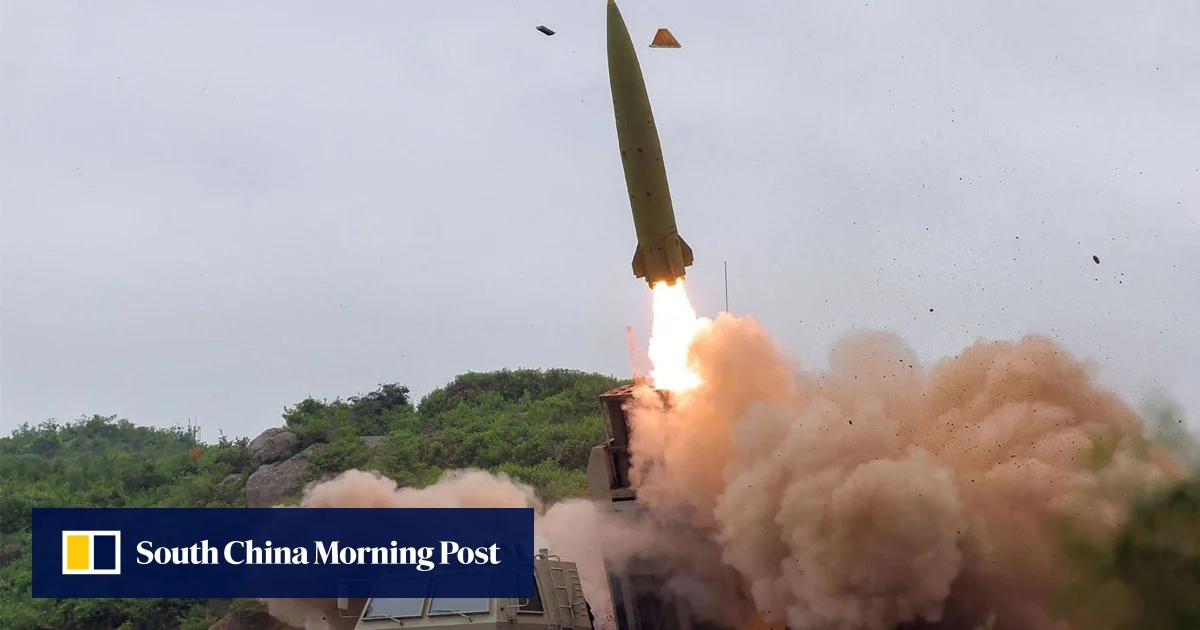
While fighting resumed in the Middle East following the collapse of the fragile June ceasefire, Pyongyang is months into a renewed five-year plan of military modernisation, focusing on advancing both its nuclear and conventional capabilities. It does so with unprecedented Russian technical backing and real-world data on the performance of its short-range ballistic missiles in Ukraine’s contested airspace.
Since at least the 1990s, both countries have been close collaborators on their respective development of missile technologies. Inter-state clashes in the 2020s have made apparent the value of missiles in modern standoff warfare, vindicating bets their leaders placed long ago.
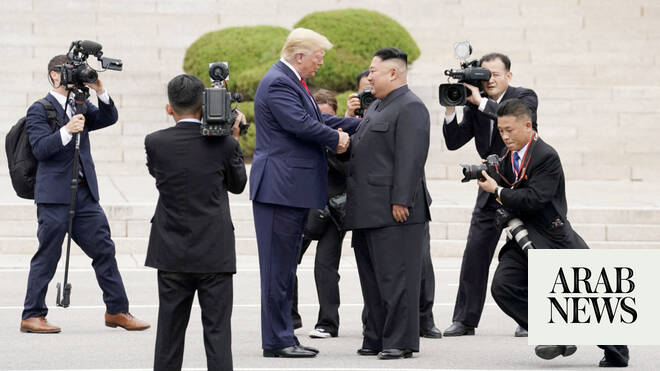
Despite their legacy of partnership on missiles, Iranian–North Korean active technical cooperation appears to have slowed in the 2020s. Part of this is explained by Pyongyang’s extreme self-imposed isolation at the start of the COVID-19 pandemic and the broader post-pandemic shifts in the country’s defence priorities. In 2024, North Korea resumed noticeable high-level diplomatic engagement with Iran.