Story audio is generated using AI
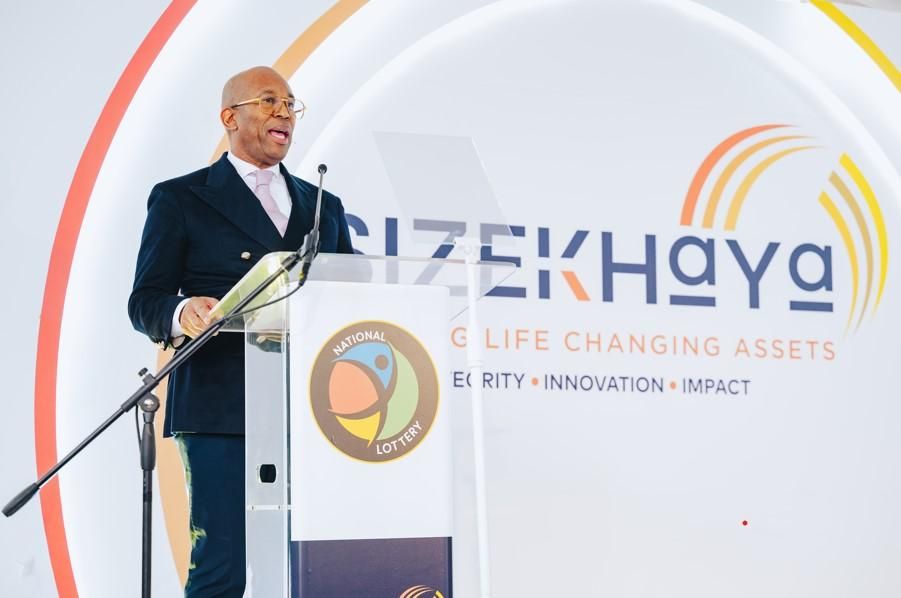
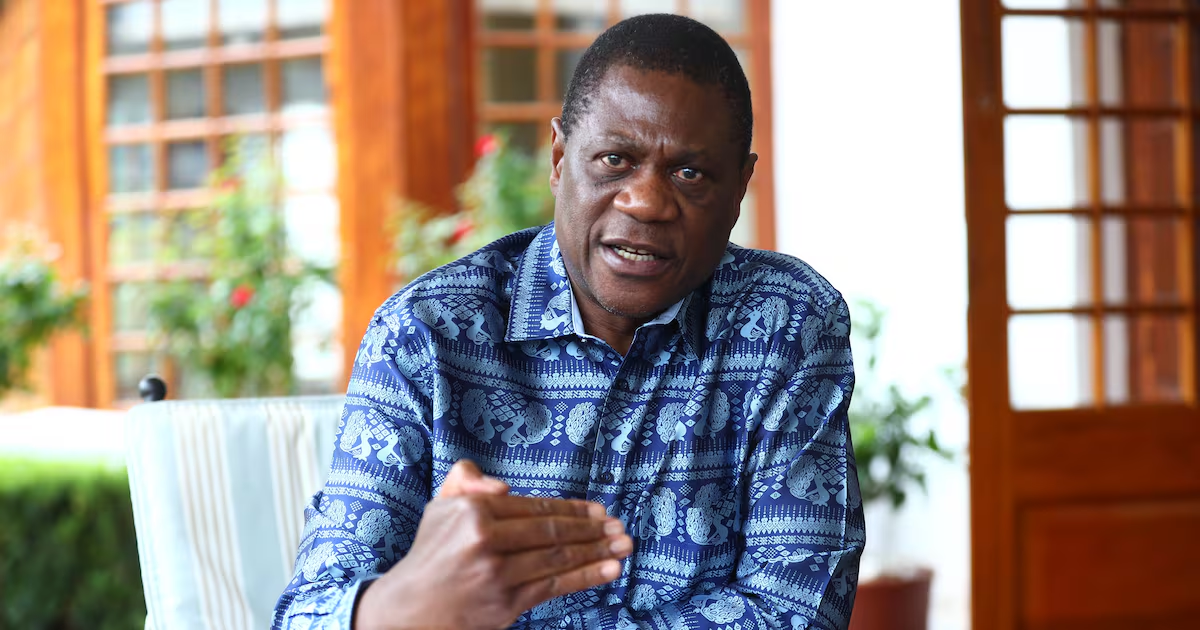
Former national lottery operator Ithuba’s strong localisation credentials — ranked the highest among the eight companies that competed for the licence to operate the lottery for the next eight years — were not enough to secure the deal.The multibillion-rand contract ultimately went to Sizekhaya, which took over the lottery from Ithuba in June, prompting Ithuba to challenge trade, industry & competition minister Parks Tau’s decision.The legal challenge, which has also attracted the attention of the EFF, was heard in the Pretoria High Court last month, with judgment expected before the end of the year.A great deal is at stake. The judgment, whichever way it goes, will have major consequences for the parties involved. The Ringeta consortium, which was initially identified by the bid evaluation committee as the preferred bidder, is also challenging the award to Sizekhaya. According to the report of a panel appointed by Tau to advise him on the procurement process and the recommendations of the bid evaluation and bid adjudication committees, Ringeta was too politically exposed to be awarded the licence.This followed the panel — comprising Mpho Lepele, David Mbuyisa, Anton Roskam, Jeffrey Sehume and Tebogo Tsotetsi — raising concerns about an alleged conflict of interest involving ANC MP Dr Sibongiseni Dhlomo.Dhlomo is also a trustee of the Batho Batho Trust, which has donated R60m to the ANC since 2021. The trust owns 70% of Thebe Investment Consortium, which in turn holds a 49% stake in Ringeta.Ringeta has told the court that the panel erred in finding that Dhlomo’s trusteeship created a conflict of interest or amounted to direct party participation in the bid.Another key factor in the evaluation was the localisation and supplier development credentials of the bidders. On this score, Ithuba outperformed every other bidder. But that was not enough to tip the scales in its favour.The report, seen by Business Times, found that while Ithuba’s technology partner, Paytronix, made its bid the only one not reliant on an international technology partner, the company had more limited scale and “less experience than its international counterparts”.Ithuba’s localisation and supplier development programme — worth 10 points in the evaluation — was also ranked first by Genesis, the consultancy firm appointed by the panel to assess that component of the bid.The report said this was outcome was unsurprising. “That Genesis rates Ithuba first is expected and correct, as its technology partner, Paytronix, is a local entity and has developed the software that Ithuba proposes to use.”The panel, however, praised Sizekhaya’s technology partner, Chinese company Genlot. “With the capability to support more than 30 games and an annual throughput of more than 700,000 lottery draws globally, Genlot brings substantial technical capacity and scalability to Sizekhaya’s bid.” Genesis identified Ithuba, Ringeta and Sizekhaya as the three bidders most likely to grow national lottery revenue over the eight-year licence period. Ultimately, what tipped the scales in Sizekhaya’s favour was the panel’s view that its projected revenue growth was more ambitious than Ithuba’s and would generate higher proceeds for the National Lottery Distribution Trust Fund.The panel recommended Ithuba as the reserve bidder — a recommendation accepted by Tau. “Ithuba is recommended to be the reserve applicant because of its localisation and supplier development strategies, B-BBEE rating, and its credible, pragmatic financial and business plans,” the report states.The EFF has told the court that the participation in the Sizekhaya consortium of the sister-in-law of Deputy President Paul Mashatile amounted to a conflict of interest. Sizekhaya, the advisory panel and the National Lotteries Commission reject that contention.Tau has opposed the legal challenges brought against his decision by both Ithuba and Ringeta.Business Times