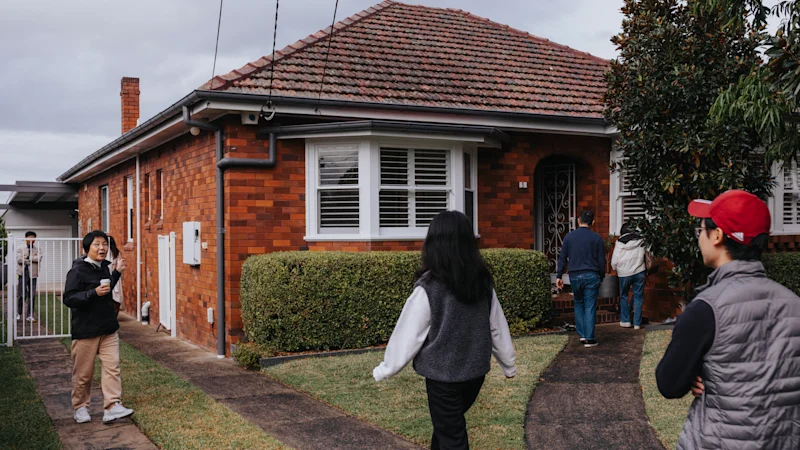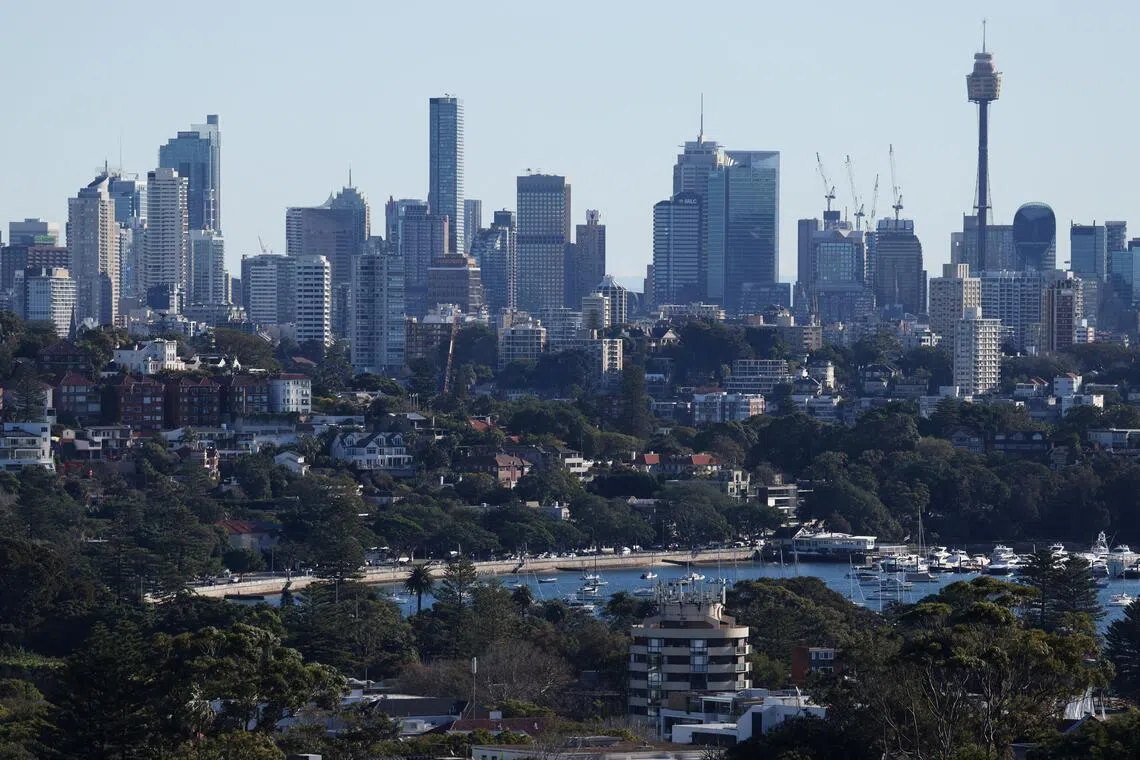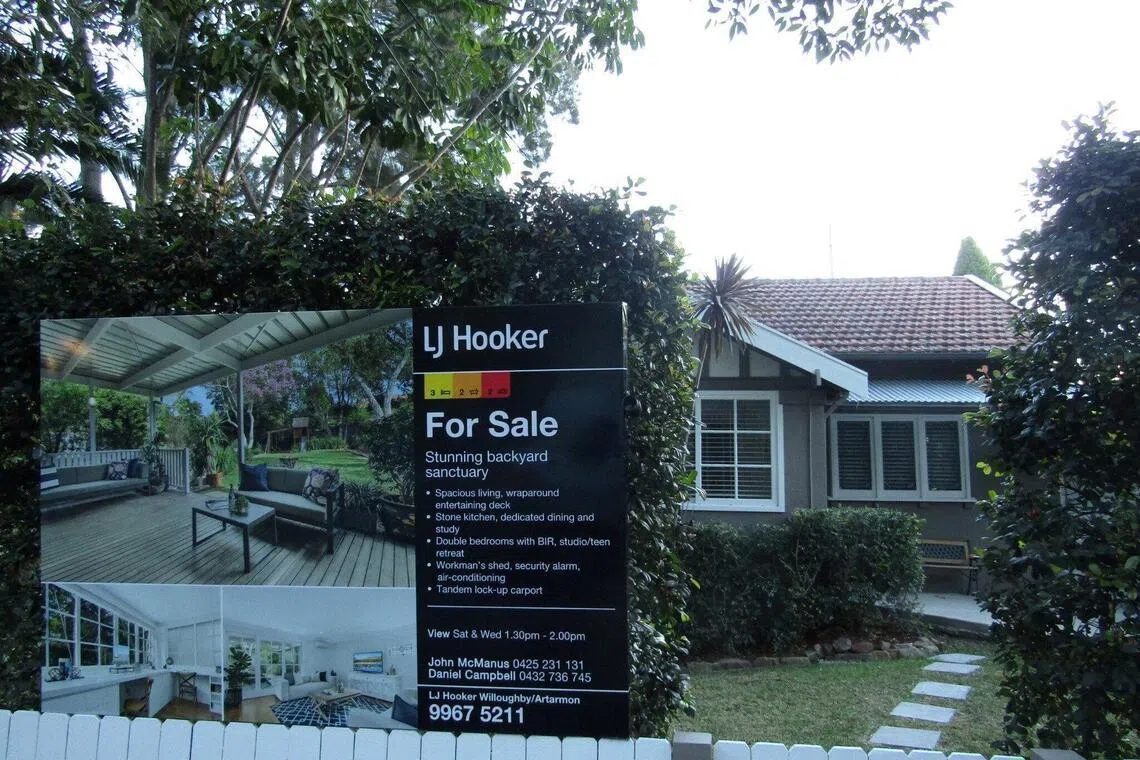
A mass exodus from both first-home buyers and investors alike has led to the biggest quarterly fall in mortgage demand since the Covid pandemic. In a grim industry update, Equifax said a rise in interest rates and changing government policies had combined to smash credit demand.Equifax Australia chief solutions officer Kevin James told NewsWire this had led to the two biggest cohorts in the market simply walking away.“We saw first-home buyers drop fairly substantially and anyone who has two or more mortgages applying for a second or a third one, we saw that drop dramatically as well,” he said.Mr James said money wasn’t going as far in the current environment, with every 25 basis point rate hike effectively knocking off anywhere between $20,000 to $40,000 in borrowing capacity. The central bank left the cash rate on hold in June at 4.35 per cent and is widely expected to announce a hold after its August meeting.Regardless, first-home buyers are finding it harder to get credit.First-home buyers hit hardestMr James said rising interest rates and the federal government’s 5 per cent deposit scheme made it harder for first-home buyers to get into the market.“The 5 per cent scheme is great because it removes one barrier, right, which is helpful, and it ticks a box off,” he said.“But because you’re not putting 20 per cent in, you actually need to borrow more if you want to get into the property and the area that you want to get into.“Then you get hit with this capacity challenge again about how much do I earn, how much I need to earn, how much on my payments.“And I think that’s where we’re starting to see that pressure come through now whereby when interest rates go up, it’s the loss of capacity to borrow and buy in the same area.“A 0.25 per cent interest rate move probably takes away 20, 30, $40,000 in lending capacity.”Adding to first-home buyers’ woes are changes to negative gearing and capital gains tax announced in May’s federal budget.These changes limit negative gearing on a residential investment property to new builds and replace the 50 per cent CGT discount with cost base indexationMr James said this was also impacting first-home buyers and investors, as they often used strategies such as rentvesting – buying in one area and renting in another – to crack the property market. Biggest drop since CovidEquifax figures show mortgage demand in Australia has swung from +3.7 per cent in the year to March to a 12.5 per cent contraction in the 12 months to June. Between March and June 2026, the national average for how much borrowers asked for fell $8000. Major eastern seaboard capitals led the decline, with Brisbane (-$15,000), Sydney (-$12,000), and Melbourne (-$11,000) all experiencing double-digit contractions well above the national average.“We haven’t seen such a big quarter-on-quarter (drop) since Covid, that was the last time we saw that,” Mr James said.He said a combination of rising interest rates and government policies had hurt first-home buyers’ capacity to get into the property market. So far in its fight against inflation, the RBA has lifted the cash rate three times in 2026 – in February, March and May – by 25 basis points each time.The rate hikes follow inflation that has been persistently above the RBA’s target of between 2 to 3 per cent. Get your own cash rate cut While less Australians are able to get into the market, there is also a rise in the number of households struggling to make ends meet.Equifax found households were feeling the pinch, with hardship payments up 5.3 per cent quarter on quarter in June. Canstar data insights director Sally Tindall said the first thing anyone should do if they were struggling was to check their rates, as loyalty didn’t pay. “We’ve done the maths on this and it is really quite startling how much someone can change by going from a compliant borrower into a proactive one,” she said. “If someone took out a mortgage five years ago and has done nothing with their mortgage rate since, we estimate they would be on a variable rate of 6.98 per cent.“If they switched to a sub 6 per cent rate, they could potentially save nearly $11,000 over two years on a $600,000 debt with 25 years remaining.”Ms Tindall said the calculations included a $1150 break fee, although she conceded individual banks had their own clauses and the borrower should do their research and speak to a professional before changing policies. “It’s worth doing the numbers yourself though because it’s really important to understand just how much it is in fees but how quickly you make that back, you’d probably be pleasantly surprised,” she said. Ms Tindall said while banks were not quite in the mortgage wars of 2022 when they would offer customers strong incentives to switch, there was still benefit to households who negotiated rates. She also said some borrowers would be ineligible due to not having enough equity in their homes, and if they were facing severe financial difficulties they should work with their lender. “If you’re looking like you’ll miss a mortgage repayment, don’t put your head in the sand. No one wants to call their bank and tell them that they’re about to miss a repayment,” she said. “But if that is becoming the reality, it’s so important to call your bank before you miss a repayment. There’s more options available to you if you let them know in advance, they can put you on a hardship plan.“It does end up being recorded on your credit file, so know that and understand the implications there. But the bank really is interested in working with you to find a solution.”
‘Mass exodus’: Buyers flee housing market
A mass exodus from both first-home buyers and investors alike has led to the biggest quarterly fall in mortgage demand since the Covid pandemic.
954 words~4 min read