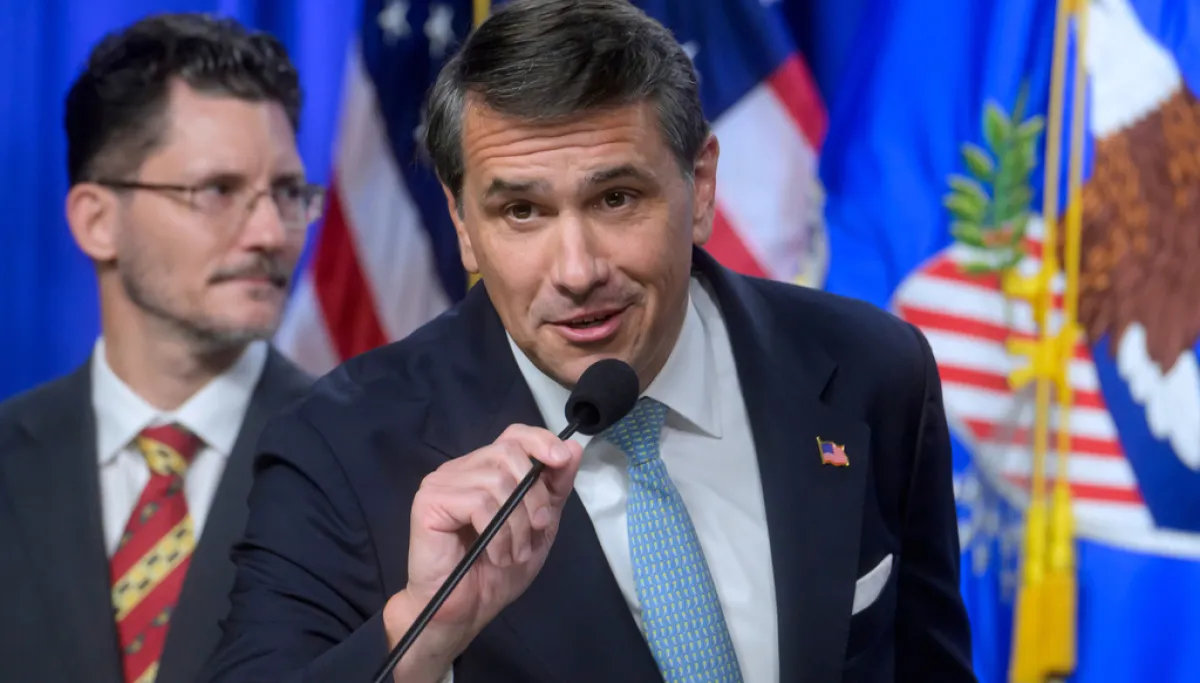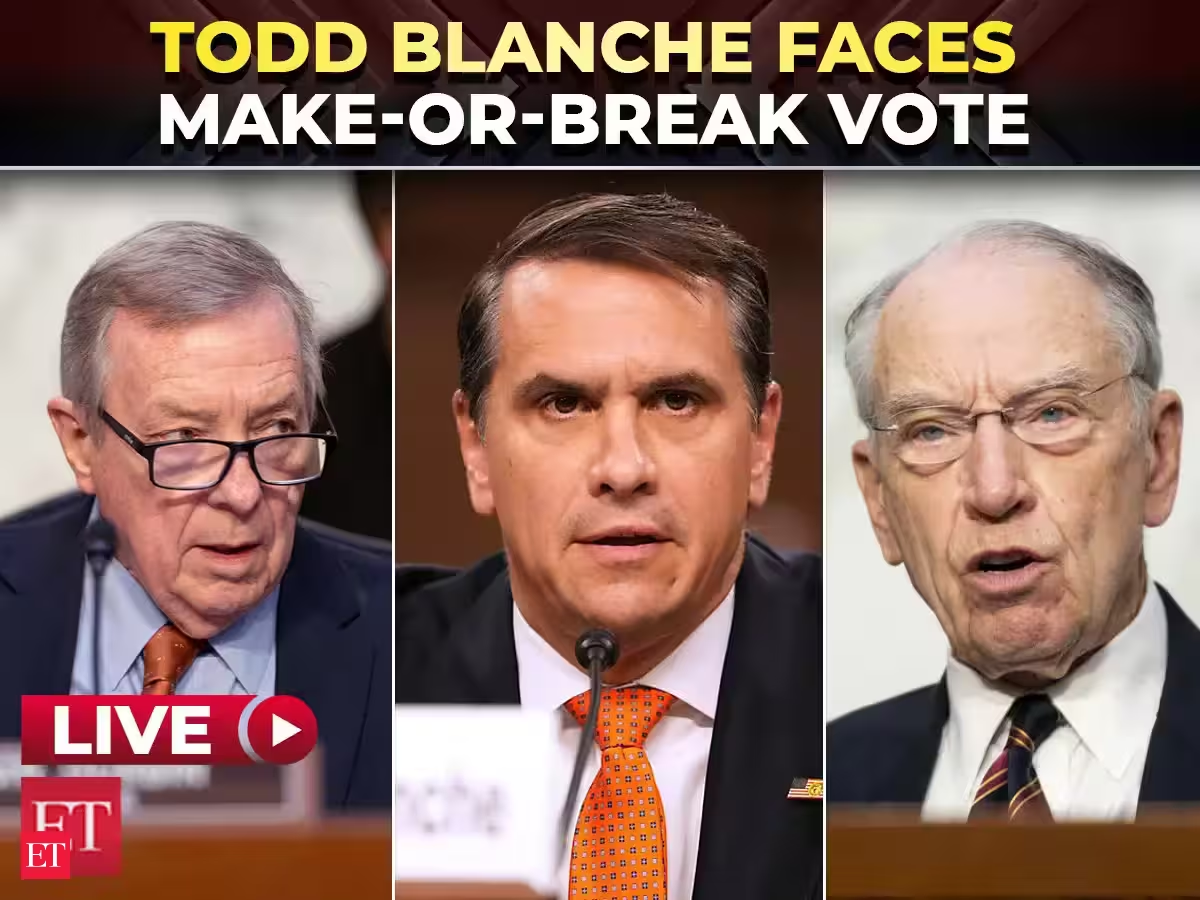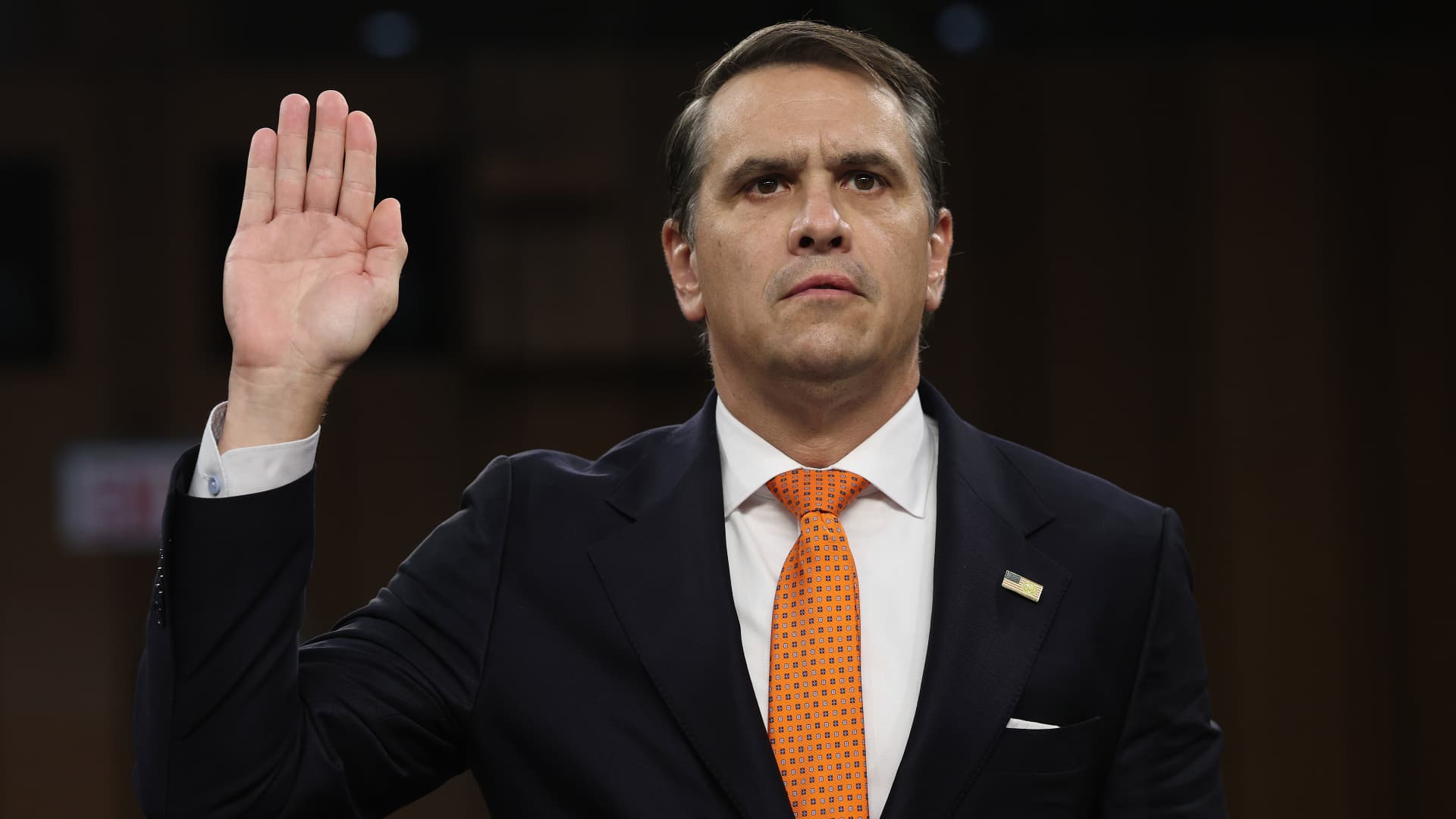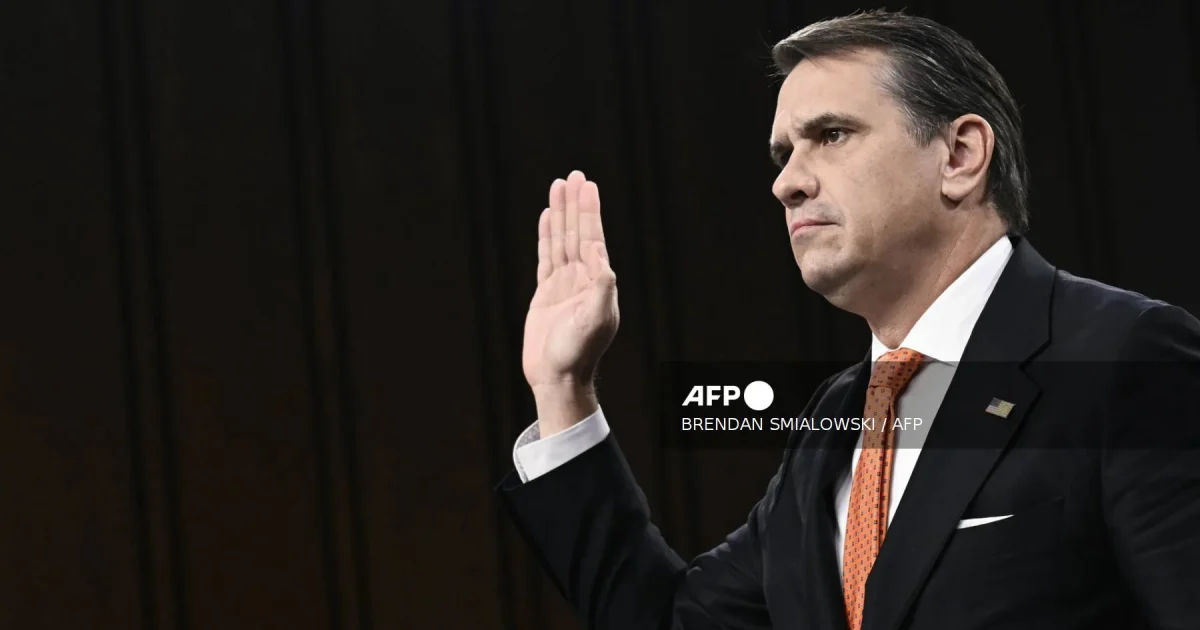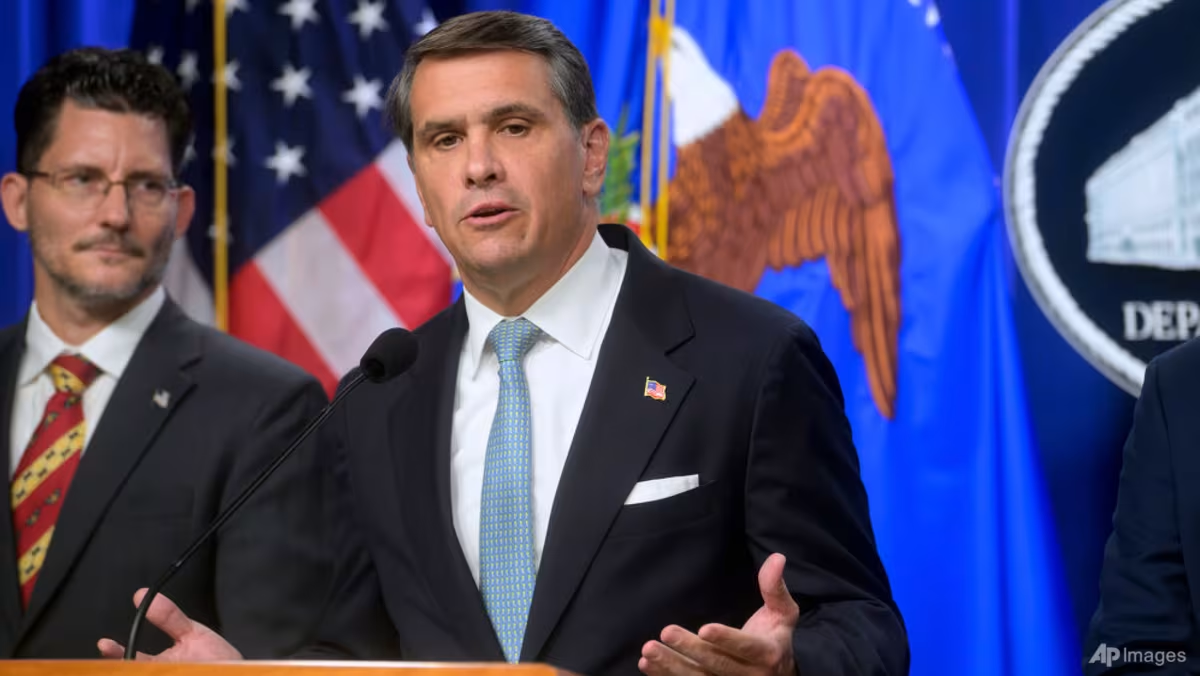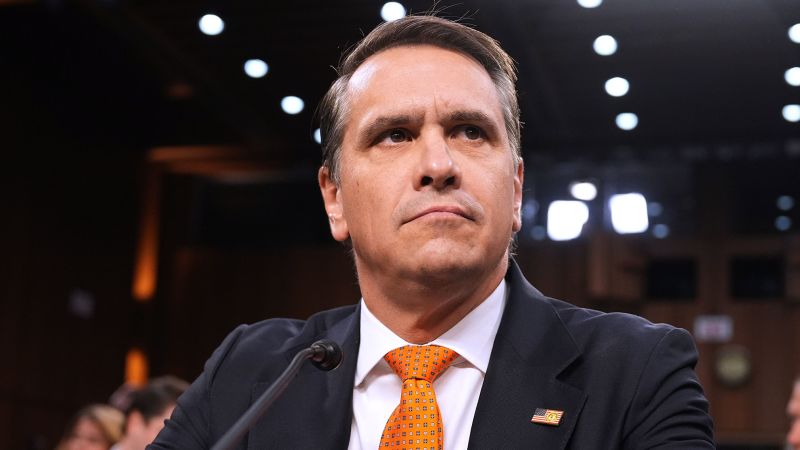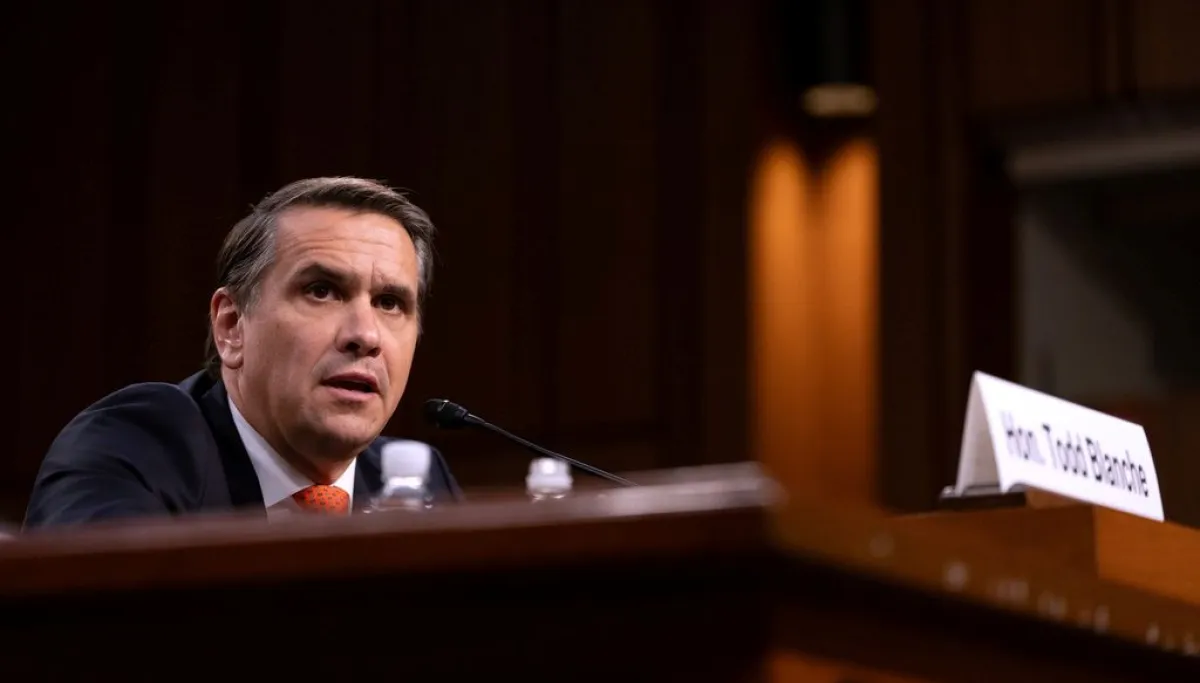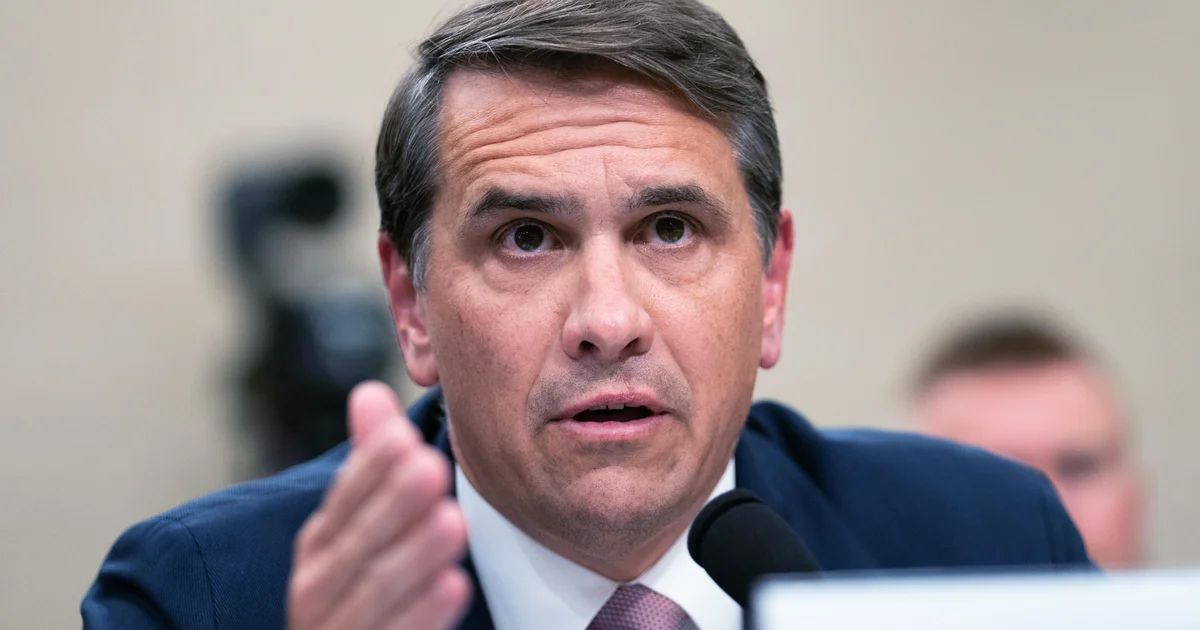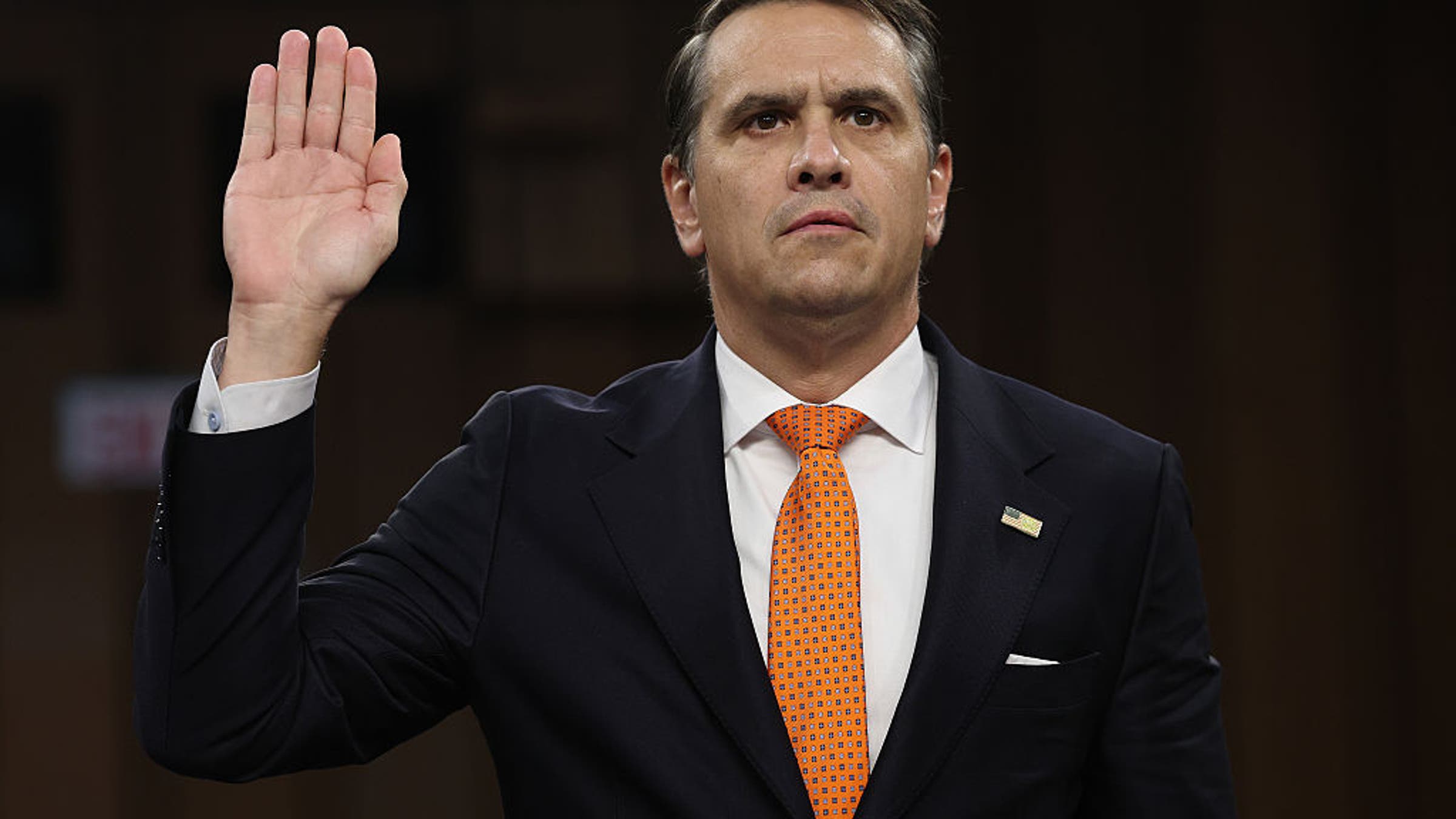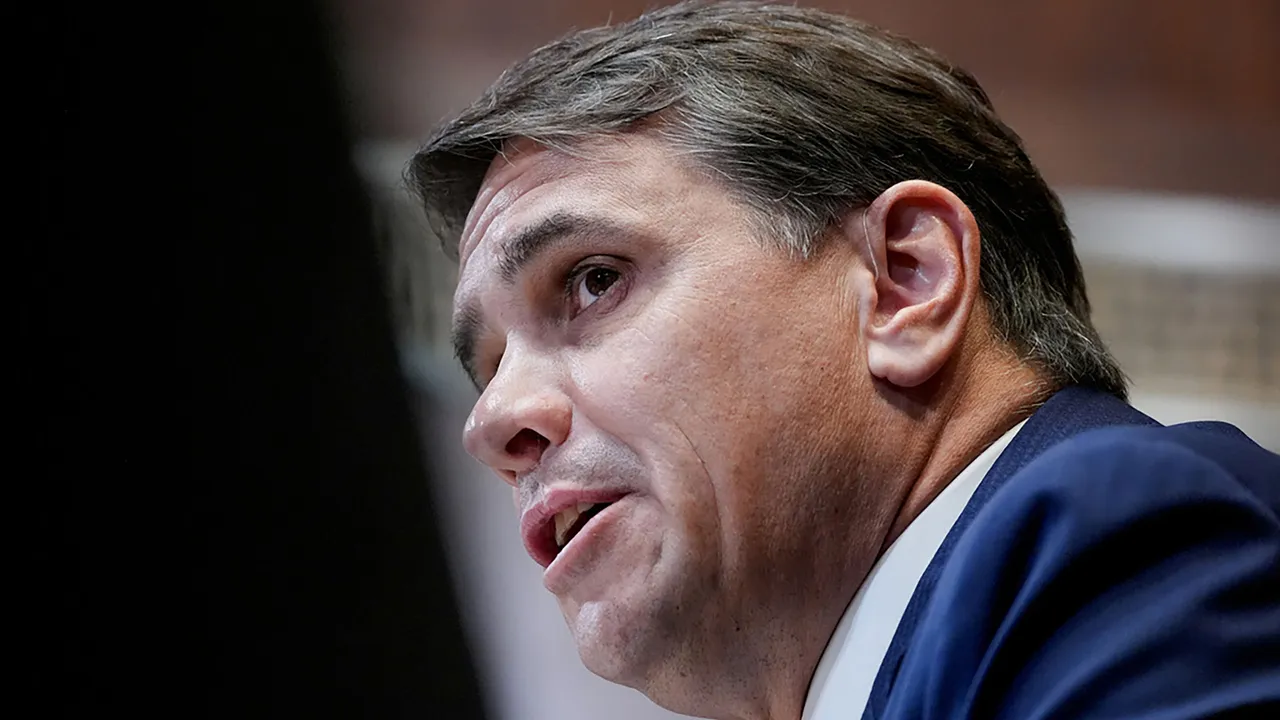
On a practical level, the confirmation of Todd Blanche to be the nation’s eighty-eighth Attorney General does not matter much. Having already secured Senate approval to be the Deputy Attorney General, Blanche could have remained as the acting Attorney General until the end of President Donald Trump’s second term. But the symbolism of his appointment to the top job matters; it signifies, in the language of the Constitution, the Senate’s “advice and consent.” Most of the time, senators exercising this role must rely on gauzy assurances and strained analogies to the candidate’s performance in previous positions. Not in this case. In weighing whether Blanche should become the nation’s chief law-enforcement officer, senators knew what they were getting—or, more precisely, what they were being asked to swallow.As the Justice Department’s No. 2, Blanche has been running its day-to-day operations since March, 2025; he has been the acting Attorney General since Trump fired Pam Bondi, in April. The performance of the department during this time has been nothing short of disastrous. Its leadership has subordinated its traditional independence to the whims of a vengeful President, pursuing flimsy prosecutions of Trump’s political adversaries and purging the federal workforce of perceived enemies of the Administration. Embarrassing courtroom missteps and misstatements have eroded the department’s credibility before federal judges; the botched handling of the Jeffrey Epstein files and the favorable treatment of his accomplice Ghislaine Maxwell have taken a toll, even with Trump’s MAGA base.All of this is on Blanche, and a vote to confirm him represents a ratification of what has happened on his watch. His road to confirmation turned out to be unexpectedly difficult, a reflection both of Trump’s diminished political standing and of senators’ unhappiness with the conduct of the Justice Department. A majority of senators, however, proved willing to accept what may be the Administration’s strongest argument in Blanche’s favor: that another Trump nominee could be even worse. Bill Cassidy, of Louisiana, announced on the Senate floor, Friday morning, that he would provide the decisive vote to confirm Blanche. He was explicit about the dreary calculus. “Mr. Blanche is not perfect, and he will tell you this,” Cassidy said. “But the choice is not between perfection and Mr. Blanche. It is between Mr. Blanche and another acting Attorney General who may not run the department effectively under President Trump and who indeed may not be as good as Mr. Blanche.” Indeed, as the Blanche nomination faltered, Mike Davis, a Republican lobbyist with close ties to Trump, had taken to warning wavering senators that voting against Blanche could lead the President to name as acting Attorney General Ed Martin—a Stop the Steal activist, Trump’s failed choice to be U.S. Attorney for the District of Columbia, and now Pardon Attorney. “Confirm Blanche or else” is hardly an inspiring rallying cry.The biggest sticking point for Blanche’s confirmation has been his efforts to settle a lawsuit that Trump filed against the I.R.S. over the release of his tax returns. Blanche, who had been Trump’s criminal-defense lawyer before joining the Justice Department, helped create a $1.776-billion “anti-weaponization” slush fund that would have opened the door to reparations for January 6th defendants. Even more egregious, Blanche signed a document purporting to absolve Trump, his family members, and his company from what could have amounted to more than a hundred million dollars in tax liability. Weeks later, Trump tapped Blanche for a permanent appointment as attorney general. A federal judge termed the arrangement “collusive” and pronounced herself “extremely troubled” by Blanche’s testimony asserting that the settlement could not be submitted for judicial review. “This answer,” she said, “is, at best, misleading and, at worst, disingenuous.”The initial pushback among Republican senators came, not surprisingly, from two lawmakers on their way out of the chamber: John Cornyn, of Texas, who lost his bid for reëlection after Trump declined to endorse him, and Thom Tillis, of North Carolina, who chose to retire after clashing with Trump. What was striking about the episode was how little Cornyn and Tillis were seeking from Trump, how ferociously Trump contested their efforts, and how few assurances the pair managed to extract before declaring themselves willing to support the nominee. On the anti-weaponization fund, Cornyn and Tillis asked Blanche simply to state in writing what he had already pledged verbally—that the fund was dead. That assurance isn’t worth much; the fund could be revived at any moment, and nothing stops the Justice Department from dispensing funds to supposedly injured parties, even without it. The resolution of the I.R.S. immunity arrangement—an unwarranted and perhaps illegal gift to Trump that would never have been bestowed on an ordinary taxpayer—was even weaker. Cornyn and Tillis didn’t ask that it be revoked. Instead, they secured an unsigned statement from the Justice Department saying that the immunity covers only parties to Trump’s lawsuit, not, as the original document provided, “affiliated or related individuals.”Tuesday’s Senate Judiciary session offered some glimpses of broader frustration with the Administration. The committee chairman, Chuck Grassley, of Iowa, said of Tillis and Cornyn, “Their concerns about the anti-weaponization fund and the I.R.S. settlement were shared by many, including this senator.” It was, he said, “just a crime that it took so long to work out.” Tillis, for his part, expressed frustration with the Administration’s other excesses. “I’m going to support Mr. Blanche’s nomination, but what I hope I see out of him is a bending of the curve of this absurdity,” he said, citing the Justice Department’s indictment of the former F.B.I. director James Comey, for posting a photograph of seashells arranged to read “86 47.” “Some bonehead in North Carolina thinks that that’s a crime. Well, they better damn sure have information to back it up,” Tillis said. He did not mention that Blanche himself defended the indictment. Committee Democrats were cutting not just about the nominee but about what they described as the cowardice of their colleagues. “I don’t know where this committee goes after it stops being taken seriously, because all you have to be is on the right partisan side to get this committee to roll over and play dead,” Sheldon Whitehouse said. Cory Booker added, “We’re surrendering any shred of integrity left.”On Tuesday evening, Susan Collins, of Maine, announced that she would vote against Blanche, citing not only the anti-weaponization fund and the I.R.S. deal but also the Justice Department’s unsuccessful efforts to indict two of her Democratic colleagues for posting a video reminding service members of their duty to resist unlawful orders, and what she described as Blanche’s reported promise, in a private phone call with religious groups, that he would “seek to prohibit the mailing of abortion medication to women nationwide.” Perhaps not coincidentally, Collins is the only Republican senator who is running for reëlection in a state that Trump lost in 2024.Collins’s defection left Blanche in a pinch. With Mitch McConnell ill, he could afford to lose only one more vote. In an effort to placate Lisa Murkowski, of Alaska, Blanche had made a two-day visit to her home state last month, dispensing hundreds of millions of dollars in federal cash: a hundred and eighty million dollars to Anchorage, to settle a lawsuit over unfinished work on expanding the city’s port, and another four hundred million dollars to Native tribes, to resolve another lawsuit, over health-care costs. And, for good measure, the department announced that it was settling lawsuits brought by the state against Biden-era regulations limiting oil-and-gas development in the Arctic National Wildlife Refuge. On Tuesday evening, after the Judiciary vote and Collins’s announcement, Davis, the Republican lobbyist, posted on X: “Looks like Alaska Natives are about to get $1.8 billion and IRS immunity.” He added, “Just kidding. Kinda.” But, to the credit of Murkowski, who has repeatedly demonstrated that she has the spine missing from many of her colleagues, she announced Friday morning that she would oppose Blanche. “The country needs an Attorney General who will check the worst impulses of this administration,” Murkowski said in a statement. “I hope Mr. Blanche is able to achieve that, if confirmed, but I simply do not have confidence that will be the case.” In a telling illustration of the degree of distrust between Republican lawmakers and the Administration, Murkowski said that she was “keenly aware” that the slush fund “is only off the table because this nomination is pending and the Senate has leverage. Once we vote, that will end, and there is no telling what the future holds.”That left Cassidy, who, along with Collins and Murkowski, had been one of seven Republican senators who voted to convict Trump in his second impeachment trial; the three are the last of that group still in office. In June, when Senate Republicans had a closed-door lunch with the President, Cassidy and Trump engaged in a shouting match over the war in Iran. “Sometimes he acts as if Congress is merely an appendage, and, frankly, sometimes Congress acts like it’s an appendage,” Cassidy later said, in an appearance on CBS’s “Face the Nation.”Cassidy’s dilemma with respect to Blanche had echoes of one that he faced in 2025, when he provided the deciding vote backing Robert F. Kennedy, Jr.,’s nomination for Secretary of Health and Human Services. Cassidy said then that Kennedy had promised to protect the existing vaccination system; those assurances, as Cassidy later acknowledged, proved empty. As Cassidy finished his Senate service, he made a similar choice about Blanche, who, he said, had displayed “poor judgment” on the anti-weaponization fund and on I.R.S. immunity, and had overseen “episodes of apparent lawfare.” Still, Cassidy continued, “Mr. Blanche has made commitments,” and “being Senate-confirmed gives him greater leverage” in standing up to Trump. “I’ll be criticized for this vote. What’s new?” Cassidy said. At this point he choked up, and had to pause for several seconds before proceeding.Cassidy’s support, however agonized, provided Blanche with his fiftieth vote, the closest margin for an Attorney General since 1975, when the Senate first began regularly taking recorded votes for Cabinet nominees. It will suffice to get Blanche the job he craved, and to install the Attorney General that the President has long sought: one with a track record of doing his bidding. ♦
The Senate’s Shameful Acquiescence to Todd Blanche as Attorney General
A number of Republicans resisted Todd Blanche’s confirmation as Attorney General, but enough ultimately accepted the notion that Donald Trump could do even worse.
1,697 words~8 min read