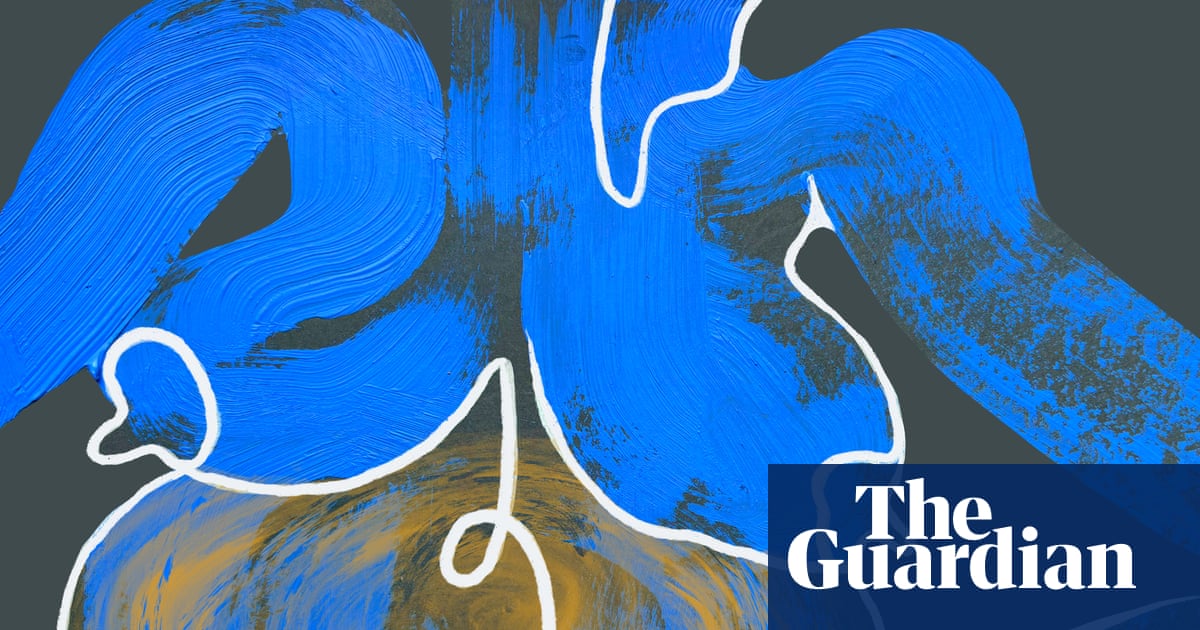
Illustration by Anna PariniLike millions of women before me, when I got pregnant I experienced run-of-the-mill so-called morning sickness, a low-level queasiness that persisted throughout the day and then disappeared almost completely after twelve weeks. Phew! It was unpleasant, but not debilitating, and I rarely thought about it after it passed. So, I was surprised when an expecting friend of mine stayed sick, puking multiple times a day, all the way up to the birth of her adorable baby. That’s almost nine months of the worst hangover of your life.It got me thinking. Why do some women get extra sick during pregnancy? Why is the nausea relatively manageable for most and a medical emergency for others? It turns out there’s a name for extreme morning sickness: hyperemesis gravidarum, or H.G., which translates, roughly, to “excessive vomiting during pregnancy.” (My friend referred to her condition, with bleak humor, as “a touch of the Kate Middletons,” after its most famous sufferer.) In my reporting on H.G., for a piece published today, I learned that the illness has a long history. (Charlotte Brontë may have died from it.) Doctors believed that the illness was psychological, sometimes interpreting it as a rejection of motherhood or a bid for attention. I spoke to women who had undergone bizarre treatments, including days of “isolation therapy,” in which they were left alone in a hospital room, without visits from their partners or families, to come to terms with their pregnancy.I also learned about the work of Marlena Fejzo, a tenacious geneticist at the University of Southern California, who has become a celebrity in the H.G. world. In the late nineties, Fejzo was horribly ill during her second pregnancy. She was unable to eat, or to move without vomiting, and she lost the baby at fifteen weeks. Since then, she has devoted her career to understanding H.G. A few years ago, Fejzo and her colleagues made an astonishing discovery about its root cause, upending assumptions and opening new pathways for treatment or a cure. What surprised me most in working on this story was the extraordinary resilience of H.G. sufferers—and, often, their willingness to do it all again.Read or listen to the story »Illustration by Jackson GibbsThe conservative activist Bryan Hubbard, with help from Rick Perry and Joe Rogan, persuaded Donald Trump and the G.O.P. to embrace ibogaine, a psychedelic drug derived from an African shrub. These right-wing proponents are positioning its use “not as hippie hedonism,” Michelle Lhooq writes, “but as a medical intervention compatible with patriotic duty and Christian faith.” Read or listen to the story »More Top StoriesIn the summer of 1975, “Jaws” was in theatres, love was in the air, and Anthony Bourdain arrived in Provincetown. Justin Chang reviews the new movie “Tony.” The new book “Silence: A Literary History” is a secret history of shutting up. The most-clicked item in yesterday’s newsletter was about how the Republican congressman Max Miller is testing his Party’s willingness to defend the indefensible.A book: “The Ego Trip,” by Kimon de Greef, is a true-crime thriller about the origins of the toad-smoking movement. It’s one of the best books of the year so far. An album: Olivia Dean’s “The Art of Loving” has a certain warm vintage pop-R. & B. sound. See what else our critics recommend this week. A recipe: A sip of cool gazpacho is the only meal possible during August’s intense heat.
When Morning Sickness Is Deadly
From the daily newsletter: Extreme nausea during pregnancy was long thought to be psychological, and women were shamed for their illness. Now a scientist has found a biological cause.
567 words~3 min read