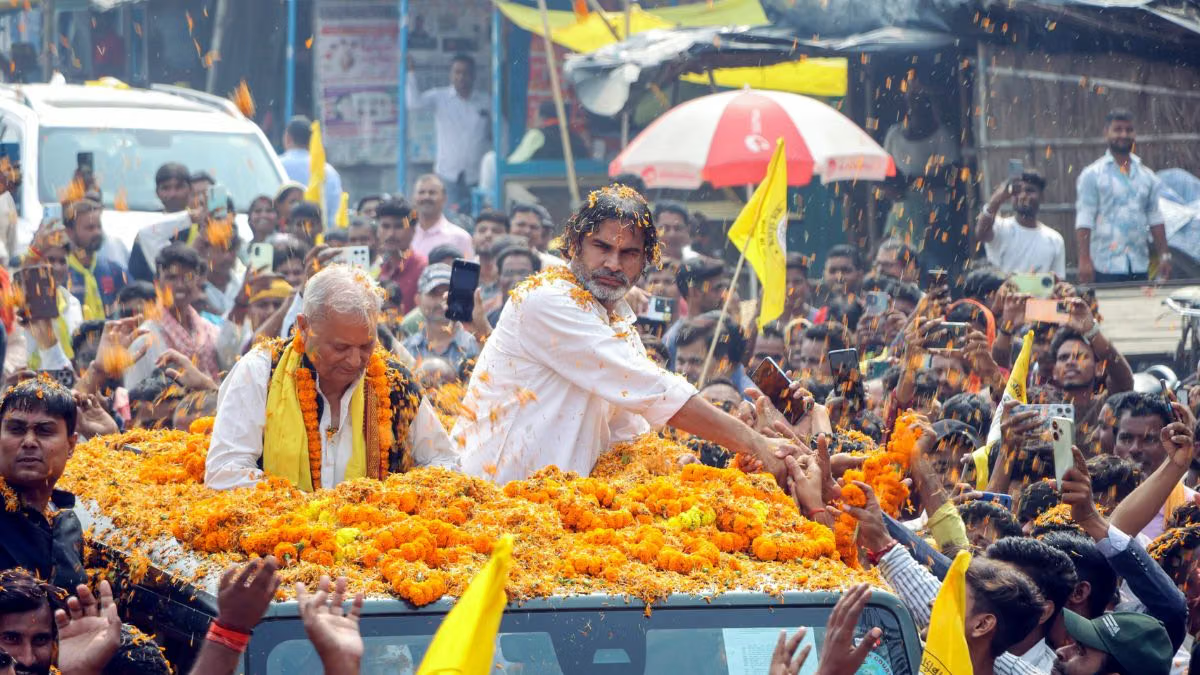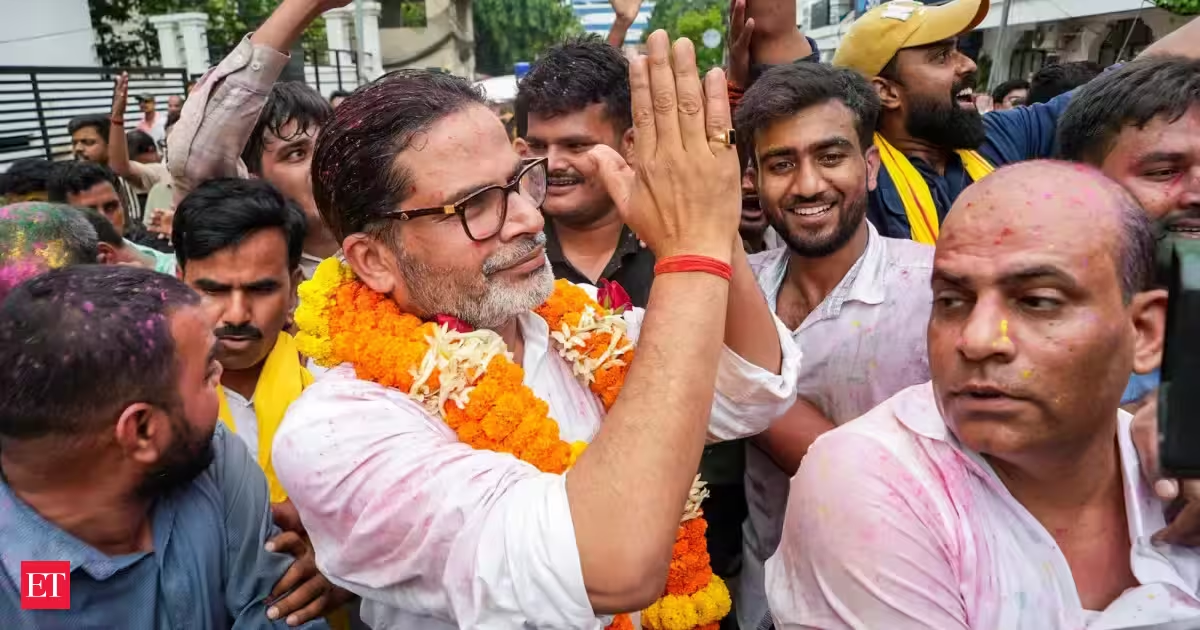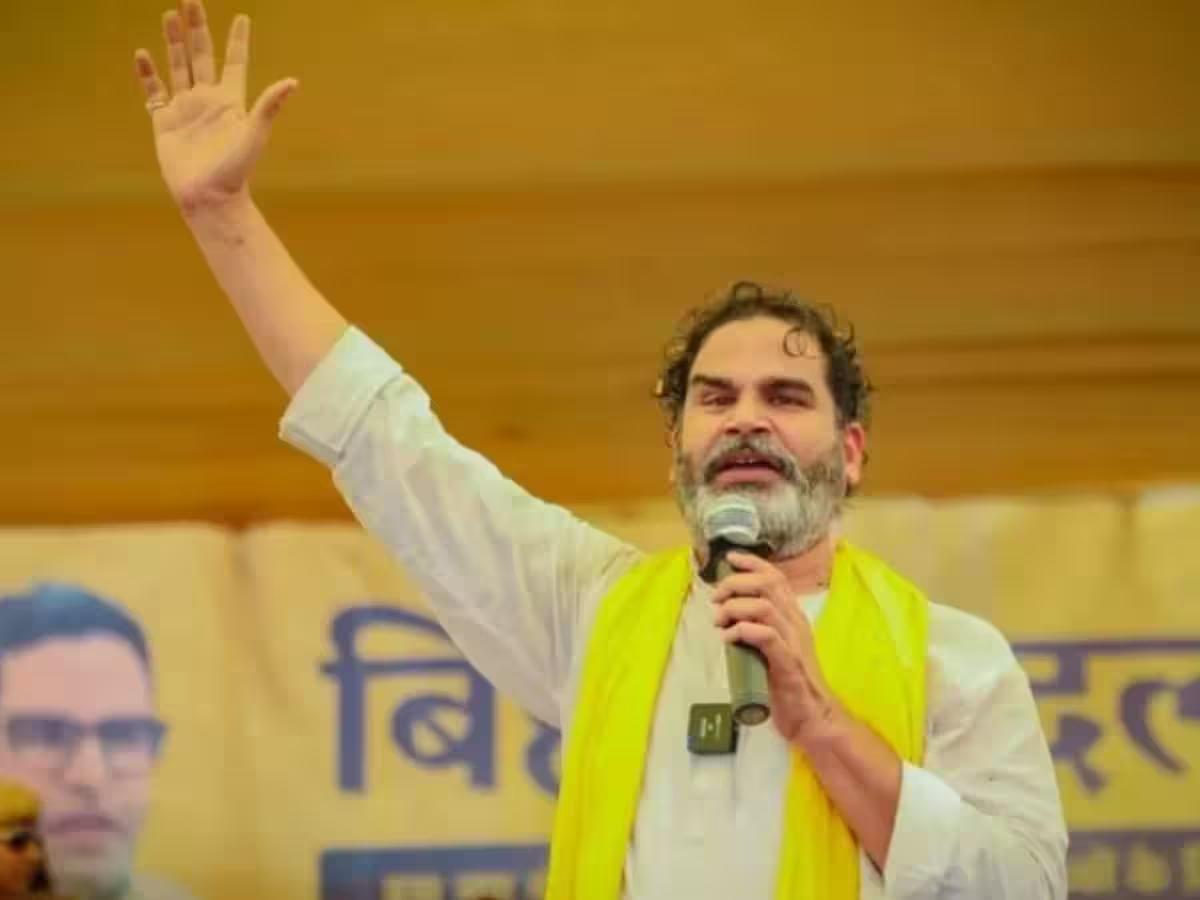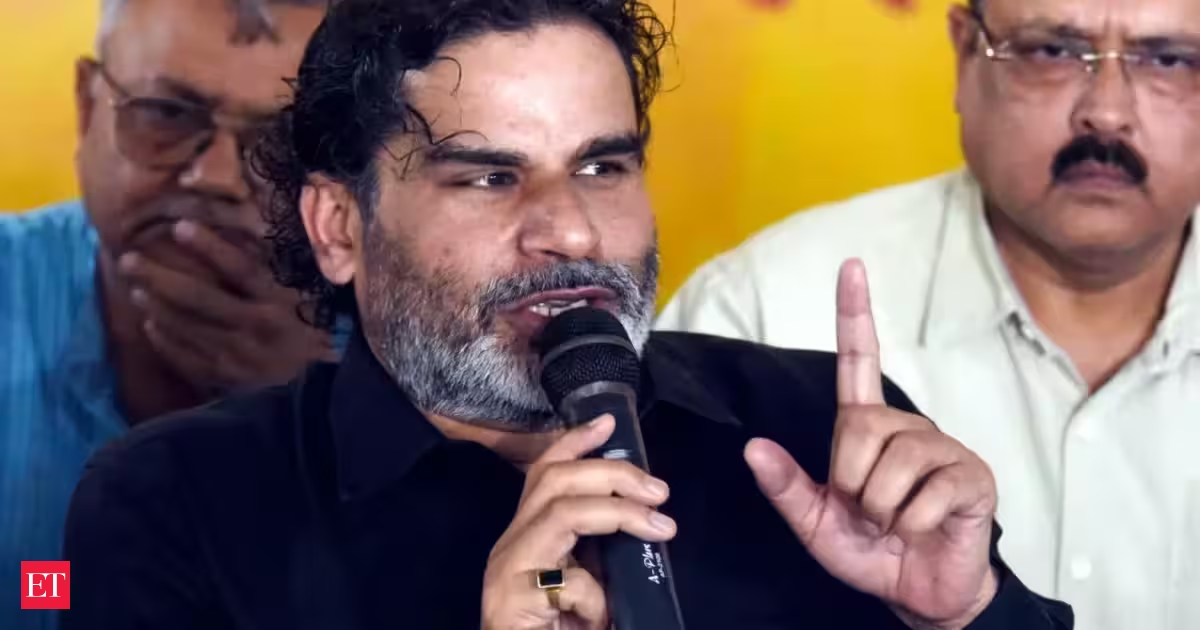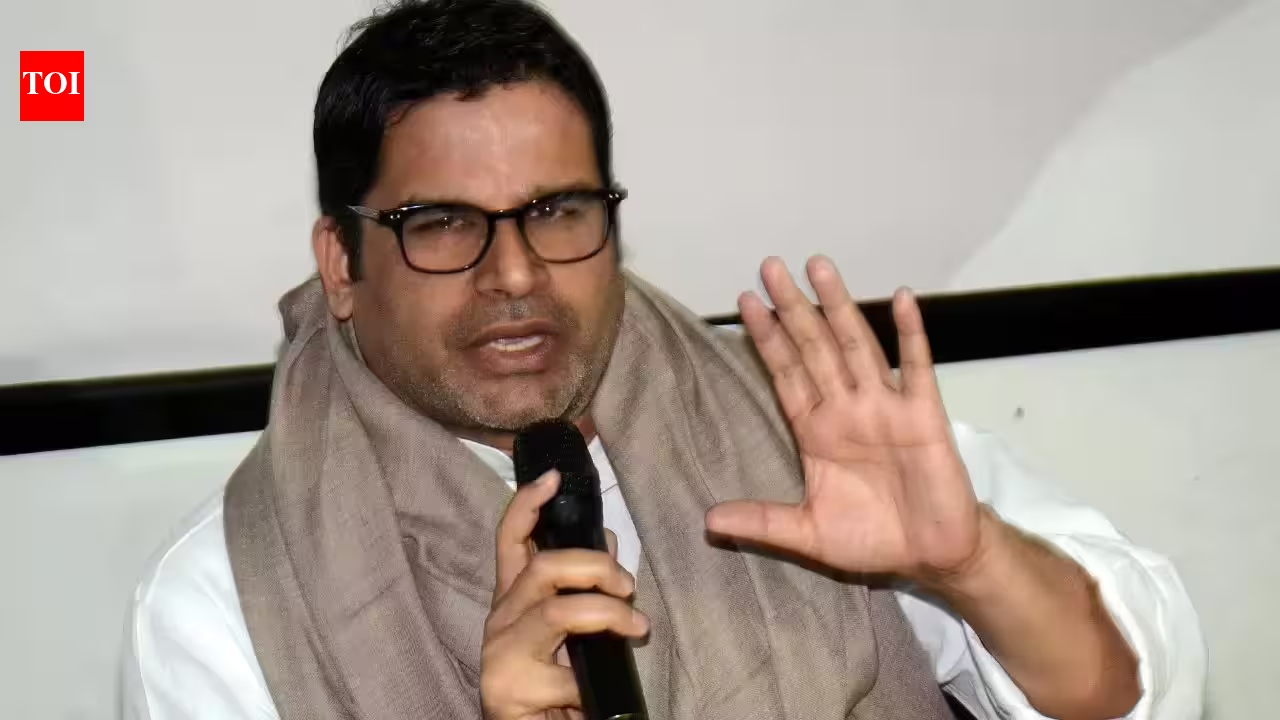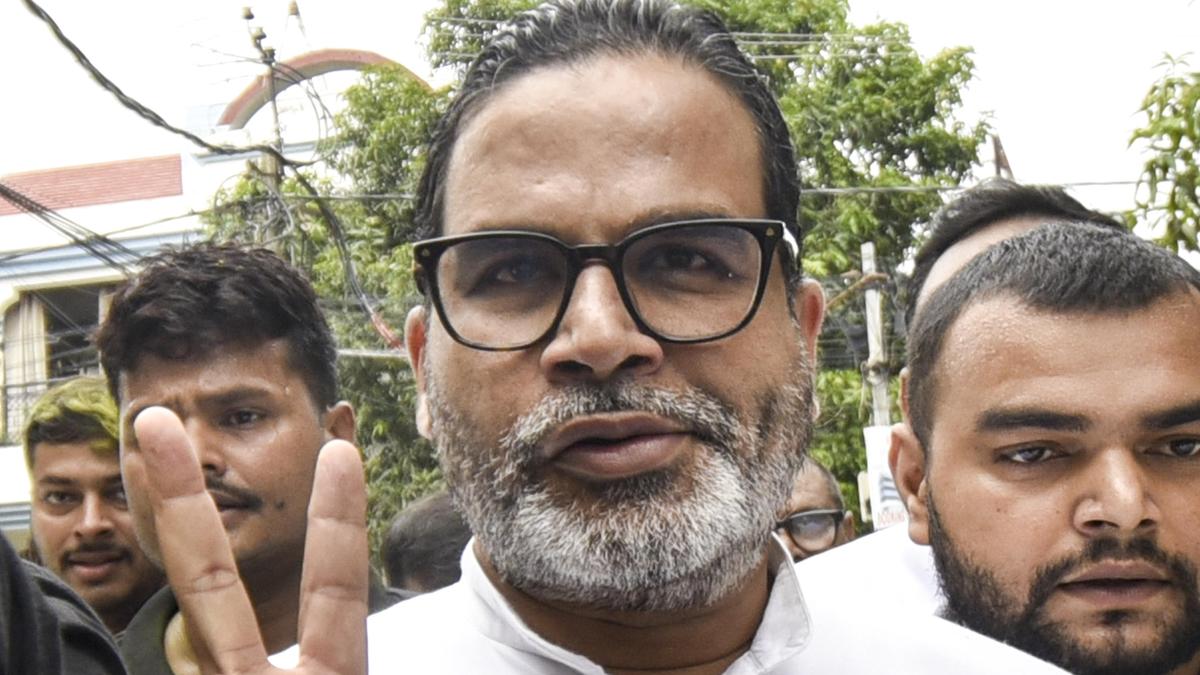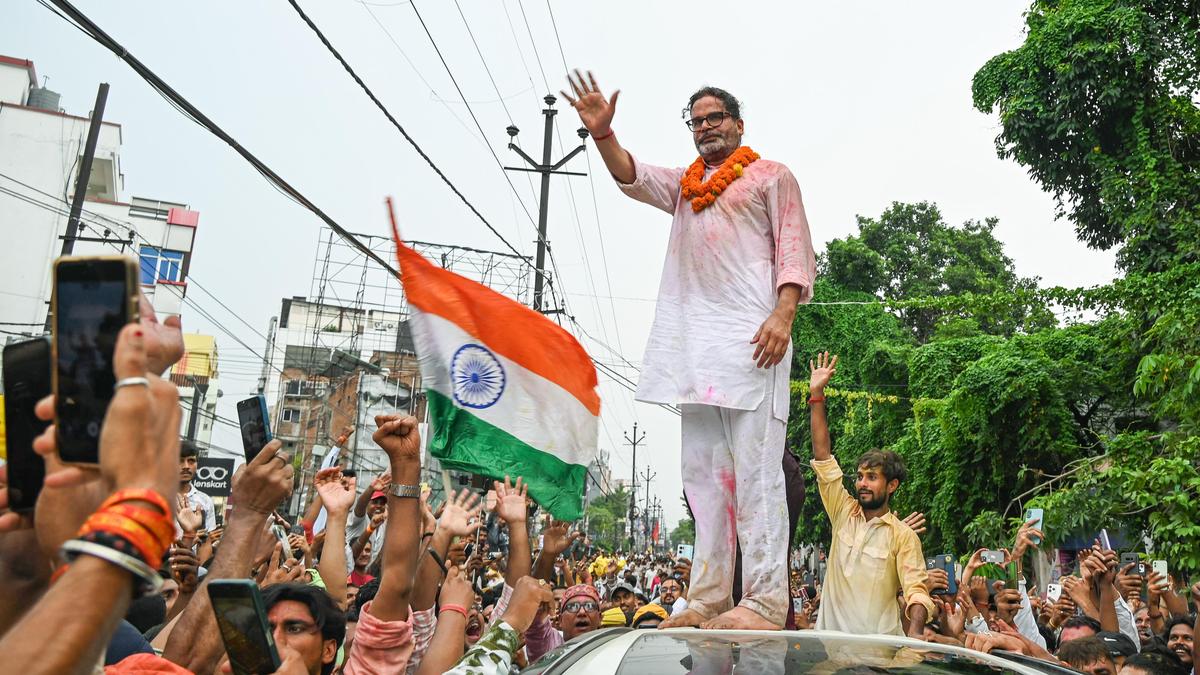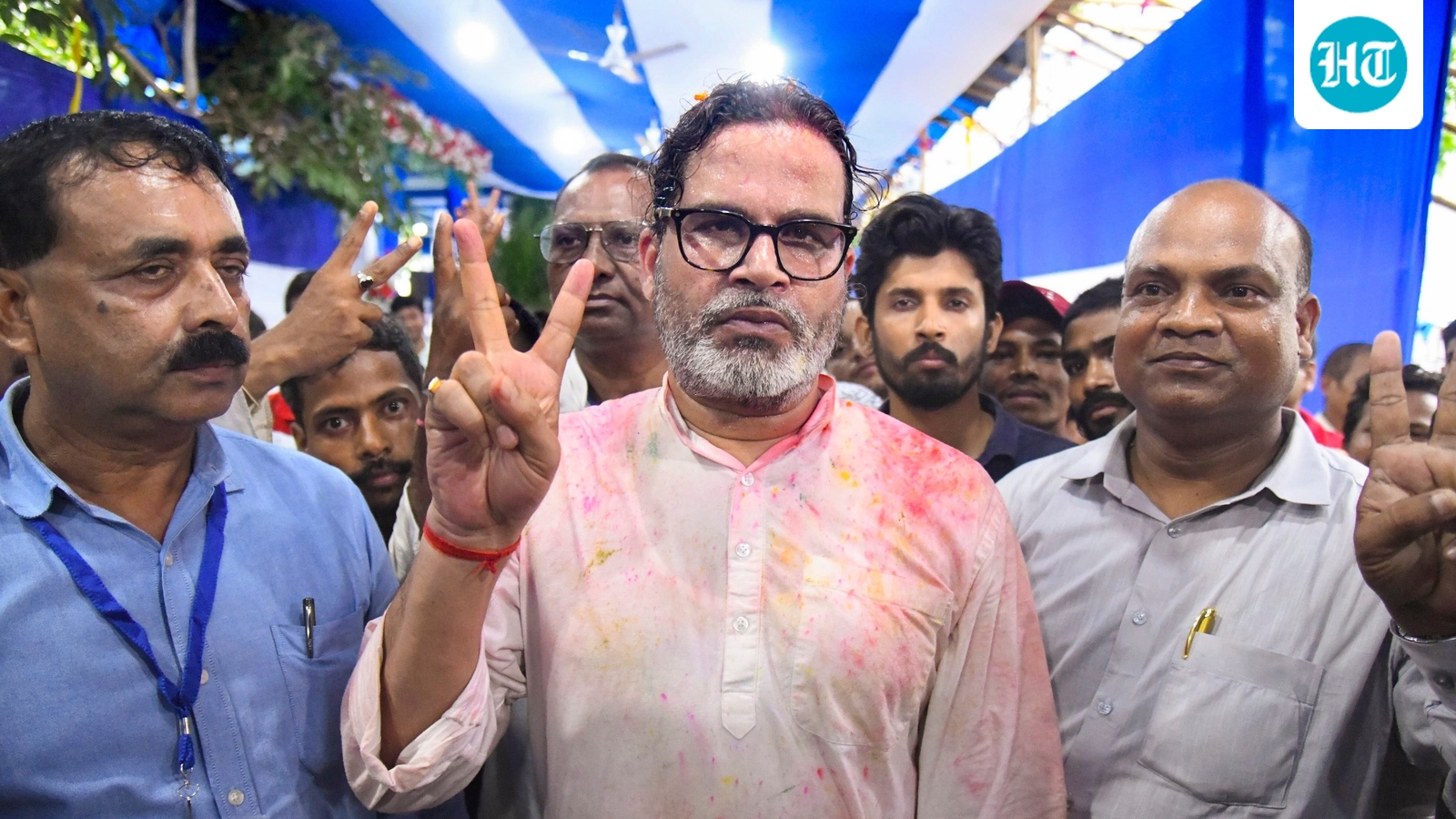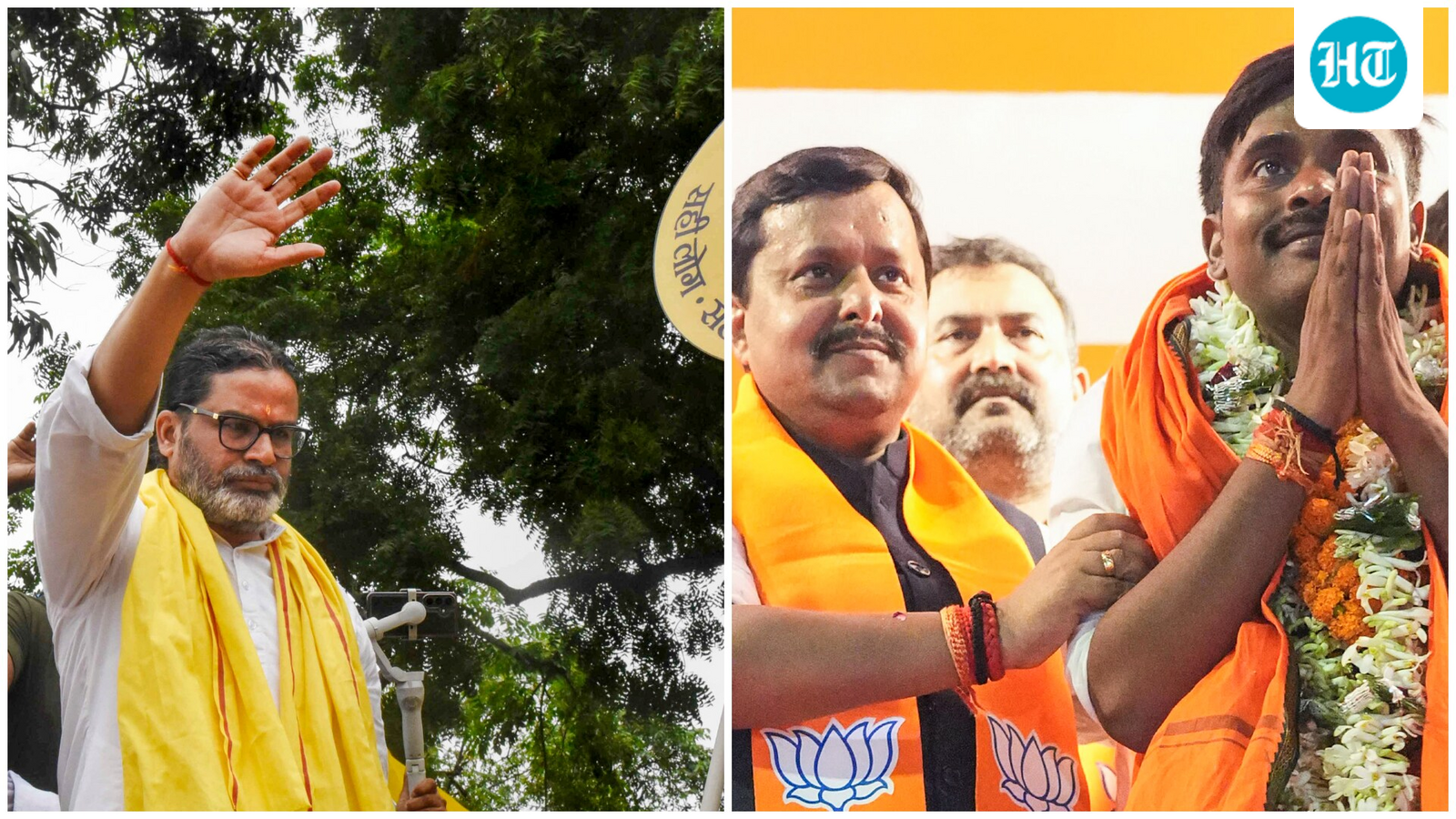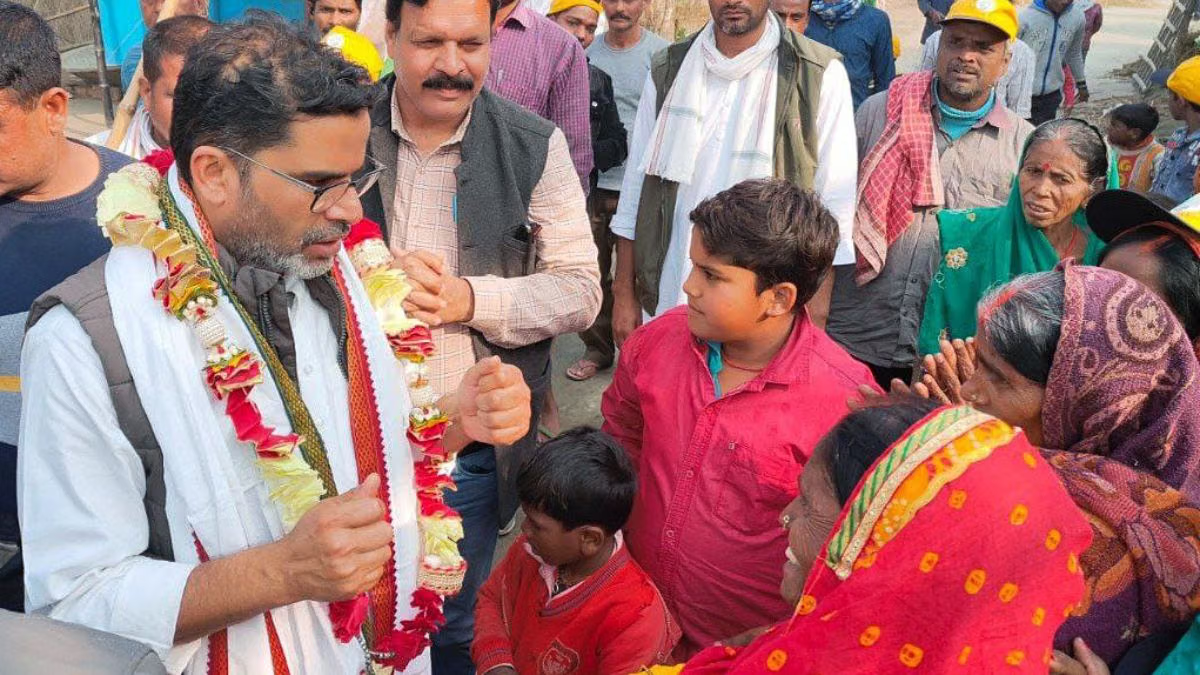
The convincing victory of Jan Suraaj Party chief Prashant Kishor in the Bankipur by-election in Bihar has everyone guessing about the possible changes in the state’s political landscape. The seat, previously known as Patna West constituency, had been a BJP stronghold since 1995. However, it fell vacant after BJP National President Nitin Nabin resigned as an MLA following his election to the Rajya Sabha.
His victory is attributed to several factors—the ‘success’ of the CJP protest, Gen Z’s anger spilling over to other states, the Brahmin lobby venting its frustration over the UGC circular perceived as anti-Brahmin, sparking major pushback from students and faculty in educational institutions, and renewal of the backward vote bank in Bihar. Still, none of these conjunctures seems convincing on why Kishor, a Brahmin leader of a one-man party, should win in a highly caste-ridden Bihar politics. Kishor’s victory is not a defeat for the BJP, but a loud and clear warning bell for the ruling party. Kishor has all the attributes of a successful politician. He is cool, calm, and calculated. He knows how to strategise political contests, and appears to be a good listener. And in politics, one needs to be a good listener and absorb advice from as many sources as possible, but finally do what is best in the given situation.