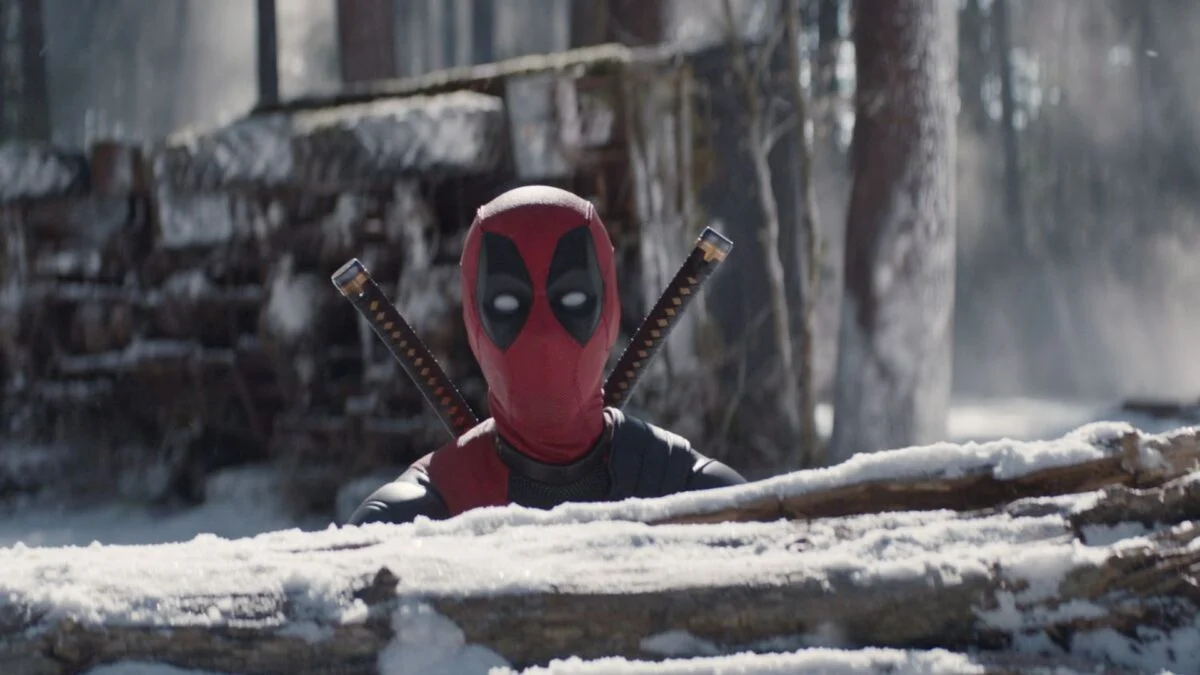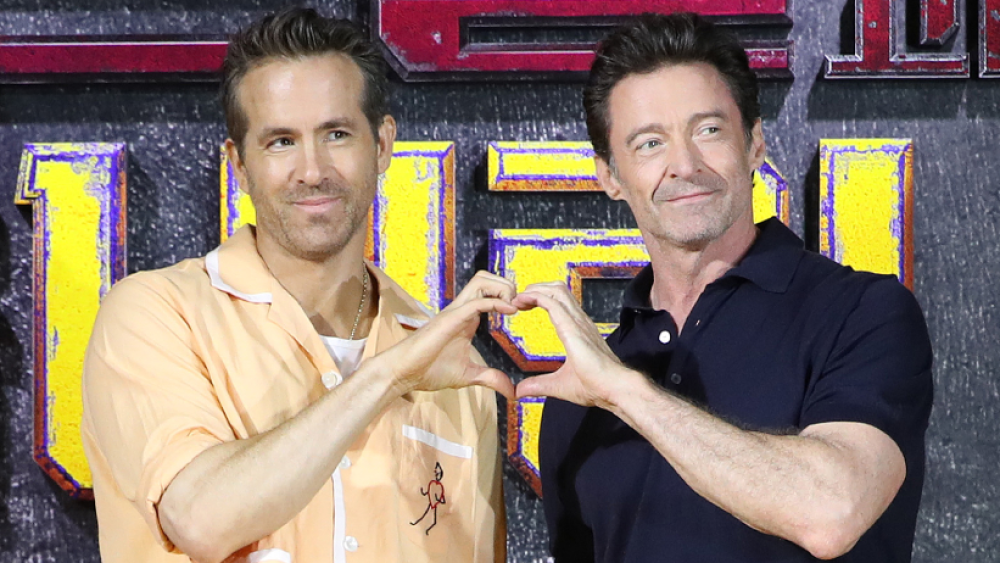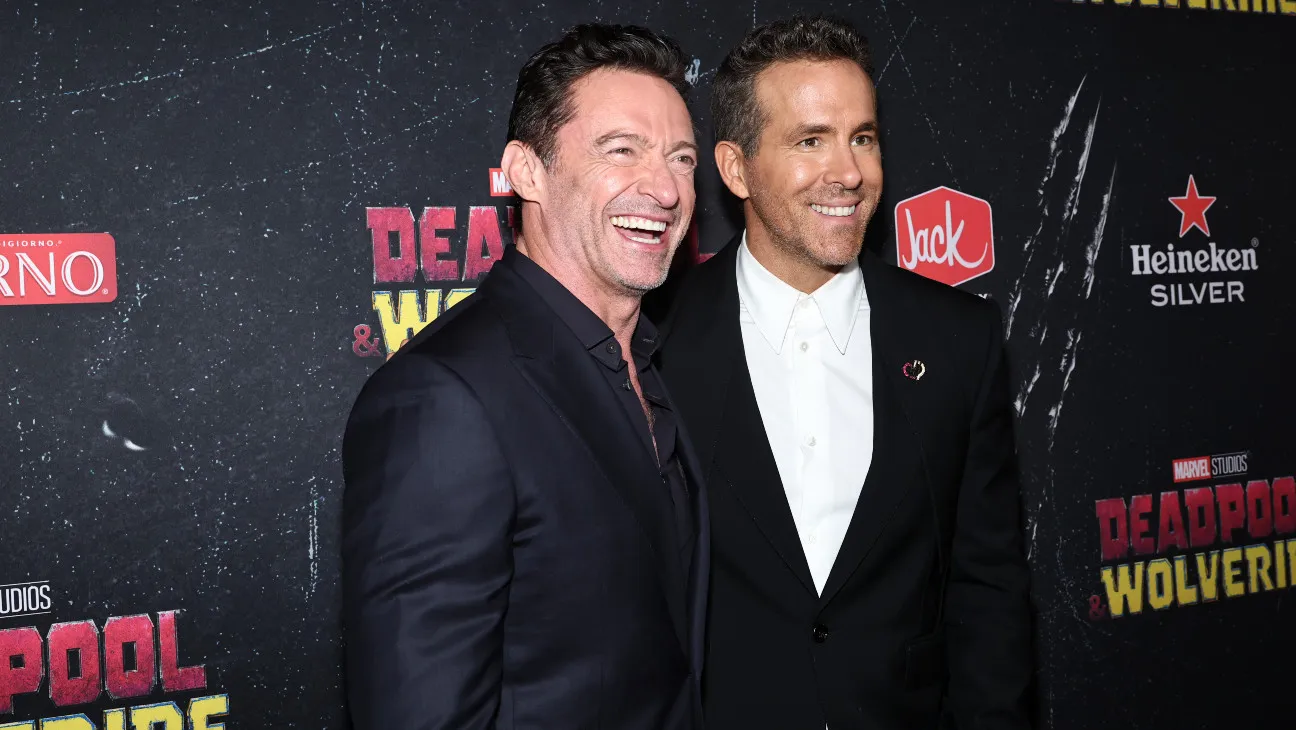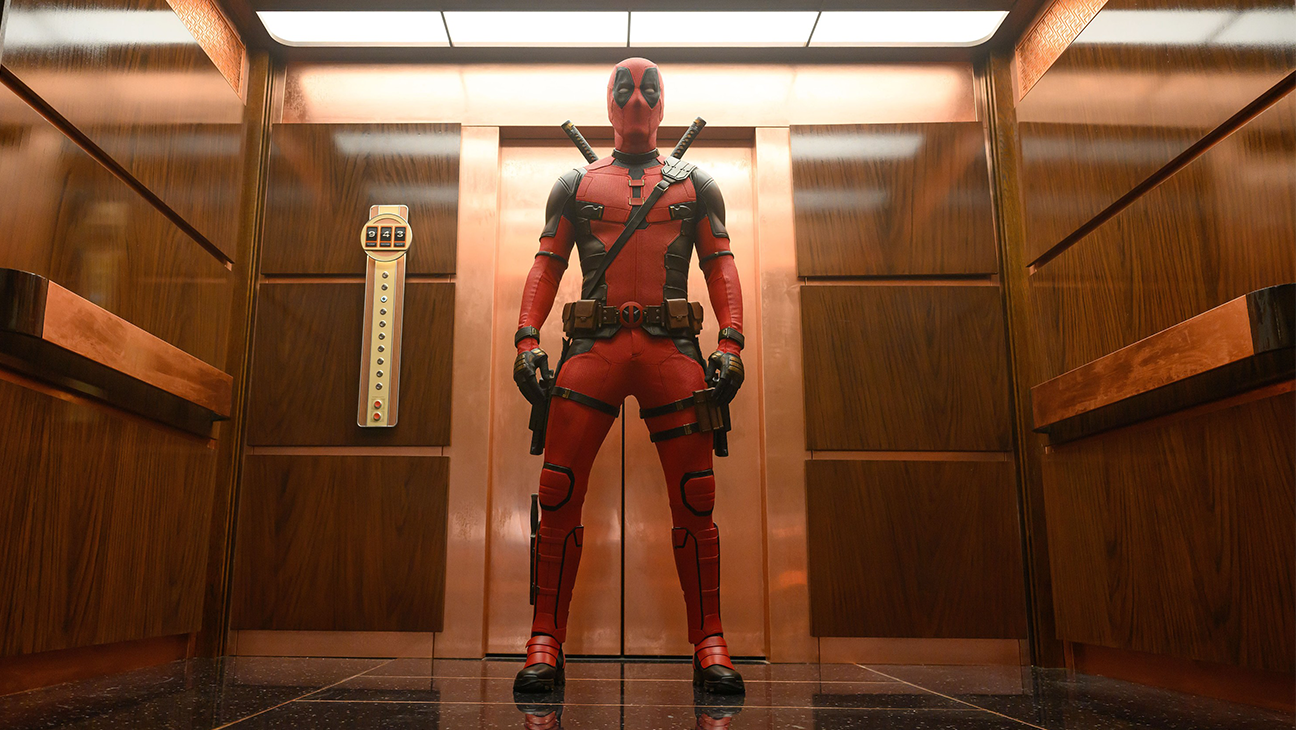
Ryan Reynolds really wanted that Hugh Jackman-signed Wolverine trading card, but he wasn’t quite ready to drop $1,000 on it. So what’s the guy who epitomizes Deadpool to do? How about cut a deal?
Reynolds, on the crowded show floor of Fanatics Fest in New York last month, negotiated with the seller: He would pay $800, and hand over a Dogpool card, with a little hand-drawn doodle too.
“When Ryan Reynolds gets excited about something…” says Divya Dalal, VP of global hardlines, global brand commercialization, for Disney Consumer Products, in an interview with The Hollywood Reporter. “It’s an industry that’s on everybody’s radar, and so it’s a social currency that people get excited about,”
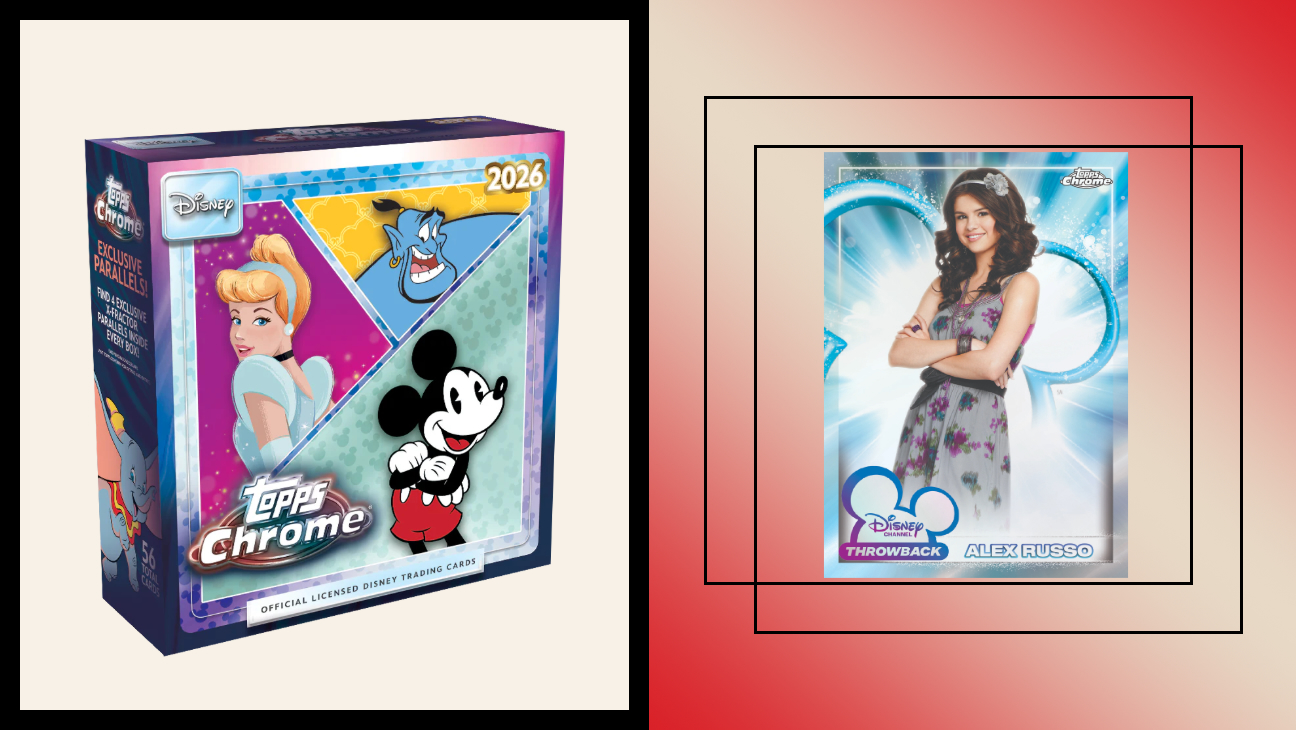
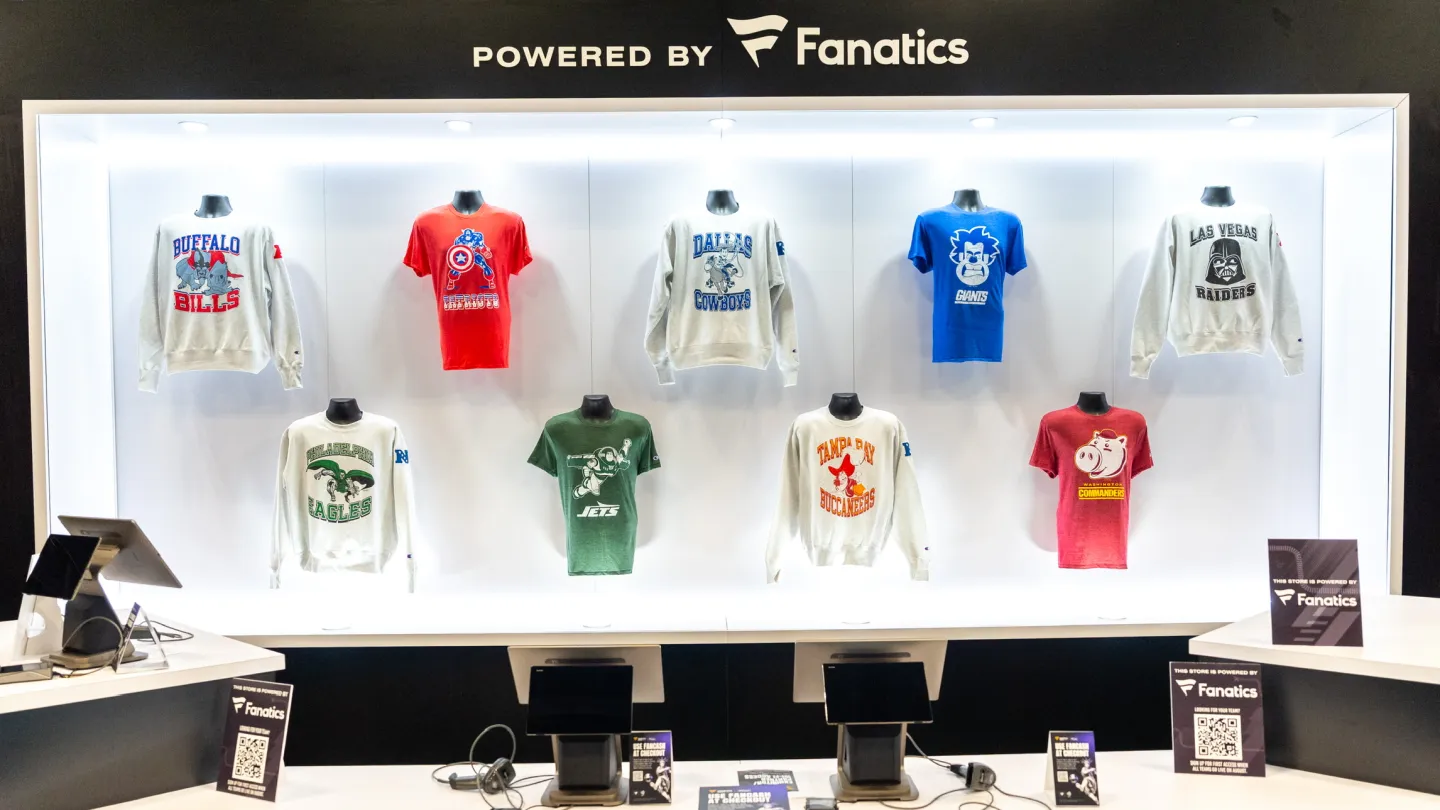
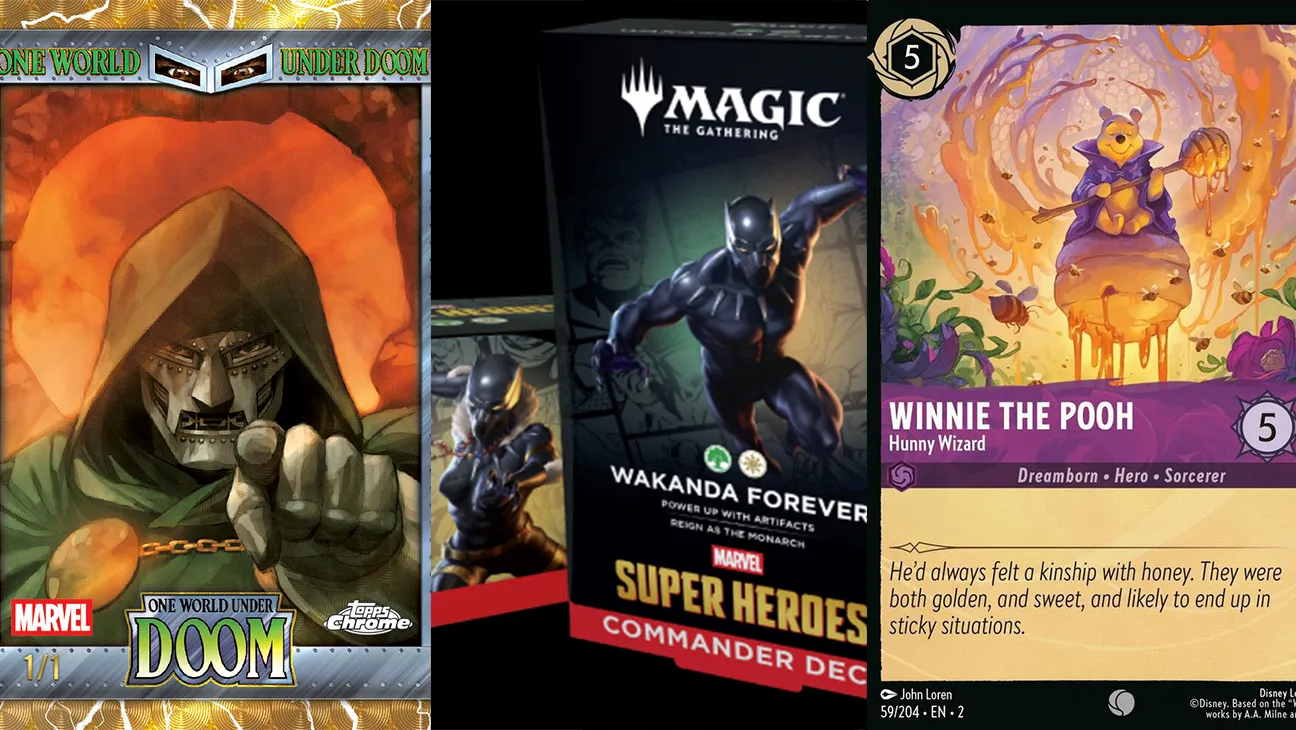
There is no company on earth that is more effective at taking its intellectual property to more places than The Walt Disney Co. But while Disney may be best known for clothing or toys featuring its 100 years of beloved characters, in recent years it has leaned into a burgeoning part of the consumer products business that increasingly appeals to kids and adults alike (not to mention celebrities like Reynolds): Trading cards and card games.
The market has exploded over the past few years, with some analysts pegging it at $50 billion annually and growing. Disney executives say that their trading card revenue has quadrupled since 2023, underscoring the market’s rapid expansion, and the company’s push deeper into it.