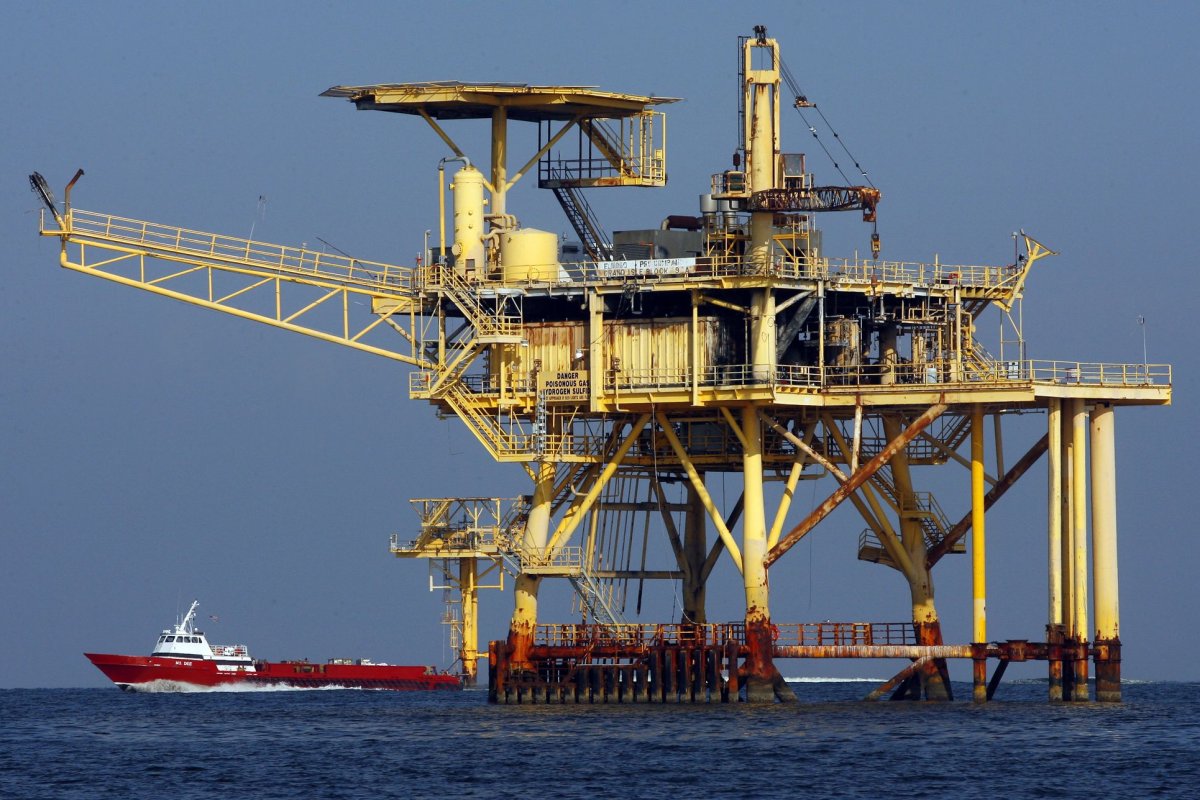
Since March 2025, some Native cultural artifacts and sacred sites have been left vulnerable after Congress rescinded reporting requirements for development proposals on the Outer Continental Shelf. Developers are no longer required to conduct archaeological surveys for proposed projects along the 3.2 billion acres of marine territory while the U.S. Department of Interior (DOI) explores the potential for space launch and recovery infrastructure on the Outer Continental Shelf. “It feels very sad and violating,” said Katrina Thompson-Upton, Tolowa Dee-ni’ Nation, and co-founder of Northwest American Indian Coalition (NAIC). Thompson-Upton’s traditional lands along the coast of Northern California would be impacted by the development of the Outer Continental Shelf (OCS). “We did not glacier here, so we were not under ice,” Thompson-Upton said. “There’s a lot of older places in our area, and that extends well out into what is now underwater on the coast on the shelf out there.”
Because of Section 106 of the National Historic Preservation Act (NHPA), federal agencies are required to consider the impacts of any federally funded, permitted, or licensed project affecting underwater cultural artifacts. Development could happen faster without the requirement for archaeological reporting of cultural artifacts and sacred spaces along the OCS, defined as all submerged lands moving outward toward the sea from the shores to 200 nautical miles from the coast.