The moment that my friend decided she wanted to leave China came one day in 2018, on a busy street in Beijing.
A born-and-bred Beijinger with a well-paying job at an international company, she was riding in a taxi when she saw a man lying at a bus stop, apparently having a seizure. Several people stood nearby, but no one checked on him. My friend felt compelled to get out of the taxi and called an ambulance. During the roughly 15 minutes that she waited, many people passed, but no one stopped. A boy walking by asked his father, “Dad, what is happening to him?” His father hurried him away and told him not to meddle in other people’s business.
The next day, she began looking for ways to leave and eventually applied for a transfer to one of the company’s U.S. offices.
Of course, not everyone in China would react this way. There are plenty of tales of strangers selflessly coming to the aid of others. But I have heard enough stories like the one told by my friend, who now lives in Washington, D.C., to say that the indifference and mistrust pervading public life play a significant role in some people’s decision to leave—even when they have privileged and prosperous lives in China.
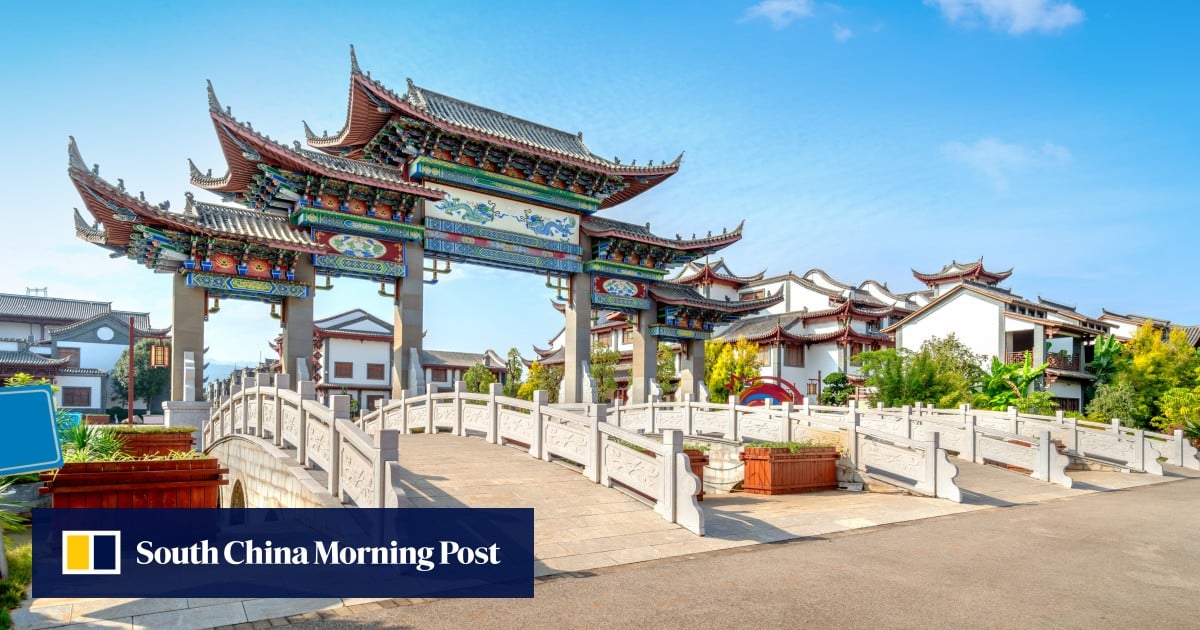
News about China’s dominance in clean energy and electric vehicles, along with its advances in artificial intelligence and robotics, can make the country sound like the obvious place for ambitious Chinese elites to thrive. Carefully selected videos of gleaming cities, efficient delivery networks, and rapidly developing industries project the image of a society hurtling toward a bright future.