AI music generator Suno faces growing pressure over claims that it trained on copyrighted material without permission. Songs made with Suno also compete directly with music from human artists, giving the company another reason to act.
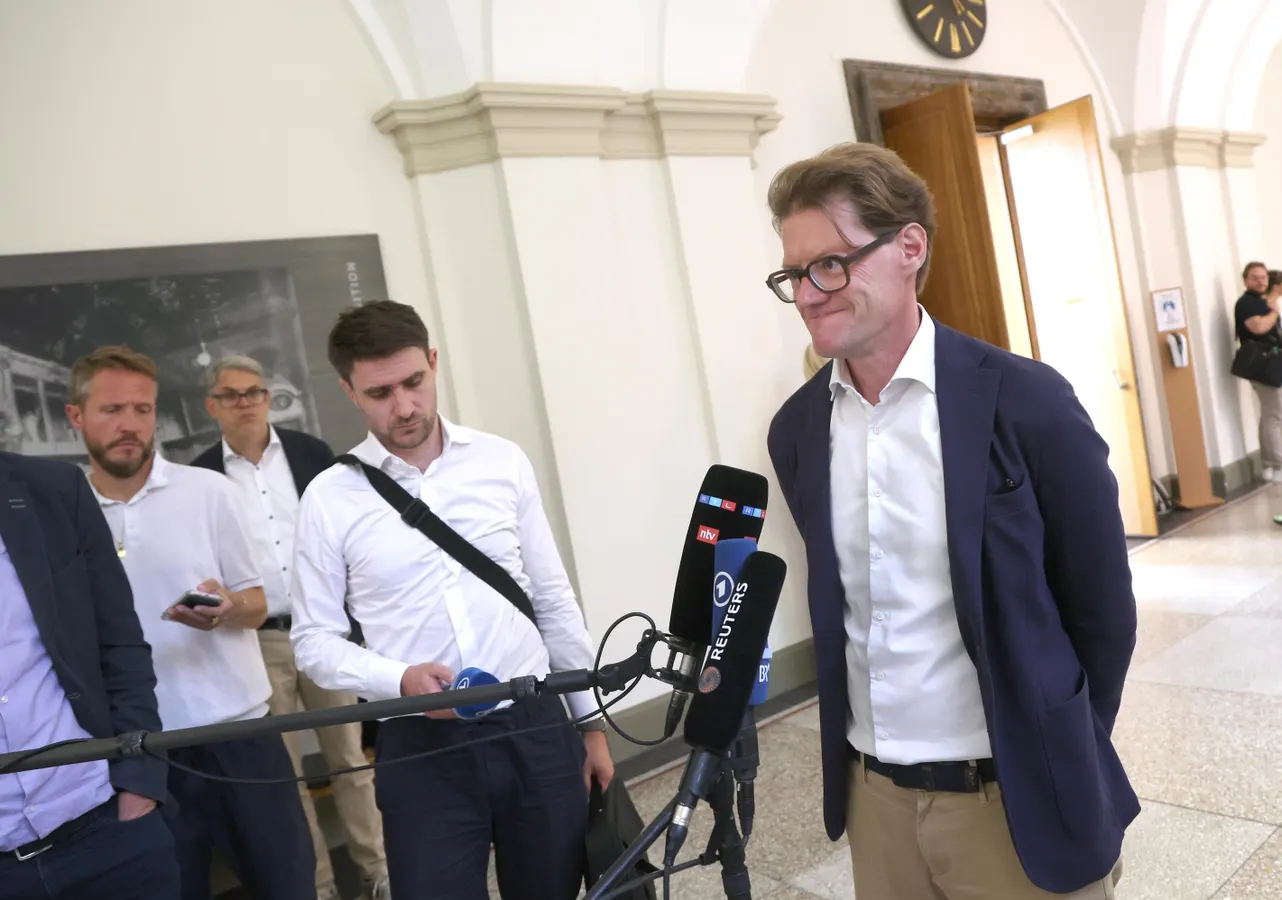
A German court recently ruled that Suno used copyrighted songs during training and can reproduce them when prompted the right way. The court also found that the US fair use doctrine doesn't apply to Suno's case. Before that ruling, one of Suno's own investors admitted that songs generated with Suno compete directly with music made by human artists. That matters in fair use cases, which consider whether copyrighted data has been used for a new and transformative purpose.
Suno says its training approach favors original music
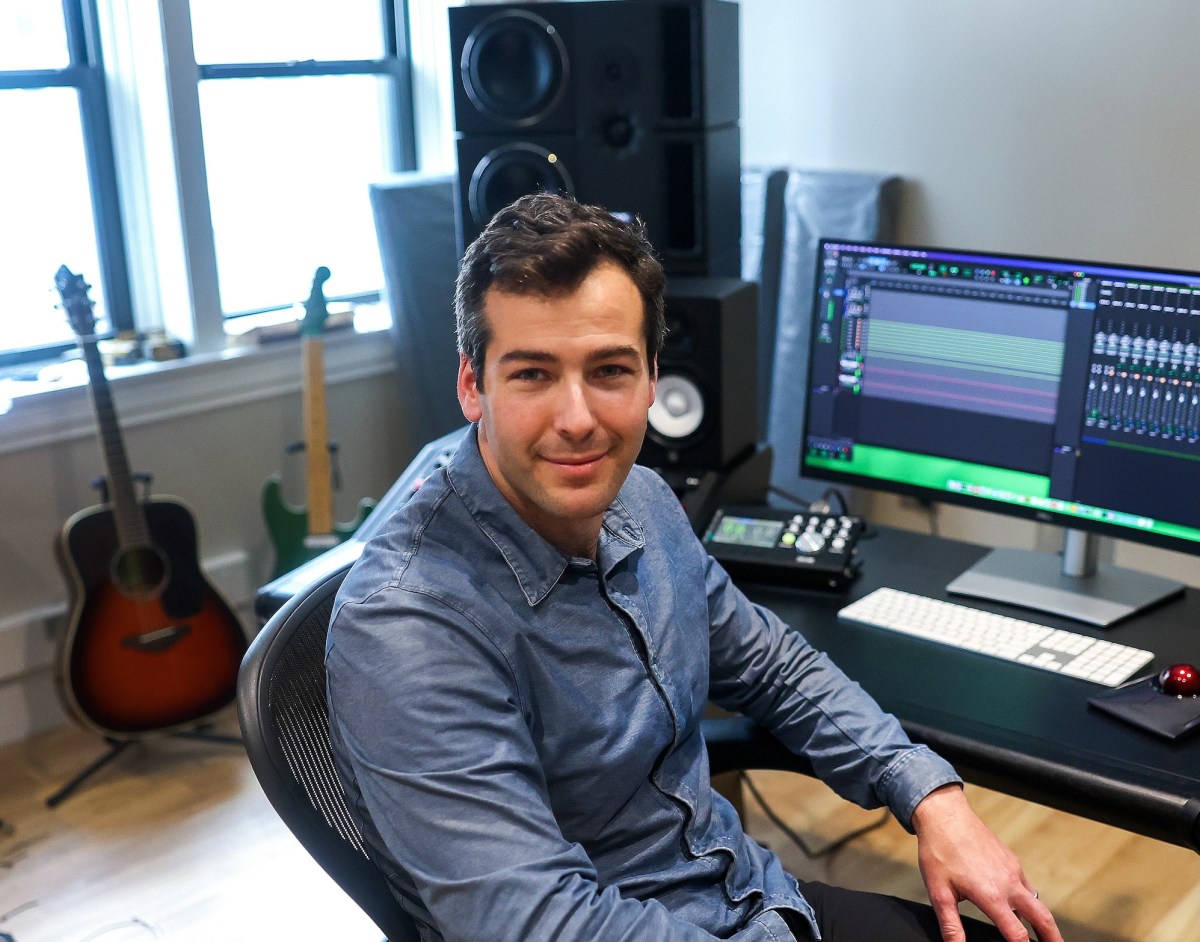
Suno co-founder and CEO Mikey Shulman laid out four guiding principles and a set of new measures in a blog post. The company says it follows a training strategy called "Original Creation, By Design" that's meant to reduce the risk of unauthorized reproductions. Specifically, Suno says it deliberately left artist names out of its training metadata.
The company also says it has never allowed prompts targeting specific artists or copyrighted songs. On top of that, Suno works with Audible Magic, Musixmatch, and other third-party services to check uploaded audio files and lyrics for potential unauthorized use.