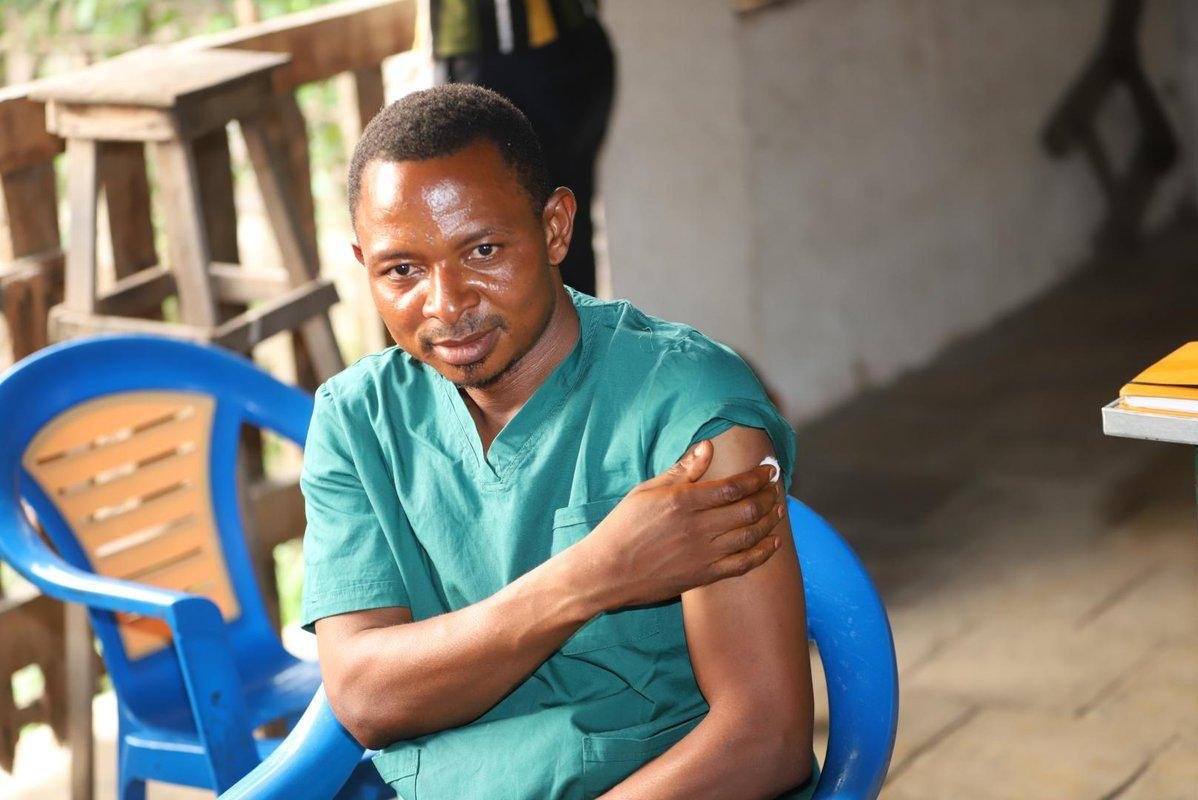
Geneva (AFP) – WHO vaccine experts on Friday recommended a full-scale human trial of the only existing approved Ebola vaccine to see if it offers cross-protection against a deadly strain spreading in the DR Congo.
Issued on: 07/08/2026 - 18:08
3 min Reading time
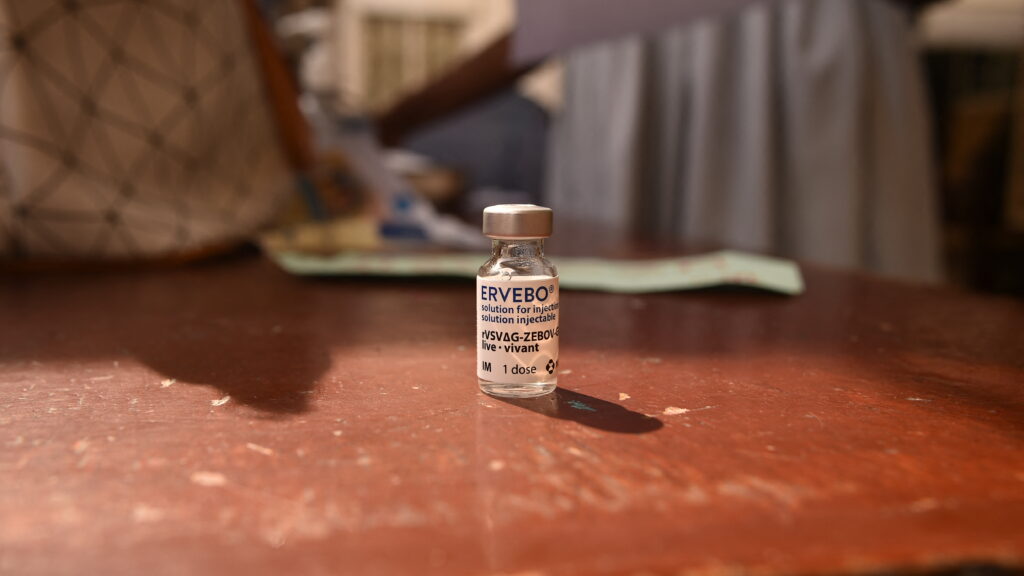
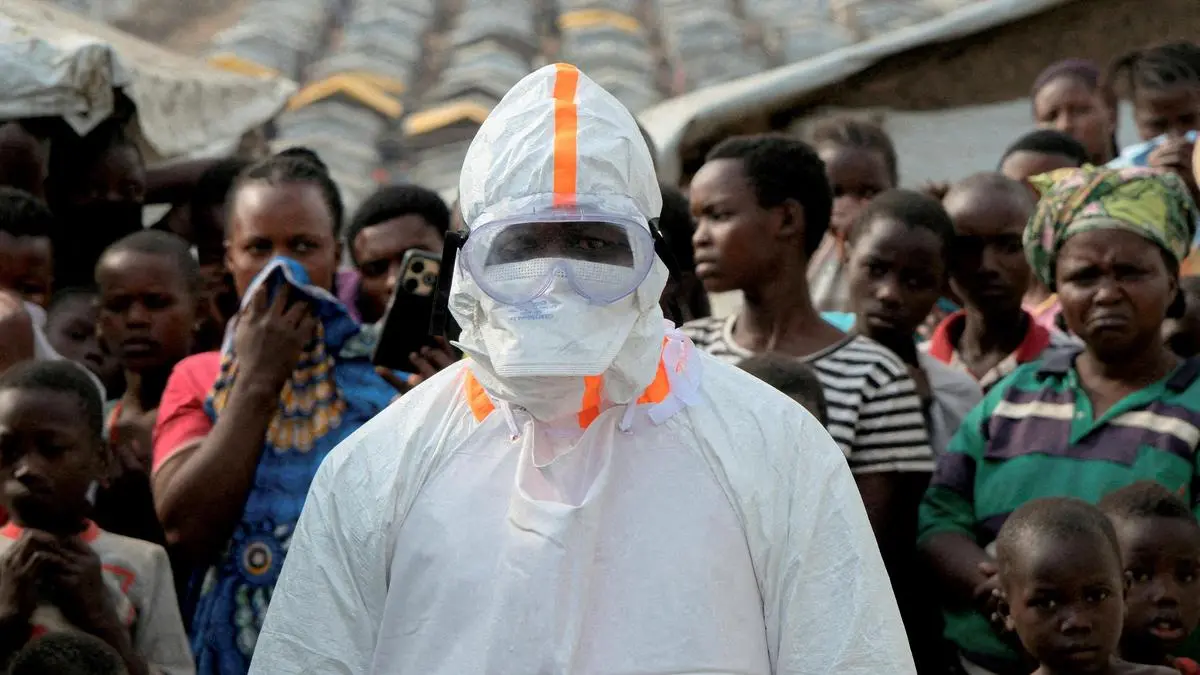
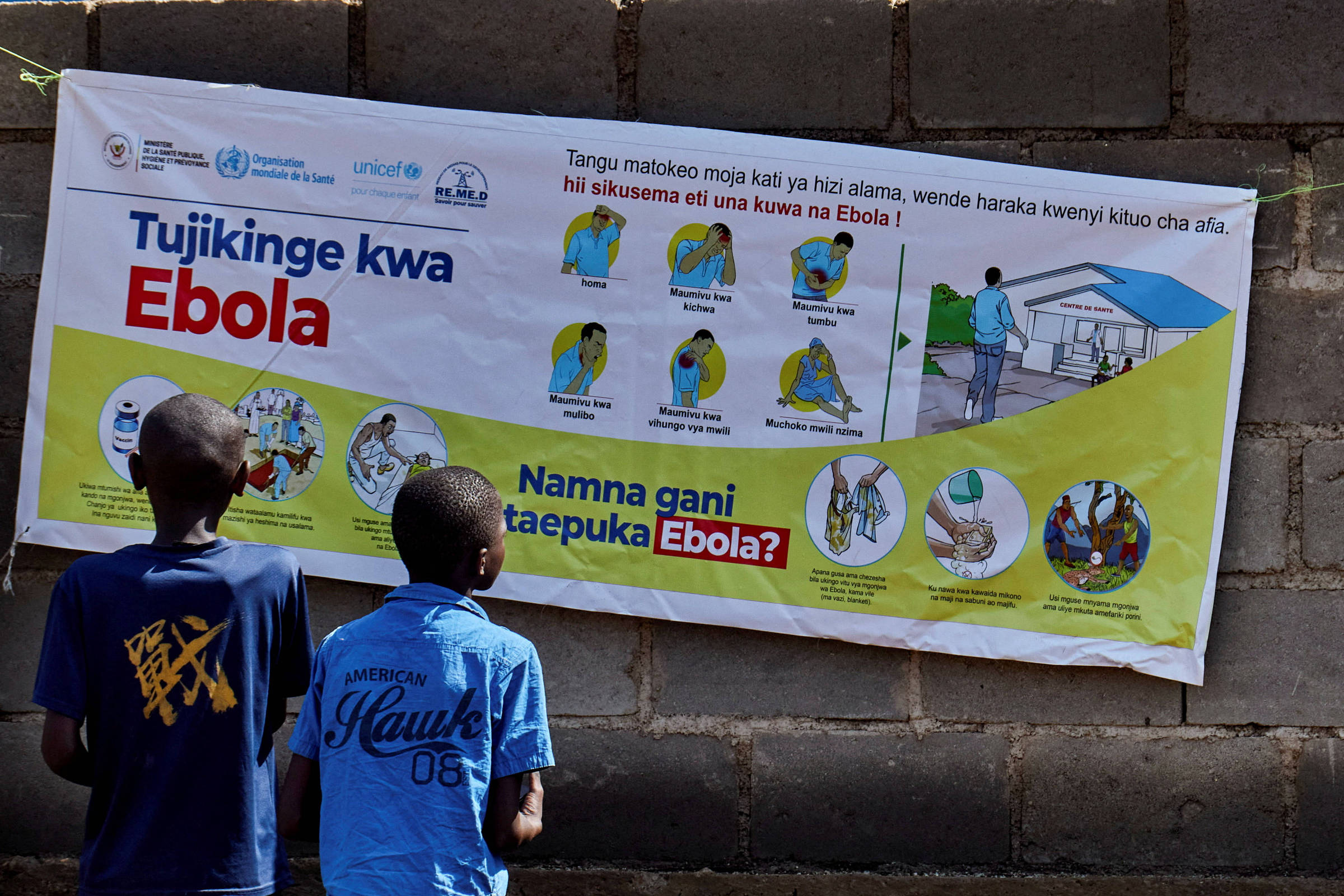
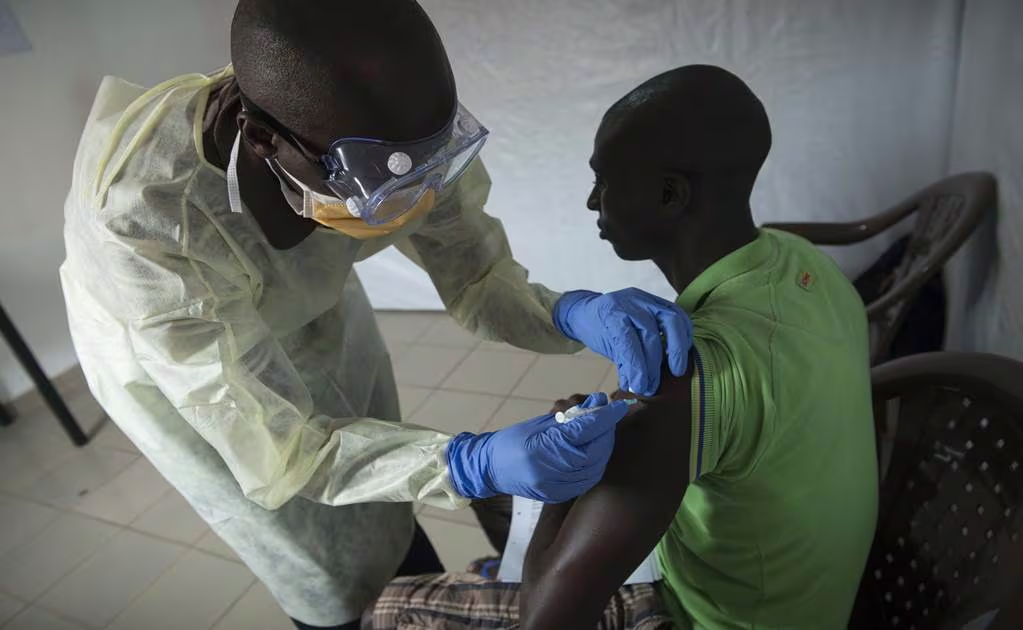
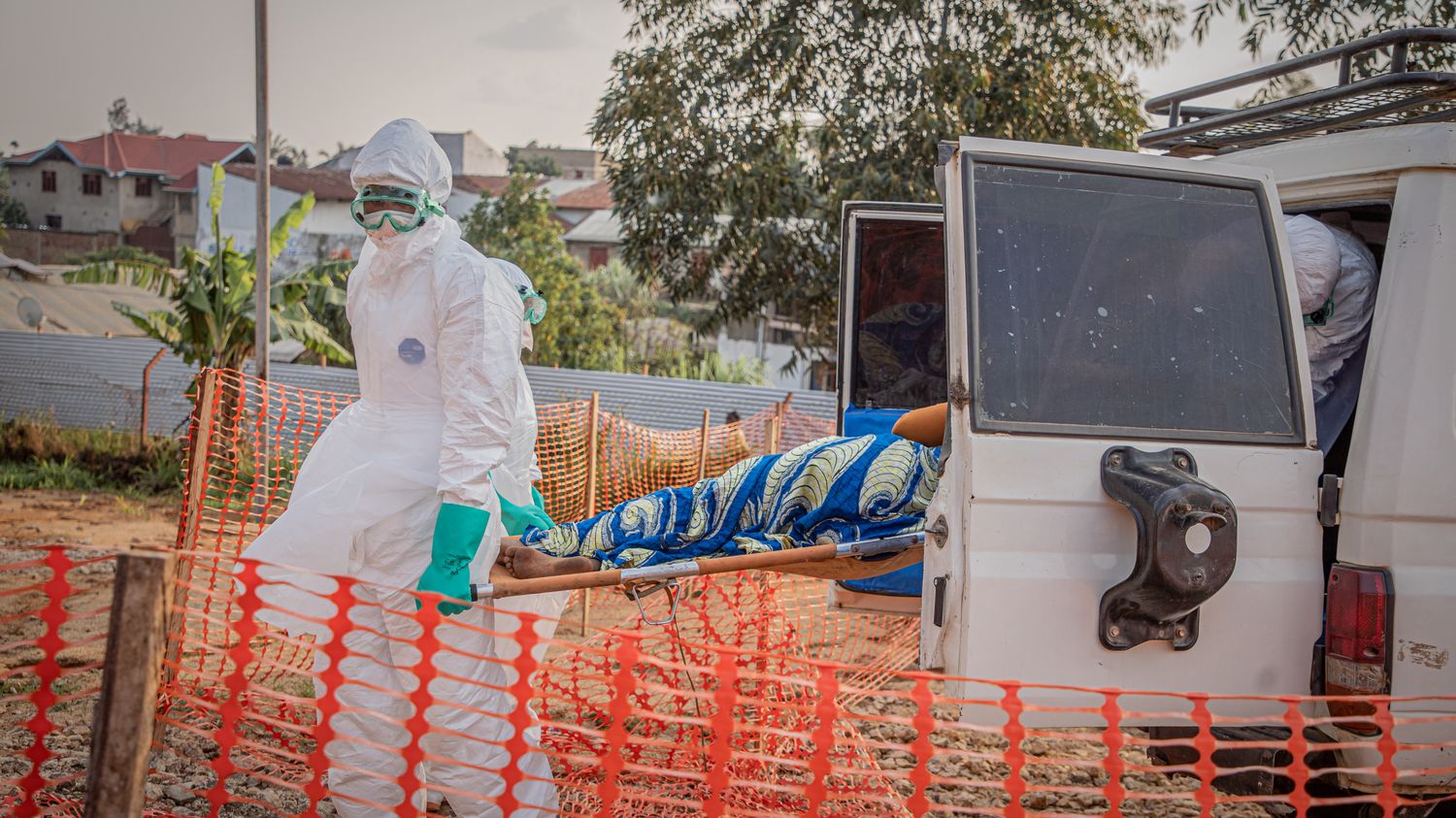
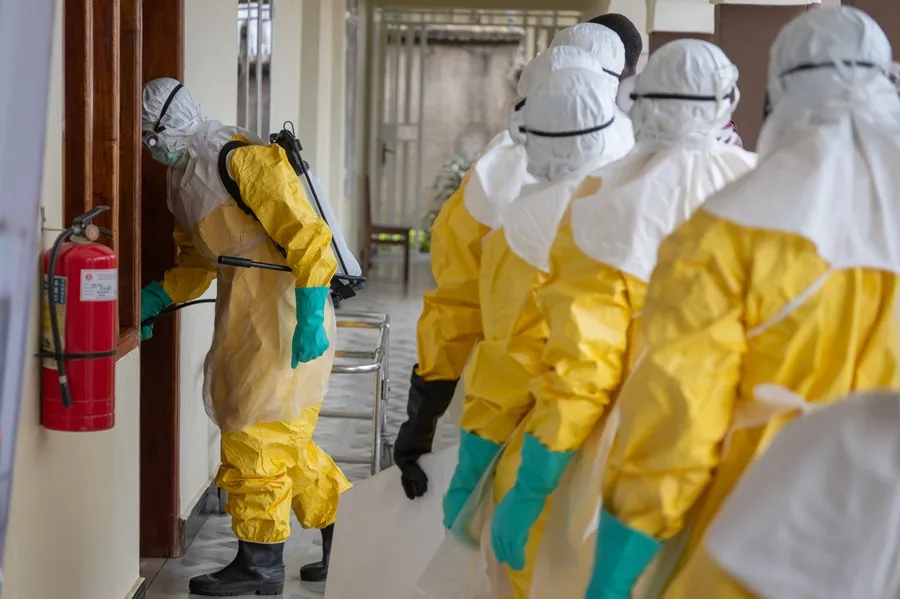
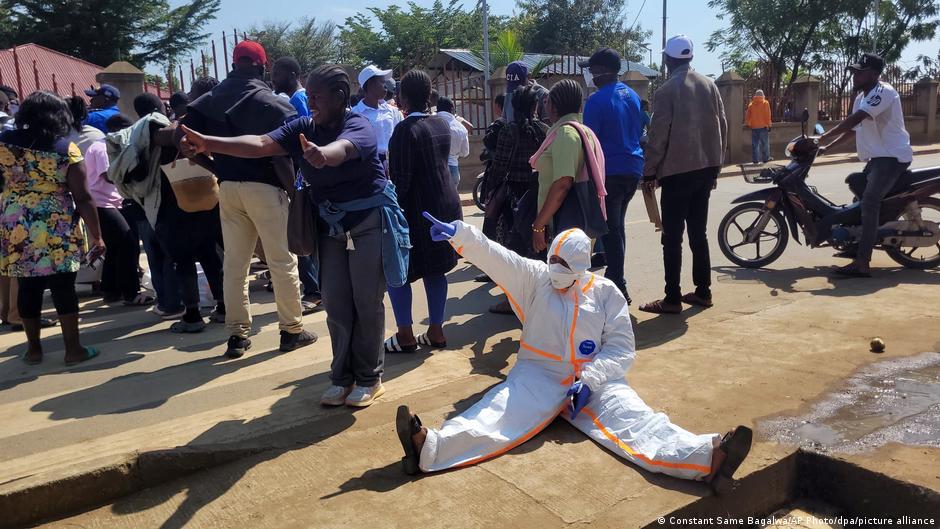
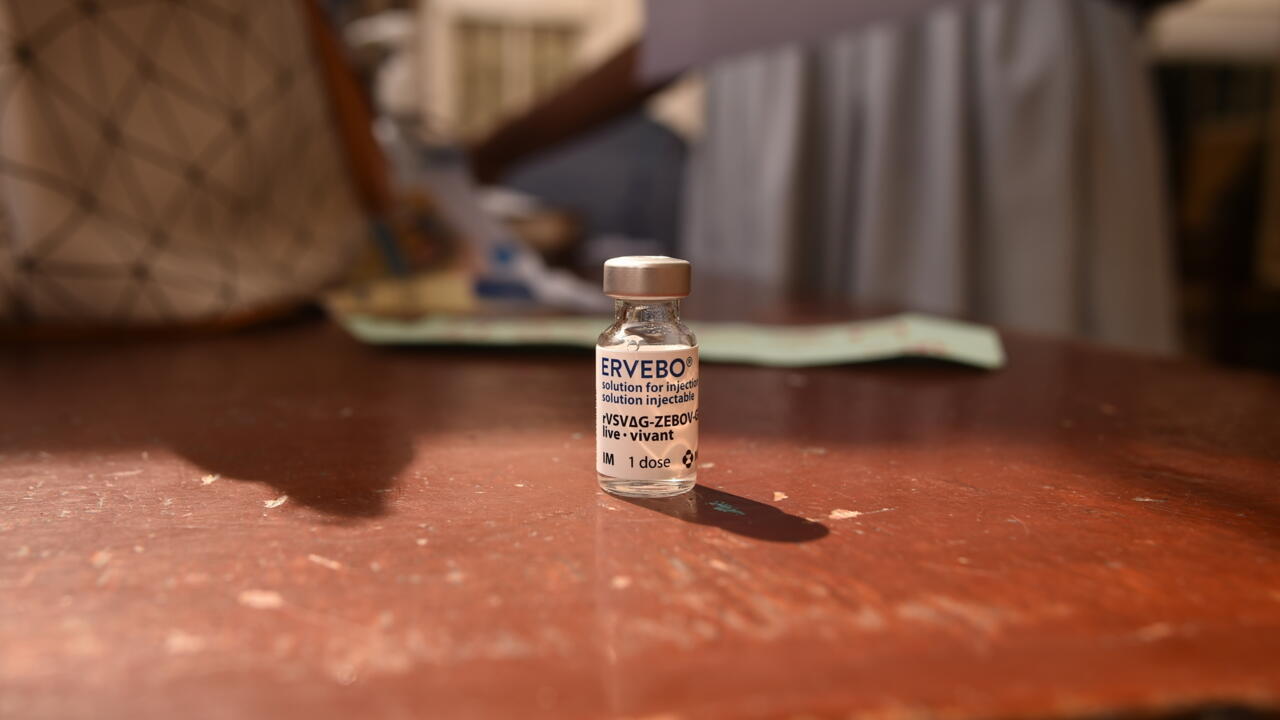
The Ervebo vaccine has proved safe and efficacious against the more common Zaire strain of Ebola virus, and World Health Organization experts said early data, notably from animal trials, showed it may also give some protection against the rare Bundibugyo strain exploding in the DRC.The recommendation came as the number of confirmed cases in the Democratic Republic of Congo went past the 4,000 mark, now standing at 4,053, including 1,850 fatalities.WHO chief Tedros Adhanom Ghebreyesus warned again Friday that the virus was spreading faster than response efforts can catch up.The UN health agency's technical advisory group on candidate vaccine prioritisation (TAG-CVP) for the Bundibugyo outbreak response met last week to review data that has emerged since their meeting in May, in the days following the outbreak declaration."The members recommended Ervebo, the only licensed Ebola vaccine, be prioritised for inclusion in a randomised clinical trial in the context of the ongoing outbreak," a WHO statement said.A spokesman told AFP it would be "a ring trial in the DRC", involving the circle of contacts around known cases.The experts looked at several studies, including one which showed that three out of four non-human primates vaccinated with Ervebo survived Bundibugyo, compared with one out of four control animals.They also looked at an unpublished study on ferrets which found that the research-grade version of Ervebo provided 100-percent protection against Bundibugyo, whereas all control animals died within 10 days.Tedros called the findings "good news".Managing expectationsThe TAG-CVP experts unanimously agreed that there were no safety concerns about using Ervebo in a clinical research study vaccinating case contacts, noting that it is already licensed by regulatory agencies and has been given to hundreds of thousands of people in Africa."Expectations need to be managed about its likely protective effect if used in a Phase III ring vaccination trial as efficacy against symptomatic disease and transmission may not be high, whereas protection against a fatal outcome may be achieved," their report said.