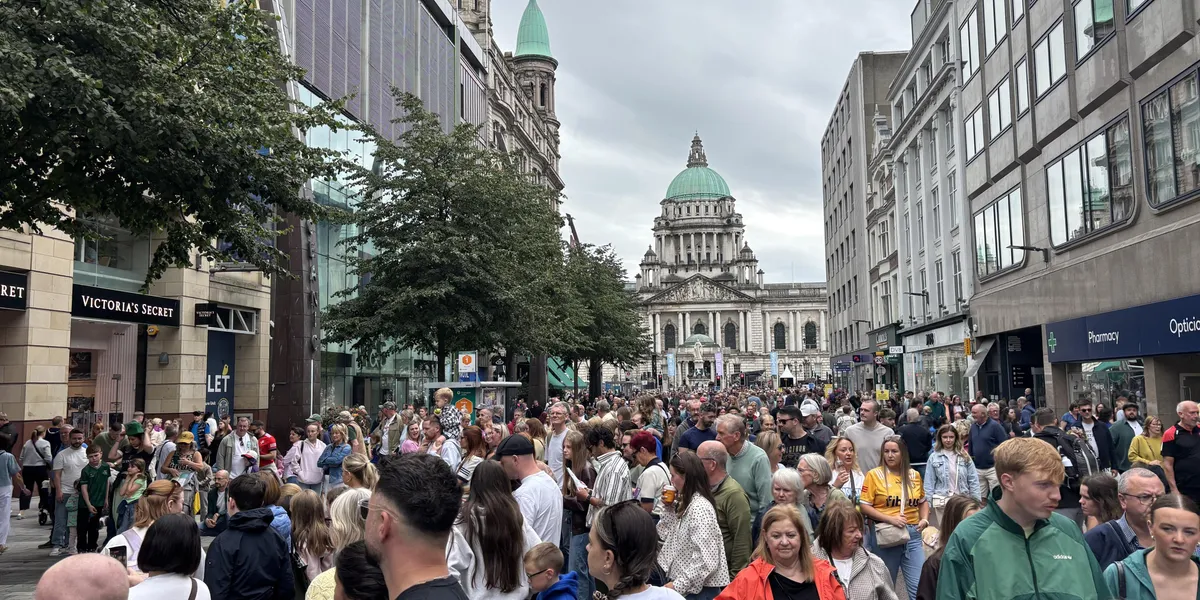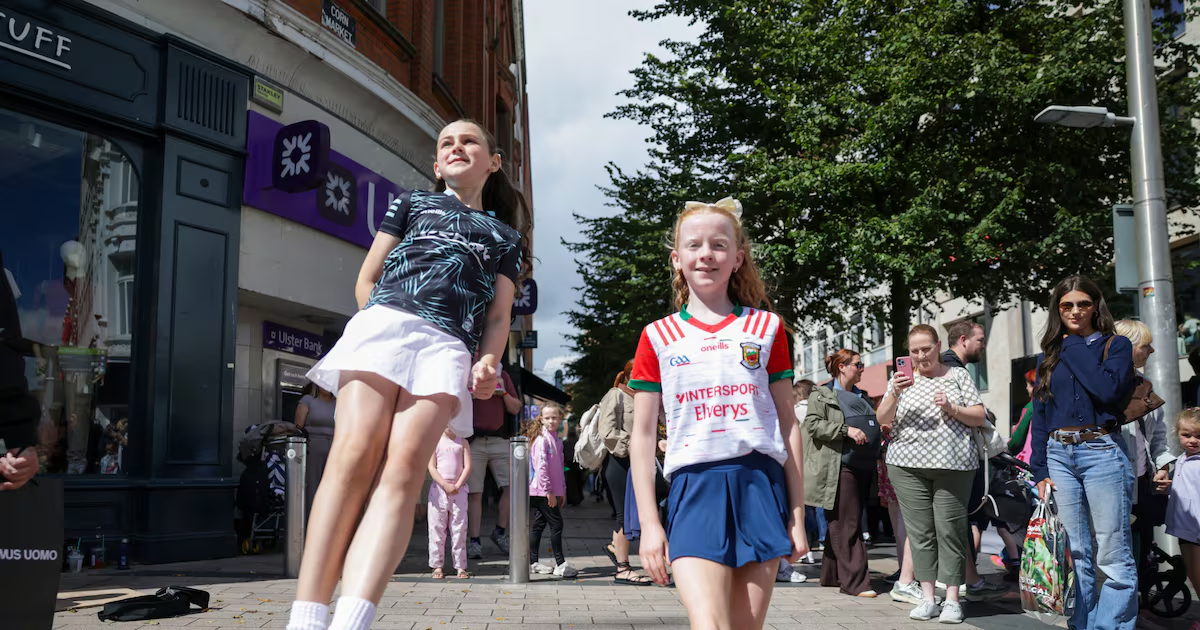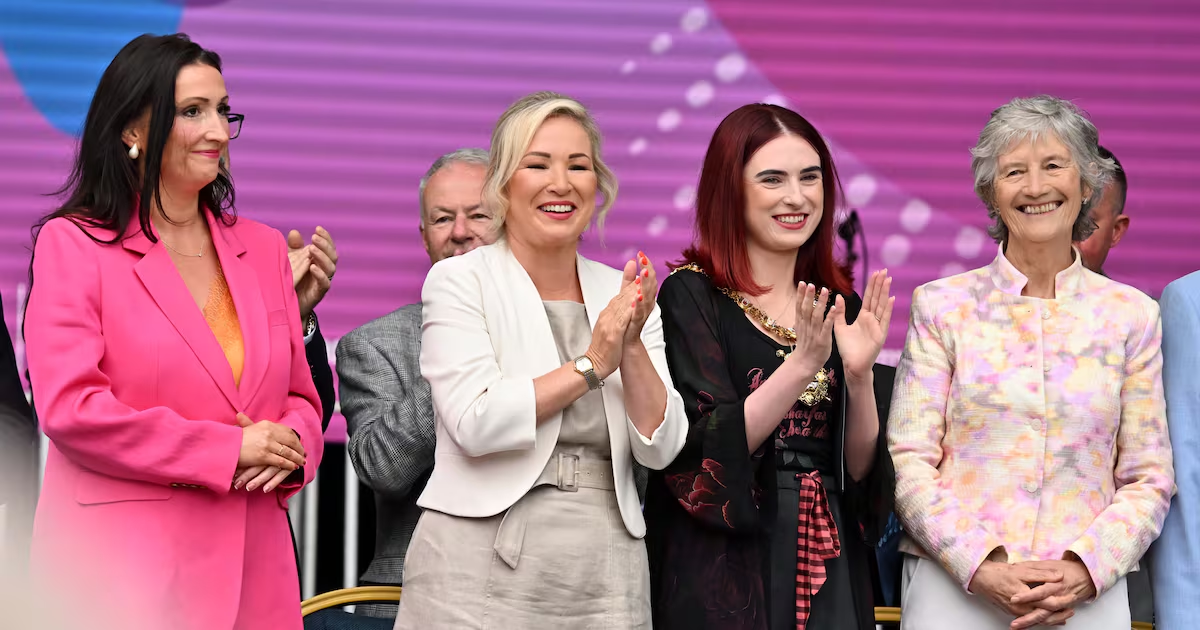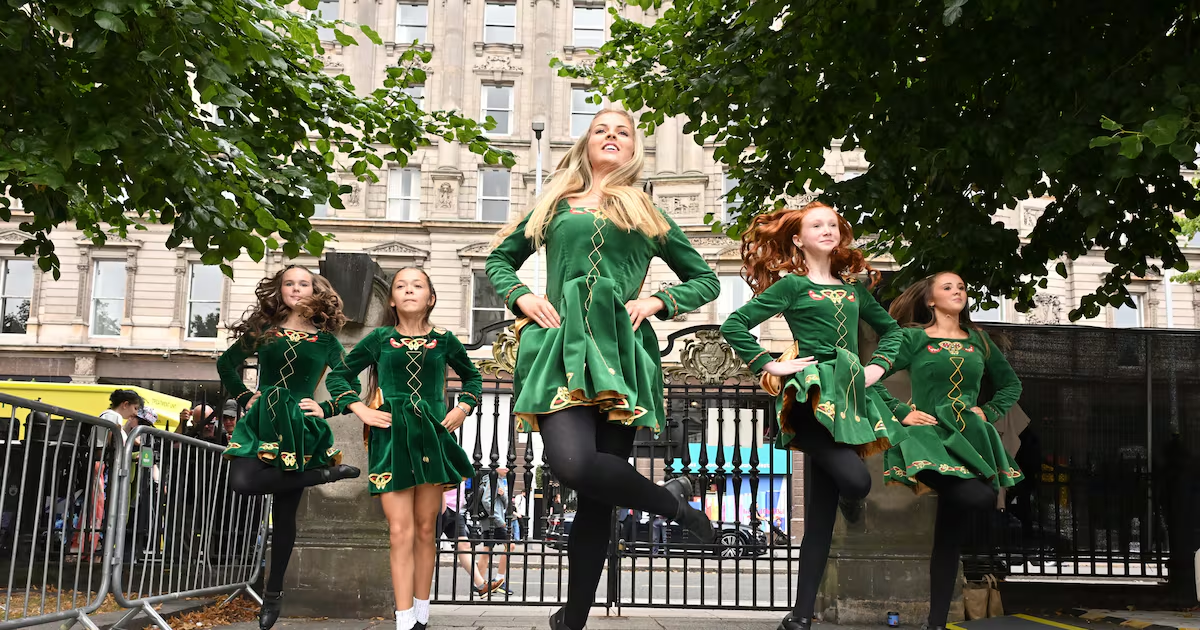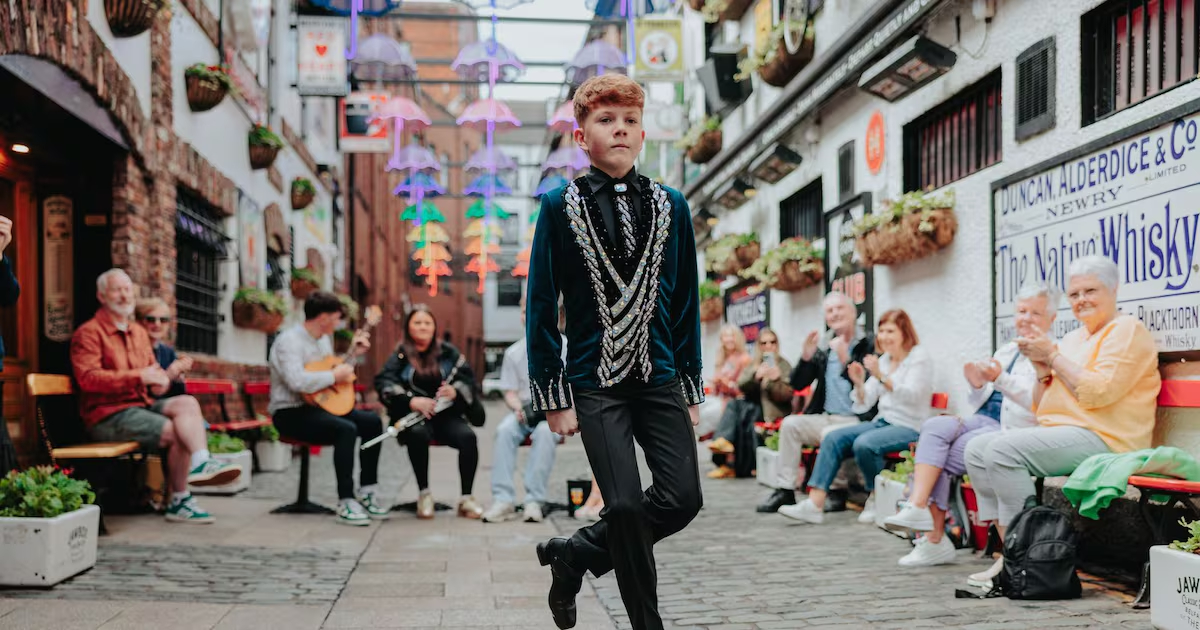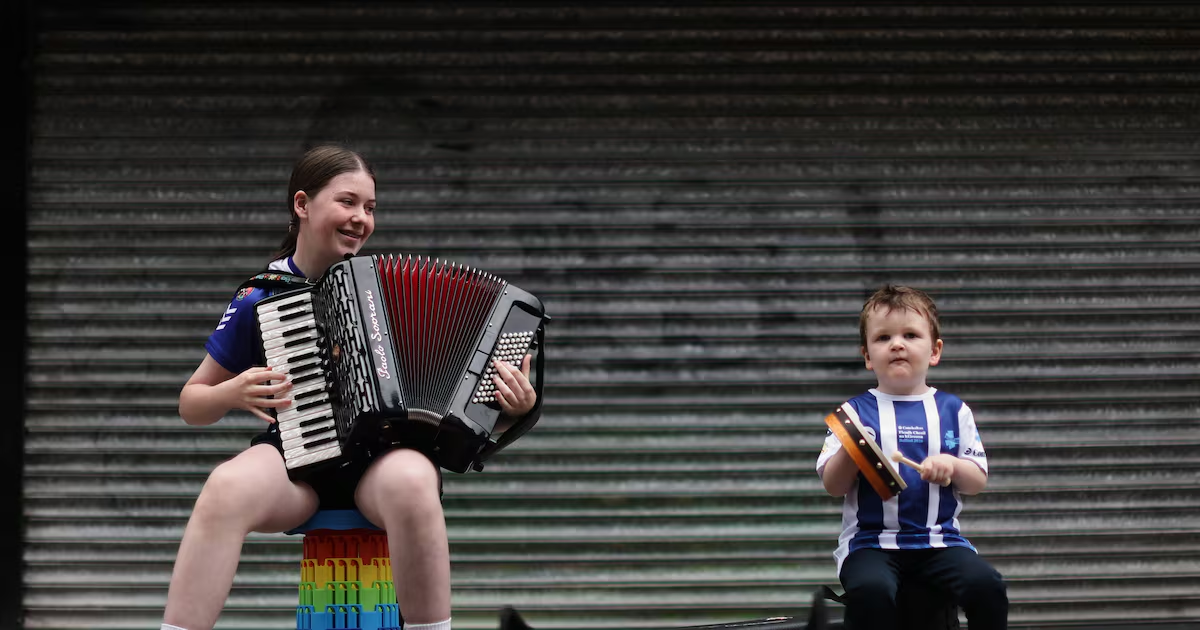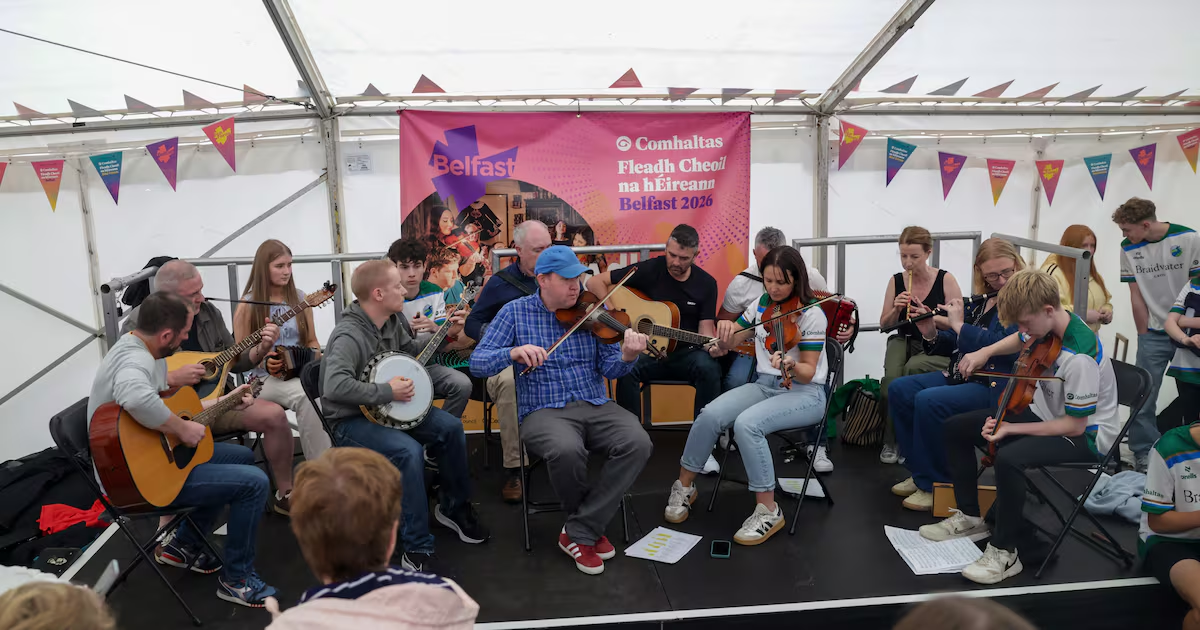
The establishment of Comhaltas Ceoltoírí Éireann in 1951 to foster the preservation and promotion of traditional Irish music, song and dance, ensured that even during difficult times economically and politically, the determination of collectors, recorders, broadcasters and musicians to champion the repository of Irish music was given real meaning. The inaugural Fleadh Cheoil was hosted by Comhaltas in Mullingar the same year. It has since developed a robust identity, prompting a revival of Irish music, fuelled by musicians, administrators and patrons and generating a distinct festival experience. This process was never without tensions, political and cultural, and concerns about control and the centrality of the music. Conflicting notions of heritage and purism sometimes balanced uneasily with change; while innovation and porosity had always been key components of traditional music, some saw its commodification as problematic. As the fleadhs became embedded, they coincided with the ballad boom of the 1960s, though the advent of the Troubles sometimes witnessed Comhaltas controversially politicised. But with the 75th anniversary of the Fleadh the focus on traditional music as a unifying force has prevailed. For the first time, the Fleadh was held this week in Belfast. It has been welcomed by many unionists and has incorporated aspects of their musical traditions. This is as it should be; as both an oral tradition and art form, the dynamism of traditional music is rooted in a community of practice that predates the political divisions that created the Border. Frank Harte, who devoted himself to the collection of Irish music, argued persuasively that traditional songs documenting local events are the unwritten history of the Irish people and represent a diversity of political views. Irish music needs to be part of any debate about identity; as the renowned button accordion player Tony MacMahon argued “it can put us in touch with ourselves in ways no other Irish art form can do. It can touch the pulse of ancestral memory, allowing us to redefine our dreams of what it is to be Irish”
The Irish Times view on the Fleadh in Belfast: the unifying power of music
Irish music needs to be part of any debate about identity
333 words~2 min read