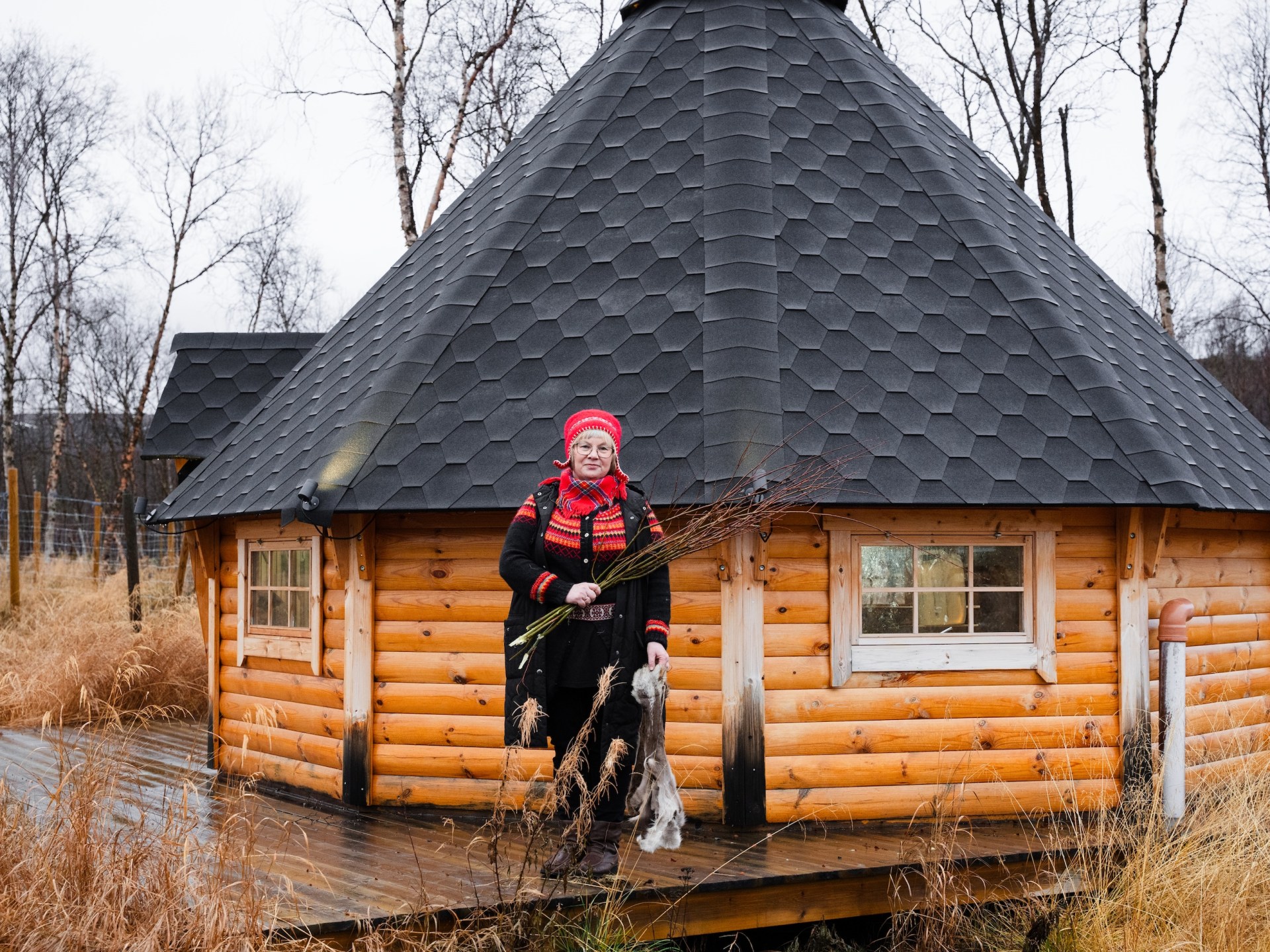
The richness of an area’s biodiversity is not only related to protection of particular species or fragments of wilderness, but also often relates to how human beings inhabit the land across long stretches of time, a new analysis argues.For instance, the home territories of Scandinavia’s Indigenous Sámi peoples reveal that their sacred natural sites frequently contain greater biodiversity, more intact vegetation, and better-preserved ecosystems than surrounding landscapes.“Sámi land use suggests that cultural traditions, local knowledge, and enduring relationships with the landscape can help sustain environments where both humans and other living beings continue to share the same living lands,” the author writes.This article is an analysis. The views expressed are those of the author, not necessarily of Mongabay.
Modern conservation is often traced to the establishment of Yellowstone National Park in the U.S. in 1872. In Sweden, a similar milestone came with the founding of Sarek National Park in 1909, partly intended to protect the endangered brown bear of the far north. Yet, long before states established national parks and environmental agencies, people across the world protected landscapes through religion, customary law, and Indigenous stewardship.