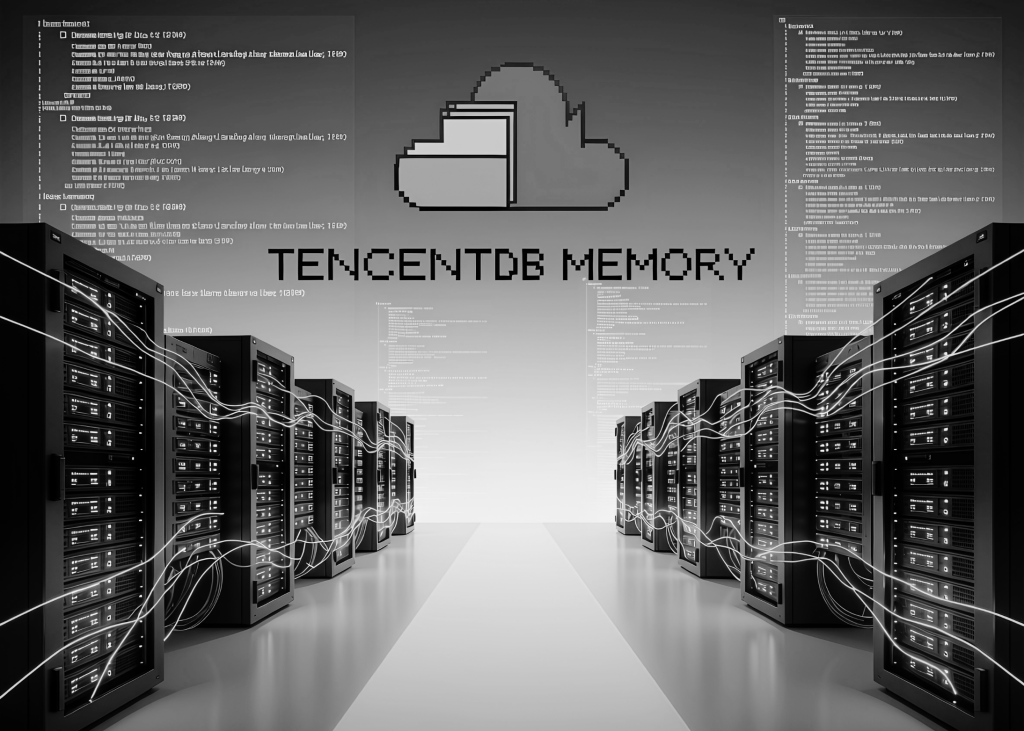
A VB Pulse survey this June found that 57% of enterprises had traced a confidently wrong agent answer back to missing or inconsistent context — the latest sign of how central context has become to whether AI agents can be trusted to act on their own.Most of the fixes so far have solved a narrower version of that problem: one agent remembering more, in one session. What's been missing is a way for a team of agents to draw on the same context at once, and that gap is where a newer problem is surfacing. Once an agent's context is shared across a whole team, a wrong fact doesn't cost one person a repeated explanation. It costs the whole team.Tencent's answer to that gap is Agent Memory, an open-source project the team said grew out of six months spent fixing a narrower problem: agents losing context in long sessions. Part of that system is a persona layer, a stable, distilled picture of who a user is and how they work, built up over many conversations rather than reconstructed each time. On Tencent's own benchmark for whether an agent still applies that picture correctly after extended use, accuracy rose from 48% to 76%, a 59% relative improvement, once the persona layer was added. This week, Tencent extended that project with the beta launch of Team Memory, which opens the same approach up to a whole team instead of one agent. Tencent said the repo hit No. 1 on GitHub's TypeScript trending list this week.Agents on a team can now read from a shared memory hub instead of keeping separate, siloed context, governed through an access control layer that determines who can read what.What Team Memory actually doesThe core idea is a shared hub rather than a shared prompt. Instead of pasting one large context block into every agent's window, Team Memory registers four kinds of reusable assets and equips each agent with only the ones it needs.Chat Memory. Retains preferences, facts, decisions, and interaction history, distilled through four layers, from raw conversation up to a stable long-term persona, so an agent does not need to be reintroduced to a user it has already worked with.Skill. Captures procedures pulled from completed work, versioned and reviewed before they are shared rather than dropped into a folder as-is.LLM-Wiki. Turns documents and specs into structured, linked pages.Code-Graph. Indexes a codebase's symbols, files, and call relationships so an agent can check what a change might affect before making it.Tencent's documentation draws the distinction directly: "RAG answers 'what can be found?' Team Memory also answers 'who can use it, which version is valid, and which Agent should receive it.'"
Tencent Team Memory: shared AI memory, no error fix | VentureBeat
Tencent's Team Memory gives AI agents shared access to chat history, code, and docs. Practitioners are asking how it handles a wrong or conflicting fact.
1,209 words~5 min read