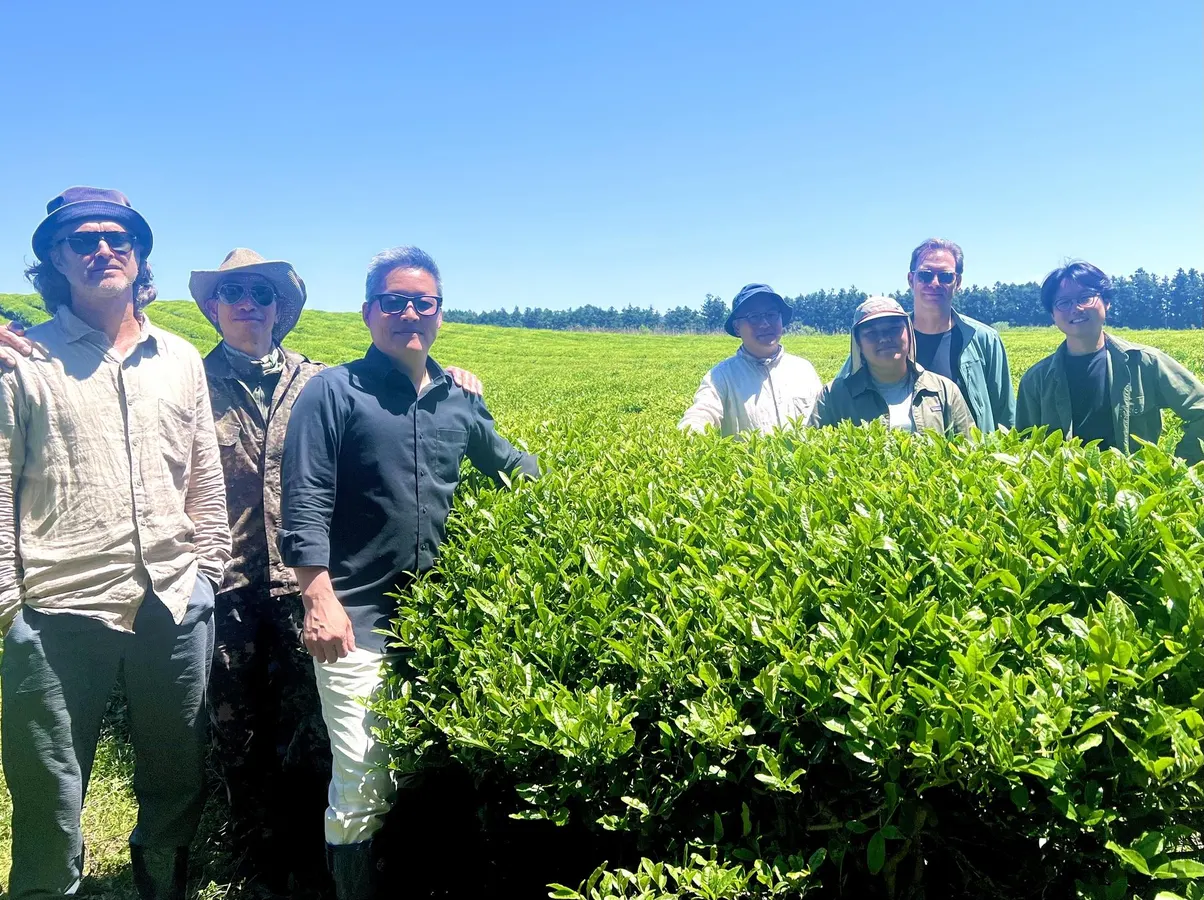
When Michael Ham first began handing out samples of his company’s tea to Whole Foods shoppers in 2024, explaining that it was grown using regenerative farming on South Korea’s Jeju Island, he was often met with blank stares.
That didn’t last long. By the following year, “People were coming up saying, ‘Oh, you’re regenerative!’” says the co-founder and president of Westchester, New York-based Wild Orchard Tea Company.
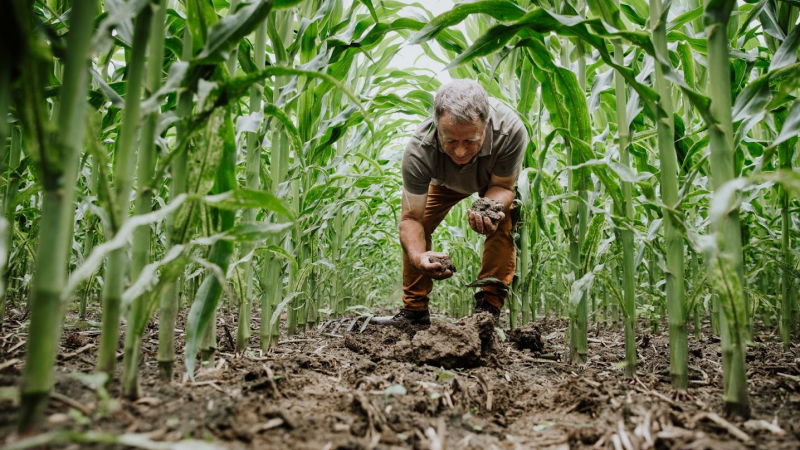
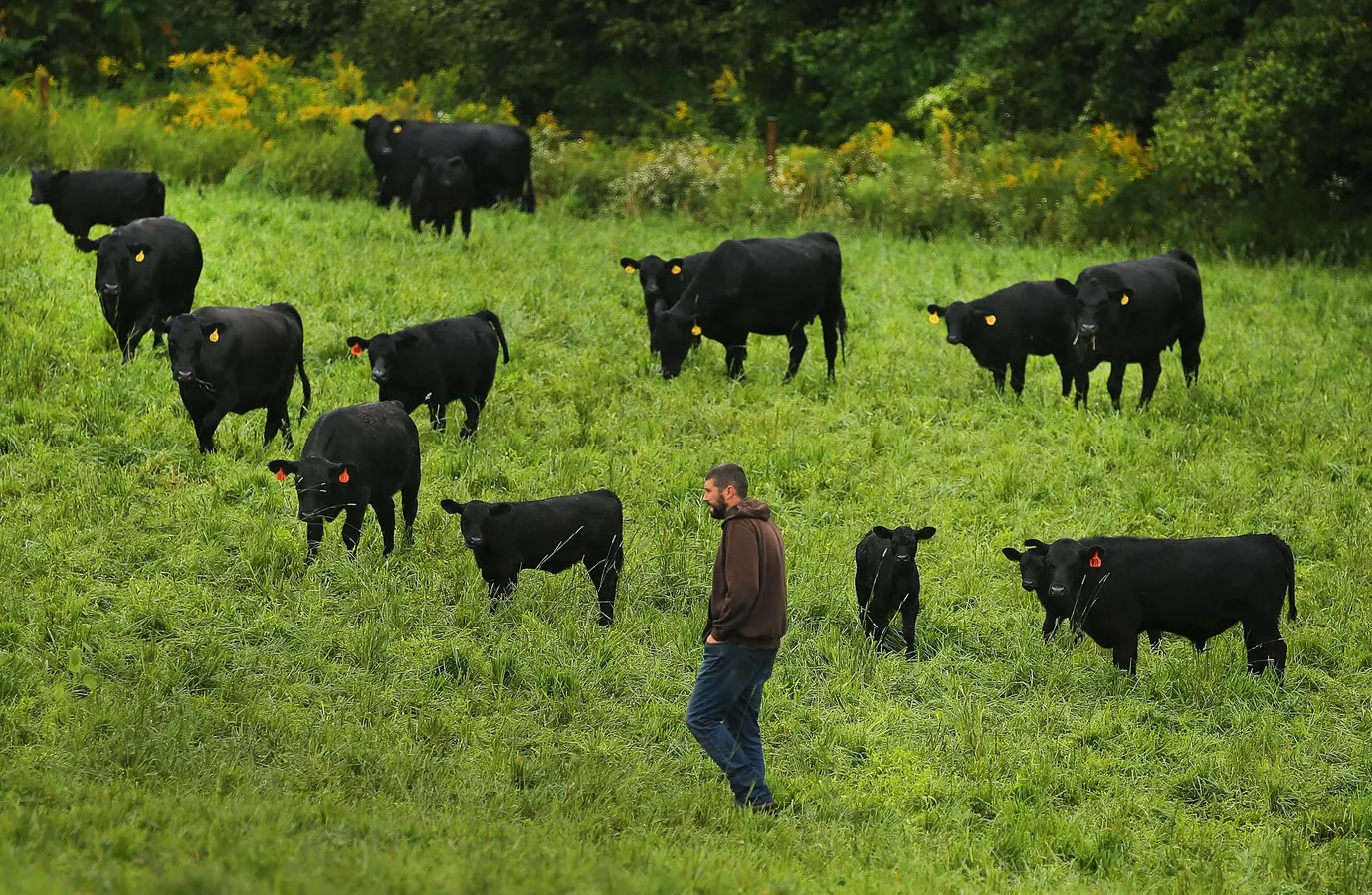
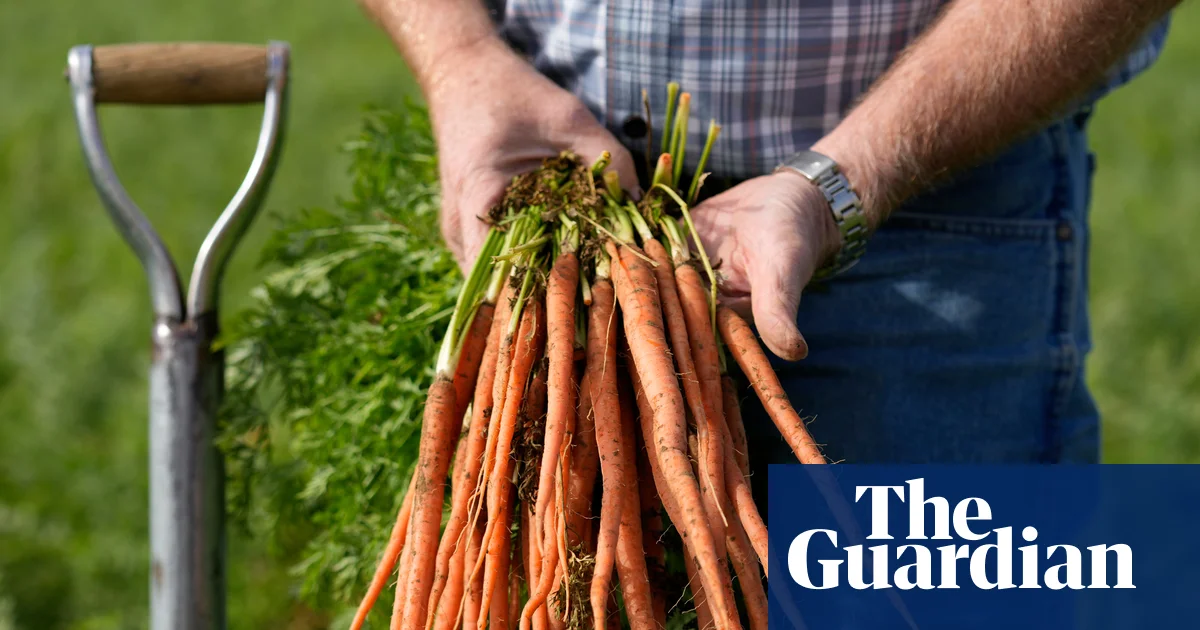
Regenerative agriculture, an approach to farming that aims to improve soil health through practices like reduced use of pesticides and plowing, is having a moment. Championed by the Make America Healthy Again (MAHA) movement and propelled by increasingly health-conscious consumers, regenerative products now generate some $2 billion a year in retail sales, and some in the industry are positioning the fast-growing category as the next organic.
Big food producers and retailers like Nestlé SA, PepsiCo Inc, General Mills Inc and Walmart Inc have made regenerative agriculture commitments, often as part of ESG goals. And late last year agencies including the US Department of Agriculture announced a $700 million pilot program to support regenerative agriculture projects on farms.