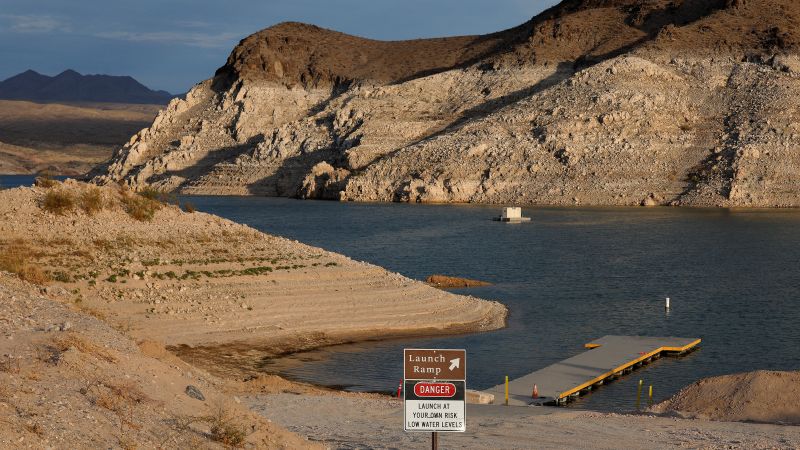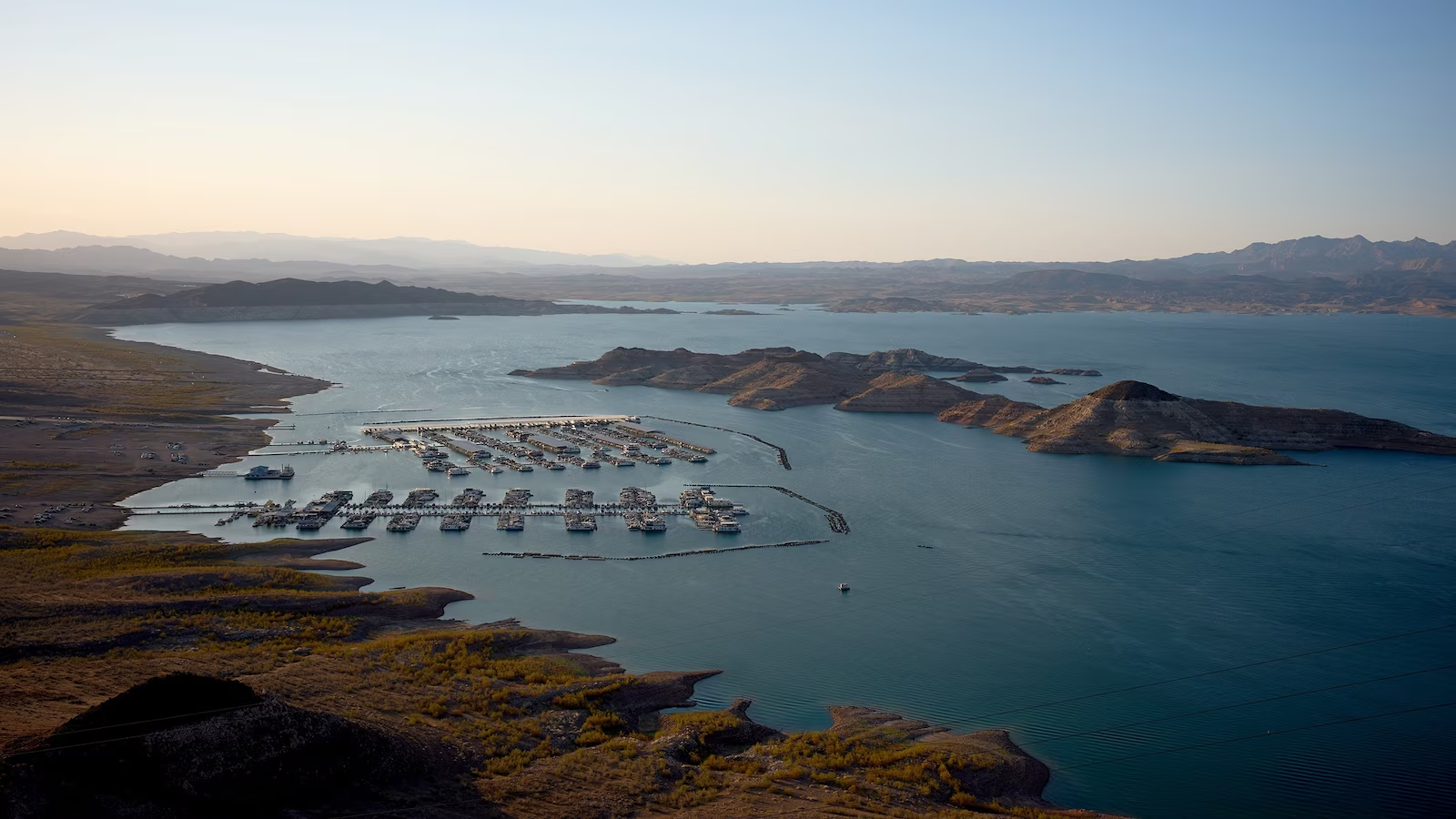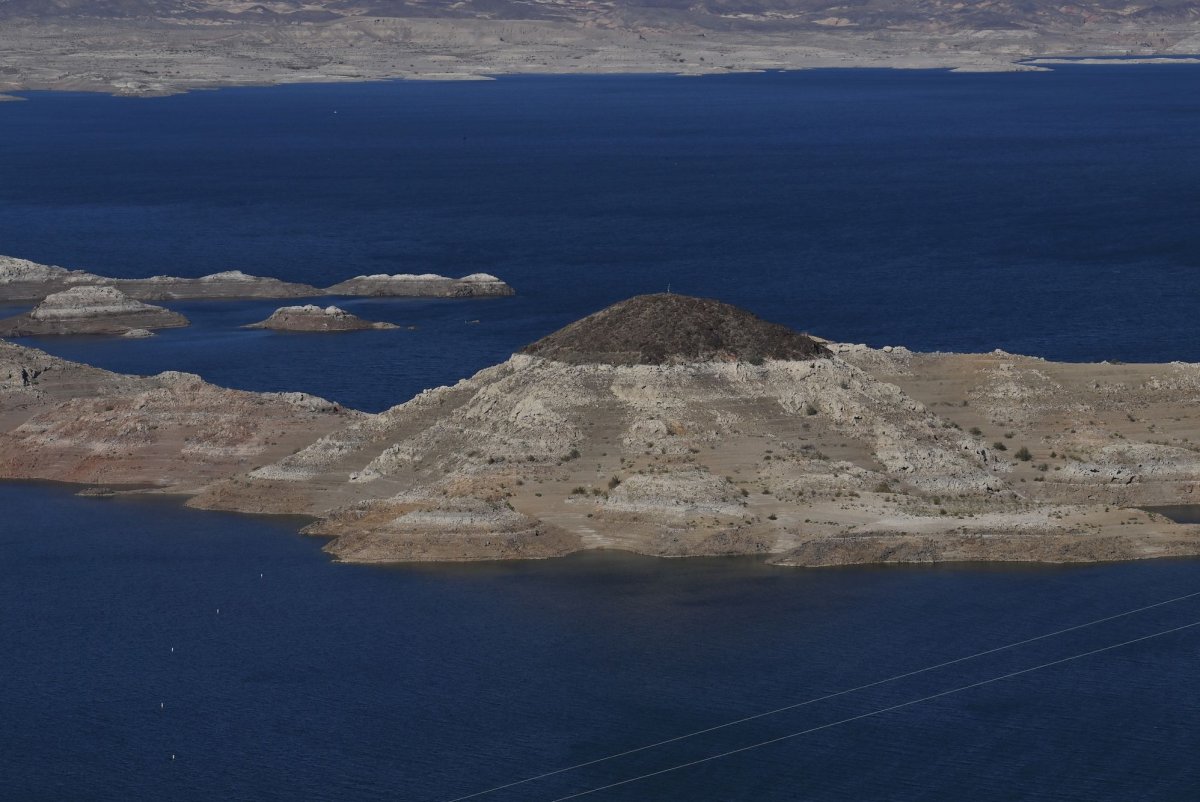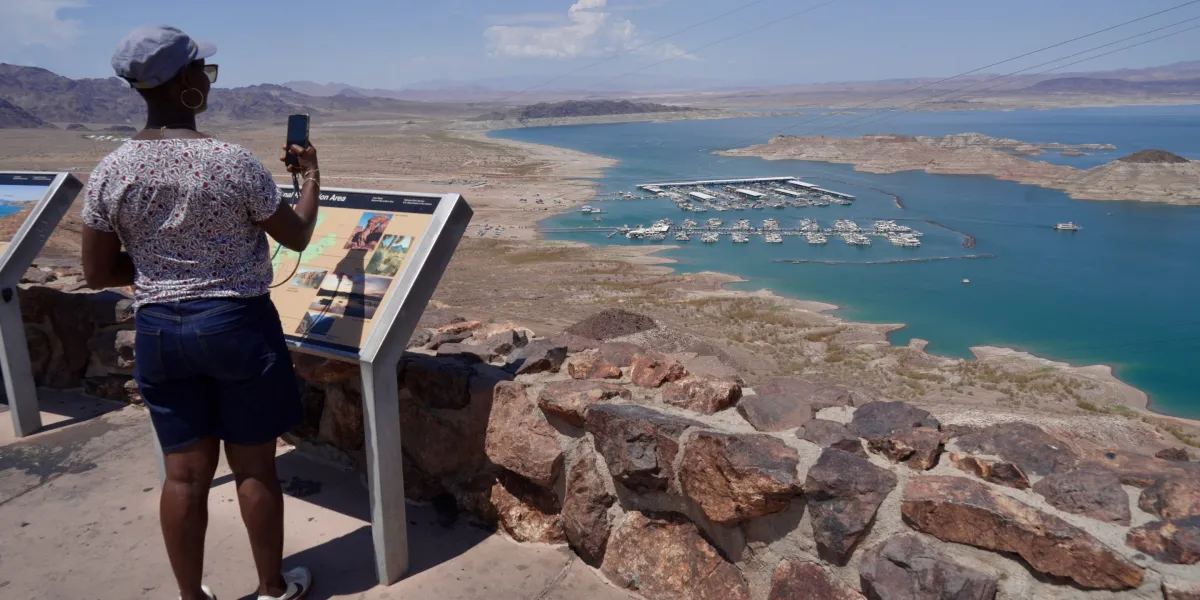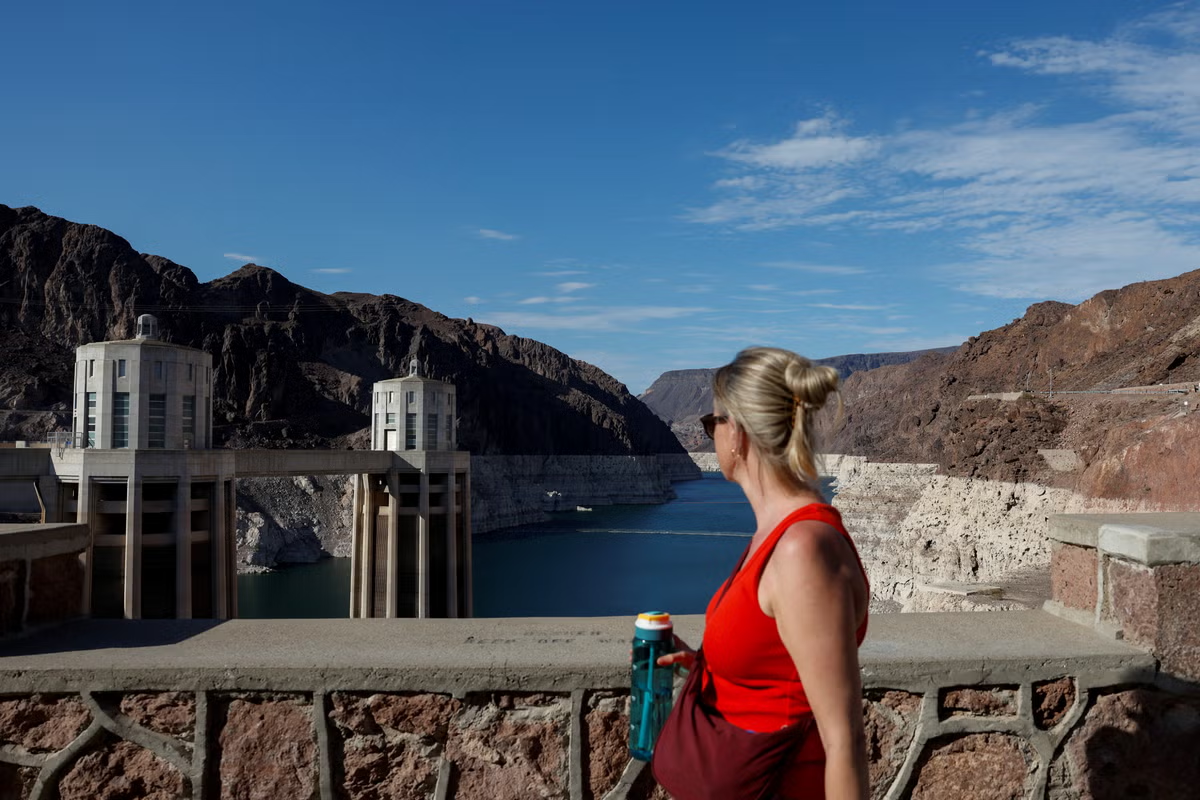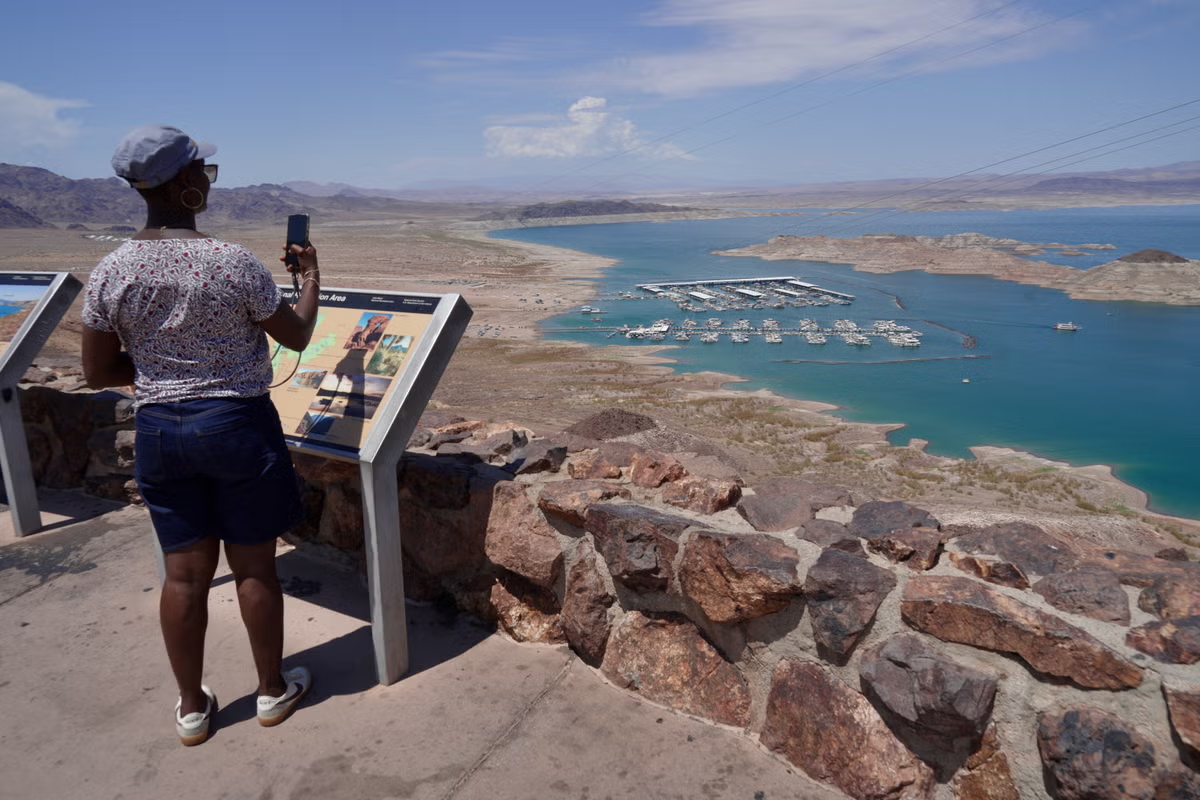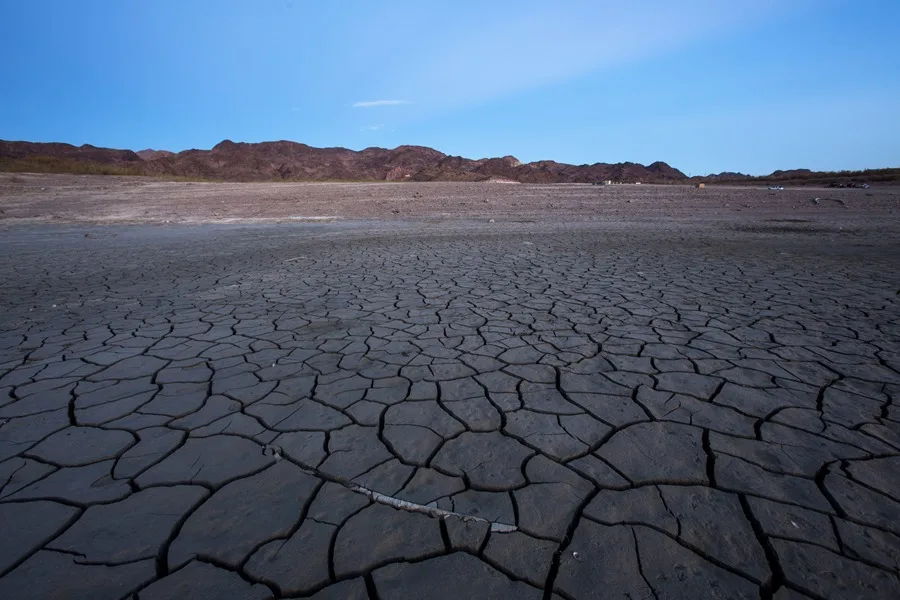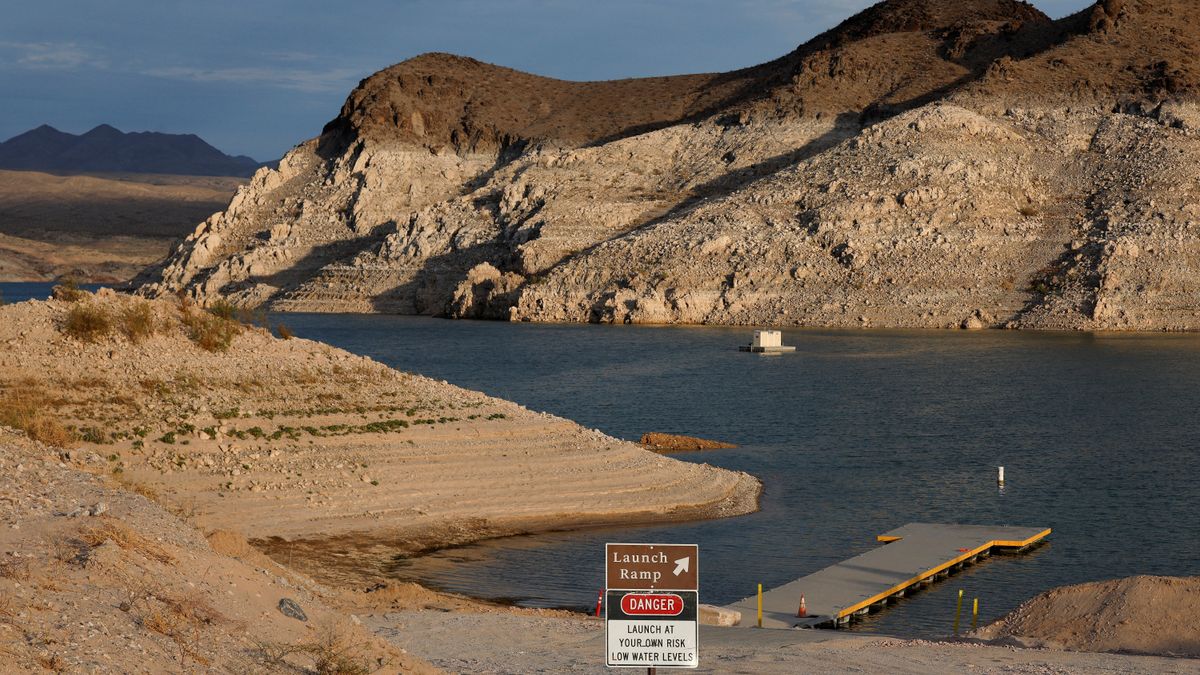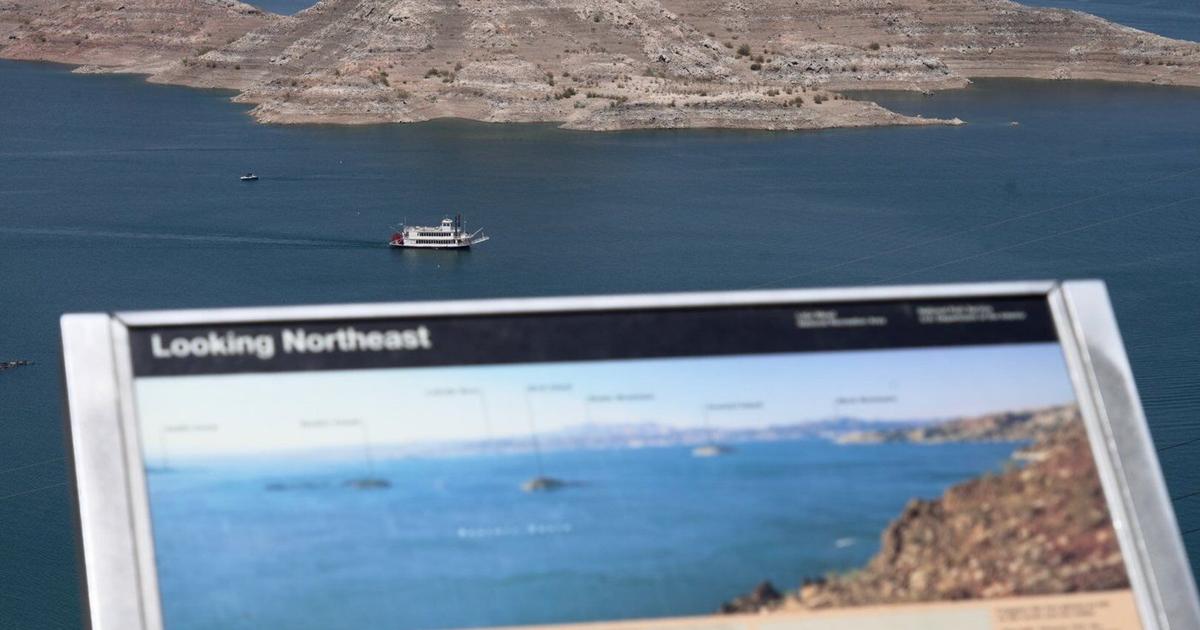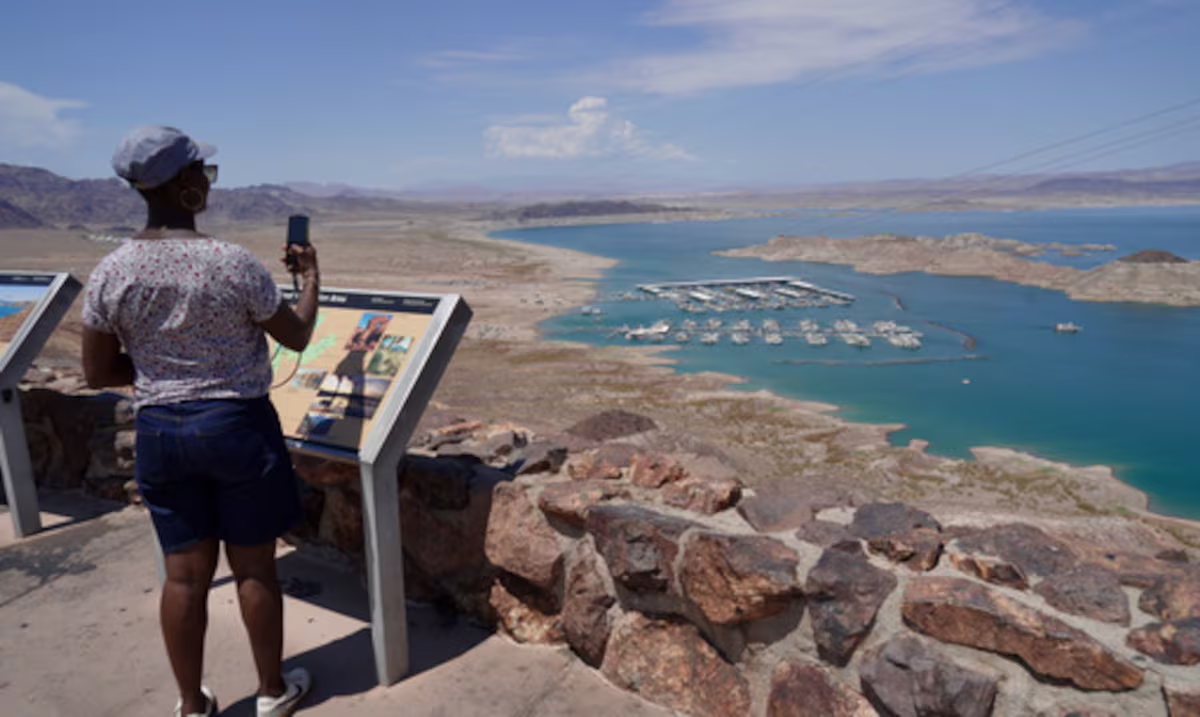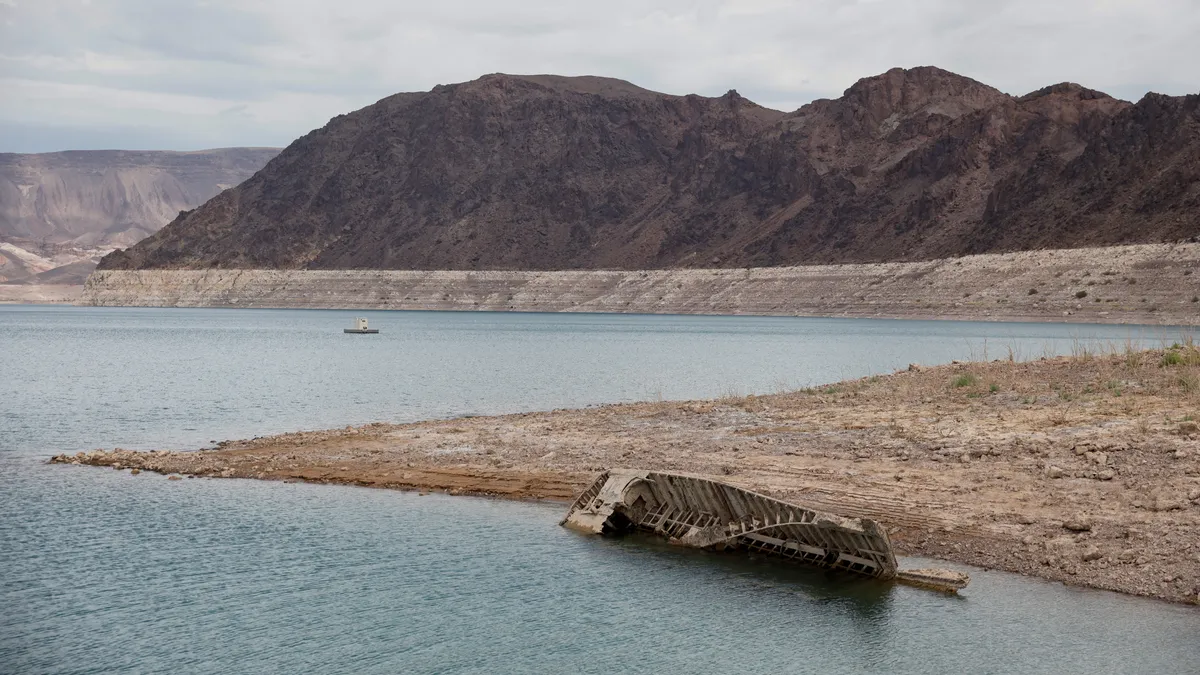
The record-low level recorded at Lake Mead comes days after federal authorities released a plan to deal with water shortages.Show Caption
The United States' largest reservoir, Lake Mead, has reached its lowest level on record as the drought-stricken West faces a growing water crisis.Lake Mead dropped to a new record-low elevation on Aug. 7, reaching 1,040.5 feet.The lake elevation level has fallen every day since July 31, according to data from the Bureau of Reclamation. Elevation levels in the lake have been tracked since officials first began filling the reservoir in the 1930s. The lake hit its previous modern record-low level of 1,040.58 feet on July 28, 2022. That was the lowest since July 24, 1937, when it was being filled. The last time Lake Mead was near this low in 2022, Sen. Mark Kelly, D-Ariz., warned of "drastic consequences for Arizona and other Colorado Basin states." If levels at key reservoirs drop further, consequences could include the loss of hydropower generation and even to "dead pool" conditions, where no water would flow out of Lake Mead. Lake Mead is the source of drinking water for some 25 million people, of a total of about 40 million served by the Colorado River Basin. The river also supplies water for some 5 million acres of agricultural land.Climatologists and other water-supply experts say the current long-term drought is being exacerbated by climate change, which is altering how much water falls on the Rocky Mountains as snow before melting into the Colorado River.The Colorado River Basin, which serves seven Western states' and two northern Mexican states' water needs, has been experiencing drought for two decades, depleting water levels in the reservoirs, especially notable at Lake Powell in the upper basin and Lake Mead in the lower basin.The seven states – Arizona, California, Colorado, Nevada, New Mexico, Utah and Wyoming – depend on the river for water supply for agriculture and drinking water, production of hydropower, recreation, and fish and wildlife habitat.Water enters the 1,400-mile-long Colorado River as rain, snow melt and runoff from the Rocky Mountains and flows through the Grand Canyon, down to Lake Powell, the second-largest reservoir. Drought has led to decreased snowpack and water flowing into the river. Water is released downstream from Lake Powell to end up in Lake Mead, where it is distributed to lower basin states.Because the river and its reservoirs are insufficient to meet water demand, groundwater has been extracted from aquifers, which have been losing water at an increasing rate, according to NASA. Since 2002, the reservoirs and the aquifers have lost a combined 13.7 trillion gallons of water, according to recent NASA estimates.Worsening crisis follows years of tug-of-war over water rightsThe record-low level recorded at Lake Mead comes days after federal authorities released a plan to deal with water shortages, which includes cuts to the amount of water that can be drawn by states in the Colorado River's lower basin, including Arizona, California and Nevada.Officials in the seven western states have been battling over the Colorado River’s water for more than a century, particularly as the West's increasing population has demanded more water at a time of persistent drought.The federal government issued a 10-year management plan and environmental impact statement to address water shortages in the Colorado River and is planning to release additional details in the coming days. That plan calls for significant water-use cuts by California, Arizona and Nevada, and voluntary reductions by Colorado, Wyoming, New Mexico and Utah.Arizona officials were alarmed at the cuts federal officials are calling for in the three states in the river’s lower basin, the Arizona Republic has reported. The state’s water resources director, Tom Buschatzke, has said his team continues to negotiate with the other six states and federal decisionmakers.Because of extended drought, the combined water volume of Lake Mead and Lake Powell hasn't been this low since before Lake Powell began to fill in 1963, according to the Department of Interior. The department’s letter introducing the environmental impact document states that the “risk to the system has never been greater.”Las Vegas cuts water usage as supply dwindlesWater users in the Las Vegas area have cut demand dramatically over the past 20 years, reducing per capita use by 58% even as the population grew by 876,000 people, according to the water authority.In 2022, the Southern Nevada Water Authority completed work on a project to ensure that it could still pump drinking water from Lake Mead to serve the Las Vegas area when water levels are low. Launched in 2008, the effort includes both a new low-level water intake closer to the lake’s bottom and a pumping station to lift that water back up 500 feet.The water district has been paying residents to rip out their thirsty grass and replace it with landscaping or trees, banned most new commercial fountains and water features, and limited the amount of water golf courses may use.More than 250 million square feet of grass – the equivalent of nine square miles – has been removed, and authorities have helped residents buy an estimated 45,000 removable swimming pool covers, saving at least 5.6 billion gallons from evaporating in the desert heat.