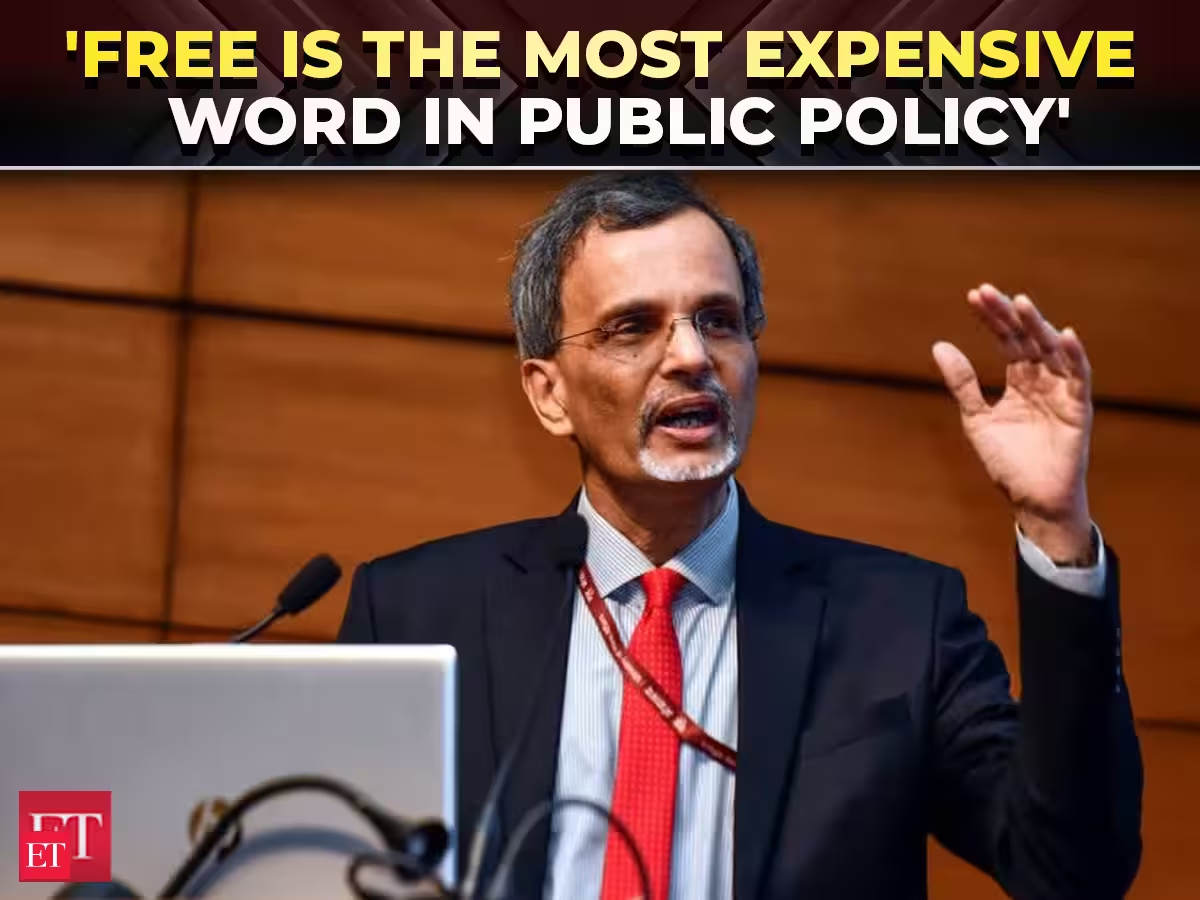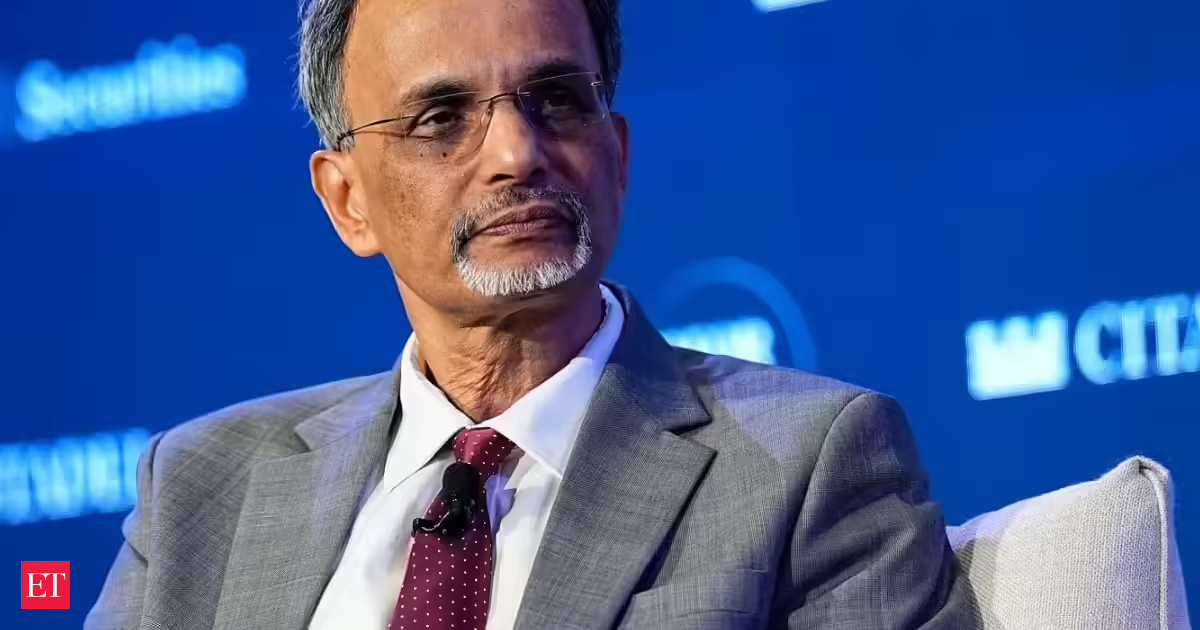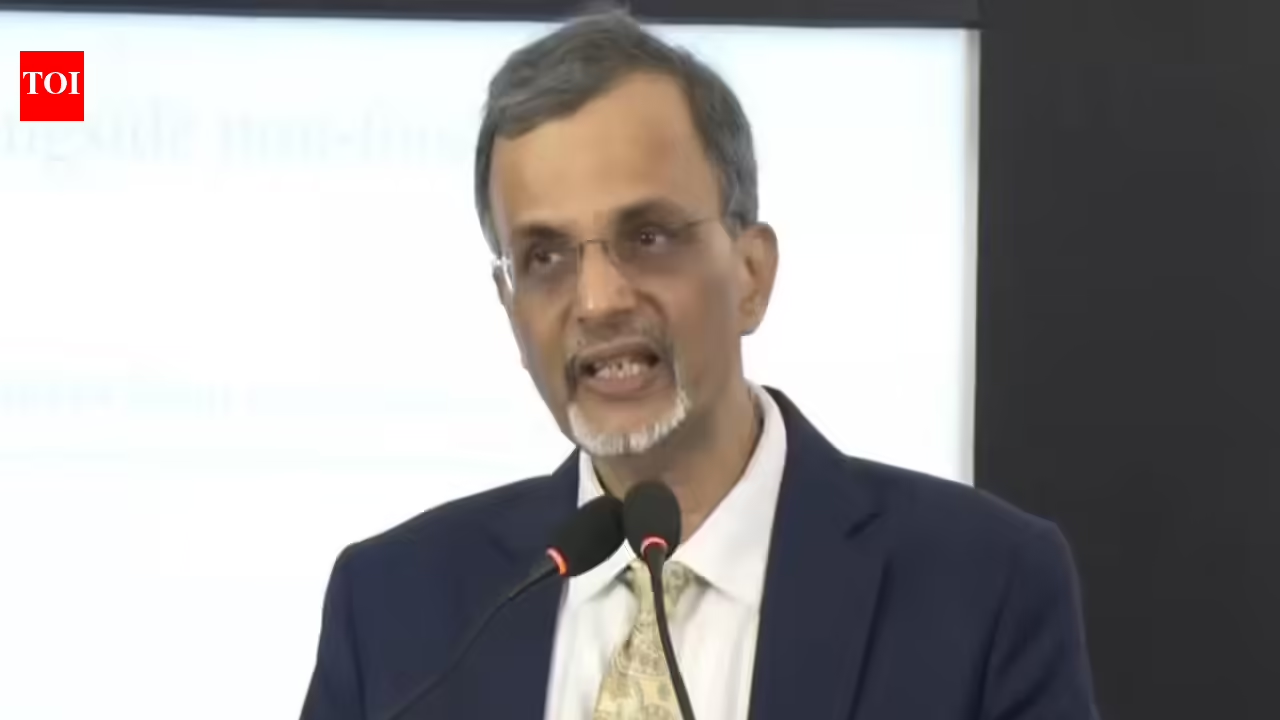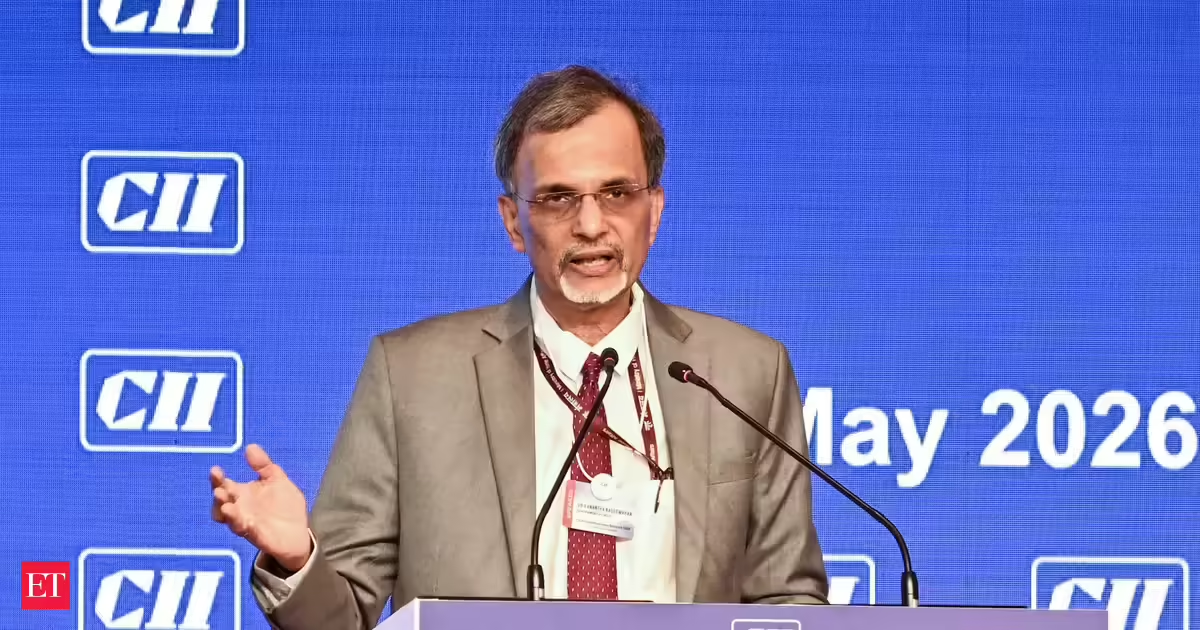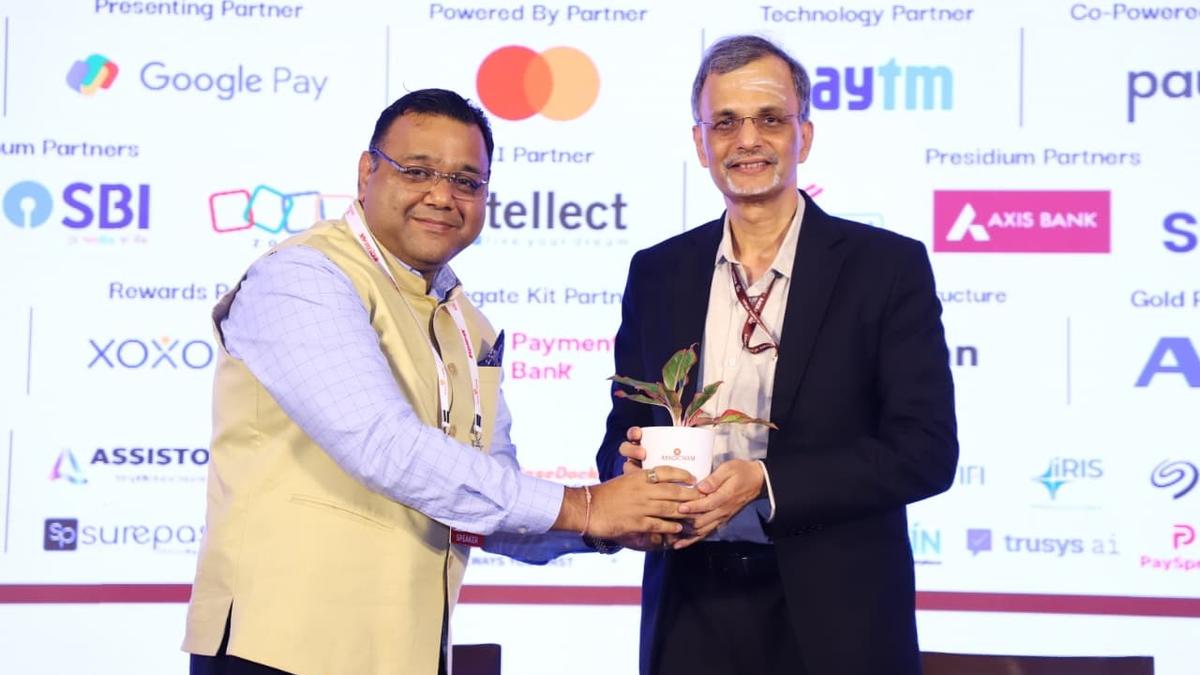
V. Anantha Nageswaran, Chief Economic Adviser, at the Assocham FinTech event in New Delhi
India’s ability to sustain high economic growth while bringing down public debt and fiscal deficit reflects a significant improvement in the economy’s supply-side potential, even as the country faces a more challenging global environment over the next two decades, Chief Economic Adviser V Anantha Nageswaran said.Speaking at an Assocham FinTech event, Nageswaran said the Indian economy had demonstrated resilience despite facing a series of major external shocks over the past decade, including the Covid-19 pandemic, the Russia-Ukraine war, the energy shock, supply chain disruptions, tariffs and geopolitical conflicts.Besides, Nageswaran said the government inherited an economy facing balance-sheet stress in the corporate and banking sectors, along with high fiscal and current account deficits.The subsequent years, he pointed out were focused on repairing these balance sheets while undertaking structural reforms such as the Goods and Services Tax and the Insolvency and Bankruptcy Code.Infrastructure spending also began to increase from 2018-19, he said.However, even as corporate and banking-sector balance sheets were being repaired, the economy faced problems in housing finance and non-banking finance in 2018-19 and 2019-20, followed by Covid-19, the Russia-Ukraine war and the energy shock.“Every year or two, there has been some major exogenous shock,” Nageswaran said.Despite these disruptions, India has been among the few economies to sustain real growth of around 7 per cent in the post-Covid period, he said.Furthermore, Nageswaran cited the decline in the fiscal deficit, which has fallen from 9.2 per cent to 4.4 per cent, while noting that India was among a small number of countries that had also reduced their public debt ratio during the post-Covid period.Accordingly, the CEA said the enhancement in the economy’s supply-side potential was a significant achievement.He said the sustained growth had been accompanied by a decline in average inflation, with India’s inflation rate increasingly converging towards the developed-world average of around 3-4 per cent.Additionally, Nageswaran said the focus over the next two decades should be on harnessing India’s demographic dividend, particularly through skilling, education, and greater attention to physical and mental health.He identified agriculture and state capacity, including the ability to take decisions faster, as areas requiring greater attention.Financial sectorOn the financial sector, Nageswaran said finance should be viewed as an enabling sector rather than the key driver of economic activity.According to him, fintech companies, which generally operate with smaller capital bases than well-capitalised banks, can make a difference particularly in sectors such as small and medium enterprises, self-employed businesses and retail finance.Nevertheless, he said the government should not sit in judgment over whether FinTech companies were allocating capital in the most productive manner, as this should be determined by market participants.Nageswaran also cautioned against making the expansion of financial-sector activity as a multiple of gross domestic product a policy objective.He said financial-sector activity should follow the growth of the underlying economy, warning that excessive financialisation could give the financial sector greater importance than the real economy.“We just have to make sure that the regulatory environment is predictable, stable, consistent, and doesn’t stand in the way of legitimate economic activity and financial sector growth,” he said.On cross-border payments, Nageswaran said the growth of merchandise and services trade between countries would ultimately drive greater use of respective currencies and cross-border payment systems.Notably, he said policymakers should focus on preparing the regulatory and technological framework, while facilitating greater trade in goods and services.AI impactOn artificial intelligence, Nageswaran said the focus should be on safety and security, particularly in the financial sector.He cautioned that artificial intelligence should not become a tool for exclusion and said humans should remain in the loop as the technology develops.In addition, Nageswaran said the next 20 years would not resemble the previous three decades since the economic reforms of 1991.“We are going through structural breaks in many areas — climate, technology and geopolitics and supply chain weaponisation,” he said.He added that both the private and public sectors would need to “up our game substantially” over the next two decades as the global economic environment becomes more challenging.Published on August 7, 2026