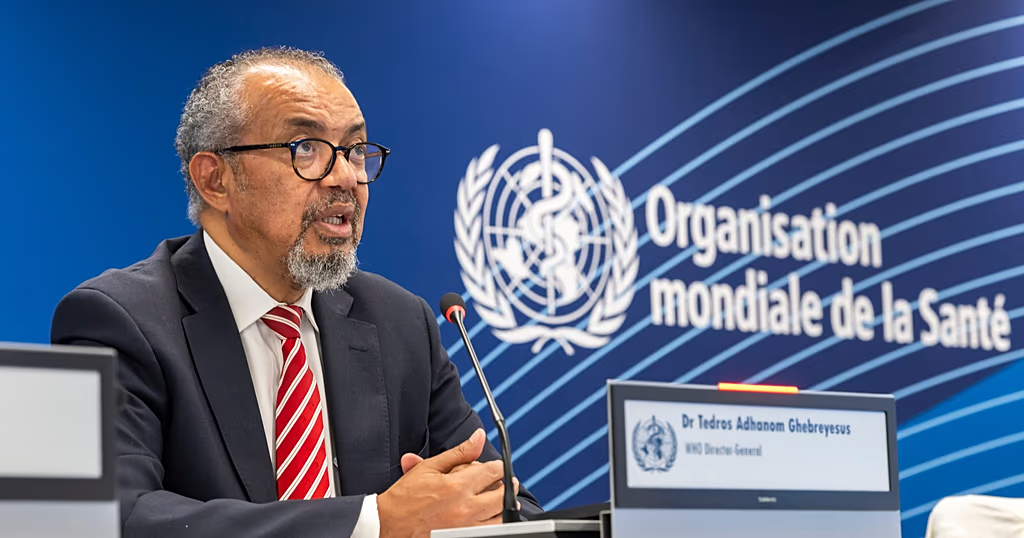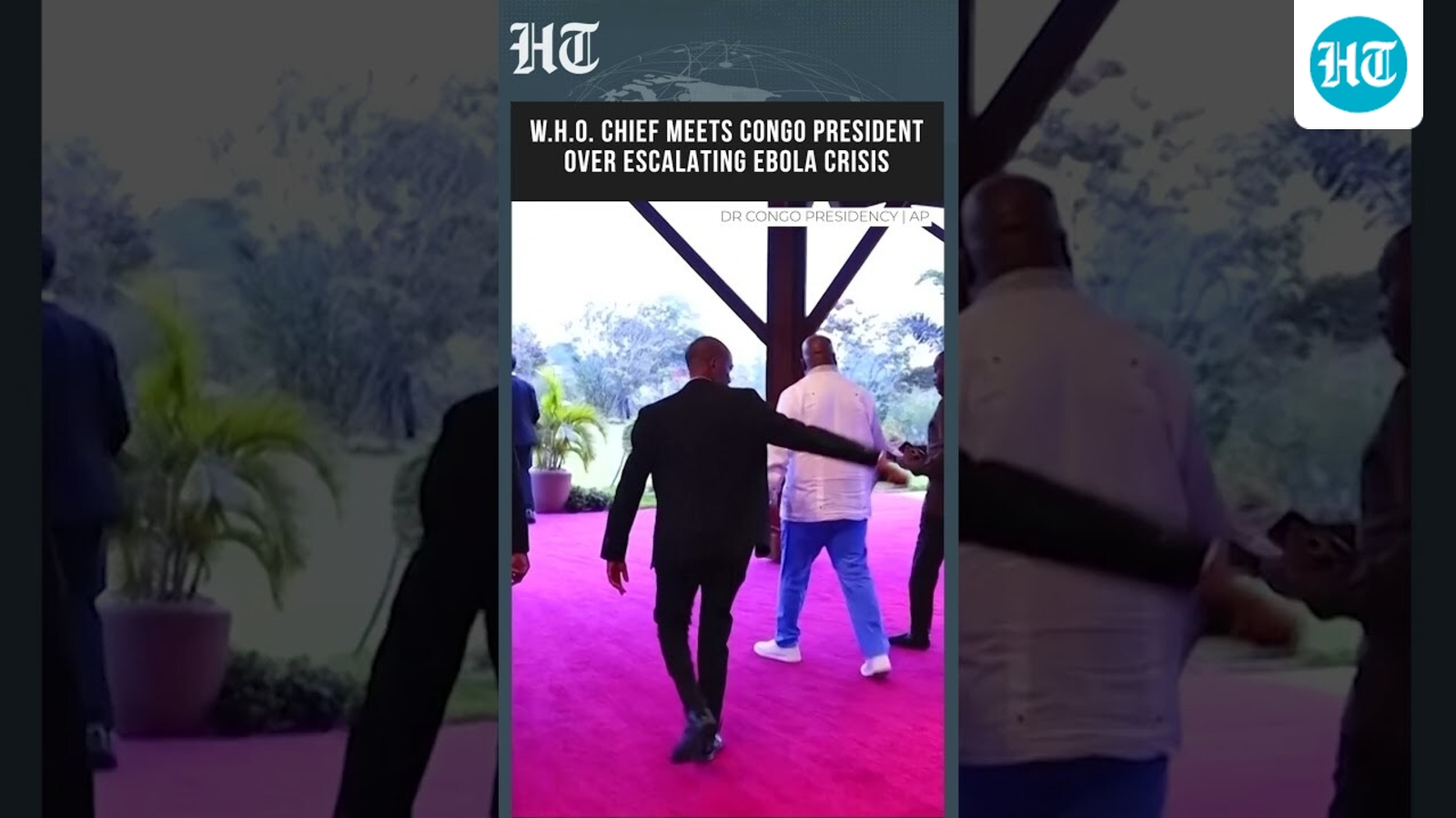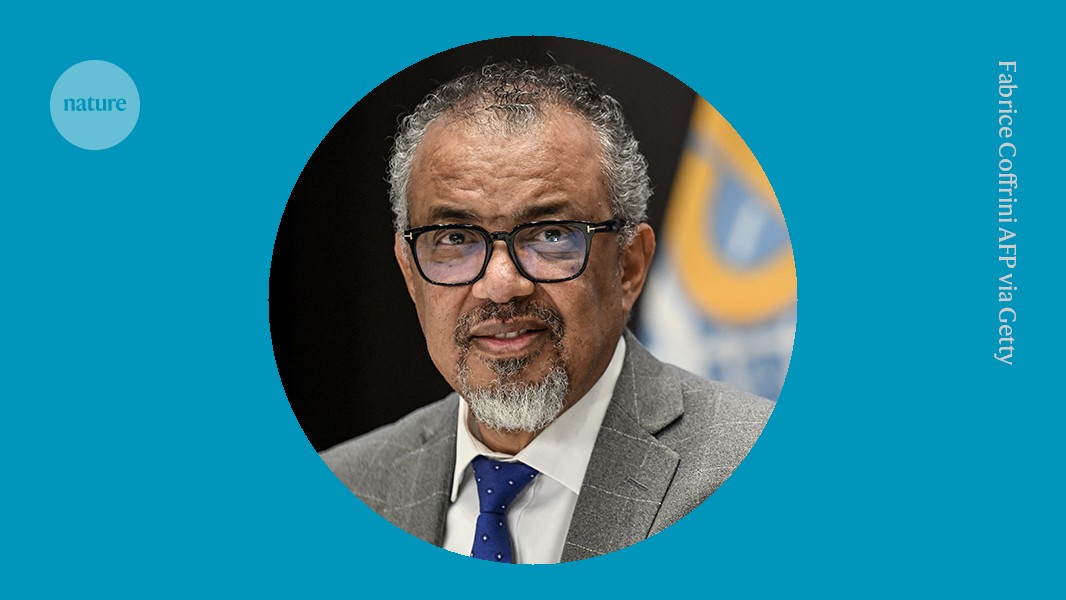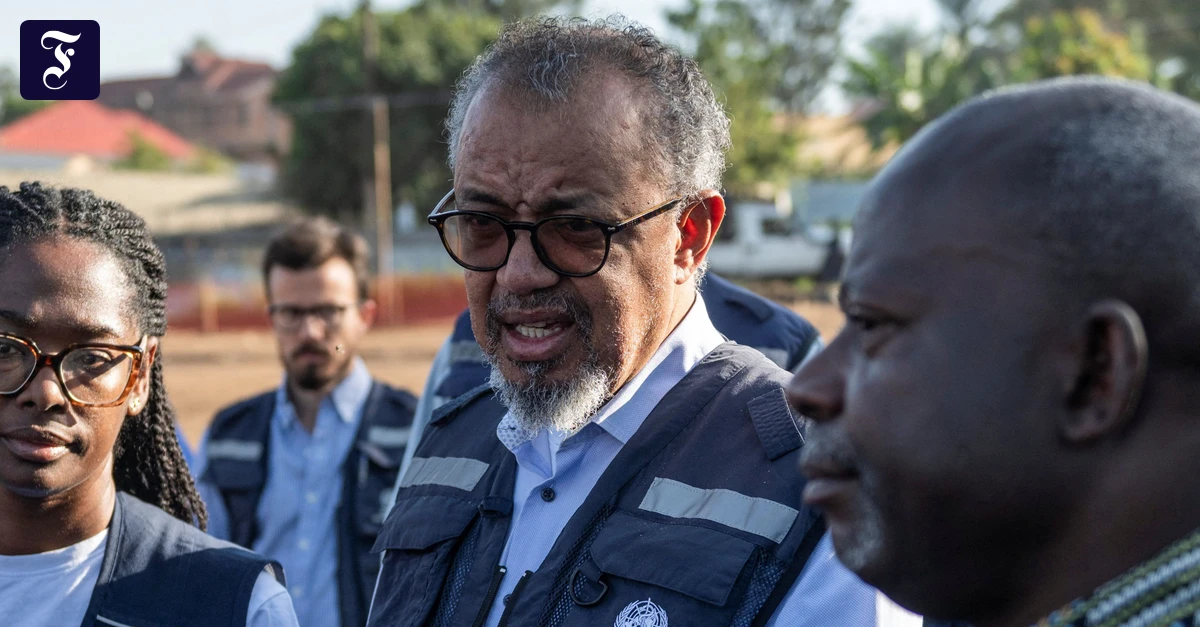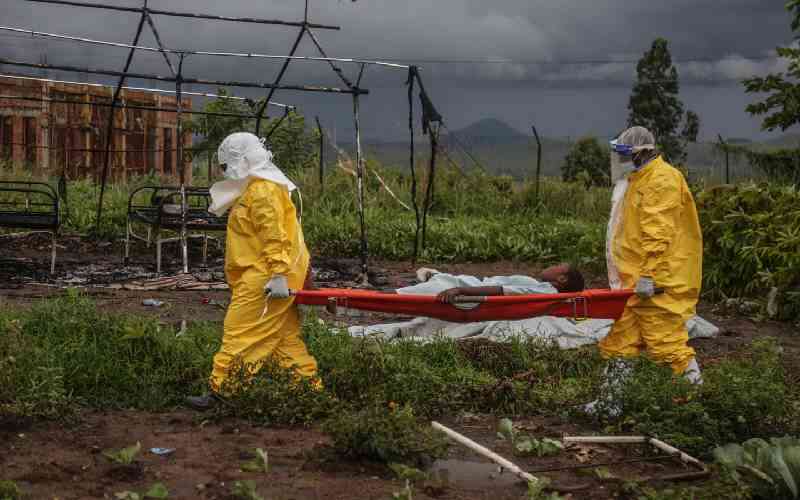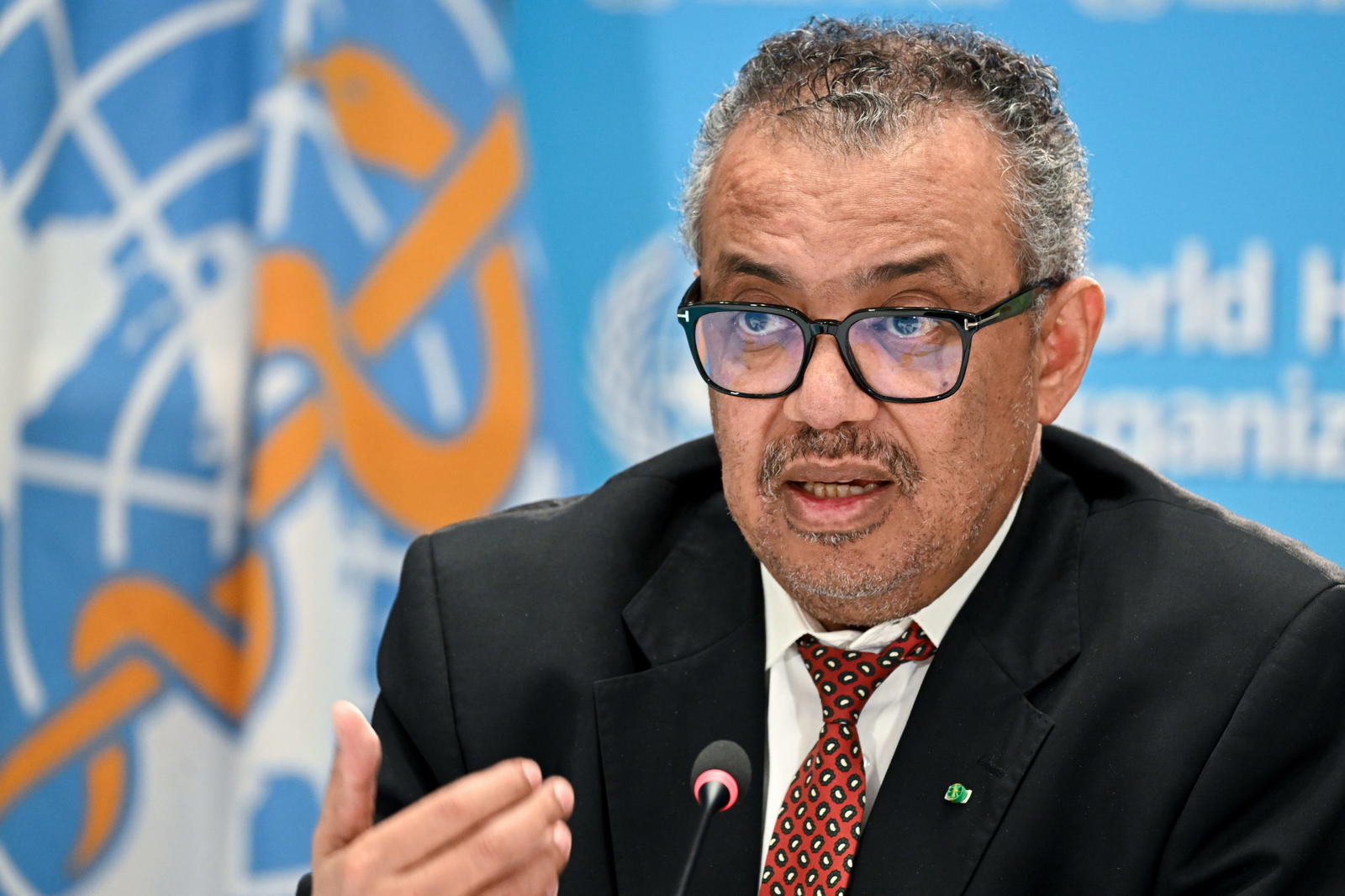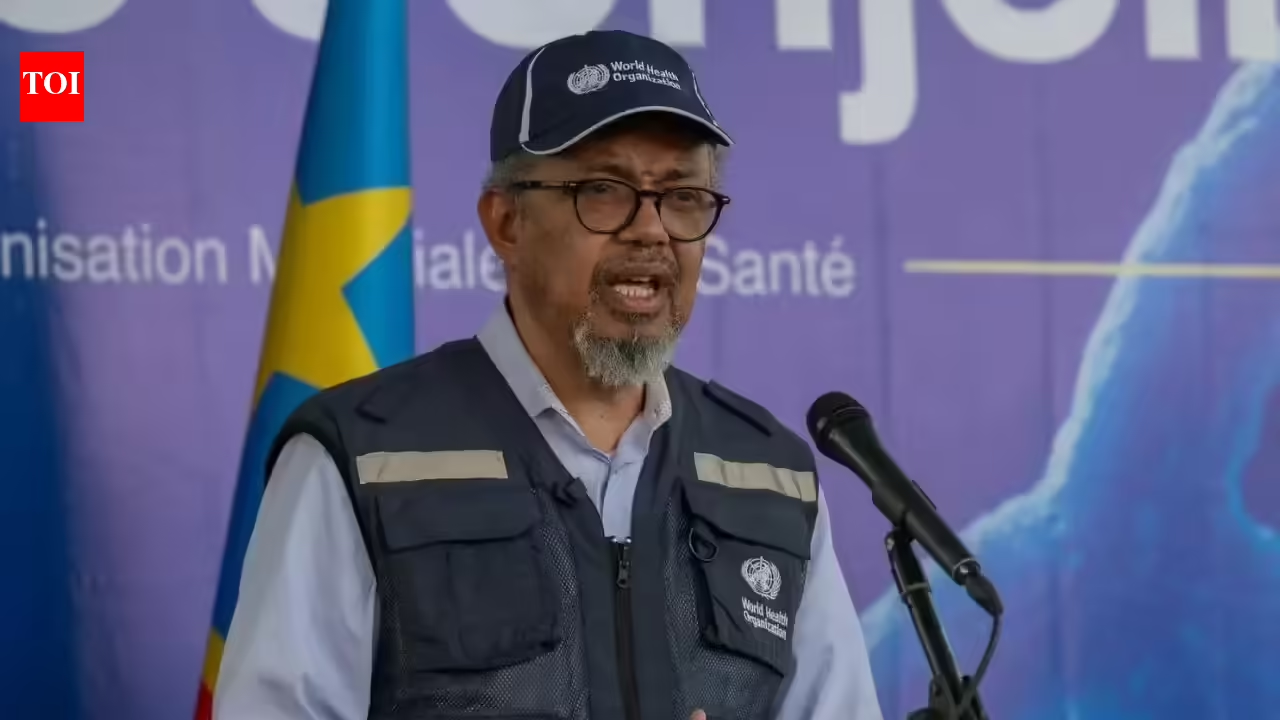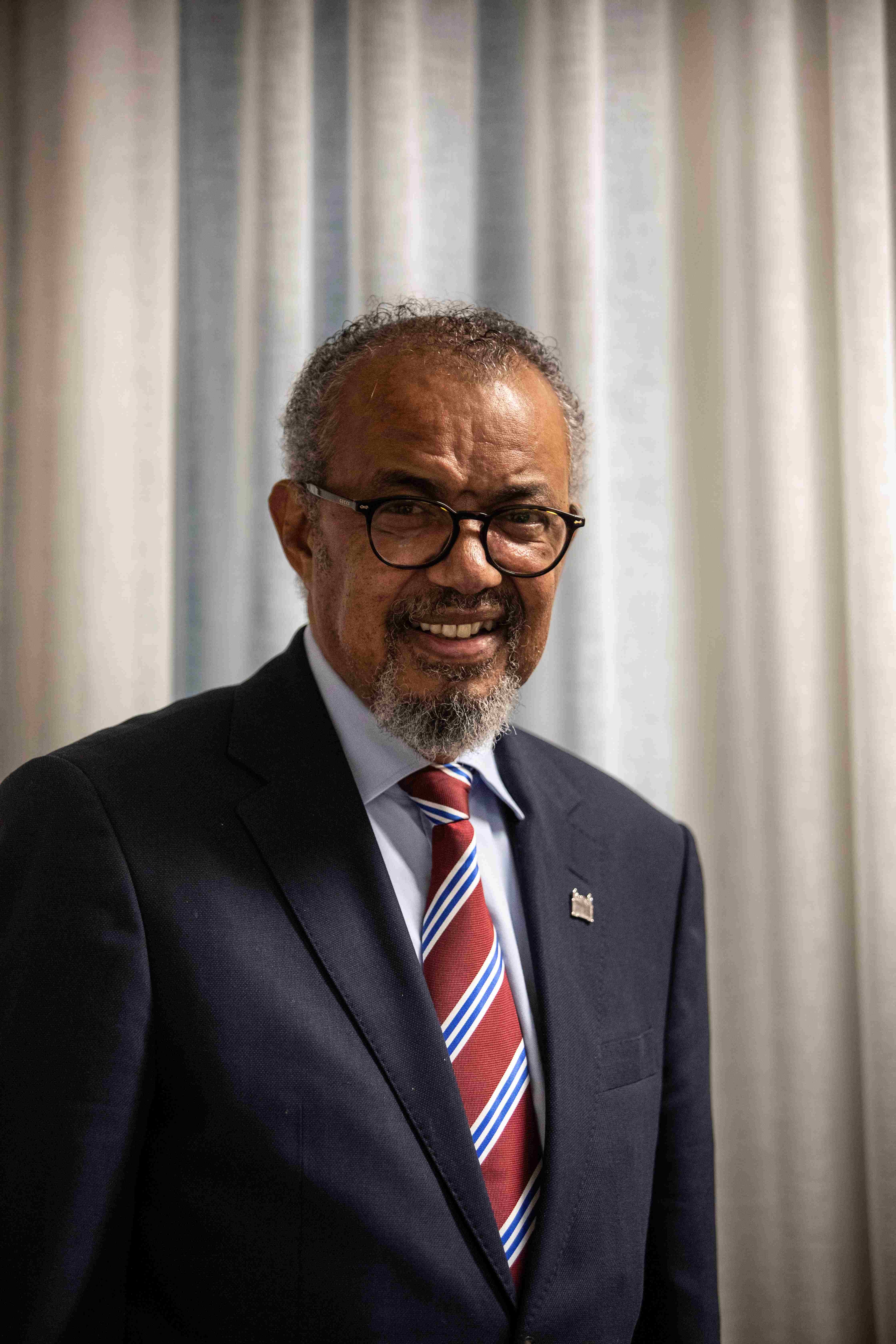
In his final year leading the agency, Tedros lays out his closing priorities, financial reform and the pandemic agreement, and reflects on war, PTSD, and why "peace is the best medicine" 0.5x 1x 1.25x 1.5x 2x 00:00 00:00 Tedros Adhanom: exclusive interview — Foto: Alexandre Cassiano Tedros Adhanom Ghebreyesus, 61, the first African director-general in the history of the World Health Organization (WHO), still has tasks to complete before he steps down next year. In an exclusive interview with O GLOBO in Rio, he said his priorities are advancing the organization's financial reform and completing the annex to the Pandemic Agreement, the so-called PABS, whose function is to organize the rapid sharing of information on pathogens with pandemic potential, along with the fair distribution of medicines and vaccines. In the post since 2017, Tedros has faced crises of great magnitude, among them COVID-19, the century's largest health emergency, and the withdrawal of the United States from the institution earlier this year. "They will come back," he predicts. Beyond those issues, the leader has been using his voice to reinforce the need for humanitarian aid for people living under the effects of armed conflict. He recalls that the current Ebola outbreak in the Democratic Republic of the Congo (DRC) is difficult to control precisely because it is unfolding in a conflict zone. He stressed that the subject touches him deeply, since he too grew up in the midst of war and lives with the effects of post-traumatic stress disorder. "I hate war, because I know what it means and I know how it feels," he says. At the end of the interview, he smiled as he pulled a document from his jacket: "It's my SUS card!" (the Brazilian health system document) — the gift he received during his visit to the country, which ended on Thursday. What role can Brazil play in global health?Brazil can play many roles, but let me focus on three. One, the SUS healthcare system is unique. So, countries can learn from Brazil. The second part is that, as you know, during COVID we had an equity problem, especially with vaccines. And Fiocruz (a biomedical research and public health institution) is working on local production, with millions of doses. That's another thing where Brazil can help address the equity gap. And the third is the work with President Lula on the pandemic agreement, to prevent the next pandemic. It was agreed, but it will not be ratified without the PABS annex. Brazil is chairing the negotiation, and it can contribute to concluding it. For me, by the way, Brazil's contribution to global health is personal. When I was Minister of Health, I benefited from my relationship with Fiocruz. That was in 2006. So these are three things among a long list, to be honest. President Lula asked you to speak to President Donald Trump about the SUS. Are global leaders ready to discuss health services with universal, free access?Because of my own experience, starting in 2006, I have been telling the story of the SUS. Not only through the master's program (with Fiocruz), but also when I was Minister of Health, building primary health care. One of the countries I selected to look at best practices was Brazil. So I was already doing it, and I will continue to do it. Os mais vulneráveis são os mais afetados por cortes de orçamento na OMS, diz Tedros Adhano So his advice wasn't necessary…I was already doing it, and I will keep doing it, because the SUS is very important. It's based on health as a fundamental human right. Health not for a few, for some, or for most. Health for all. You were in Brazil for the International AIDS Conference. New HIV cases, though falling, are far from the target of ending the global epidemic by 2030. Do you think we still have a chance of ending the emergency by then?The number of cases has dropped by more than 40% since 2010. The progress is incredible. And now we have lenacapavir (a prevention drug that provides protection for months), which is going to be a game-changer. Even with all that, our concern now is the funding cuts. Like the end of U.S. programs…Not only the U.S., but many countries. We normally say "U.S. funding cut," but it isn't only the U.S.; other donors have reduced their funding too. That will reverse the gains. We are very, very worried. The progress has been significant, but it will be affected. So given the funding cuts, the overall geopolitical tension, and the weakness in global leadership, I don't think we will reach the 2030 target. I'm sorry I have to give you this bad news. In the current environment, it's going to be very difficult. We need to start thinking about a new strategy that goes beyond 2030. Which population could be most affected by funding cuts?The countries that could be most affected are those in conflict, because the humanitarian need is very, very high. In Sudan, 33 million people need humanitarian aid. In Ukraine, 10 million. In Gaza, the whole population, 2.1 million. These people depend on daily support. Any funding cut affects them directly. And even developing countries are affected. Many countries, though, are saying they should now use this crisis to find local solutions. You were recently in the Democratic Republic of the Congo, where there's an Ebola crisis. What did you see, and what do you think will happen in the region?The situation is deeply concerning. The virus had an advantage at the start because it was circulating undetected. And it still has that advantage because of the complexity of the environment where the outbreak is happening, with conflict and displaced people. And there's hunger there. When you talk to them about Ebola, the answer is: "OK, but we're hungry. And the conflict? Will you help us get peace?" The health system is very weak, so it's hard to detect cases. To contain the outbreak, there are technical aspects we need to speed up. But we need access. Some sort of ceasefire there would help. Because without it, it's difficult even to follow up on who had contact with infected people. If we don't speed up to get ahead of the virus, it may spread to neighboring countries, like South Sudan. At the same time, I want to say that for the rest of the world the risk is low. There's no reason to panic if you know the history of Ebola. Since 1976, only 30 cases have been identified outside its crisis areas. Diretor da OMS fala sobre trauma por infância marcada pela guerra: 'memória muito clara' Is it harder to raise donations to work in areas at humanitarian risk?Yes. When there's an emergency, the funding flow improves because people panic. In chronic situations, the funding flow slows. As WHO, we have to help people deal with all the health problems they have, whatever they are. Otherwise, as I heard from one person: "It's not support because they care, but because they're afraid the (health) problem could cross borders and affect the rest of the world." We have to listen to them. And help them. You had to deal with the effects of a war in your childhood. What is it like to see children in a similar situation?That's the difficult part. As a child, I lived through war. I can feel how children in a war situation feel, whether in Gaza, Sudan, Yemen, or Ukraine. You probably know about post-traumatic stress disorder (PTSD). When I see the suffering of those people in conflict areas, my own memories of those moments become very clear. I can feel them. That's why I say: peace is the best medicine. I always say the most courageous choose peace. Whatever conflict exists, there is always a political solution. I hate war, because I know what it means and I know how it feels. Is COVID-19's legacy for the agency positive or negative?I don't see things in terms of legacy. I see them in terms of: let's do everything we can when there are issues to address. We tried and did our best. We informed the world based on evidence. Of course, there are challenges and weaknesses. And we learned from them. There are ten areas we identified to improve global preparedness for the future. One of them is that countries' capacity, including to produce medicines and vaccines, is weak. Among others. That's why we need the Pandemic Agreement. When a pandemic happens, you do your best, based on how the science evolves, and then you learn your lessons from it. And the world will be better prepared with the pandemic agreement, with PABS, whose negotiations Brazil is leading. I even want to thank Brazil for its leadership. You're in your last year in the job. What are your final tasks? You promoted several reforms in how the organization works…In this last year, I'll focus on WHO's financial sustainability. Only if you are financially independent are you truly independent, even as an individual. WHO has depended on a few traditional donors for many years. That's why we proposed to diversify our donor base. One of the measures was to ask member states to increase the fee they pay — the assessed contribution, or membership fee. The share of the total budget they finance went from 14% to 50%. Two installments have already been paid by the countries, in 2023 and 2025. They agreed to pay five; three remain. It's a reform that runs from 2017 to 2031. That's my focus. And the other focus is concluding PABS within the pandemic agreement. Do you think the U.S. withdrawal is reversible?Yes, they will come back. I was in Tenerife when we helped with the hantavirus situation on a ship. We carried out the medical evacuations. And most of the passengers there were from the U.K. and the U.S. Even if they (the U.S.) want to leave, they can't. Because humanity is closer than ever before. The only option you have in this scenario is to fight together, against a common enemy, like a virus. There's no way to withdraw from this platform built 80 years ago. Even if they don't give us money, we will support them. Our mission is humanity. I hope they reconsider and come back. They have no good reasons to leave. All the reasons they give in the executive order (of the Trump administration, to leave the agency) are not good reasons to leave. They say we haven't carried out reforms, but the reforms we've made have actually helped us handle their withdrawal.
'Deeply concerning': WHO Director-General Tedros Adhanom warns conflict and hunger are slowing the fight against Ebola
In his final year leading the agency, Tedros lays out his closing priorities, financial reform and the pandemic agreement, and reflects on war, PTSD, and why "peace is the best medicine"
1,803 words~8 min read