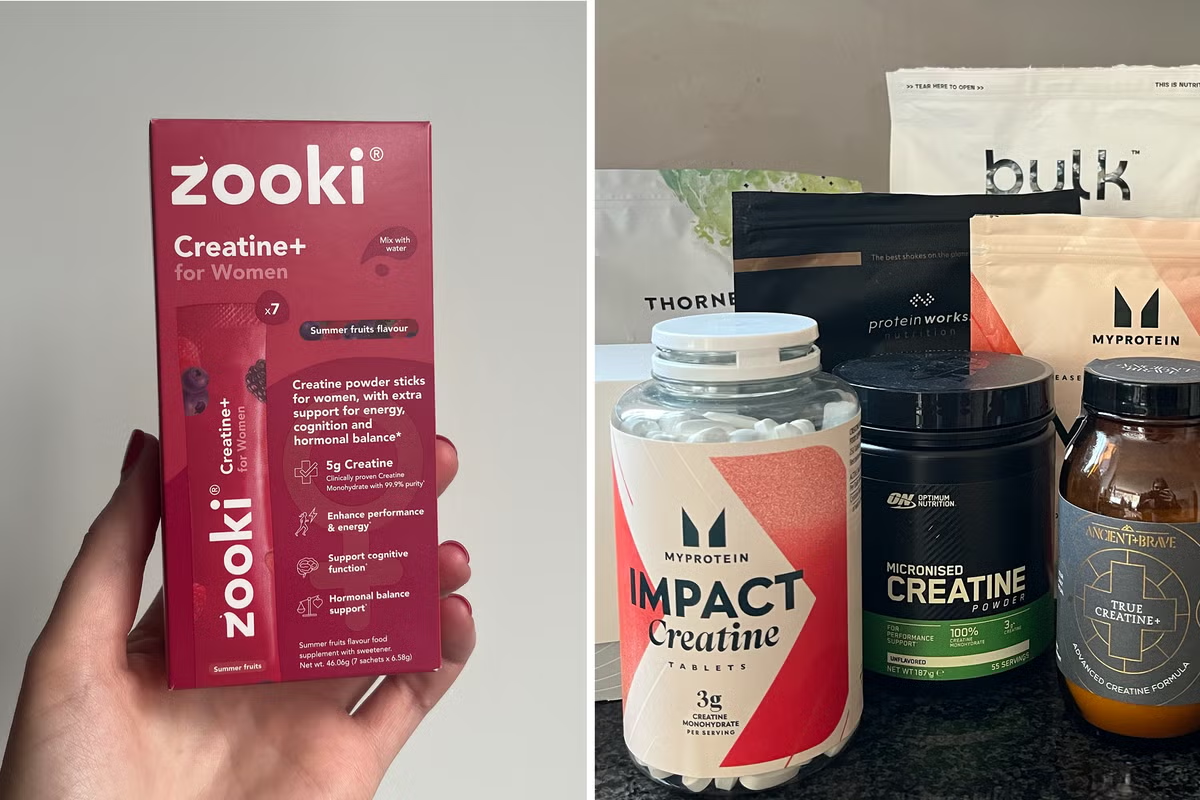
Your questions on creatine answeredWhat is the best creatine?In the end, the value for money offered with Myprotein’s impact creatine can’t be ignored. The smooth fine powder dissolves easily and its been third-party tested. If you can look past the utilitarian packaging and smaller scoop, then it’s an excellent budget-friendly option.If you’re after a creatine with high purity, then opt for Momentous creatine which uses Creapure and is NSF Certified for Sport. For a creatine supplement to take on the go, I’d opt for Thorne’s travel packs. My favourite supplement blend was Ancient and Brave’s true creatine+, and for those who like a flavoured option I’d choose Protein Works’s creatine monohydrate in orange burst.How I tested the best creatineI took each creatine as suggested on the packet with water. When I tested I noted the how well each one dissolved, as well as the texture. Alongside this I rated the packaging and the scoop (if it came with one), which often affected how easy each were to take. Most importantly, I researched whether each product had been third-party tested, which ensures that the creatine isn’t contaminated with hard metals and pesticides. Some on this list also are safe for professional and elite level sport. When testing, I took note of the following factors:Solubility: Due to its low solubility, creatine is known to be tricky to completely dissolve in water or other beverages. But, nowadays some brands are micronising the powder, which makes it finer and easier to dissolve. During my test I stirred each creatine into a glass of water, paying attention to solubility. Grainy heaps that sat at the bottom of my glass lost marks, while those that whisked into my water well came out on top. For those wanting to improve this factor, try creatine in hot drinks as some studies suggest that the solubility of creatine in water increases with temperature.Results: As I’ve been taking the supplement for so long, I’m unlikely to be affected by different products as they pretty much all just contain creatine monohydrate. But like most supplements, consistency is key when it comes to creatine, so any that are more likely to make me take it were rewarded.Packaging: While it’s the product inside the packaging that I’m really after, if a creatine looks good in my cupboard that’s a huge plus.Third-party testing: Now there’s a mountain of wellness and health food brands out there, it can be hard to cut through the noise and make sure you’re getting safe products that live up to their claims. So I found out what testing has been done on each creatine product to ensure what’s on the label is what’s in the packet, and that it contains no foreign materials such as hard metals and pesticides. Value for money: With the core ingredient the exact same for most, the cost is often where decisions are made so I paid attention to the price compared to the quality of the product.What exactly does creatine do to your body? Daniel Herman, Bio-Synergy founder, PT and NASM nutritionist said: “Creatine plays numerous roles, it's best known for recycling anaerobic energy allowing you to train harder and longer, but recent peer reviewed quality research has also highlighted its benefits for regulating hormones and improving cognitive ability.”When and how is it best to take creatine?Dr Jenna Macciochi advises to take at least 3g per day consistently. She doesn’t believe a loading phase, where creatine is taken at a higher dose when first taking it, is necessary. She recommends to drink it with water, ideally electrolytes, and take it with a carbohydrate-containing meal for optimal uptake. But Dr Macciochi warns to not add creatine to a drink and leave it for several hours – you’ll want to consume it within an hour, otherwise the creatine starts to break down.If you struggle with discomfort when taking supplements on an empty stomach, consuming creatine with a meal can enhance effectiveness and absorption as well as reduce the likelihood of any gastrointestinal issues. What type of creatine should you take?Herman advises: “The most research backed form is creatine monohydrate in a powder, capsule or tablet as these delivery mechanism have been shown over long term to maintain the efficacy where as some other formats do not have this date.”Are creatine gummies effective? “In theory, yes,” says Herman, “but there have been numerous that have been tested that have had no creatine present, and although they are easy to consume in order to get the recommended dosage you may need 3-6 per day, and many are not vegan and can contain sugar.”Is creatine safe?“Creatine is safe when used as recommended,” said Crionna Tobin, head of science and education at Optimum Nutrition when speaking to IndyBest fitness writer Harry Bullmore. “It is one of the most thoroughly researched sports supplements in the world. Decades of studies show that healthy adults taking the standard dose of three to five grams per day experience no harmful effects on kidney or liver function.“Leading organisations such as the International Society of Sports Nutrition and the European Food Safety Authority consider it safe when used within recommended guidelines.”However, she still recommends choosing trusted brands whose products have been subject to third-party testing.Should men and women take different amounts of creatine? Dr Macciochi says: “The evidence-based and EFSA-supported effective daily dose of creatine is 3-5g per day for healthy adults, regardless of gender.“On average, women store 70–80 % as much creatine in muscle as men, even after adjusting for body mass. Several factors contribute to this including lower muscle mass overall, dietary patterns (often lower meat/fish intake) and hormonal effects, for example oestrogen fluctuations may influence creatine transport and retention.“This means women begin at a lower baseline, so supplementation can have a more pronounced effect.”Does creatine offer women specific benefits?For women, creatine supplements might have unique benefits as oestrogen fluctuations often affect brain bioenergetics, Dr Macciochi explains. As the brain is a high-energy organ and oestrogen is known to enhance glucose utilisation and mitochondrial efficiency, when oestrogen declines during menopause transition, the brain becomes more reliant on alternative energy substrates like ketones and phosphocreatine, she said.So, “Supplementing with creatine can buffer this energy gap, helping maintain mental clarity, resilience to stress, and mood stability”, Dr Macciochi says.“By improving muscle strength, energy availability, and training adaptation, creatine helps counter these effects, especially when combined with resistance exercise.”Why you can trust IndyBest reviewsAlice Reynolds is a writer at IndyBest. She’s passionate about fitness, particularly running, the gym and Pilates, and has used creatine to help her achieve her goals for almost a year. When it came to reviewing each, she considered each product in a real-world testing environment and consulted Dr Jenna Macciochi for expert input. When it comes to fitness, Alice has previously reviewed the best protein bars, found the best activewear brands for women, and got the low down on electrolytes from a nutritionist.After more expert recommended supplements? These are the best magnesium supplements
12 best creatine supplements for muscle strength, bone and brain health
As a keen gym-goer, creatine is an essential part of my routine
1,161 words~5 min read