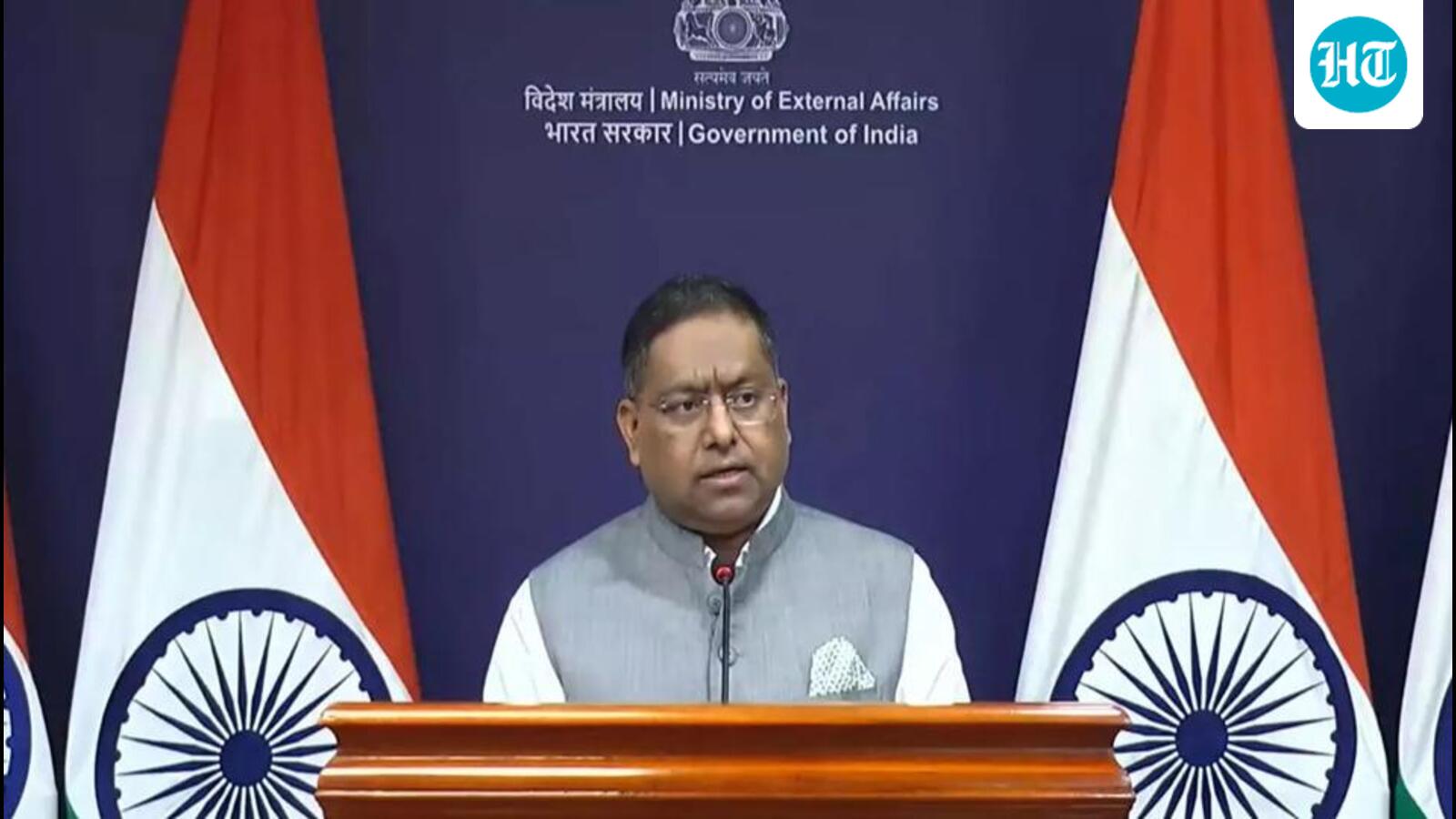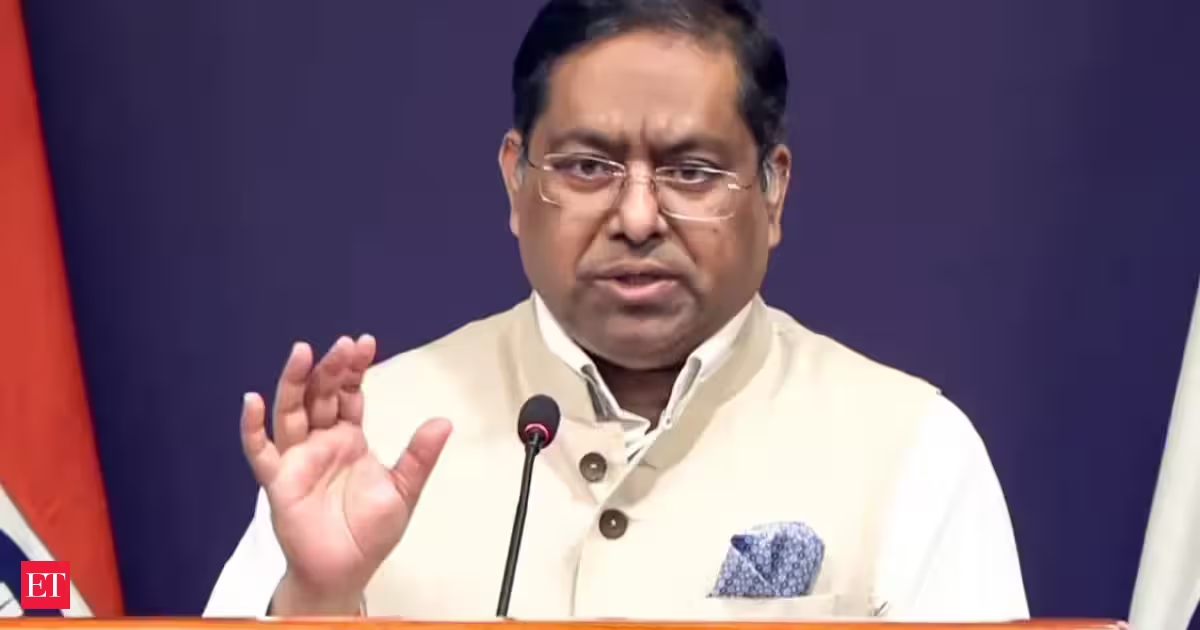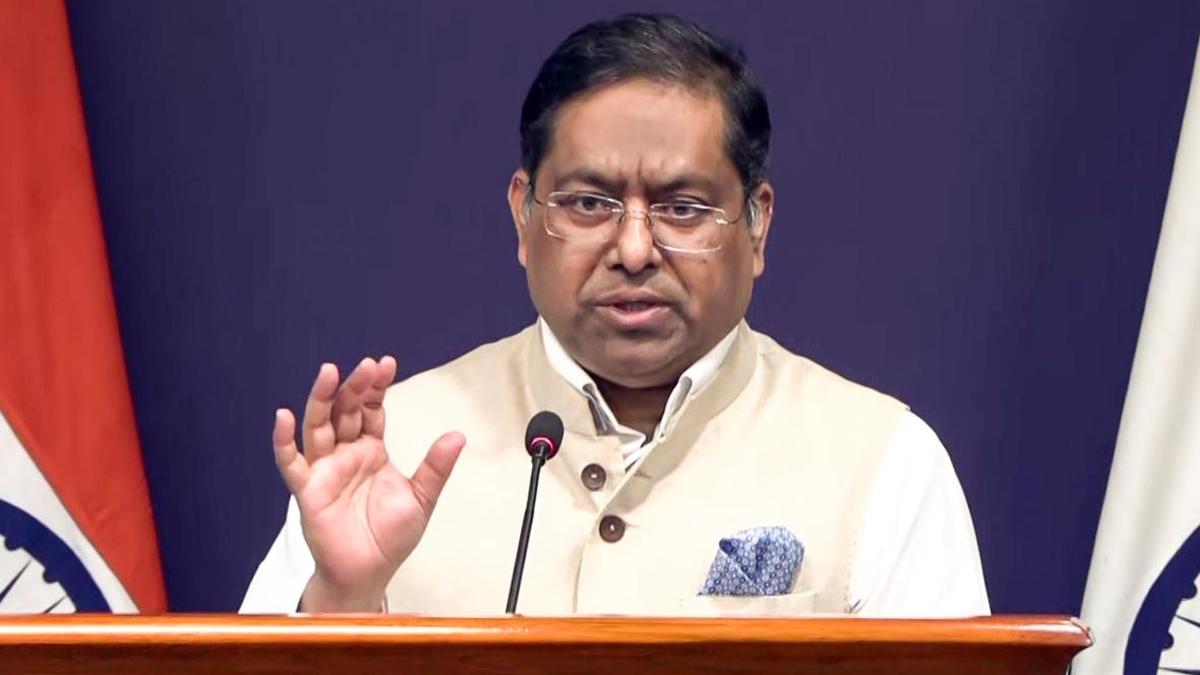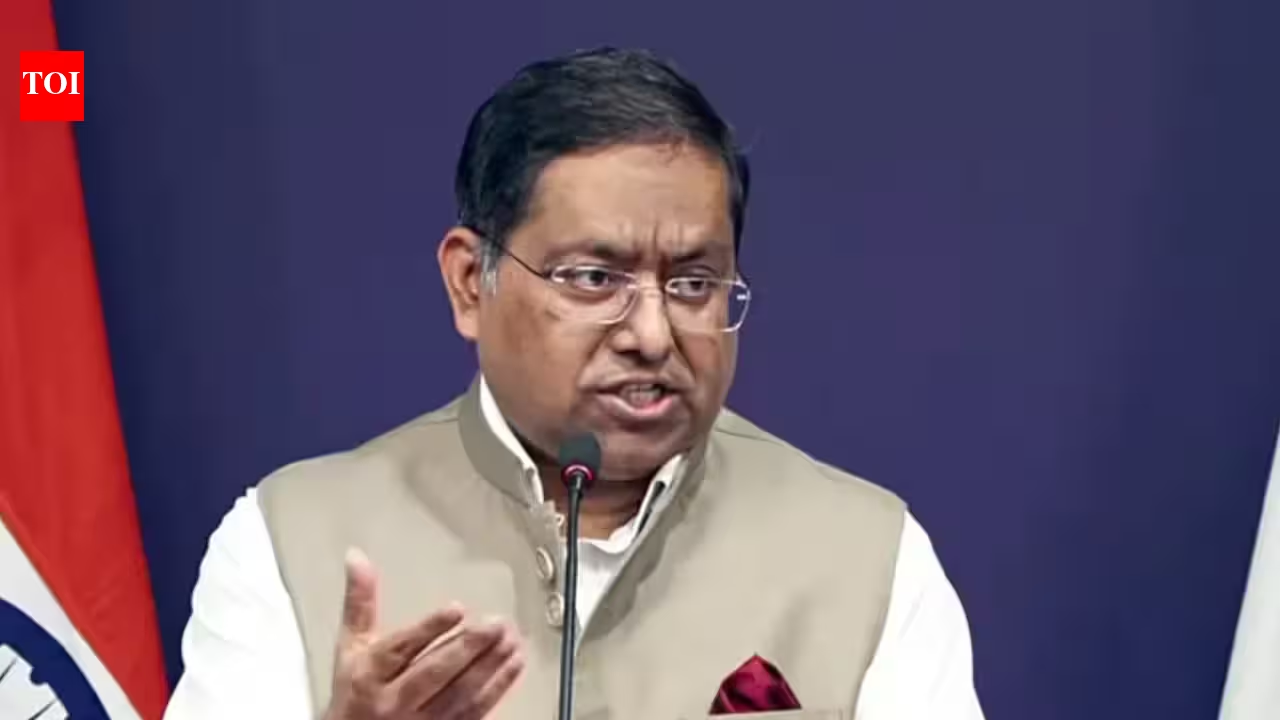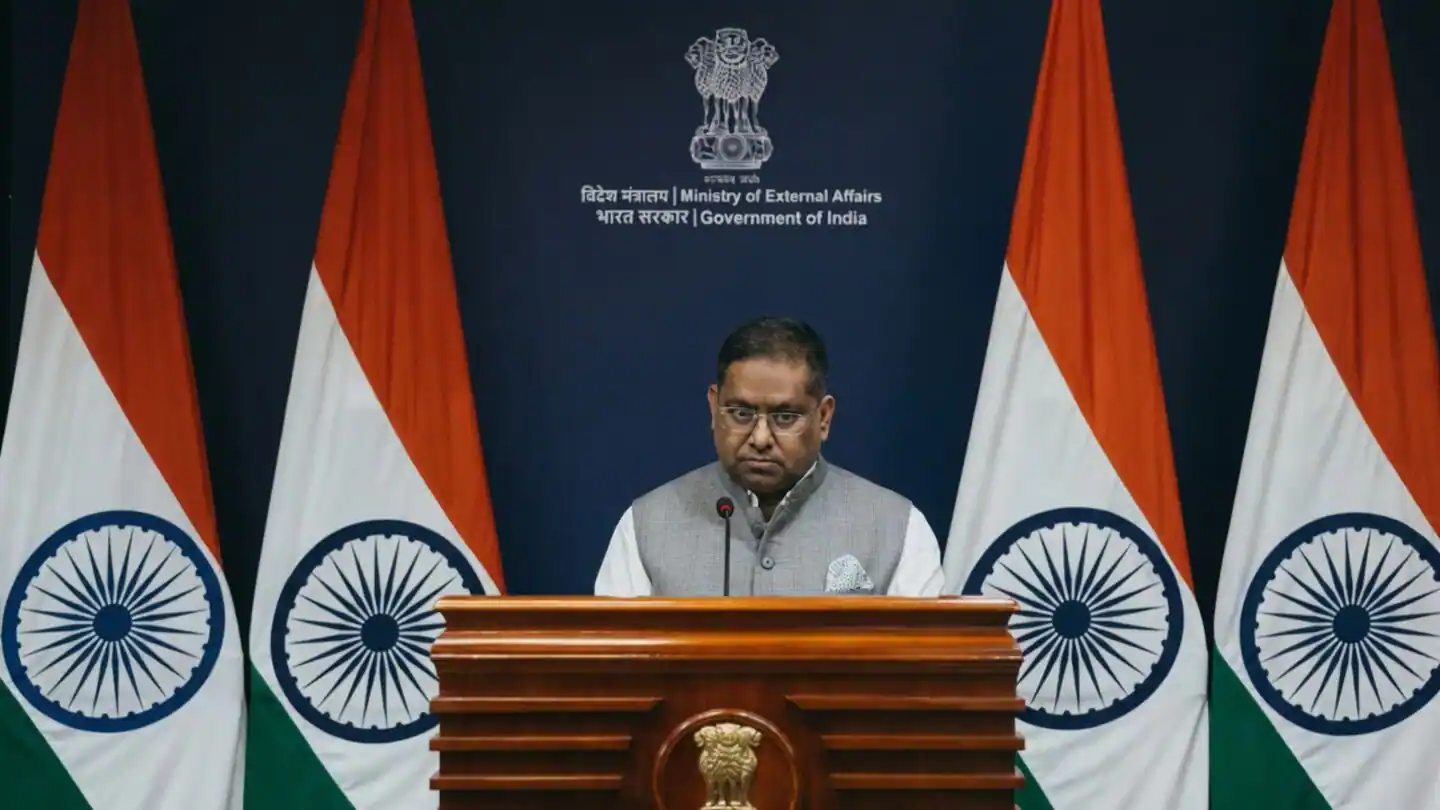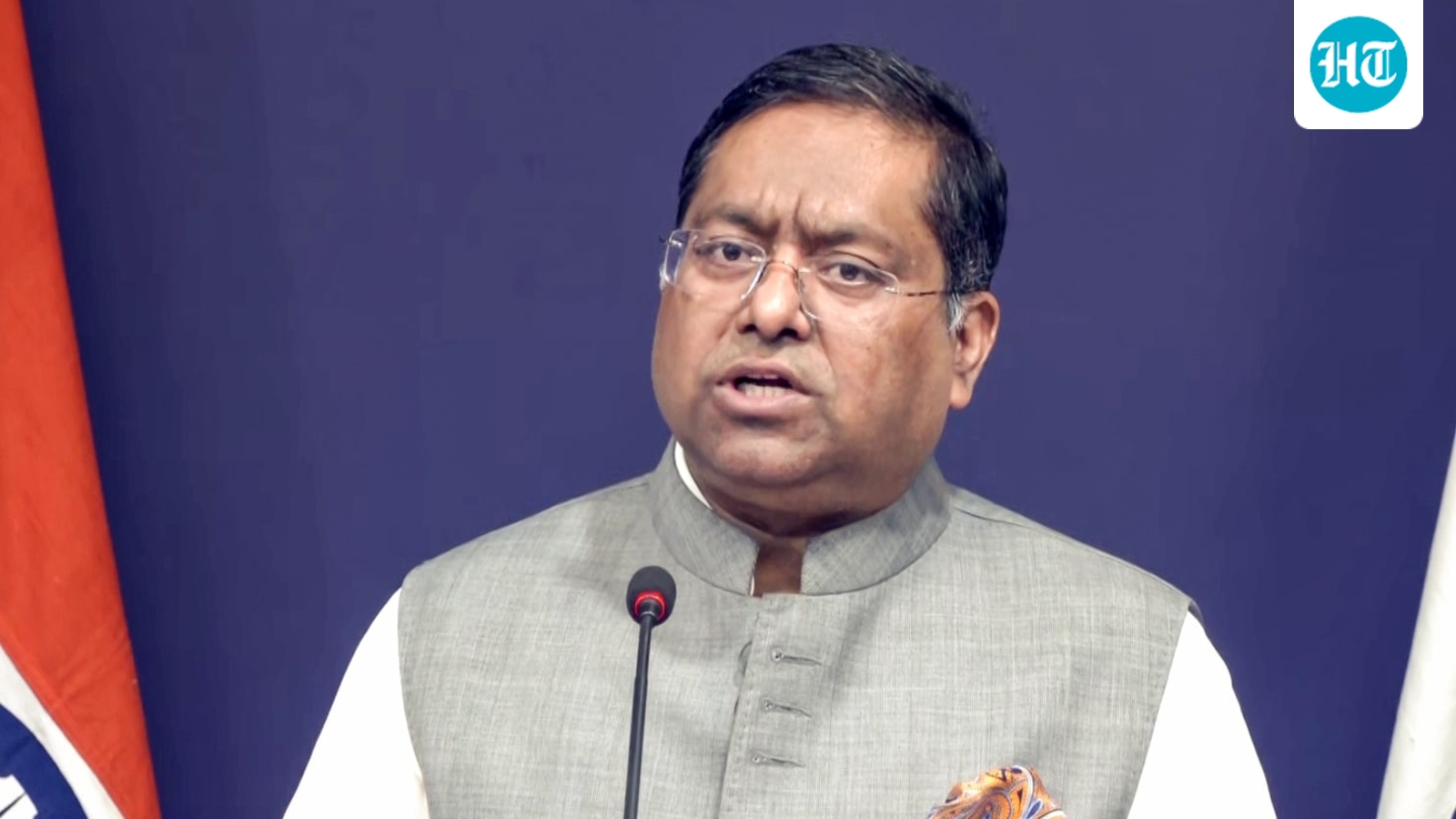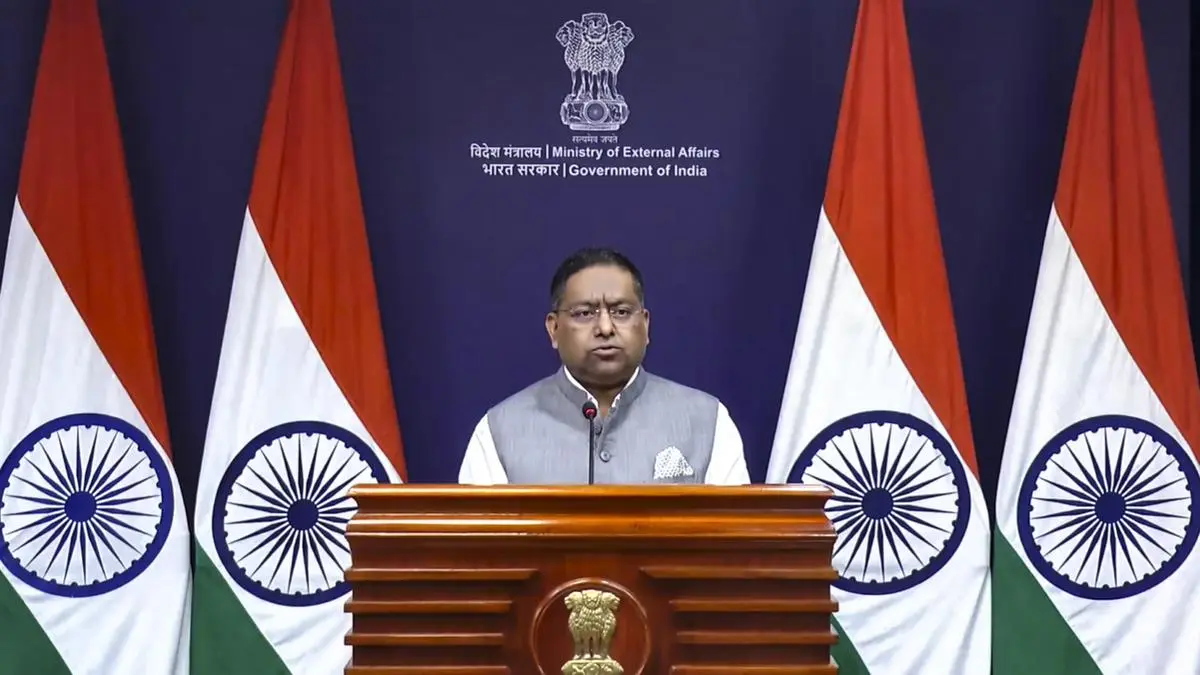
Ministry of External Affairs spokesperson Randhir Jaiswal addresses a bi-weekly media briefing, in New Delhi
| Photo Credit:
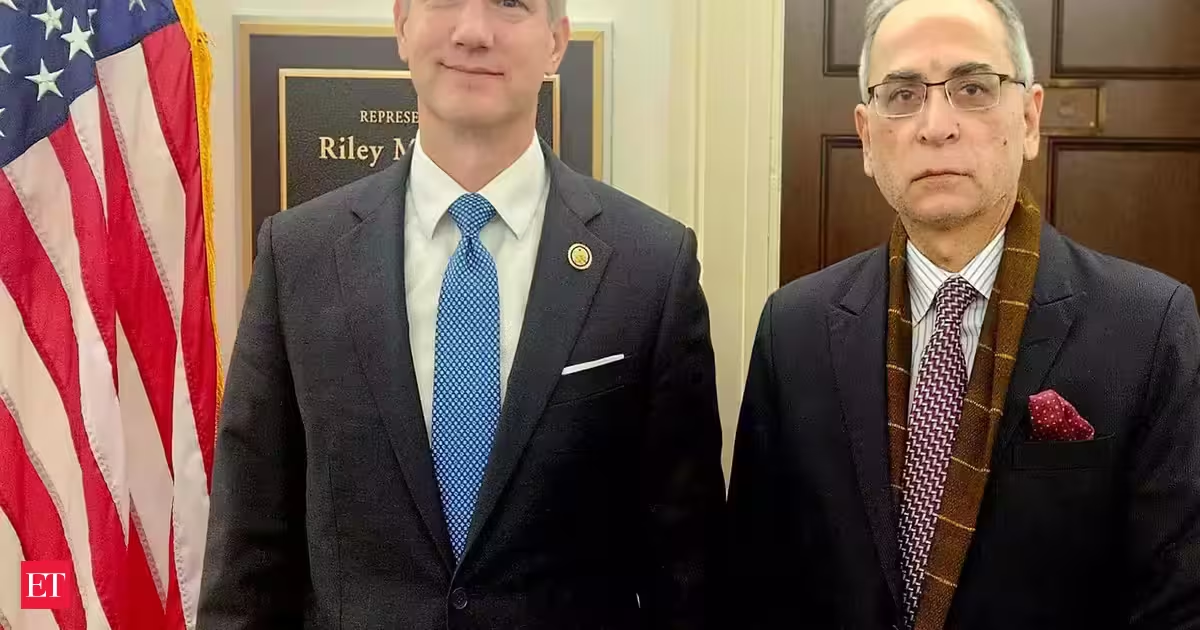
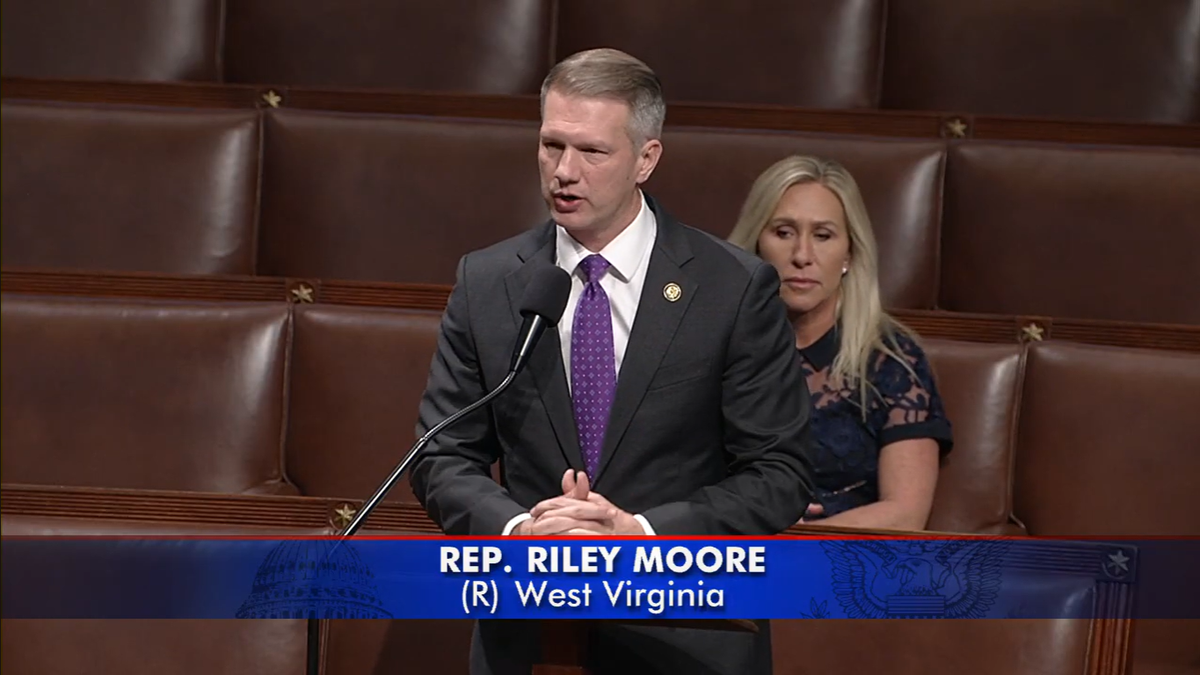
India has rejected criticism from US Congressman Riley Moore of the proposed amendments to the Foreign Contribution (Regulation) Amendment (FCRA) Bill, asserting that the country’s legislative decisions are an internal matter and noting that several nations, including the US, also regulate the flow of foreign funding.Responding to questions at the weekly media briefing, Ministry of External Affairs (MEA) spokesperson Randhir Jaiswal said laws enacted by Parliament are based on India’s domestic requirements and sovereign decision-making process.“Legislative matters concerning India are its internal affairs. Decisions on such issues are taken by the Parliament of India,” Jaiswal said, dismissing concerns raised by the US Congressman over the proposed changes to the FCRA framework.He added that regulation of overseas funding is not unique to India and pointed out that many countries have similar mechanisms in place. “I would also like to point out there are several nations, including the US, which regulate the flow of foreign funds,” he said.The remarks come following criticism from US lawmaker Moore over amendments to the FCRA, which governs the acceptance and utilisation of foreign contributions by associations, non-governmental organisations (NGOs) and certain other entities in India.In a social media post earlier this week, Moore said the proposed amendment to FCRA rules would permit the Indian government to takeover churches and religious charities. Christians have been in India since St. Thomas the Apostle travelled to the Malabar Coast just decades after the resurrection of our Lord Jesus Christ, he said. “This is a clear attack against Christians. If this bill proceeds in this way, it would be a point of major concern in our bilateral relationship with India,” the US lawmaker added.The FCRA Bill, 2026, introduced in the Lok Sabha on March 25, 2026, seeks to significantly tighten government control over foreign-funded non-governmental organisations (NGOs). The Bill proposes a government-appointed `designated authority’ empowered to take over and dispose of an organisation’s assets and foreign funds if its FCRA registration is cancelled, denied, or allowed to expire. While it reduces the maximum prison term for violations from five years to one year, it has led to concerns that administrative lapses or non-renewals could lead to the permanent, arbitrary seizure of civil society assets like schools and hospitals without adequate legal recourse.In its defence, the government has maintained that regulating foreign contributions and foreign influence was not a uniquely Indian approach. “Over the past decade, governments across the world’s leading democracies have strengthened frameworks governing foreign funding, foreign lobbying, and foreign influence activities. The concern that foreign money can, when unregulated, affect democratic institutions, electoral processes, and public discourse is recognised globally, and governments have responded with legislation,” per a PIB note on FCRA.Published on August 7, 2026