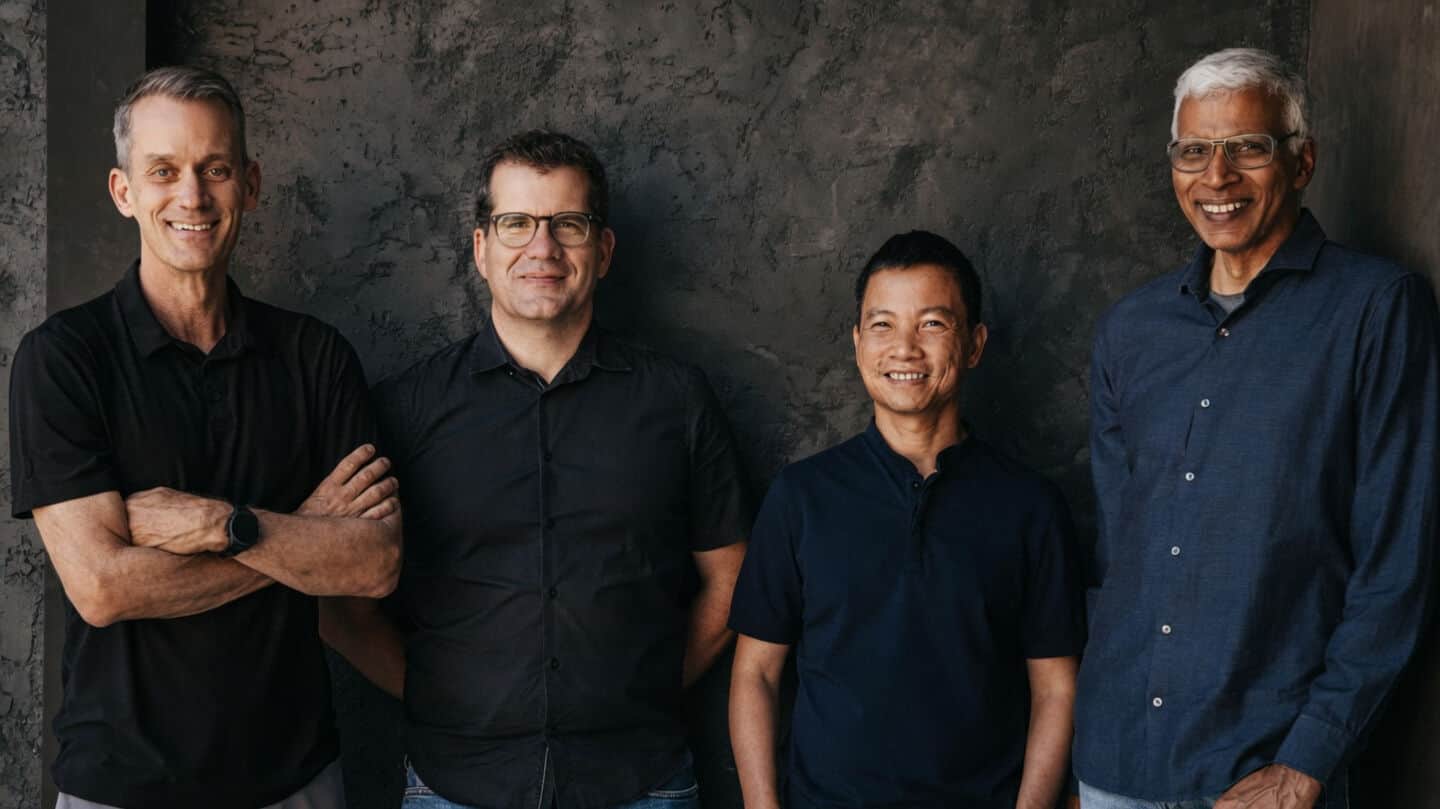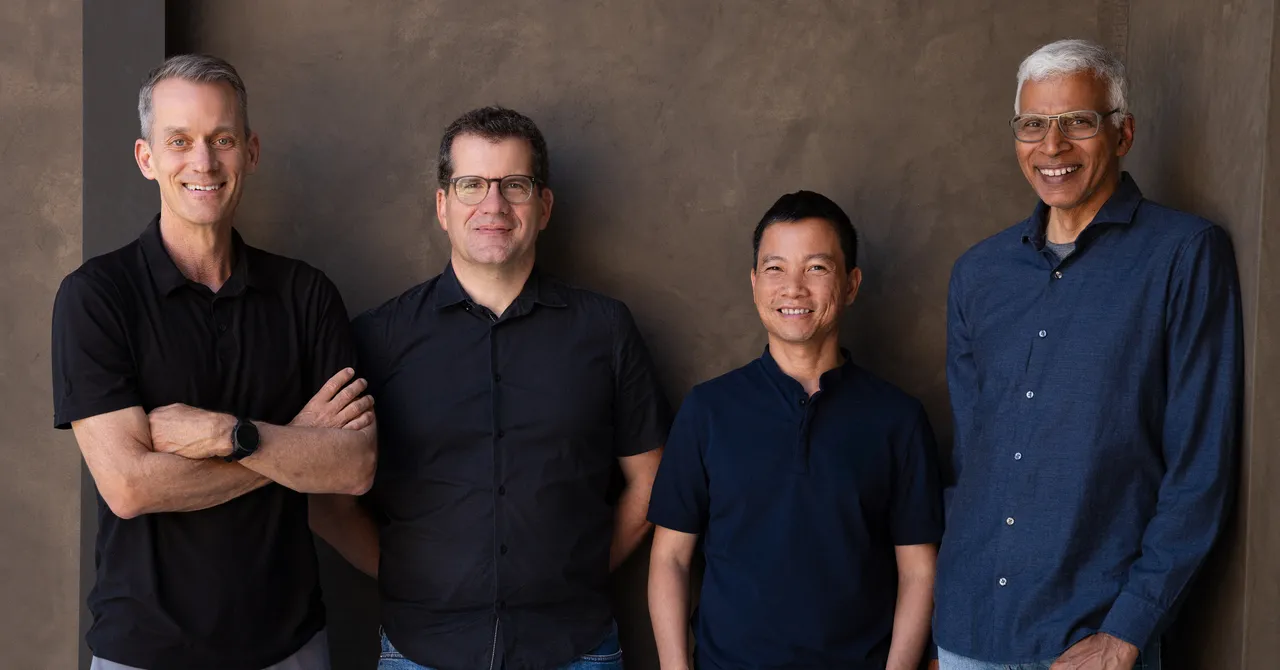
Four of Google's top AI minds have left the Alphabet company to launch their own startup right after Demis Hassabis steps down from his operational leadership role to an oversight positionGetty ImagesFour of Google’s top AI executives and scientists, led by Jeff Dean, who joined Google in 1999 and became its Chief Scientist, have left the Alphabet company to create a new startup, Discovery Loop.The other three co-founders are Oriol Vinyals, Sanjay Ghemawat, and Quoc Le, who share decades of the most impressive resumes between them: multiple generations of Google Search, Google Ads, Google News, Google Translate, TensorFlow, Gemini, model distillation, multiple generations of Large Language Models (LLMs) among others, according to the start-up’s new website.This comes on the heels of major AI talent shake-ups within AI-native organizations and big tech companies. Demis Hassabis stepped aside from his role leading Google DeepMind as he takes a more strategic role as chair, while Koray Kavukcuoglu takes over the day-to-day operational leadership.The Great AI ShakeupOther operators within the AI space have recently seen major AI talent shake-ups and reshuffles lately, including Meta, Microsoft, and OpenAI. For example:MetaIn 2025, following Alexandr Wang’s appointment to head Meta’s Superintelligence Labs after leaving Scale AI, Yann LeCun left to become executive chairman of Advanced Machine IntelligenceOpenAINaomi Bashkansky announced her resignation July 23, as she went on to become founding engineer of thought-to-text startup ConduitIlya Sutskever, who resigned in 2024 from his role as co-founder at OpenAI, launched Safe Superintelligence (SSI)Among the most notable exits is Dario Amodei, who left the company from his role as vice president in 2020 to start OpenAI rival AnthropicWhy Top AI Minds Are Leaving Big Tech FirmsIt’s a strong power play within the tech sector, and the speed at which start-ups are being birthed following AI talent exits forces us to consider: we are witnessing, in real time, a redistribution of tech talent, moving away from Big Tech into smaller satellites in the AI ecosystem, which in turn acts as a magnet to attract more of the same scarce AI talent. And the cycle continues. Flanked against this backdrop is Apple and OpenAI’s lawsuit, where Apple alleges 400 of their employees now work at OpenAI.What is happening now is that, beyond staying at their current organizations and joining competitors, top AI talent has a third option: leveraging their enormous reputational and intellectual capital to found their own and attract financial capital.Eye-watering salaries are not enough to retain the employees of major AI and tech firms. The new power play in the AI era is deep domain expertise, AI skills, and high visibility and proximity to the problems that mattergettyThey are following where their passion, curiosity, and endless thirst for innovation takes them, even if that means betting on bold new risks and starting out from scratch again.How To Leverage This Power Play To Be Indispensable In The AI EraThis echoes a trend I’ve seen mirrored even outside of the AI market. For example, Toptal, the freelance contractor platform, boasts that it holds the top 3% of talent in business and technology globally, through its strict and rigorous vetting process. The exclusive freelance marketplace, which is home to world-class developers, engineers product managers, designers, and management consultants, has talent that hail the likes of Google, Microsoft, Goldman Sachs, and Apple on their resumes. These then go on to work on exciting projects and founding roles at start-ups in addition to well-known institutions.Strong, niche, expertise leads to economic leverage and ownership.You may never achieve the level of recognition, stock ownership, or industry and peer leadership that Jeff Dean and his co-founders or Dario Amodei have.You may not even desire to; nonetheless, if you want more power and control over your career, your finances, and the opportunity to drive meaningful innovation through your work and get paid top dollar for it in the AI era, taking a leaf out of their book certainly helps:Develop expertise in a niche that is difficult to replace with AI. Make yourself invaluable. AI literacy is increasingly becoming a baseline expectation for many employers, on the same level that any employer would expect you to have a working comprehension of email or Microsoft Word. The greatest leverage you have is in combining AI skills with something extremely specialized. This is known as domain expertise. For example, it could be cybersecurity or healthcare, project management, etc. Second, don’t just acquire years of experience, and allow the years to roll on. Ensure that every year counts. What made the business case for Discovery Loop so compelling? It was that each of the founders didn’t just have years of experience at Google to boast about, but they made every year count with new generations of products and groundbreaking innovations. Pay close attention to what you're becoming known for at your job. What systems have you built? What intellectual property have you developed? What measurable results have you produced, or research have you owned and contributed to? This is extensive capital that can travel with you wherever you go in your career and adds to the value you bring, whether it's moving to an employer that offers higher pay, joining a startup, or launching a startup of your own.Stay close to the problems that matter the most. Identify the most expensive and difficult issue that organizations are grappling with today. Get close to understanding the intricacies of that problem and why it matters. Start developing expertise and solutions around it. The greater your depth of understanding of the problem and the people involved, the more you isolate yourself from generalist experts and the stronger your negotiating power becomes. Finally, build and develop a strong reputation outside of your employer. Become the one that is known for contributing meaningfully to your industry. Publish your thinking, your thought leadership. Develop strong relationships outside of the organization with potential investors other founders and industry leaders, and use your published expertise and thought leadership to build a moat of leverage and evidence of what you know, the solutions you built, and what you own.And one more thing: The talent exodus and reallocation inside AI startups speaks to a bigger problem within the technology industry that’s only exacerbated by the AI boom: There has always been a shortage of adequately skilled technical talent. But compared with the general availability of technical talent, there is a shortage of AI specialists, researchers, machine learning experts, and engineers with founder mentality. If you do happen to be studying in, or working towards or within these fields, this scarcity can be one of your greatest career advantages.Yet scarcity alone does not create leverage. What matters now is what you do with it.Develop knowledge and stack your skills in ways that are difficult to replace or find elsewhere. Build relationships and a reputation that travels beyond your immediate work or employer. And wherever it is possible, seek opportunities to own more of the value of your work.In the AI economy, your knowledge is an asset you can build, leverage, and eventually, own.
4 Top Google AI Minds Just Left—Their Next Move Defines The Talent War
Google lost four top AI execs and researchers to Discovery Loop as the AI talent war evolves from salaries and employee retention to expertise and ownership leverage.
TL;DRAI
Jeff Dean and three Google AI leaders exited to found Discovery Loop, exemplifying top talent's migration from Big Tech to startups. The exodus reveals that innovation autonomy and equity now beat premium salaries—forcing Big Tech to rethink how it competes for elite AI talent.
1,169 words~5 min read